Choosing the right cylinder fittings is essential for optimal performance in various applications. The market is teeming with options, making the selection process daunting. Understanding the factors that contribute to the quality and reliability of cylinder fittings can make all the difference.
Cylinder fittings play a crucial role in ensuring secure connections for gas cylinders, pressure systems, and other industrial applications. Yet, with an abundance of choices, consumers often overlook key specifications. This can lead to improperly fitted components, resulting in costly issues down the line. It is important to recognize that subpar fittings can compromise safety and performance.
When selecting cylinder fittings, consider material compatibility, pressure ratings, and size specifications. Each of these factors contributes significantly to maintaining the efficiency of your system. Some fittings may appear attractive but fail to meet necessary standards. Reflecting on your specific needs can help mitigate potential mistakes. Choosing wisely is not merely about preference, but about ensuring reliability and safety in your operations.
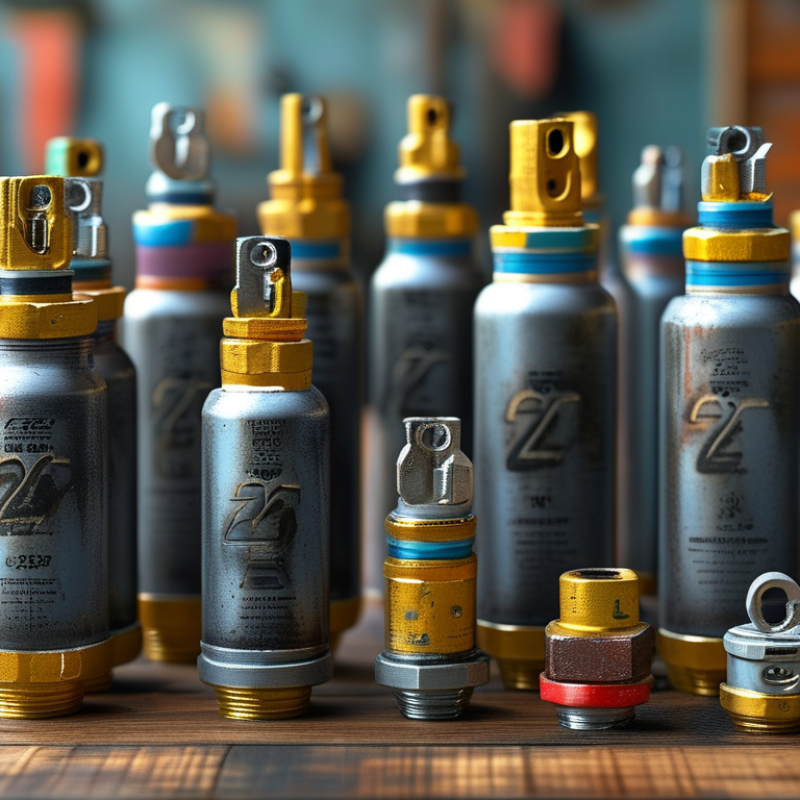
When selecting cylinder fittings, understanding their types and applications is vital. Different fittings serve specific functions. For instance, threaded fittings are common for gas cylinders. They create a secure seal but require careful handling. Poor installation may lead to leaks. So, ensure proper training when using these.
Another type is quick-release fittings, often used in high-pressure situations. These fittings allow for rapid changes and easy operation. However, their convenience comes with risks. Regular maintenance is essential to avoid malfunction. Users must be aware of wear and tear, checking for any visible damage before usage.
Leveraging the right fitting involves balancing usability and safety. Some fittings may seem user-friendly but could complicate connections. Each type has its unique set of advantages and disadvantages. Evaluating these factors thoroughly helps make informed decisions. In the world of cylinder fittings, knowledge and experience shape the best choices for various applications.
When selecting cylinder fittings, several key factors play a vital role. Understanding the specific application of the fittings is essential. Applications can vary significantly in pressure, size, and material compatibility. According to a recent market report, approximately 45% of fitting failures are linked to improper selection based on these factors.
Another crucial aspect is the material of the fittings. Many professionals recommend stainless steel for environments subject to corrosion. However, other materials like brass or plastic may suit less demanding conditions. It's vital to consider the operating environment and the substances being handled to ensure compatibility.
Tips: Always consult with engineers or industry experts during the selection process. Their insights can help identify potential issues early. Regular inspections and preventative maintenance also contribute to reliability and longevity.
Lastly, think about the certifications and standards that apply to cylinder fittings. Validations from recognized organizations are important. Research shows that non-compliance can lead to hazardous situations in 30% of cases. Reliable fittings can save both lives and costs in the long run, highlighting the importance of choosing wisely.
| Fitting Type | Material | Pressure Rating (PSI) | Temperature Range (°F) | Connection Type | Cost ($) |
|---|---|---|---|---|---|
| Standard Cylinder Fitting | Aluminum | 3000 | -40 to 250 | NPT | 25 |
| High Pressure Cylinder Fitting | Stainless Steel | 6000 | -40 to 300 | BSP | 50 |
| Low Profile Cylinder Fitting | Plastic | 1500 | -20 to 180 | Quick Connect | 15 |
| Corrosion-Resistant Fitting | Bronze | 4000 | -30 to 220 | Solder | 40 |
| Compact Cylinder Fitting | Nylon | 2000 | -10 to 160 | Flat Face | 20 |
When selecting cylinder fittings, the material composition is crucial. Common choices include brass, stainless steel, and aluminum. Each of these materials has distinct properties. Brass is corrosion-resistant but can wear out quickly with improper handling. Stainless steel offers excellent durability but can be costly. Aluminum is lightweight but may not withstand high pressures as effectively.
Durability standards for cylinder fittings are vital for safety. Look for fittings that meet regulatory guidelines in your region. Not all manufacturers adhere to these standards, leading to potential risks. Check certifications and testing results to ensure reliability. Regular inspections are also needed to detect signs of wear. Sometimes, neglecting maintenance can lead to catastrophic failures.
Choosing the right fitting requires careful consideration of both material and durability. Be wary of products that seem too cheap. They might lack essential safety features. Balancing cost and quality is important. Identifying trusted suppliers can simplify this decision. Listening to industry experts can provide valuable insights. Experts often highlight the significance of quality over price. Even among experienced users, mistakes happen, and learning from them is part of the process.
Choosing the right cylinder fittings is crucial for safety and efficiency. In 2026, understanding industry regulations and certifications is essential. When selecting fittings, check for compliance with national and international standards. These regulations ensure that products meet safety guidelines and performance criteria.
Many certifications indicate quality and reliability. Look for fittings that have been tested by recognized organizations. This can provide peace of mind for operators. Always review the documentation that comes with fittings. It should include safety instructions and maintenance guidelines.
Tips: Regular inspections are vital. They can identify wear and tear before it becomes a serious issue. Ensure that personnel are trained on proper usage. This can prevent accidents caused by misuse. Consider the environment where cylinder fittings will be used. Different settings may require specific standards or materials to ensure compliance.
The future of cylinder fitting technology is evolving rapidly. Innovations in materials and design are changing how these fittings operate. Lightweight composites and advanced polymers are becoming standard. They enhance durability and resistance to corrosion. Such materials reduce maintenance costs significantly. This is crucial for industries requiring reliability in extreme conditions.
Emerging technologies like IoT integration are transforming cylinder fittings. Smart fittings can monitor pressure and temperature in real-time. This capability allows for proactive maintenance, reducing downtime. However, the initial investment may be high. Companies must weigh immediate costs against long-term benefits. Unpredictable failures can lead to significant losses, emphasizing the importance of reliability.
There is a growing emphasis on sustainability. Manufacturers are focusing on eco-friendly production processes. The shift towards recyclable and biodegradable materials is gaining traction. While this movement is beneficial, challenges remain. The performance of new materials needs rigorous testing. Industry players must remain vigilant and adapt to these changes for better efficiency.
: Common materials include brass, stainless steel, and aluminum. Each has unique properties affecting performance.
Brass is resistant to corrosion but can wear out quickly if not handled properly. It's essential to handle it with care.
Durability standards ensure safety. Not all manufacturers meet these standards. Checking certifications is crucial for reliability.
Neglecting inspections can lead to wear and potentially catastrophic failures. Regular maintenance is necessary for safety.
Consider material, durability, and cost. Cheaper products may lack safety features. Balance is essential in the decision-making process.
New materials and IoT integration are enhancing cylinder fittings. Smart fittings allow for real-time monitoring, improving maintenance.
There's a trend toward eco-friendly processes. However, new materials need thorough testing to ensure performance remains consistent.
New materials can be promising but require rigorous testing. Companies must adapt to ensure efficiency and reliability.
The initial cost can be high. However, long-term benefits often outweigh immediate expenses by reducing downtime.
Experts provide valuable insights on quality versus price. Learning from mistakes is essential for every user, even experienced ones.
The article "2026 Top Cylinder Fittings: How to Choose the Best Options?" provides a comprehensive overview of cylinder fittings, focusing on their types and applications across various industries. It emphasizes the importance of understanding the key factors that influence the selection process, such as compatibility with existing systems, performance requirements, and specific application needs. Furthermore, the article discusses material composition and durability standards, highlighting the significance of choosing fittings that won't compromise safety or efficiency.
Additionally, industry regulations and certifications play a crucial role in ensuring reliability and compliance of cylinder fittings in 2026. As technology evolves, future trends and innovations are also explored, offering insights into potential advancements that could enhance the performance and functionality of these components. By considering these aspects, users can make informed decisions and select the best cylinder fittings for their specific needs.

Nuoheng