Explore our engineering-grade components manufactured to international industrial standards.
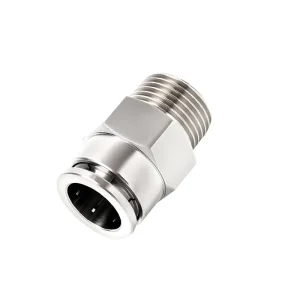
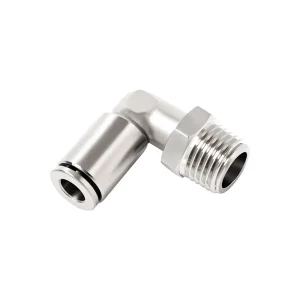
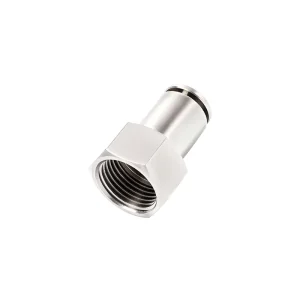
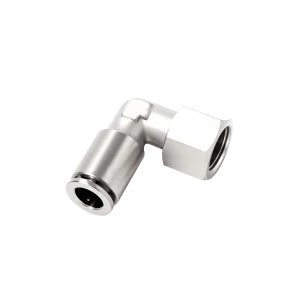
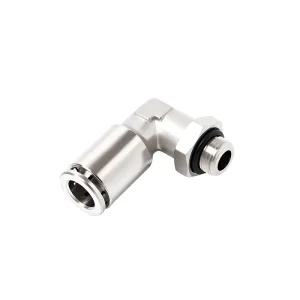
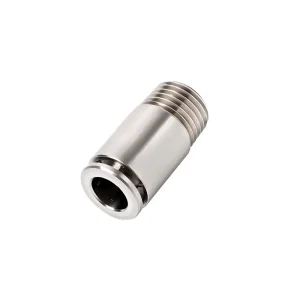
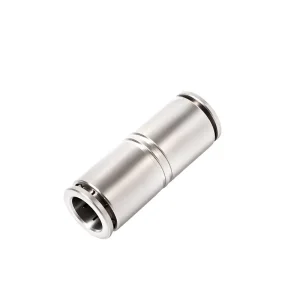
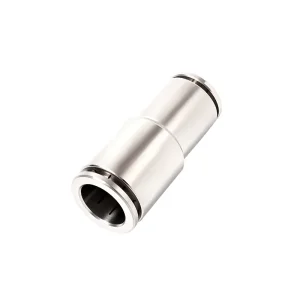
In high-pressure automation environments, fluid and pneumatic integrity is paramount. Push-in fittings (often referred to as push-to-connect fittings) represent a major evolutionary step in fluid power engineering. By eliminating the need for complex flaring, threaded prep, or chemical bonding agents, push-in mechanisms reduce system-wide failure rates, simplify routing, and cut labor install costs by up to 75%.
At the core of this technology is an intricate mechanical design comprising an internal lock claw (typically constructed from high-tensile stainless steel or brass), a flexible release sleeve (polyoxymethylene or POM), and a high-durometer elastic sealing ring (NBR, FKM, or EPDM). When a calibrated pneumatic tube (such as polyurethane or nylon) is inserted, the lock claws grip the outer diameter of the tubing, while the internal O-ring establishes a gas-tight seal that automatically adjusts under operational pressure. Nuoheng Pneumatic Machinery (NHPC) leverages over 15 to 20 years of precision engineering experience to optimize these tolerances, guaranteeing zero-leakage pathways up to 1.5 MPa.
From initial pipeline design to automated production, we deliver vertically integrated engineering solutions.
We analyze system-wide pressure losses, fluid compatibility, and temperature fluxes to deliver custom pipeline configurations. This engineering support helps reduce global material waste and guarantees an optimized total cost of ownership (TCO) for automated machinery.
Our facility houses high-precision CNC multi-spindle lathes, high-output plastic injection molding equipment, automatic assembly machines, and automated stamping lines. We enforce strict geometric tolerances to ensure that each fitting meets exact specification requirements.
We pride ourselves on offering rapid-response technical consultation, standard CAD configuration downloads, and expert troubleshooting. From material testing in the laboratory to on-site implementation audits, our team supports your operations throughout the system life cycle.

Optimizing pneumatic routing to reduce pressure drops and eliminate dynamic turbulence in critical loops.
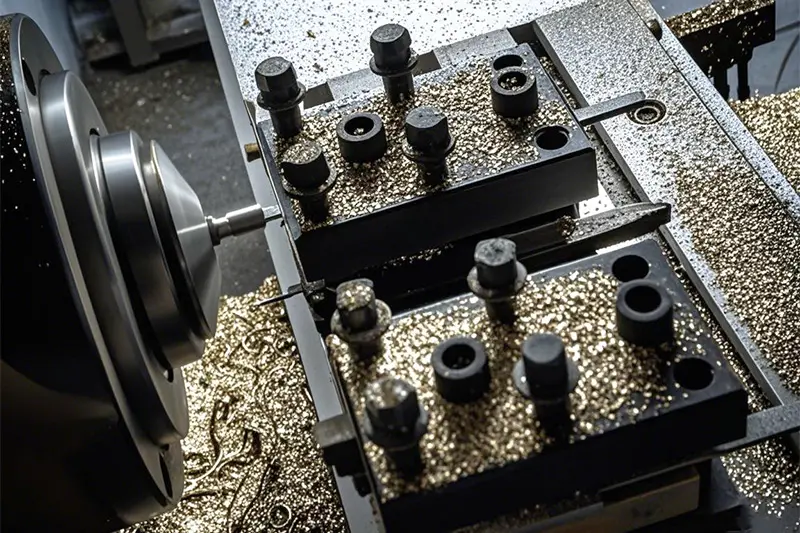
Ultra-precise metal cutting and thread rolling to achieve strict leak-tight dimensional tolerances.

Rigorous burst pressure and leak-rate testing under extreme physical and environmental simulations.
For modern industrial purchasing departments, maintaining a steady, uninterrupted flow of components is critical. Located in Zhuji, China, the NHPC manufacturing campus implements a modern Smart Factory 4.0 methodology designed to buffer clients against global supply-chain disruptions. By blending automation with deep vertical integration, we control the entire lifecycle of our push-in fittings—from raw chemical compound selection and metallurgical alloy processing to final product testing and logistics packaging.
Our internal operations utilize a digital Manufacturing Execution System (MES) to monitor production runs in real time. This system ensures trace documentation for every batch of H59-1 brass, stainless steel, and flame-retardant polymers. By managing raw material sourcing, automated CNC machining, and high-speed injection molding within a single facility, we eliminate third-party delays and ensure stable pricing dynamics. This operational control allows us to scale production efficiently, whether providing custom runs for specialty automation setups or high-volume standard fittings for global distributors.
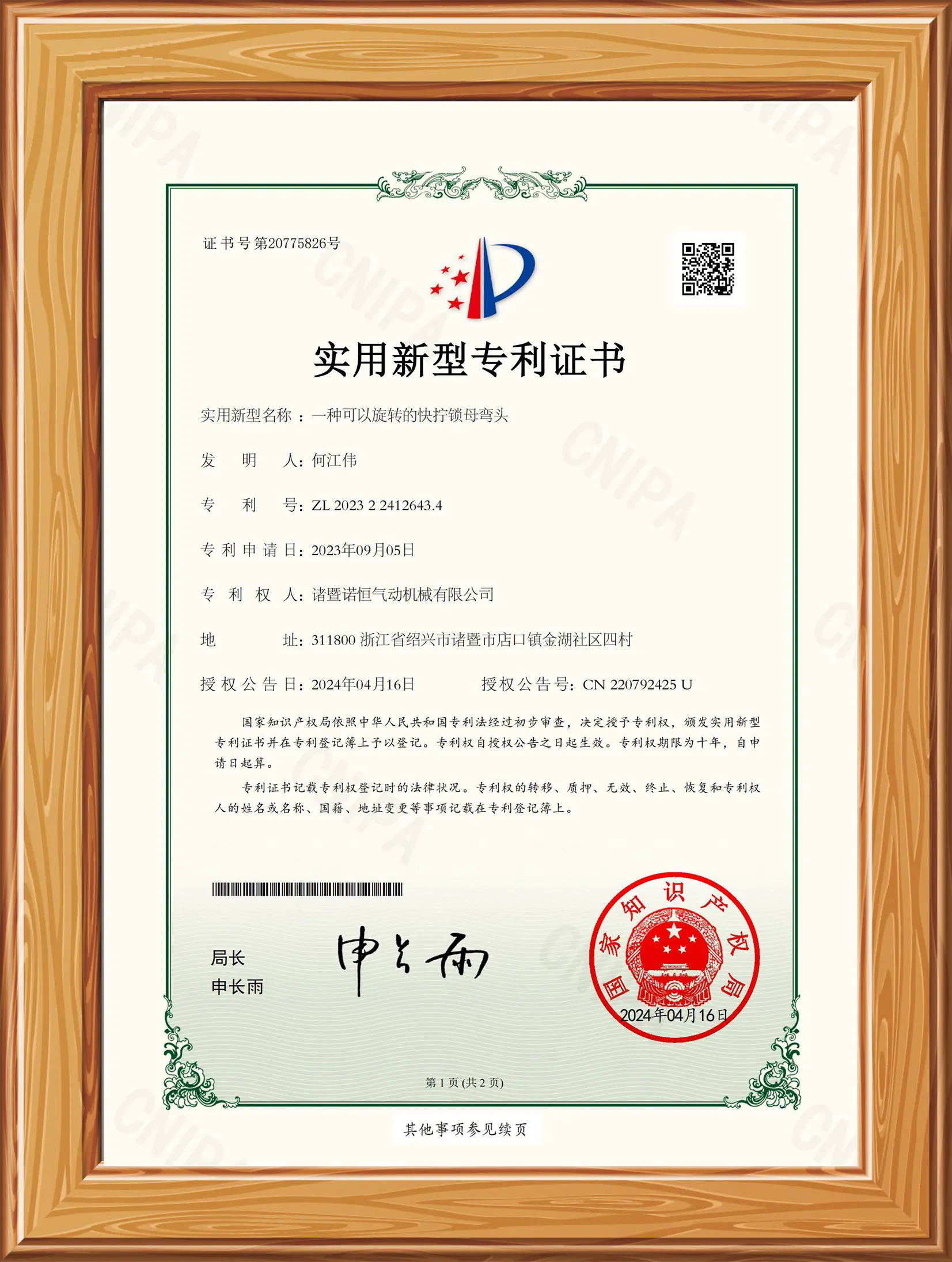
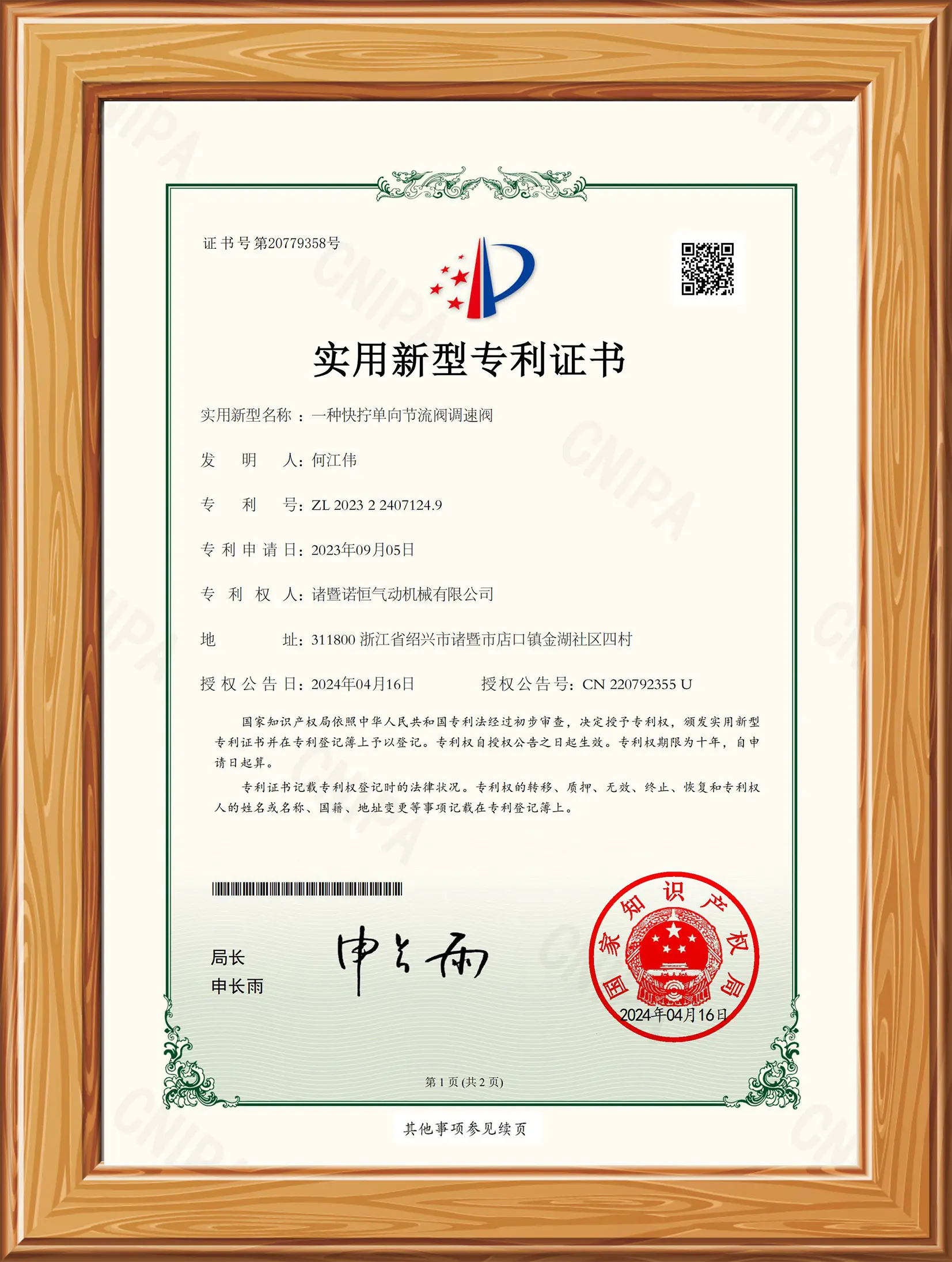
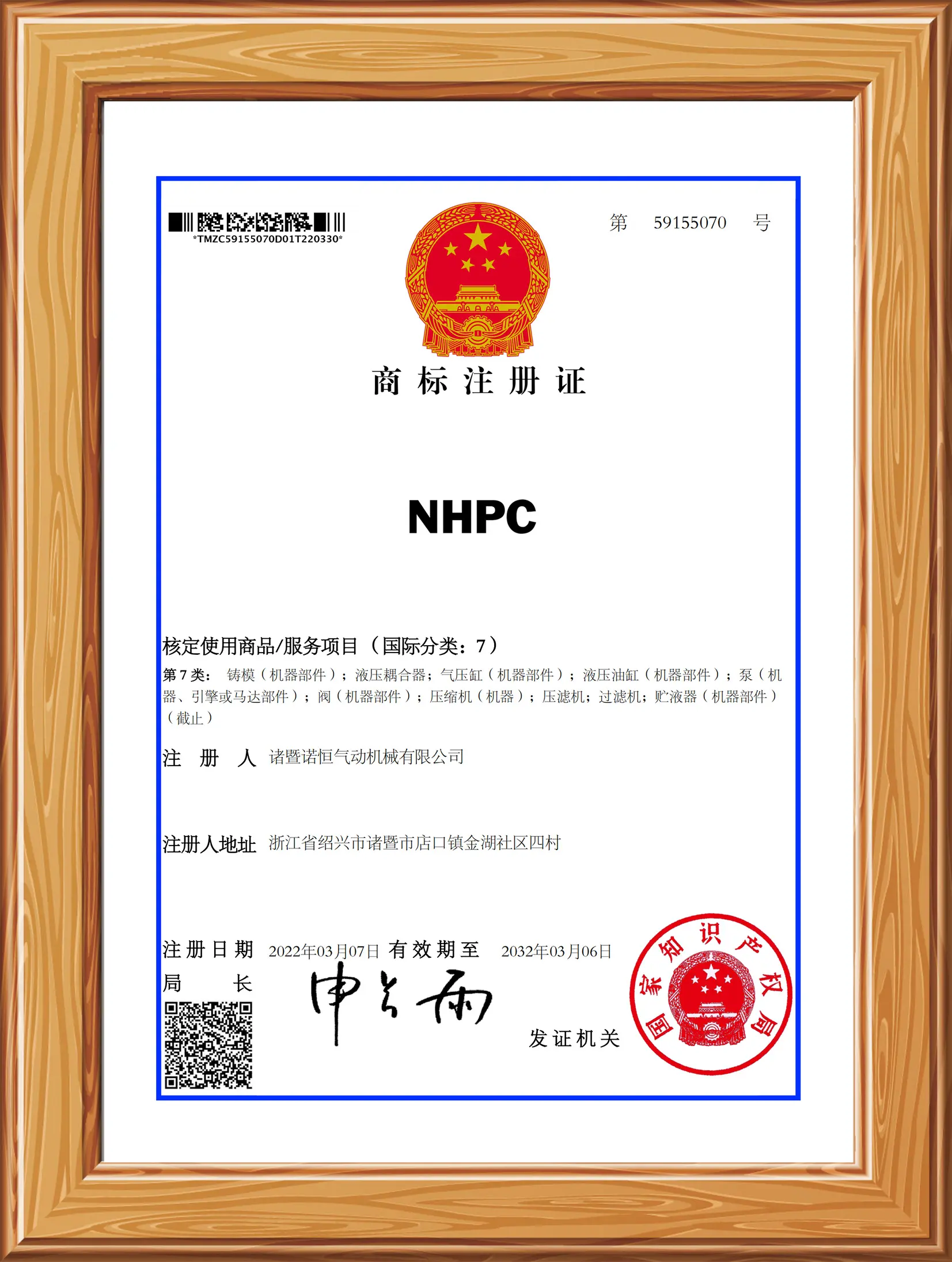
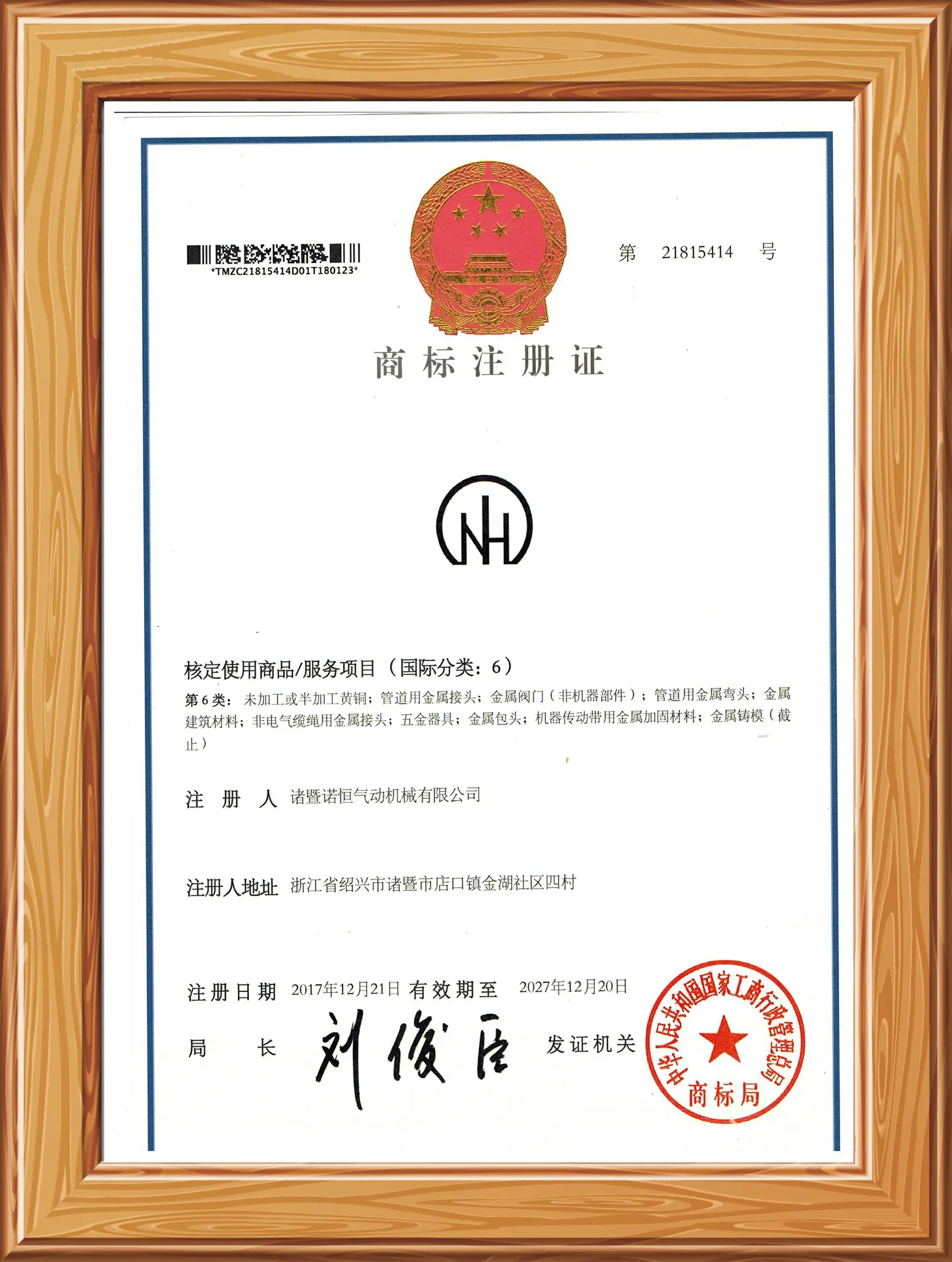
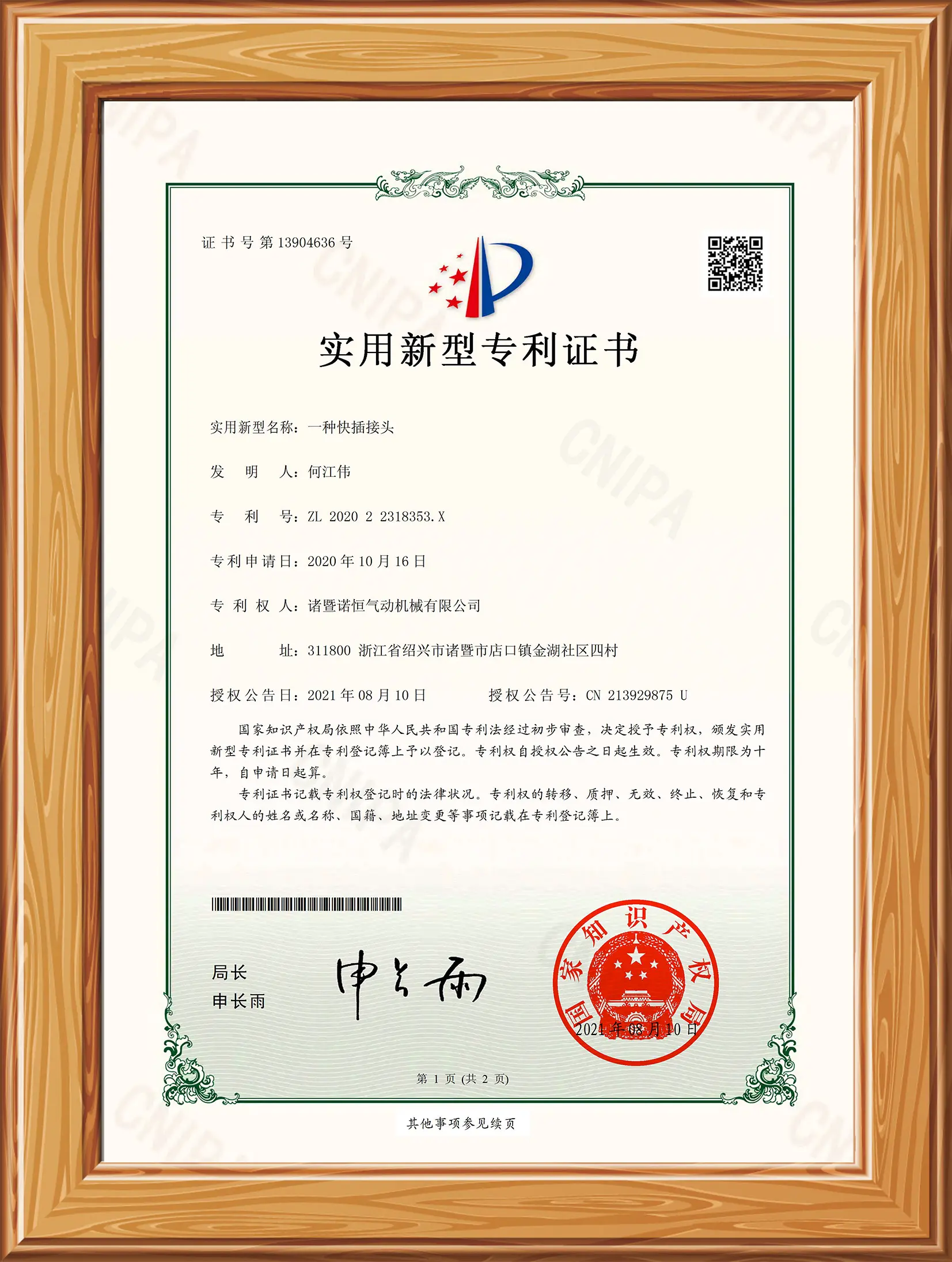
Our processes are certified under strict international quality guidelines to ensure compliance with demanding industrial regulations.
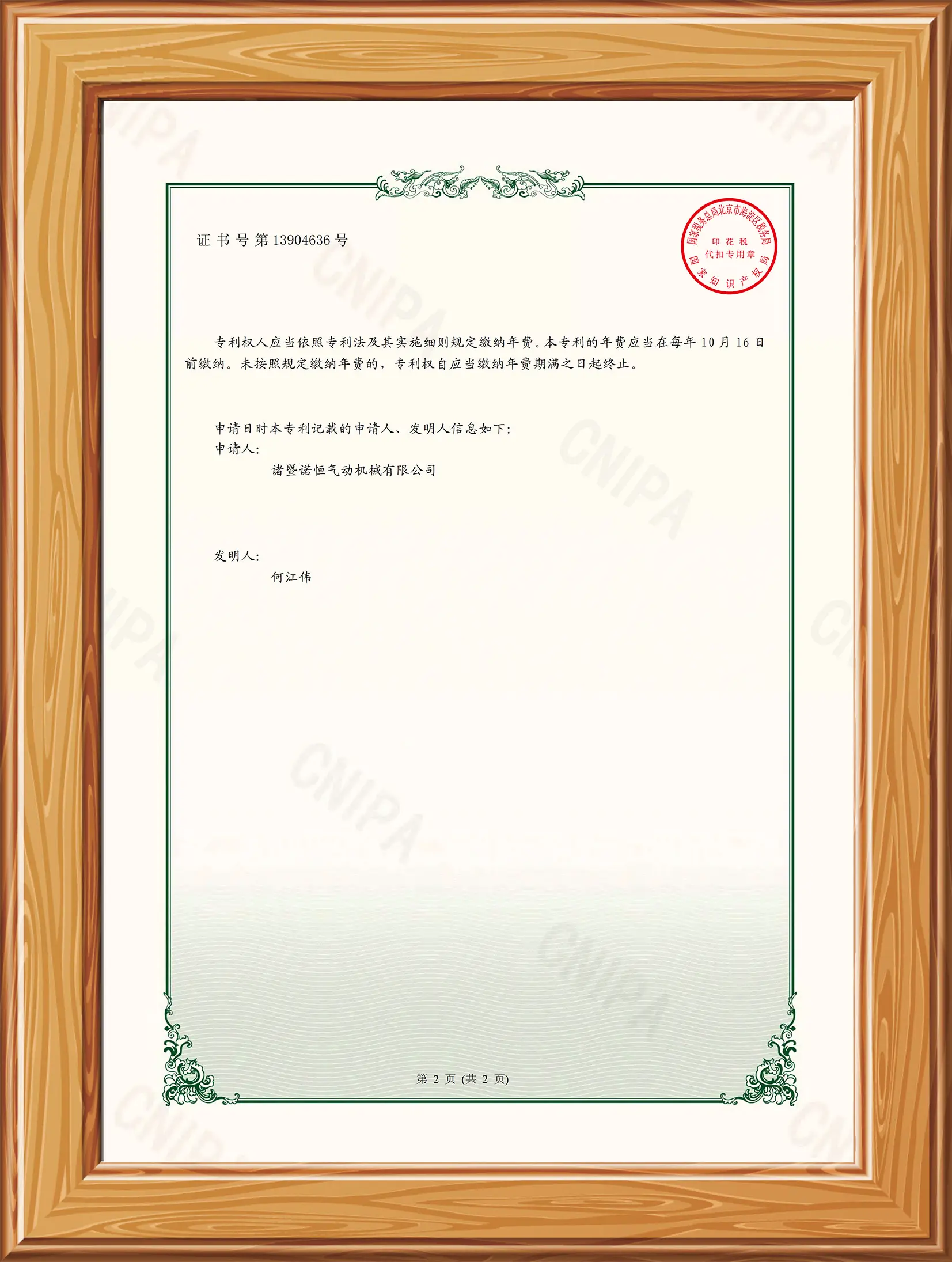
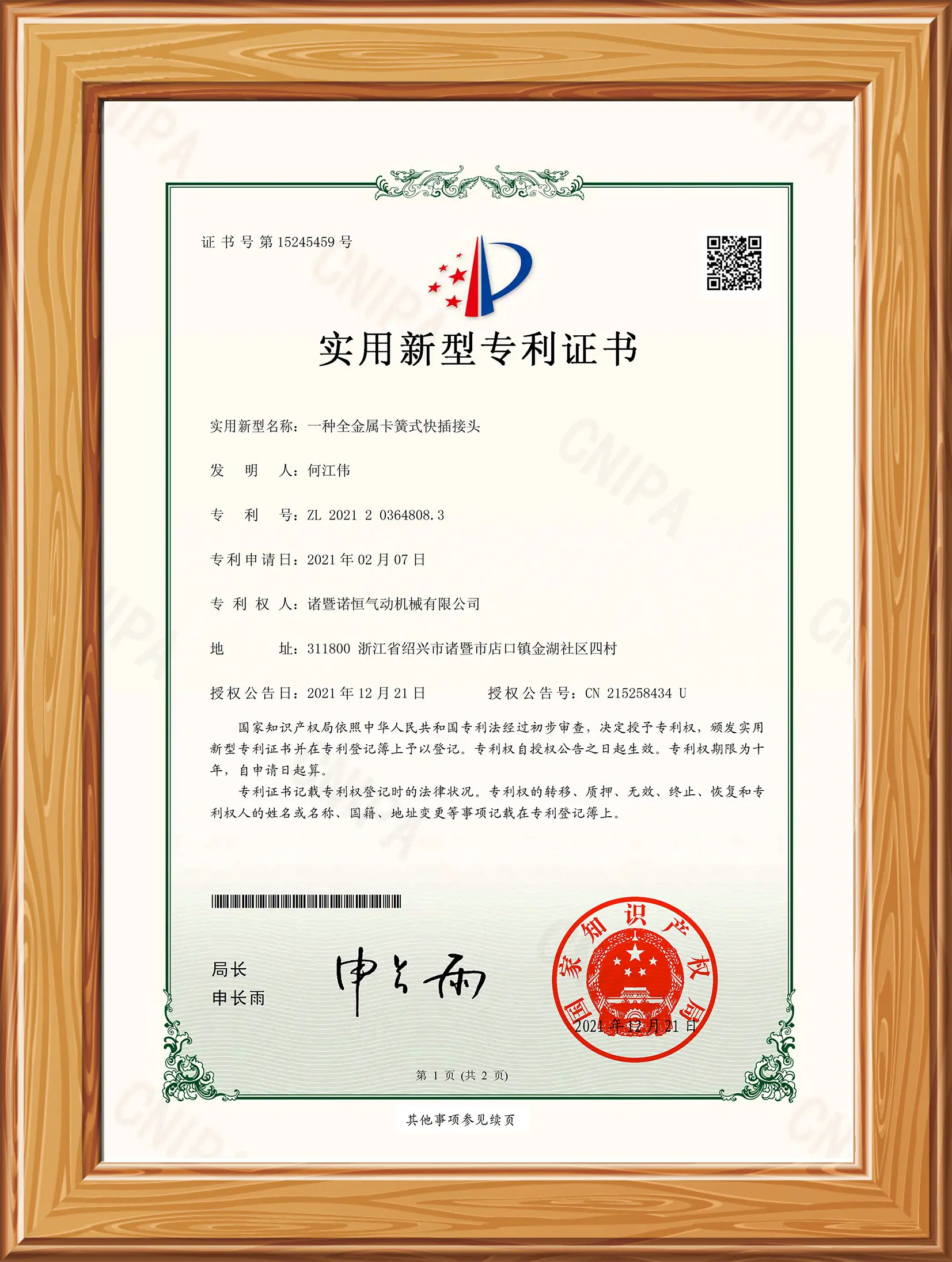
How NHPC fittings are optimized for specialized industrial demands across global sectors.
Energy storage systems require strict safety standards. NHPC's flame-retardant push-in fittings (including the specialized PLF, PE, and PC fire-protection configurations) are manufactured from V-0 rated self-extinguishing polymers. These materials prevent combustion and maintain pressure containment during critical thermal runaway containment protocols.
Over-the-road vehicles demand heavy-duty, certified pneumatic systems. Our **DOT-approved brass push-in fittings** are engineered to withstand continuous engine vibration, wide temperature variations, and road debris. The mechanical lock sleeve prevents accidental disconnection, ensuring reliable performance in safety-critical vehicle braking systems.
In high-speed assembly and packaging applications, minimizing weight and cycle times is key. NHPC's composite push-to-connect components help lower total system weight, reduce actuator inertia, and improve positioning accuracy. They provide reliable sealing over millions of operating cycles with minimal maintenance overhead.
| Fitting Material Series | Primary Target Media | Working Pressure Range | Operating Temperature | Key Performance Attribute |
|---|---|---|---|---|
| Composite Polyacetal (POM) | Filtered Compressed Air, Vacuum | -0.99 bar to 10 bar (-29.5 in Hg to 150 PSI) | 0°C to 60°C (32°F to 140°F) | Lightweight, quick-disconnect sleeve, cost-effective |
| Nickel-Plated Brass | Air, Water, Low-Pressure Fluid Systems | Up to 15 bar (220 PSI) | -15°C to 120°C (5°F to 248°F) | Chemical resistance, anti-corrosion coating, mechanical robustness |
| V-0 Flame Retardant Polymer | Energy Storage Coolants, Industrial Air | 0 to 12 bar (175 PSI) | -10°C to 80°C (14°F to 176°F) | Self-extinguishing, UL94 V-0 compliance, thermal durability |
| DOT Certified Air Brake Series | Vehicular Pneumatic Systems | Up to 1.5 MPa (217 PSI) | -40°C to 100°C (-40°F to 212°F) | Strict Federal Motor Vehicle Safety compliance, anti-vibration grip |
Engineered solutions designed for critical safety applications, energy storage containment, and heavy vehicles.
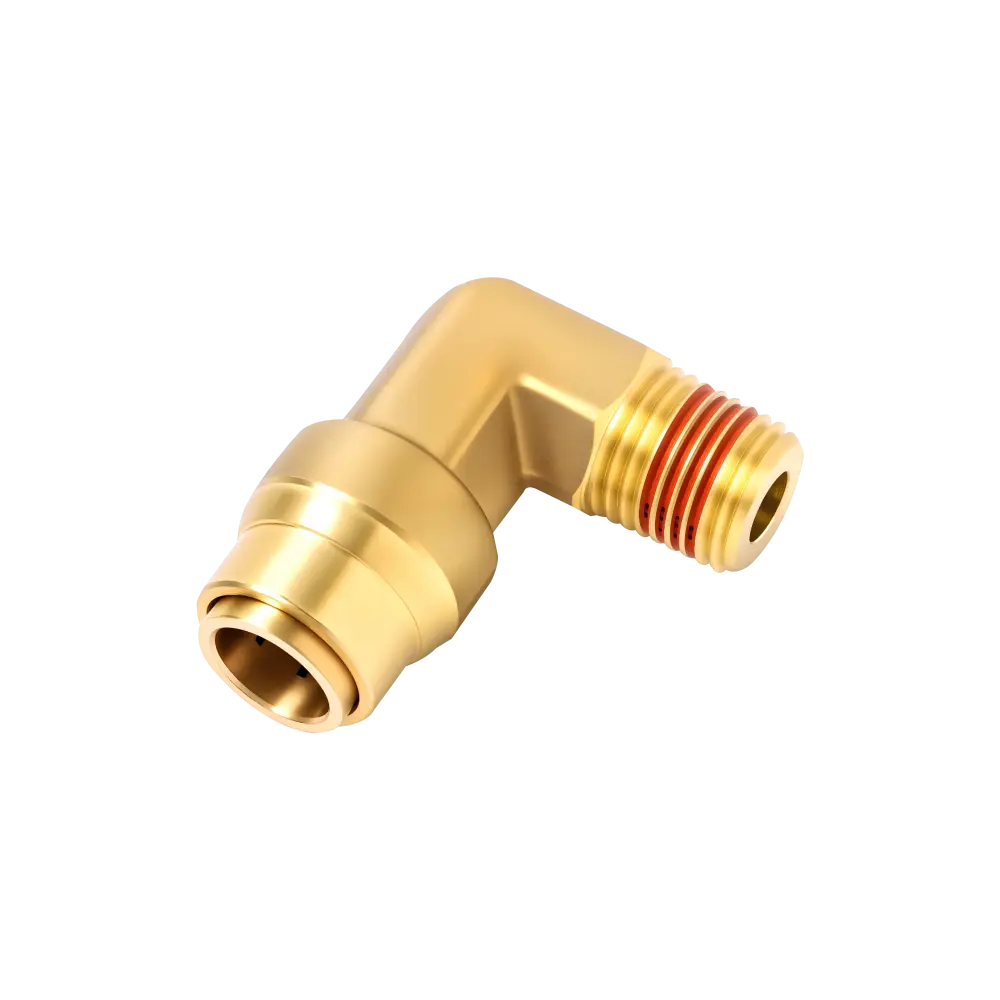
Heavy-duty all-brass construction built for automotive and commercial vehicle pneumatic brake lines.
Inquire Now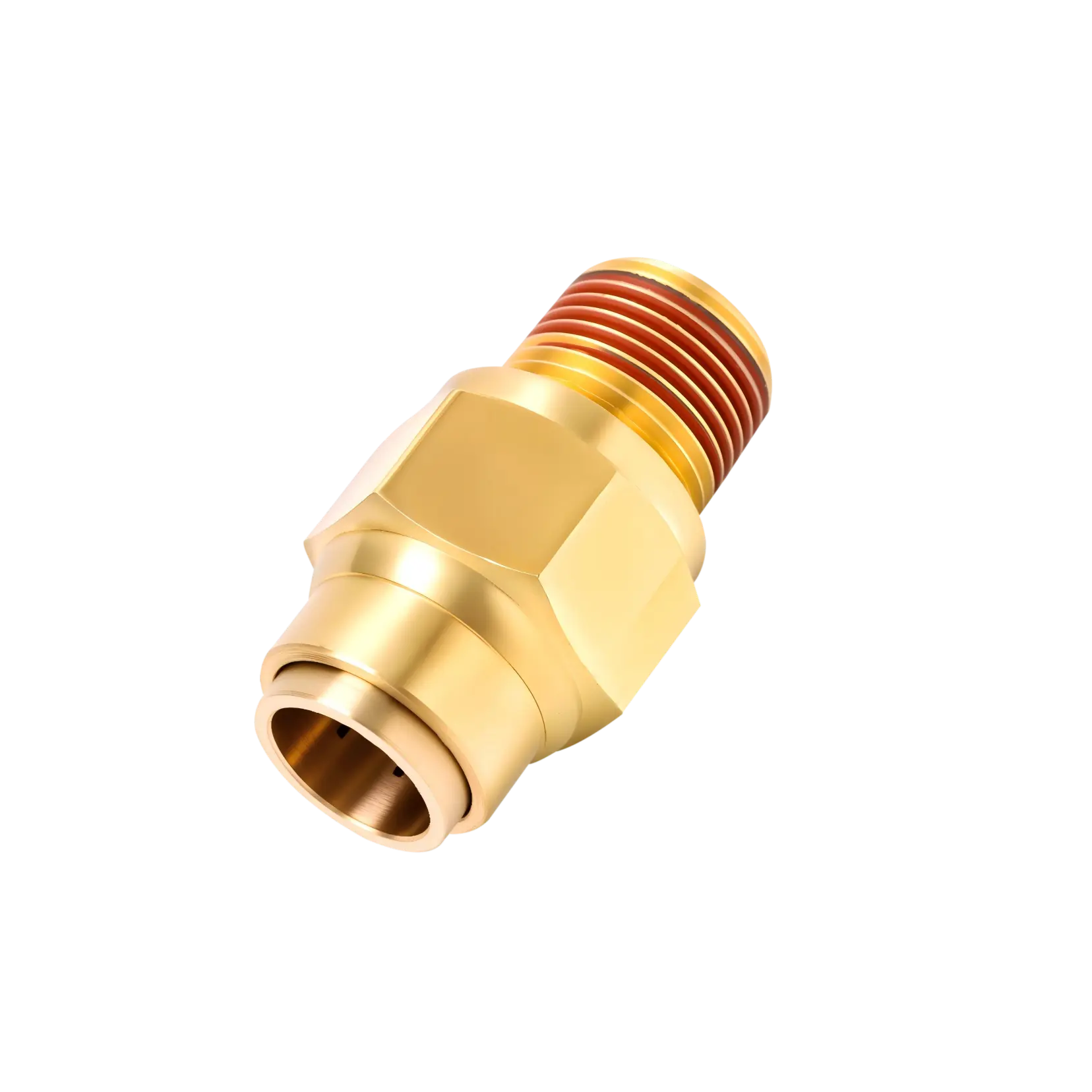
Available in fractional dimensions with strict DOT FMVSS 106 compliance.
Inquire Now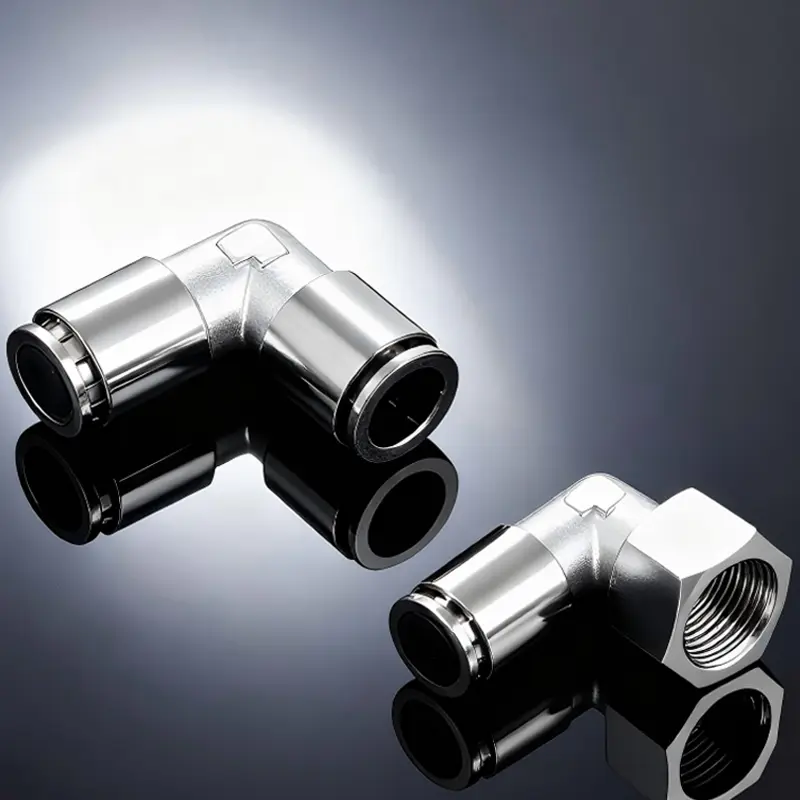
Designed to prevent thermal propagation in battery energy storage setups.
Inquire Now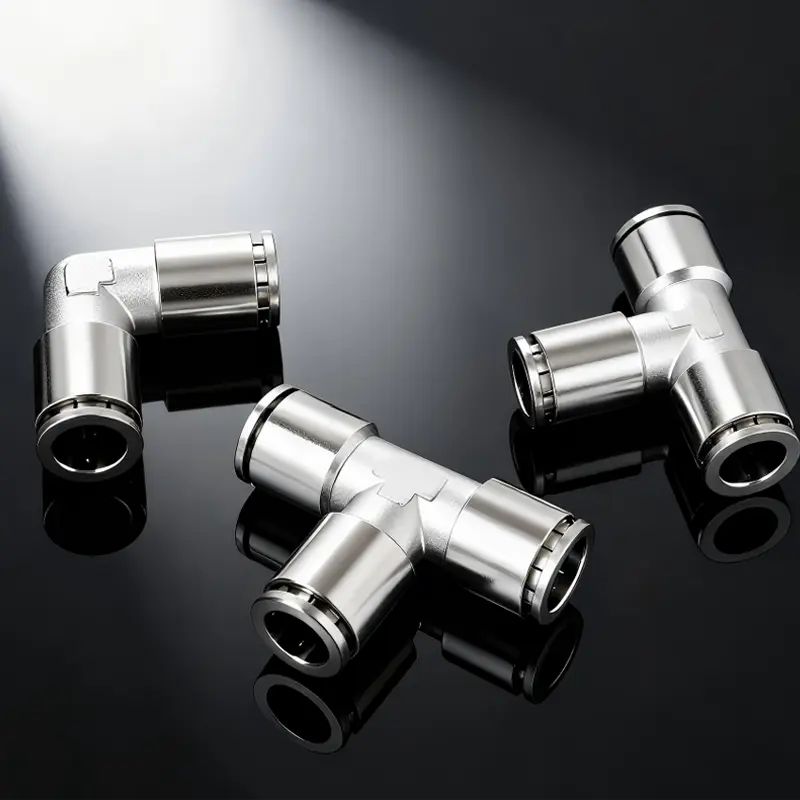
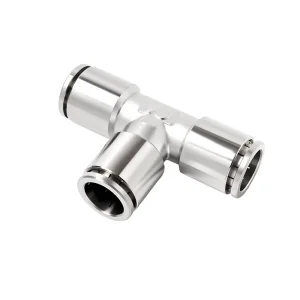
Precision-molded union tee configuration using high-extinction polymers.
Inquire Now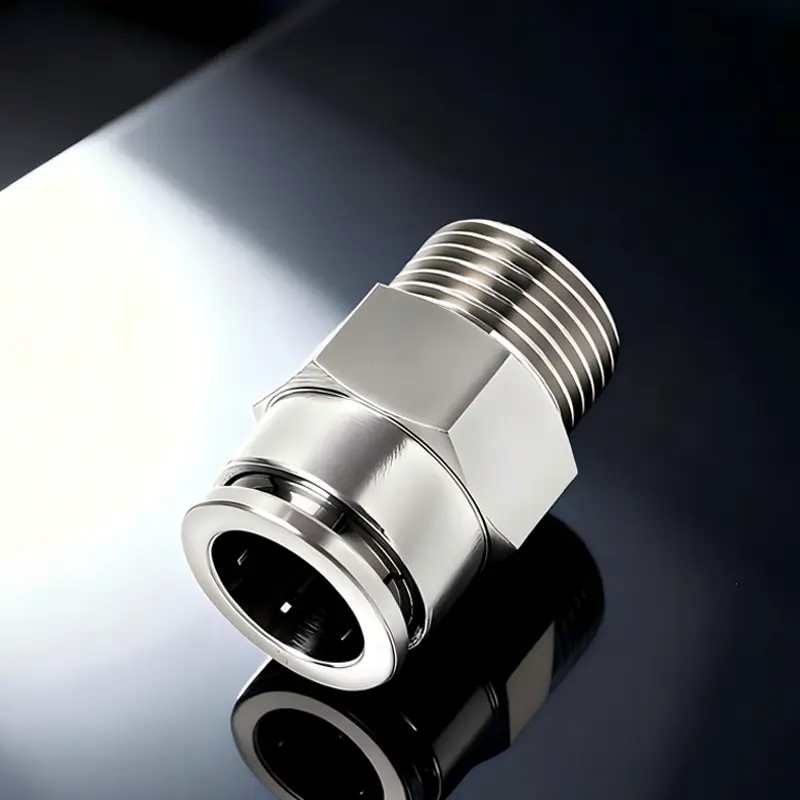
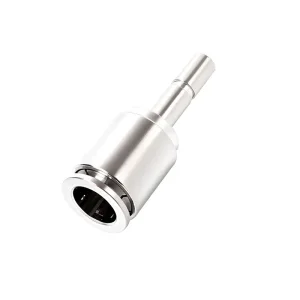
Straight adapter configuration using materials tested for high heat resistance.
Inquire Now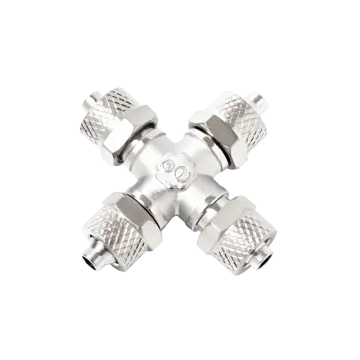
Multi-line connection manifold configuration for routing four lines simultaneously.
Inquire Now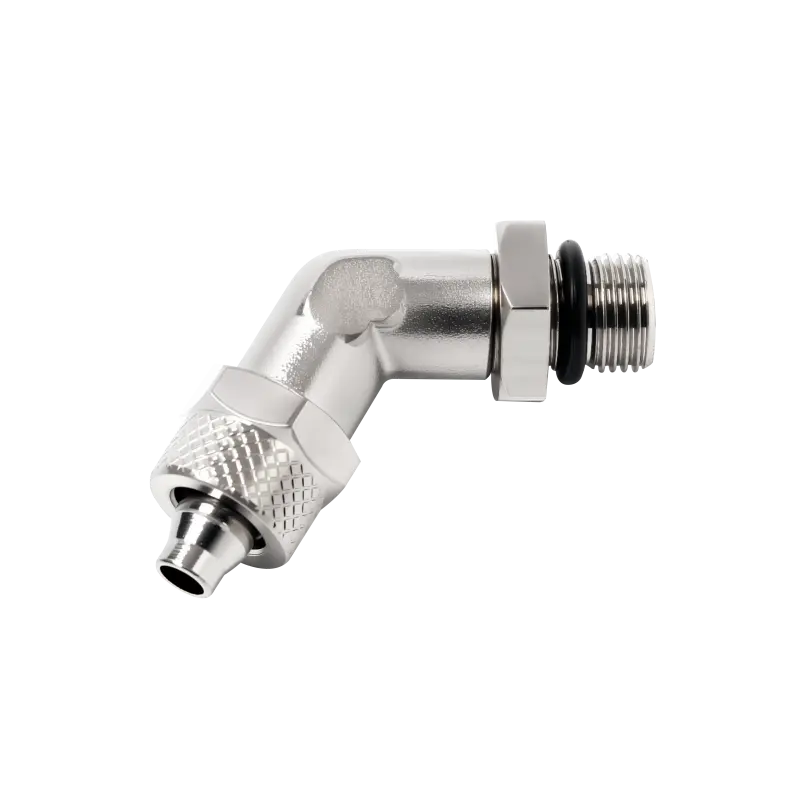
45-degree angle profile with G-thread design for compact packaging spaces.
Inquire Now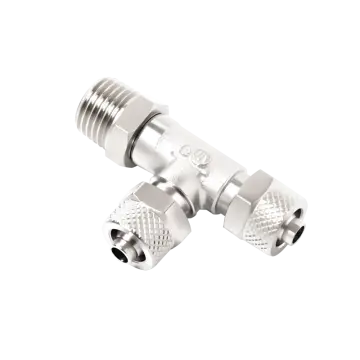
Lateral T-branch design that allows directional routing directly from the manifold port.
Inquire NowSourcing engineering components globally requires strict alignment with regional safety and environmental standards. NHPC ensures full compliance for projects deployed across North America, Europe, and the Asia-Pacific region. Our manufacturing processes adhere to the following international frameworks:
RoHS & REACH Compliance: Every composite, elastomer, and metal surface undergoes regular laboratory audits to verify they are free of hazardous substances, supporting environmental responsibility and smooth customs processing.
ISO 9001:2015 Certification: Our manufacturing plant operates under a structured Quality Management System. This guarantees that all processes—from design verification and incoming inspection to production testing—meet consistent quality benchmarks.
DOT FMVSS 106 Compliance: Our air brake fittings meet the structural, pressure, and environmental requirements mandated by the US Department of Transportation for commercial road vehicles.
To ensure high mechanical performance, our push-in fittings utilize a multi-layered design:
This design protects systems from sudden pressure surges and vibration-induced wear.
How NHPC is adapting push-in fitting technology to support future automation, hydrogen safety, and eco-friendly systems.
We are researching bio-based, recyclable polymers for release sleeves and body components to replace traditional petroleum resins. This initiative helps reduce carbon emissions during manufacturing while maintaining chemical and temperature resistance.
We are investigating the integration of miniature micro-sensors within critical connection sleeves. These sensors detect drop-offs in seal pressure and flag slow leaks via wireless communication, supporting predictive maintenance in automated factory systems.
We are developing high-tensile stainless steel push-in couplers designed for alternative fuel vehicles. These systems require high mechanical strength to handle high working pressures while maintaining a gas-tight seal.
When selecting a supplier for pneumatic fittings, consider these key evaluation points:
Procuring pneumatic components for global production lines requires balancing quality, delivery lead times, and unit cost. Selecting low-cost parts without proper validation can lead to micro-leakages, pressure drops, and unplanned downtime that quickly offsets any initial savings.
At NHPC, we work closely with procurement departments to streamline this transition. We provide access to digital CAD catalogs, material data sheets, and certification documents to simplify engineering review. By combining vertical integration with raw material inventory management, we maintain stable production lead times and protect our partners from market price fluctuations.
Explore our additional series of high-quality pneumatic components.
Detailed answers to common technical queries regarding installation, material selection, and operational specifications.
Our standard composite polymer fittings are rated for a working pressure range of -0.99 bar to 10 bar (150 PSI) at room temperature. They can withstand short-term pressure spikes up to 15 bar during system testing. For applications requiring consistent pressures above 10 bar, we recommend using our nickel-plated brass or all-brass series, which are rated up to 15 bar (220 PSI) depending on the tube material.
Yes, all NHPC standard products comply with European RoHS (Restriction of Hazardous Substances) and REACH directives. We audit our materials to ensure they remain within compliant thresholds, facilitating customs clearance and matching environmental standards for global projects.
Yes, our fittings are compatible with both Polyurethane (PU) and Nylon (Polyamide) tubing. However, the outer diameter tolerance of the tubing must meet standard specifications (typically within ±0.1mm) to ensure a secure grip and a reliable seal. Nylon tubing is stiffer and better suited for higher pressures, while PU tubing is more flexible and ideal for tight routing.
Our specialized fire-protection fittings (including the PLF, PE, and PC series) are molded from V-0 rated polymers. Under UL94 testing, these materials extinguish flame propagation within 10 seconds of source removal and prevent flaming drips. This property makes them suitable for use in electric vehicle thermal management and stationary battery energy storage systems.
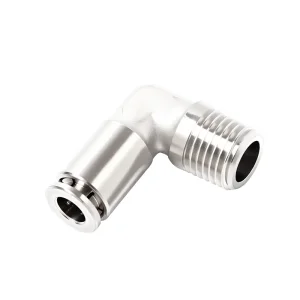
Yes, our threaded elbow and tee fittings feature a swivel design that allows the body to rotate 360 degrees relative to the threaded stud. This flexibility simplifies alignment during installation and reduces mechanical stress on the tubing. Note that this swivel feature is intended for positioning during setup, not for continuous rotation during operation.
Our DOT-certified fittings are designed to meet FMVSS 106 requirements for automotive braking systems. They feature an all-brass construction with robust internal support structures that resist vibration, thermal cycling, and road debris, ensuring reliable performance in safety-critical vehicle applications.
 Nuoheng