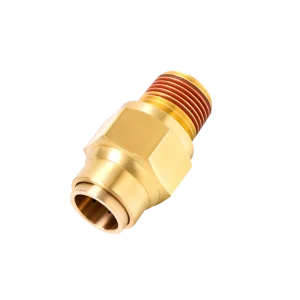
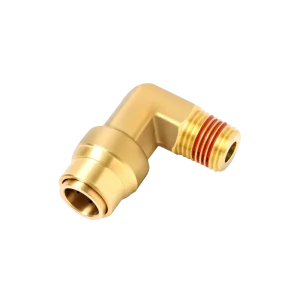
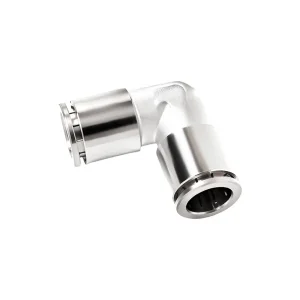
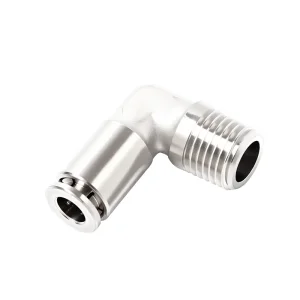
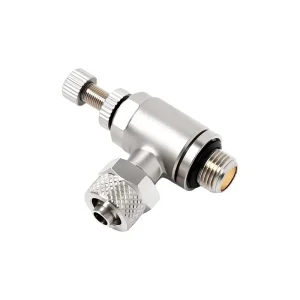
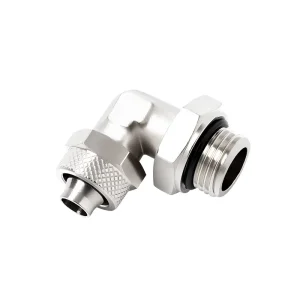
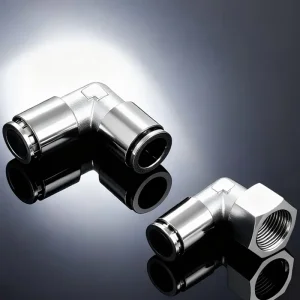
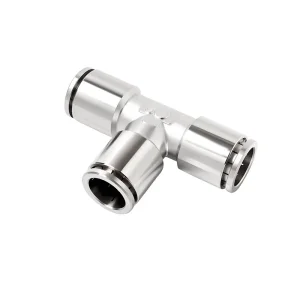
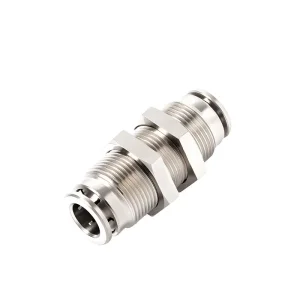
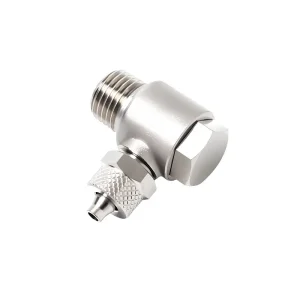
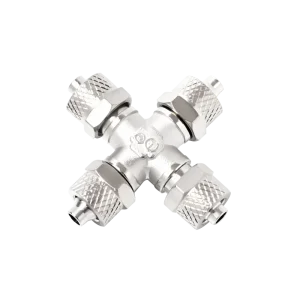
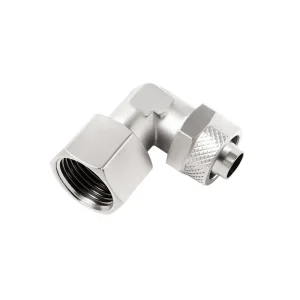
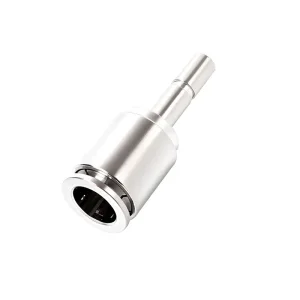
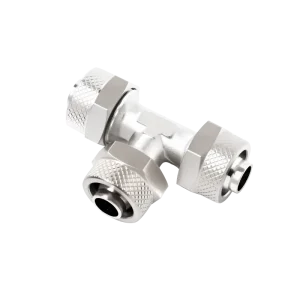
Explore our engineered lineup of precision brass air brake line connections, high-performance rotatable threads, and flame-resistant energy storage fire protection interfaces.
Fully certified to FMVSS 106 and SAE J1131 standards, ensuring our connectors withstand extreme temperature, pressure, pull-out force, and harsh environmental testing.
Machined using premium CA360/HPb59-1 brass alloys, providing optimal corrosion resistance, mechanical strength, and thread integrity over long operational life cycles.
Engineered internally to maximize pneumatic flow coefficients (Cv value), reducing air pressure drop across long lines and maintaining responsive brake actuator cycles.
| Component Part | Material Specification | Primary Functional Role | Performance Contribution |
|---|---|---|---|
| Fitting Body | CA360 / CA377 Brass (Dezincification Resistant) | Houses internal parts; provides robust system threads (NPT/Metric) | High pressure tolerance, anti-corrosive, durable physical strength |
| Collet / Grab Ring | Stainless Steel 301 / Phosphor Bronze Teeth | Secures the OD of the nylon tubing upon insertion | Prevents tube blowouts and resists pull-out forces exceeding 150 lbs |
| Inner Tube Support | Rigid Brass / Engineering Composite | Ensures internal roundness of the tubing under mechanical compression | Maintains optimal seal contact area and prevents structural collapse |
| Sealing O-Ring | High-Grade Nitrile (NBR) or Viton (FKM) | Creates a flexible, dynamic seal along the outer wall of the tube | Leak-proof integrity from -40°C (-40°F) up to +100°C (+212°F) |
| Release Button / Sleeve | Reinforced POM (Polyoxymethylene) / Brass | Allows intentional compression of the collet teeth for tube extraction | Facilitates easy serviceability without damaging internal elements |
Industrial OEMs and tier-1 fleet distributors require more than just reliable brass components; they need stable supply chains. Procurement departments face challenges such as fluctuating raw material costs (especially copper and zinc), shipping delays, and compliance issues when source components internationally.
At NHPC, we address these challenges through integrated supply chain systems. By maintaining a large inventory of raw materials and standard DOT fittings, we protect our clients from market price volatility. Our CNC machining lines run continuously to guarantee short lead times, supporting Just-In-Time manufacturing programs across North America, Europe, and Asia.

Developing custom-engineered pneumatic routing and connections for special vehicle chassis.
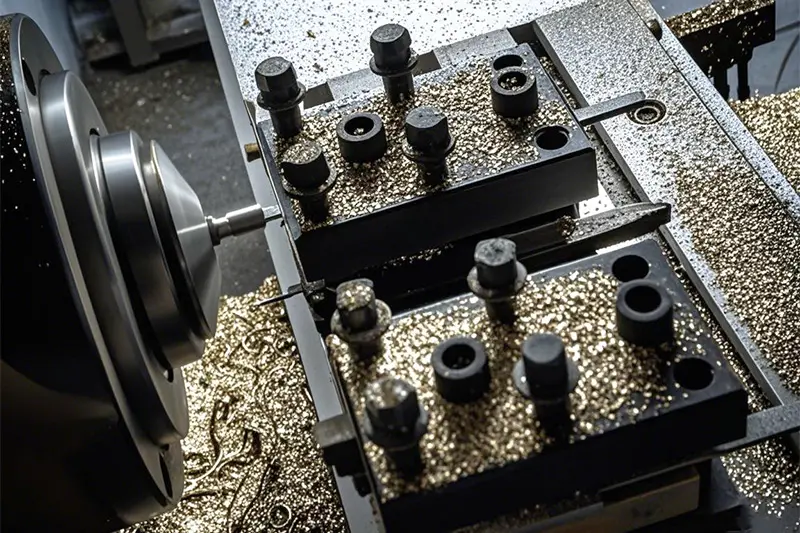
High-precision multi-axis CNC machining centers maintain manufacturing tolerances down to microns.

Dedicated shipping and custom documentation processing for seamless international customs clearance.
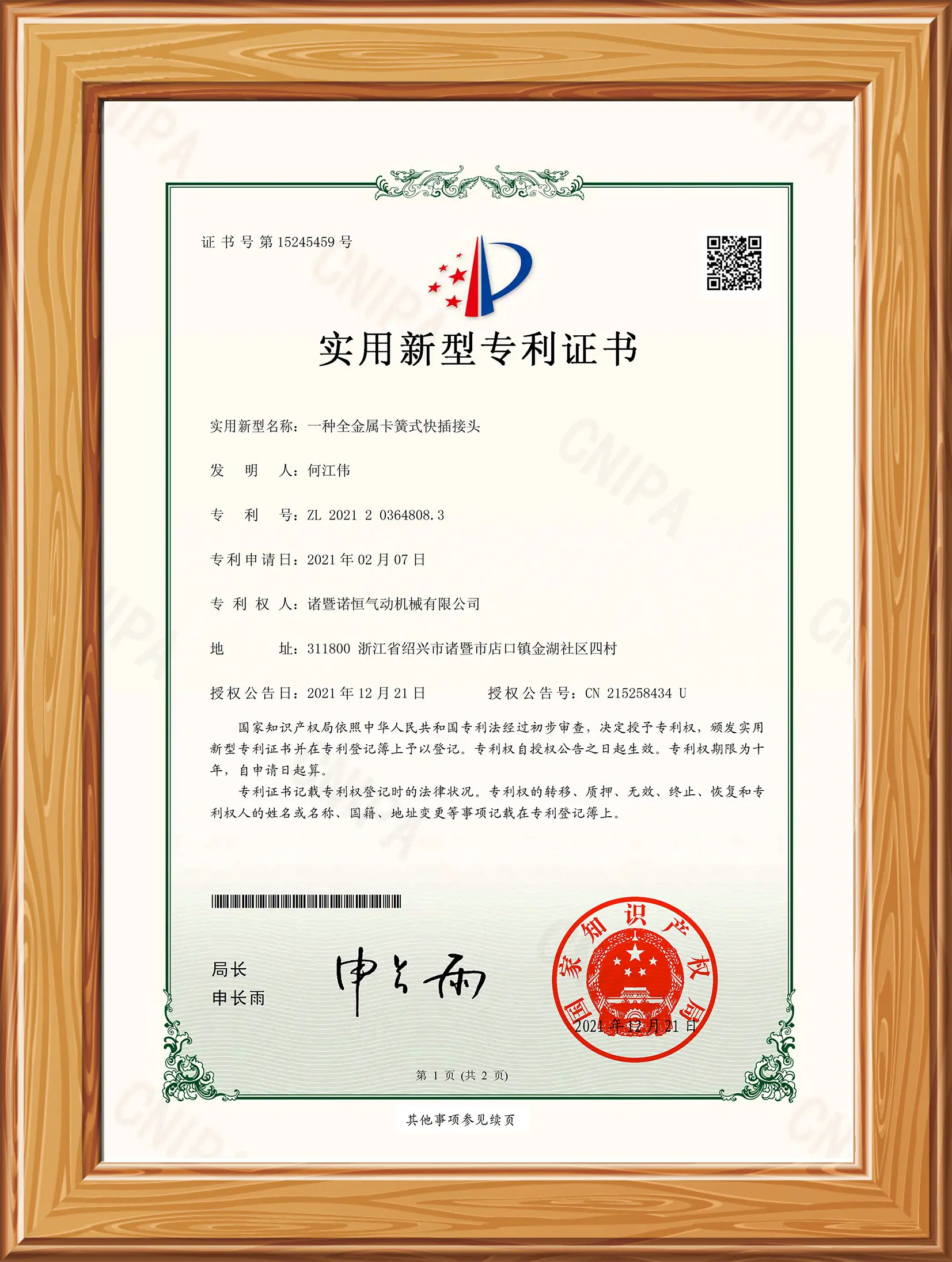
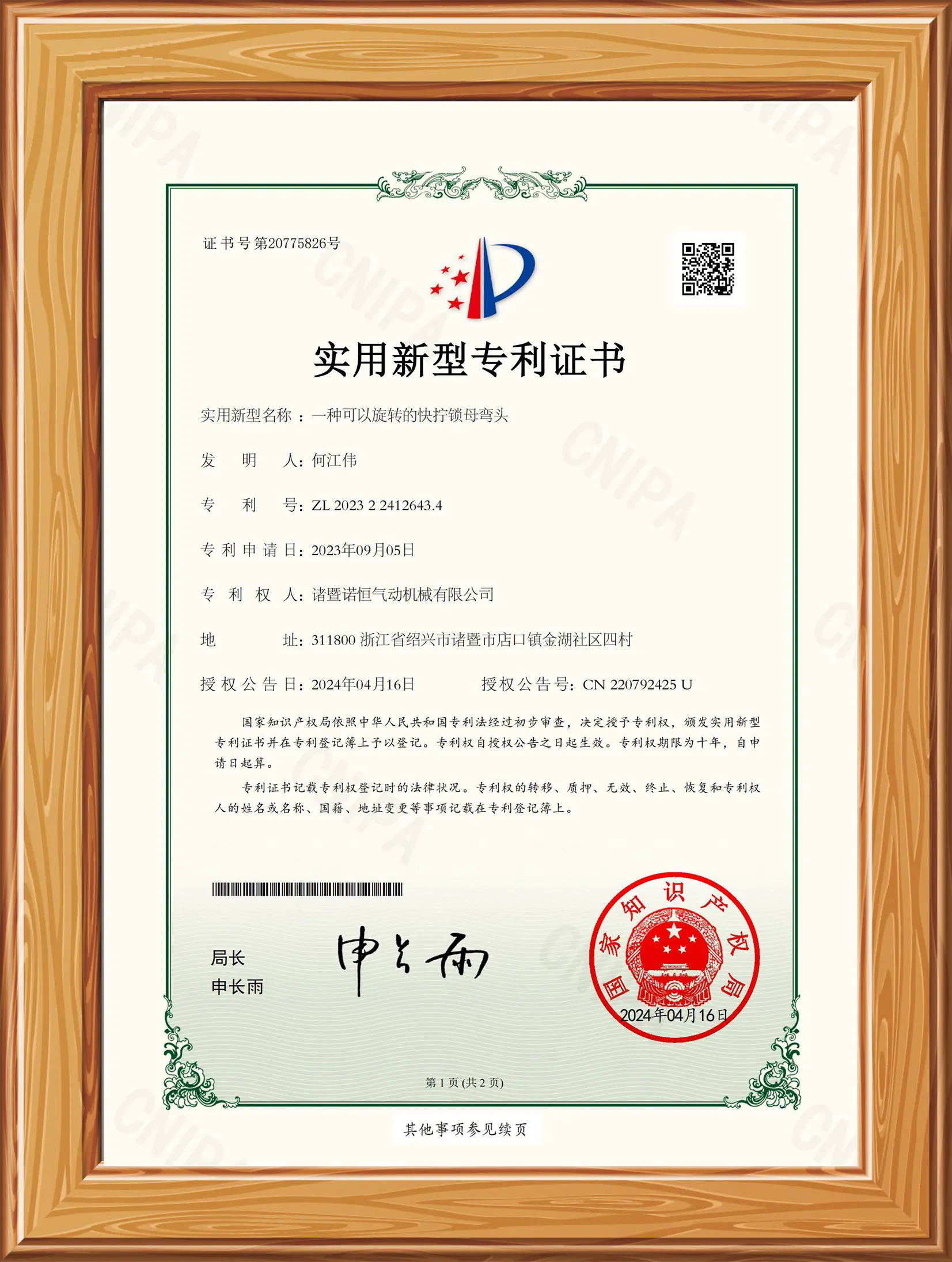
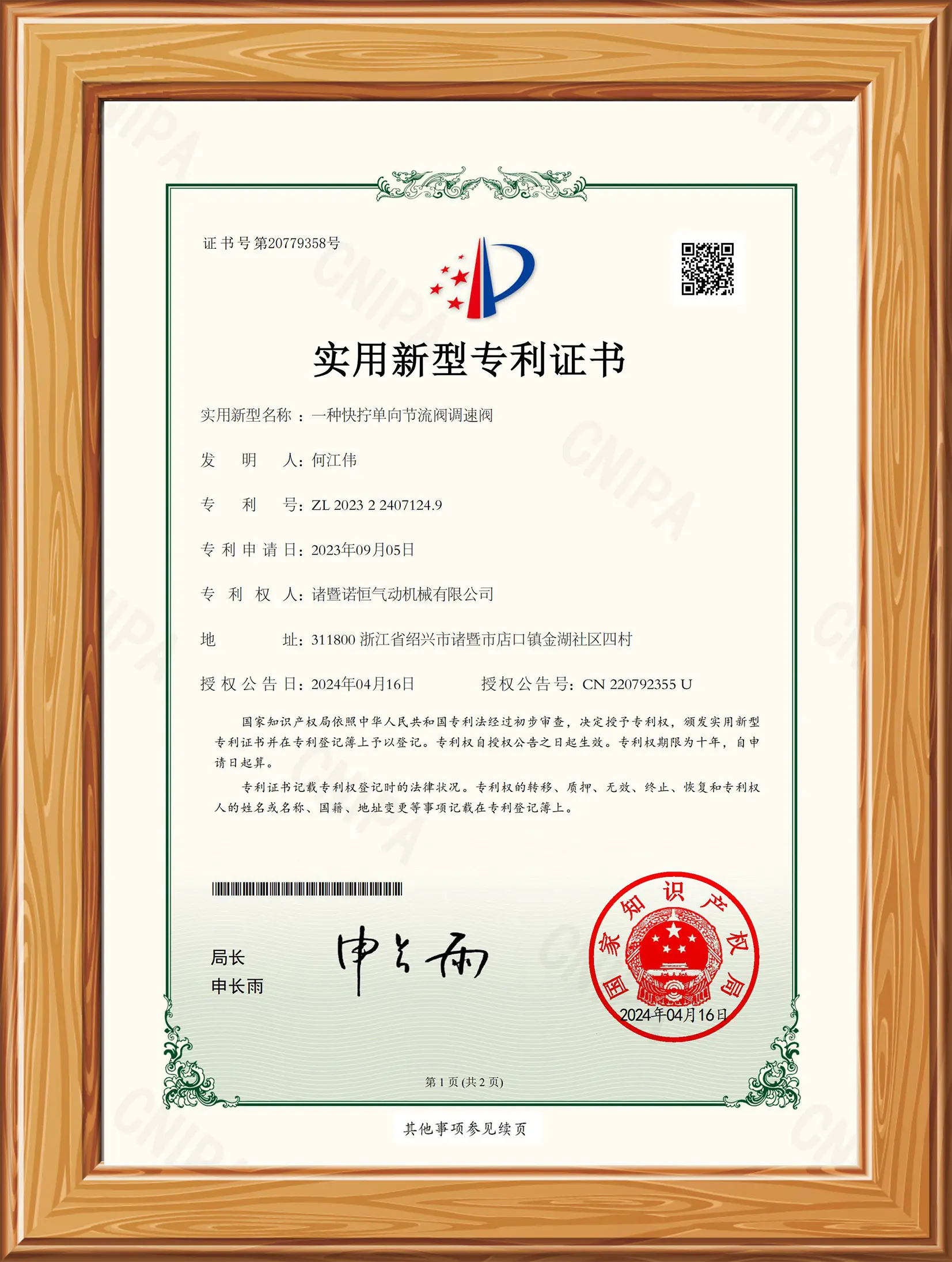
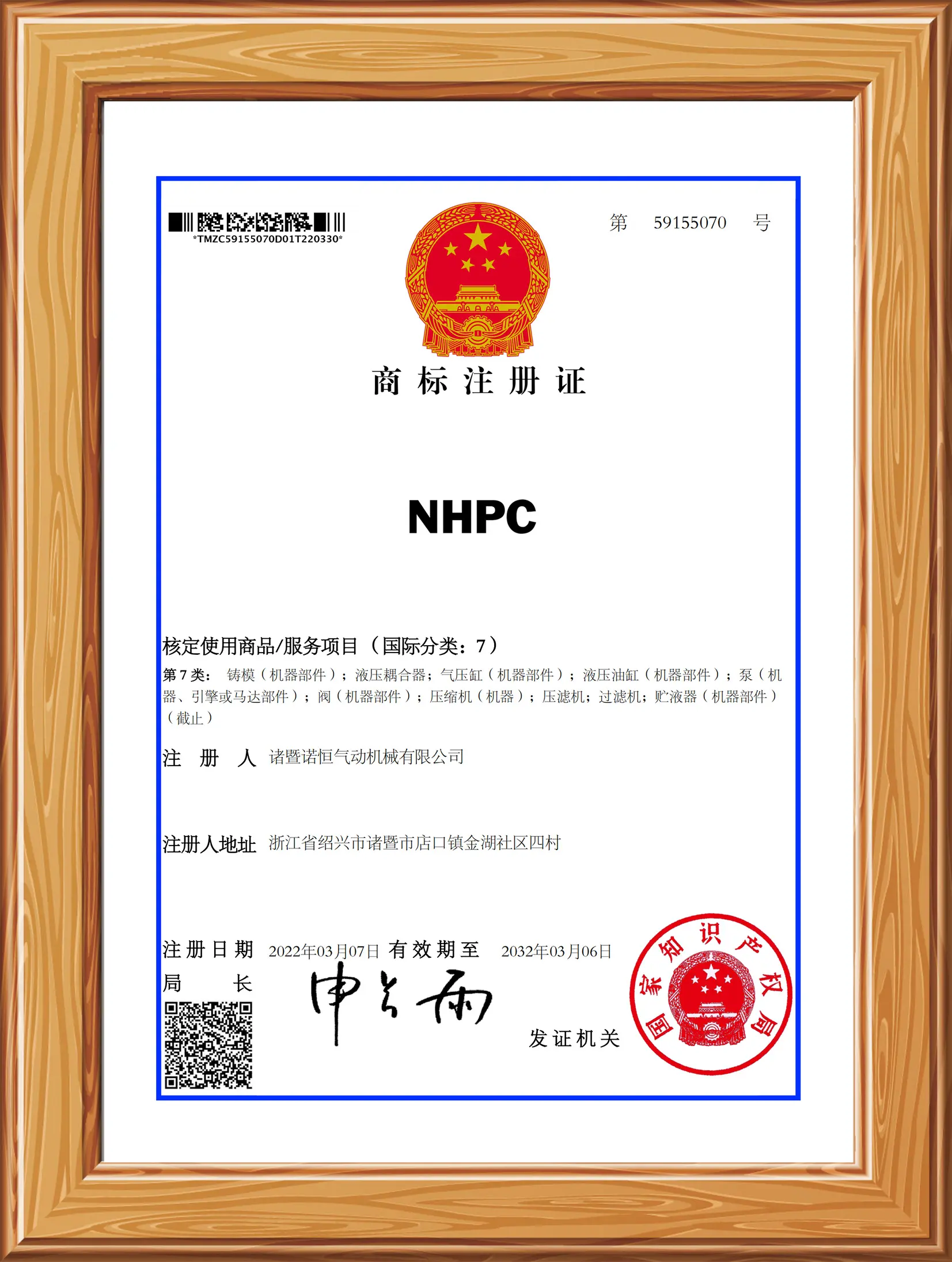
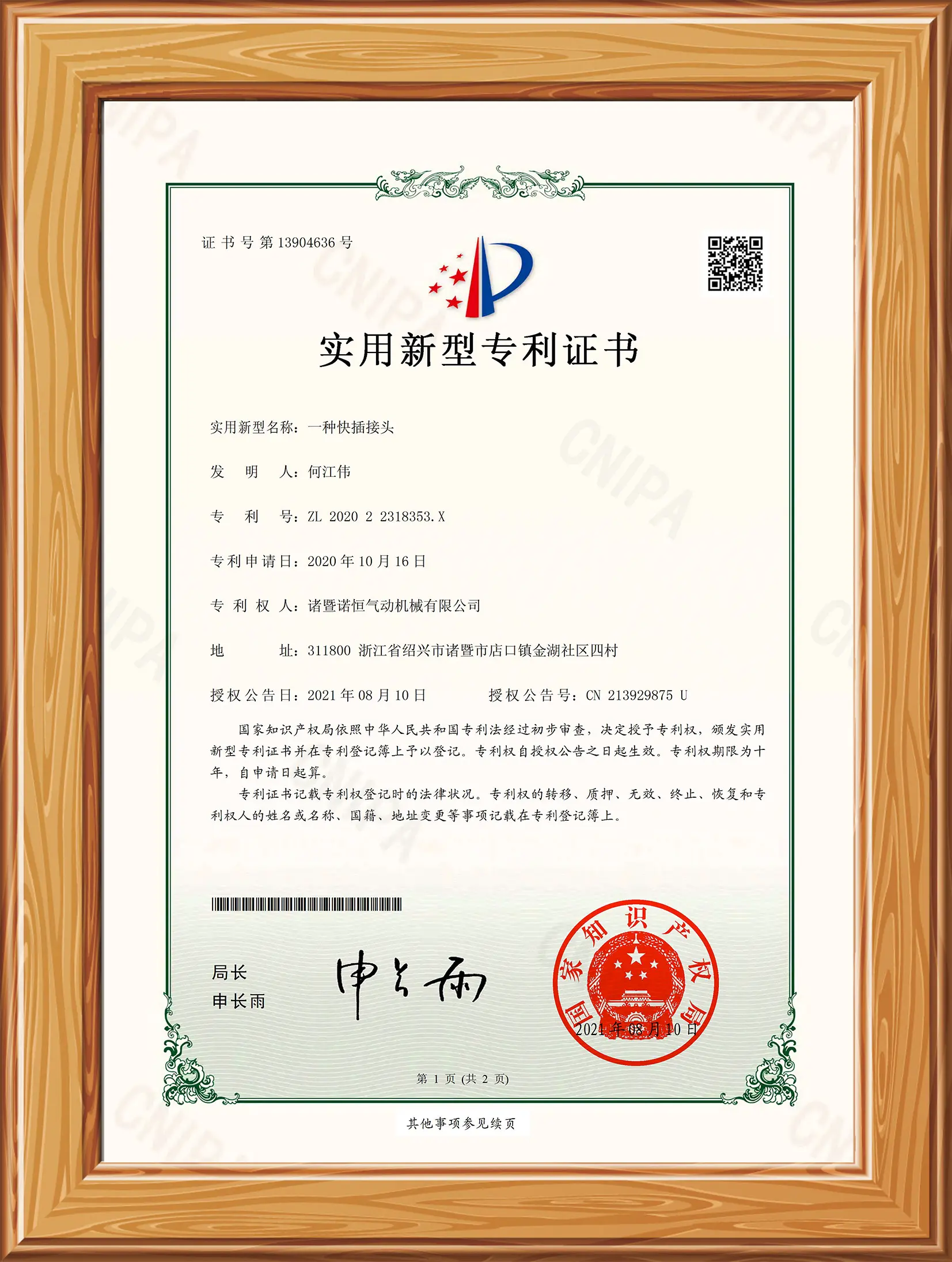
Founded with a vision to develop high-performance pneumatic components, Nuoheng Pneumatic Machinery Co., Ltd. (NHPC) has grown into a trusted partner for OEMs and industrial distributors worldwide. We handle every step of the process—from engineering design and raw material sourcing to CNC machining and final testing.
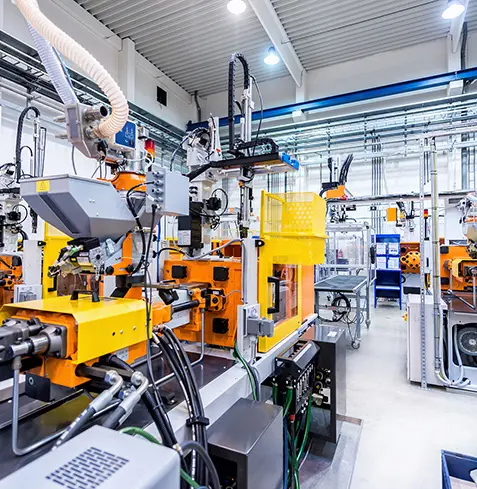
Our state-of-the-art facility features precision surface treatment capabilities, high-speed CNC lathes, injection molding units, stamping stations, and pressure-testing chambers. This integrated manufacturing approach allows us to maintain strict quality control at every stage, ensuring each fitting meets the tolerances required for heavy-duty application.
Environmental regulations like RoHS 3 and REACH are driving the transition to low-lead and lead-free brass (e.g., C46400 or Eco-Brass). NHPC is investing in the tooling and testing protocols required to machine these harder, lead-free alloys. This ensures our global clients remain compliant with evolving regional standards without sacrificing structural strength or thread integrity.
With the growth of predictive maintenance in commercial transport, smart sensors are beginning to be integrated directly into manifold blocks and primary DOT union ports. Our engineering team is currently prototyping sub-assemblies with integrated micro-pressure and thermal sensors. These smart connections can flag leaks or pressure drops and report them directly to the vehicle's telemetry system before components fail.
DOT-compliant fittings must adhere strictly to FMVSS 106 and SAE J1131 regulatory parameters. This means they are rated to withstand extreme tensile pull tests, vibration cycles (ranging from 10Hz to 50Hz), high-temperature environments, and chemical resistance tests. Standard pneumatic connectors are generally not rated for these extreme vehicle operating environments and should not be used in primary vehicle brake lines.
Yes, push-to-connect DOT fittings can be reused, provided the body and collet mechanism remain undamaged. When reinstalling, the tubing must be cut squarely with a dedicated tube cutter, and the O-ring should be checked for damage. If the seal shows signs of wear or degradation, the entire fitting assembly should be replaced to ensure system safety.
We use multi-axis CNC lathes and advanced automated manufacturing cells to machine our fittings. Standard manufacturing tolerances are held to ±0.02 mm, which ensures a precise fit between the brass body, collet teeth, and elastomeric seals. All components undergo visual and automated dimension checks to prevent manufacturing defects from leaving the factory.
Non-swivel DOT elbows feature a fixed position relative to the connection thread, offering structural rigidity but requiring alignment during installation. Swivel DOT elbows are designed with a two-piece body that allows the fitting to rotate 360 degrees even after the threads are tightened. This prevents mechanical stress and twisting on the tubing during installation and system routing.
From straight bulkhead designs and cross push-ons to universal elbows and metric adaptors, explore our full catalog of industrial pipeline solutions.
 Nuoheng