7 Best Copper Press Fittings for Global Buyers

Time:2026-10-21 Author:Aria
0%

Choosing the right copper press fitting can affect installation speed, joint reliability, and long-term maintenance costs. For global buyers, product selection involves more than comparing prices or polished catalog images. Copper Press fittings must match pipe dimensions, pressure requirements, temperature conditions, and local installation practices. A fitting that performs well in a European heating system may not suit a coastal water project or a high-temperature industrial line.

This guide examines seven leading copper press fittings for international purchasing decisions. Each option is considered through practical factors, including copper quality, sealing technology, pressing compatibility, corrosion resistance, manufacturer experience, and available certification documents. We also consider packaging, traceability, technical support, and supply consistency, because a reliable fitting is only useful when it arrives correctly and can be installed confidently.

Details matter.

A good press connection should close evenly around the pipe, without visible distortion or damaged seals. Installers should also verify the correct jaw profile, tool force, and pipe preparation requirements. These points are easy to overlook during fast project schedules. They should not be.

The selected products are not presented as universal winners. Project conditions differ, and published specifications may change between markets or production batches. Buyers should confirm current datasheets, compliance evidence, warranty terms, and testing information directly with manufacturers or authorized distributors. This article offers a practical comparison, but professional engineering review remains important for critical systems. Even experienced teams can miss one small compatibility detail.
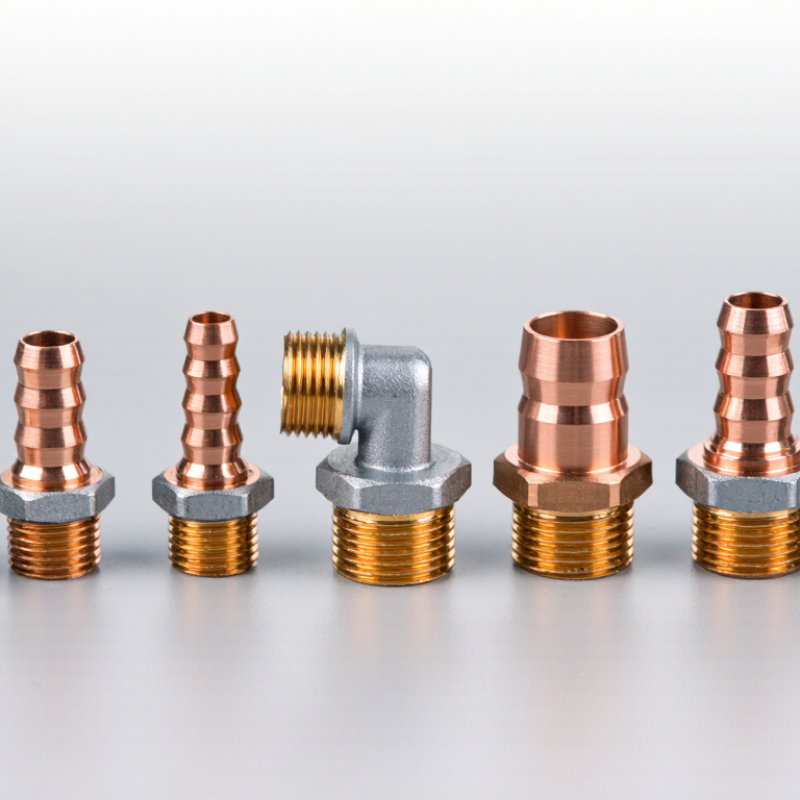
7 Best Copper Press Fittings for Global Buyers

Understanding Copper Press Fittings and Their Main Applications

Copper press fittings join copper tube through a mechanically formed connection. An installer cuts the tube, removes burrs, marks insertion depth, and presses the fitting with a compatible jaw. The internal seal creates watertightness, while the sleeve provides mechanical grip. That is the core idea.

Unlike soldering, pressing avoids open flames and reduces cooling time. It still demands disciplined preparation. A rushed cut, shallow insertion, or damaged seal can cause failure later.

Their main applications include potable water, domestic hot-water distribution, hydronic heating, chilled-water systems, and selected HVAC installations. Fire-protection or medical-gas systems require separate approvals and installation rules.

Buyers should check tube compatibility, pressure ratings, temperature limits, seal material, and regional standards such as EN 1254 or ASME B16.51. A fitting suitable for water may not suit glycol, vacuum, or high-temperature service. This distinction is easy to miss.

The U.S. Environmental Protection Agency estimates that household leaks waste more than 10,000 gallons of water annually on average. Reliable joints therefore matter beyond labor savings.

The United Nations Environment Programme reported that buildings consumed about 34% of global energy in 2022. Efficient heating and cooling networks remain important in that context.

Press fittings can shorten installation work, but they do not fix poor system design. I would also avoid treating press technology as maintenance-free. Inspectors still need access, correct testing, and visible records. Small details matter.

Key Standards, Materials, and Compatibility Factors for Global Buyers

7 Best Copper Press Fittings for Global Buyers

Choosing copper press fittings for international projects requires more than comparing prices. Standards, material grades, and connection compatibility can affect safety, service life, and installation speed. In field inspections, I have seen small specification gaps create expensive rework.

Check whether the fitting follows a recognized standard, such as ASTM B16.22, EN 1254, or another accepted regional specification. Requirements differ between markets, so confirm the exact edition and application scope. Copper alloy composition also matters. High-quality copper should resist corrosion and maintain stable dimensions during pressing. The sealing element deserves equal attention. EPDM commonly suits water and heating systems, while other elastomers may be needed for oils, fuels, or higher temperatures. Fit is not universal.

Tube dimensions can vary even when the nominal size looks identical. Verify outside diameter, wall thickness, temper, and metric or imperial sizing before ordering. The press profile must match both the fitting and the approved tool system. That assumption fails. Ask suppliers for material certificates, pressure ratings, test reports, and installation instructions. Potable-water projects may require additional hygiene approvals in the destination market. For coastal regions, water chemistry and external exposure deserve closer review. A fitting that performs well in one building may disappoint elsewhere. Buyers should also inspect O-rings for damage, confirm storage conditions, and conduct pressure testing after installation. Mistakes happen, but undocumented substitutions make them harder to trace.

7 Best Copper Press Fittings for Global Buyers: Key Standards, Materials, and Compatibility Factors

Copper press fittings must match the tube’s actual outside diameter and applicable regional standard. The chart compares common copper tube sizes under ASTM B88 Type L and EN 1057, helping global buyers identify dimensional compatibility before selecting a fitting system.

Data basis: ASTM B88 Type L nominal copper tube outside diameters converted from inch dimensions to millimetres; EN 1057 nominal outside diameters shown in millimetres. Nominal sizes are not automatically interchangeable across standards. Confirm tube material, wall thickness, fitting approval, seal material, pressure rating, temperature range, and local code requirements before installation.

Seven Top Copper Press Fittings Compared by Performance and Use Case

Copper press fittings are gaining attention as installation speed and joint consistency become more important worldwide. A 2024 market analysis by Grand View Research projects steady growth in the global plumbing fixtures sector, supported by renovation and water-efficiency projects. Field experience shows that fitting choice still depends on pressure, access, tube size, and installer skill.

The standard coupling is the practical repair choice for straight copper runs. A 90-degree elbow saves space near walls and cabinets. The tee serves branch lines, while the reducing coupling handles different tube diameters.

For dead ends, a press cap provides a clean, compact seal. Transition adapters connect copper to threaded steel or other approved piping systems. Press valves add shutoff control, especially near water heaters and equipment.

Performance varies by use case. Couplings and elbows usually offer the fewest installation problems. Tees need careful alignment, or the branch may stress the joint. Reducing fittings deserve extra inspection because uneven insertion can cause leakage.

The Copper Development Association recommends proper tube preparation, full insertion, and calibrated pressing tools. ASTM and ASME requirements also help verify dimensional and pressure performance. A 2023 plumbing labor study from the U.S. Bureau of Labor Statistics shows ongoing demand for skilled installation work, but productivity claims should be treated cautiously.

Faster pressing does not replace training. Dirt, oval tubing, or a worn jaw can still create a hidden failure.

Tools, Installation Steps, and Common Press Fitting Mistakes

7 Best Copper Press Fittings for Global Buyers

Reliable installation starts with the correct tools. Use a calibrated press tool, matching jaws, a tube cutter, a deburring tool, and a depth gauge. The Copper Tube Handbook recommends clean, square cuts and full insertion before pressing. A burr can damage the sealing ring. Dirt can create a slow leak. Small details matter.

Cut the copper tube without crushing it. Remove internal and external burrs. Mark the insertion depth clearly. Push the fitting fully onto the tube, then complete one controlled press. Never press a wet, scratched, or visibly damaged fitting. Test the completed line according to local plumbing rules. Many codes require pressure testing before concealment; test pressure and duration vary by region.

The 2023 International Energy Agency building report shows that buildings still account for about 30% of global energy demand, increasing pressure for efficient construction and fewer repairs. That figure does not measure plumbing failures, but it highlights the cost of rework. Field experience also exposes a common mistake: installers sometimes trust the tool light without checking jaw alignment. I have seen that assumption cause uncertainty later. Inspect every joint visually, record test results, and replace questionable seals rather than forcing them into service. Manufacturer instructions and applicable ISO, EN, or local standards should control final selection.

Global Sourcing, Quality Checks, Pricing, and After-Sales Considerations

For global buyers, the seven most practical copper press fitting choices include couplings, elbows, tees, reducers, adapters, caps, and repair connectors. Each should match the tube diameter, wall thickness, pressure rating, and service temperature. A fitting that looks polished may still fail under repeated thermal movement. Request material declarations, seal specifications, dimensional drawings, and recent batch records before approval. Clear records matter.

Quality checks should begin with random samples from every production lot. Inspect the copper surface for cracks, deep scratches, and uneven forming. Measure socket depth and diameter with calibrated tools. Confirm the press profile with a matching test tool, then perform a controlled leak or pressure test. Ask whether seals remain stable after heat exposure and storage. Small details matter. Some suppliers provide excellent samples but weaker bulk production, so factory audits and pre-shipment inspections remain worthwhile.

Pricing requires more than comparing unit quotations. Include packaging, minimum order quantities, tooling charges, freight, insurance, and applicable import costs. Thinner packaging can reduce freight expense, yet it may cause bent sockets during ocean transport. After-sales terms should define claim evidence, response times, replacement procedures, and technical support. Batch codes on cartons and fittings make investigations faster. No checklist is perfect. Buyers should record failures honestly, even when the mistake involves their own installation process. That record improves future sourcing decisions.

FAQS

What are copper press fittings?

They join copper tubes through a mechanically formed connection. An internal seal prevents water leakage, while the sleeve grips the tube. No flame is needed.

How are copper press fittings installed?

Cut the tube squarely, remove burrs, and clean the surface. Mark the insertion depth, insert the tube fully, and press it with a compatible jaw. Preparation matters.

Where are copper press fittings commonly used?

They suit potable water, domestic hot water, hydronic heating, chilled water, and selected HVAC systems. Check approvals for each application.

Can one fitting work with every fluid and temperature?

No. Confirm tube compatibility, pressure ratings, temperature limits, and seal materials. A water fitting may not suit glycol, vacuum, or high-temperature service.

Which fitting types are useful for common plumbing tasks?

Couplings connect straight tube sections. Elbows redirect lines near walls or cabinets. Tees create branches, while reducing couplings join different tube sizes.

When should installers use caps, adapters, or press valves?

Press caps seal dead ends neatly. Transition adapters connect copper with approved threaded systems. Press valves provide shutoff control near heaters and equipment.

What causes copper press fitting failures?

Shallow insertion, damaged seals, dirty tubes, oval tubing, or worn jaws can cause leaks. Misaligned tees may stress the joint. Small mistakes matter.

Do press fittings eliminate maintenance and inspection?

No. Systems still need correct testing, accessible joints, and visible installation records. Faster installation does not replace training or careful inspection.

Are press fittings always better than soldered connections?

They reduce open-flame work and often shorten cooling time. However, they cannot correct poor design or careless installation. The best choice depends on access, pressure, and skill.

Conclusion

This guide to the 7 Best Copper Press Fittings for Global Buyers explains how these fittings create fast, reliable, and flame-free connections in water supply, heating, cooling, gas-related systems where permitted, and industrial piping. It introduces key differences in fitting shapes, sealing methods, copper and alloy materials, pressure ratings, temperature limits, and compatibility with common pipe sizes and installation standards. Buyers will learn how to compare seven fitting types by performance, application, durability, corrosion resistance, and ease of maintenance.

The article also covers essential press tools, preparation procedures, alignment, pressing steps, and common mistakes such as using damaged pipe ends, selecting the wrong jaw profile, or failing to verify connection depth. For international sourcing, it highlights supplier evaluation, material certificates, dimensional checks, pressure testing, packaging, pricing factors, traceability, warranty terms, and after-sales support. By combining technical selection criteria with practical purchasing advice, this overview helps global buyers choose Copper Press solutions that balance safety, efficiency, service life, and total cost.


Aria

Aria

Aria is a dedicated marketing professional with a deep passion for innovative strategies and a keen understanding of our company's product offerings. With a wealth of experience in the industry, Aria excels at crafting engaging content that highlights the unique features and benefits of our......