Choosing the right Steel Elbow Pipe begins with more than matching a diameter. Pressure, temperature, fluid type, wall thickness, bend radius, and installation space must work together. A 90-degree elbow may fit the drawing, yet create excessive stress at the weld or unwanted pressure loss. Small details matter.
George H. Markl, a recognized pioneer in piping flexibility analysis, offered a useful principle: “A piping system must move safely, not merely carry pressure.” His observation remains practical today. Engineers should review operating movement, thermal expansion, support spacing, and connection loads before approving an elbow. ASME B16.9 helps define dimensions for factory-made butt-welding fittings, while material standards confirm whether carbon steel, stainless steel, or alloy steel suits the service. These references support reliable decisions, but they do not replace engineering judgment.
Look closely at the real installation. A crowded pipe rack may require a short-radius elbow, while a corrosive line may need extra allowance or a different alloy. Check the schedule. Then check it again. Field inspections often reveal misalignment, uneven weld preparation, or a radius that was assumed rather than verified. No selection method is perfect. Even experienced teams can overlook vibration or future maintenance access. This guide examines the practical factors behind a dependable Steel Elbow Pipe choice, including standards, dimensions, material performance, fabrication quality, and lifecycle risks. The goal is not simply to buy an elbow that fits. It is to select one that performs safely after years of pressure, heat, movement, and maintenance.
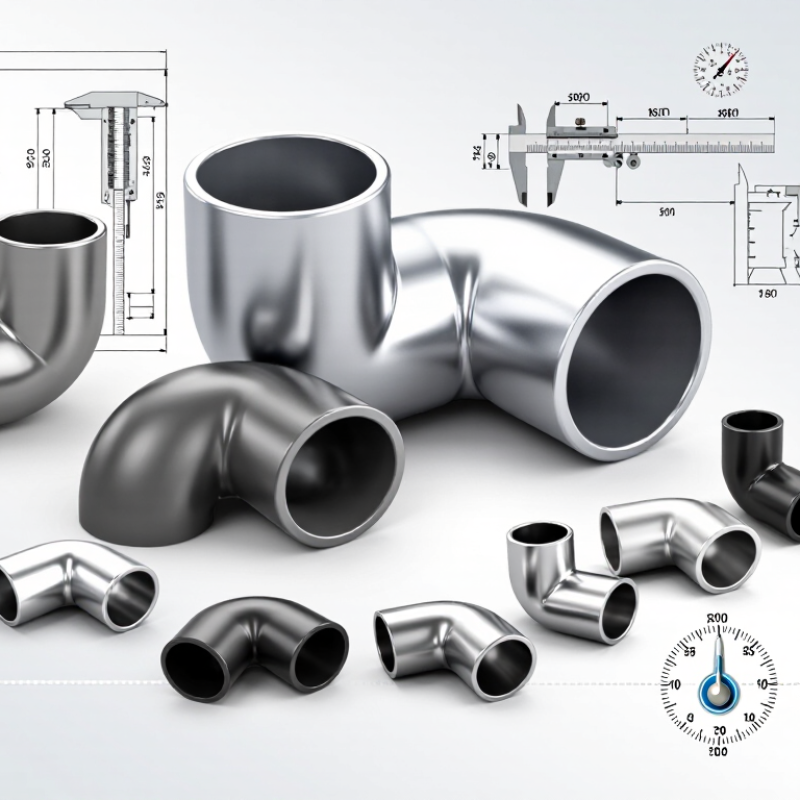
Define the Role and Operating Conditions of the Steel Elbow
Choosing a steel elbow begins with its role in the piping system. It may redirect flow, connect equipment, or absorb a planned change in direction. That role affects geometry, wall thickness, and connection type. An elbow near a pump faces different stresses than one in a quiet drain line. Do not select by diameter alone. Review drawings, flow direction, support spacing, and nearby valves before ordering. Small misunderstandings can create large installation problems.
Operating conditions define whether the fitting will remain reliable. Record the fluid, temperature range, design pressure, flow velocity, and expected cycling. Water service may tolerate a different material grade than hot oil, steam, or a corrosive chemical. Check corrosion allowance and compatibility with the pipe and welding procedure. Pressure loss matters too. A short-radius elbow saves space but can increase turbulence and local wear. Long-radius designs often reduce losses, although layout restrictions may override that choice. For abrasive flow, inspect velocity and erosion risk at the outer curve.
Field experience shows that a neat catalog match can still be wrong. Confirm the elbow angle, radius, schedule, end preparation, and dimensional standard against the approved design. Ask for material certificates and inspection records when service is critical. Visual checks should include dents, cracks, uneven bevels, and poor surface protection. Do not ignore installation reality. Misaligned pipe can force the elbow into unwanted stress, even when calculations look acceptable. No checklist is perfect. An engineer should review unusual loads, thermal movement, and fatigue before fabrication or installation.
Select the Elbow Type, Angle, and Connection Method
How to Choose the Right Steel Elbow Pipe?
Steel elbows redirect fluid, but selection starts with the elbow type. A 90-degree elbow suits most directional changes. A 45-degree elbow reduces turbulence and pressure loss. A 180-degree return elbow creates a compact U-turn. Long-radius designs usually protect flow better than short-radius designs. However, tight spaces may require the shorter option.
Connection method matters just as much. Butt-weld elbows provide strong, continuous joints for high-pressure process lines. Socket-weld connections suit smaller diameters and simpler installation. Threaded elbows can speed maintenance, but vibration may loosen them over time. Flanged elbows help frequent disassembly. Check the matching flange class, pipe schedule, wall thickness, and material grade. ASME B16.9 covers dimensions for factory-made buttwelding fittings, while ASME B16.5 addresses compatible flanges.
Industry scale shows why this choice deserves care. World Steel Association data recorded about 1.89 billion tonnes of crude steel production in 2023. The IEA’s Gas 2024 report expects global gas demand to grow by over 2.5% annually through 2029. More infrastructure means more elbows exposed to pressure, temperature, and corrosion. Select the angle after reviewing flow velocity and bend radius. Then verify design pressure, operating temperature, corrosion allowance, and inspection access. A common mistake is choosing by diameter alone. I have seen a correct-sized elbow fail the project because its connection standard did not match the existing line. Check twice.
Match Material Grade, Size, and Wall Thickness to the System
Choosing a steel elbow starts with the system, not the fitting catalogue. Identify the fluid, operating temperature, pressure, corrosion exposure, and joining method. Carbon steel suits many dry, moderate-temperature services. Stainless or alloy grades may perform better with moisture, chemicals, or heat. Material compatibility also matters at the weld and adjacent pipes. A mismatch can create weak transitions or accelerated corrosion. Check the applicable piping code and fitting standard. Then verify the material certificate, heat number, and manufacturing route. Traceability is practical evidence, not paperwork alone. Clear markings can prevent costly installation errors.
Match the nominal pipe size and outside diameter precisely. An elbow that looks close may still cause poor fit-up, turbulence, or unwanted stress. Confirm whether the specification uses NPS, DN, or actual outside diameter. Wall thickness should reflect design pressure, temperature, corrosion allowance, and mechanical loading. Schedule alone is not a complete design decision. A thicker wall can reduce internal flow area and increase weight. The thickest option is not automatically safest. Fit-up still matters. Review the bend radius as well. A long-radius elbow usually reduces pressure loss, but limited space may require another geometry. Before installation, inspect bevels, ovality, surface damage, and dimensions against the purchase specification. Pressure testing and visual checks add confidence, but they cannot replace proper design calculations. Corrosion rates are sometimes estimated poorly. Revisit those assumptions when service conditions change.
Check Pressure Ratings, Standards, and Corrosion Resistance
How to Choose the Right Steel Elbow Pipe?
Choosing the right steel elbow pipe starts with pressure, temperature, and connection geometry. An elbow rated only by nominal diameter can fail in service. Confirm design pressure, operating temperature, wall thickness, bend radius, and joint method. ASME B16.9 defines dimensions and tolerances for factory-made butt-welding fittings. ASME B31.3 helps establish allowable stresses and design limits. The fitting must match the piping code, not merely the purchase description. Size is not strength.
Ask for material certificates, heat numbers, weld records, and test results. ASTM A234 covers wrought carbon and alloy steel fittings for pressure service. Stainless grades require the applicable material specification. Pressure testing can expose leaks, but it cannot prove long-term corrosion performance. Review pressure-temperature tables, then verify the weakest component, including flanges, welds, and valves. This is where rushed selections become expensive.
Corrosion deserves equal weight. The NACE IMPACT study estimated global corrosion costs at about $2.5 trillion annually, nearly 3.4% of global GDP. Select alloy chemistry for the actual fluid, chlorides, pH, oxygen, and temperature. Consider internal lining, coating, drainage, and external insulation traps. Stainless steel is not universally immune; chloride environments can still cause pitting and stress corrosion cracking. A generic “corrosion resistant” claim is insufficient. Request documented test methods and exposure assumptions. I would question unusually generous service-life figures. Field conditions rarely behave perfectly. Inspect elbows after commissioning, especially at weld toes and low points, and revise the specification when evidence challenges the original assumptions.
Compare Quality, Certification, Cost, and Supplier Reliability
How to Choose the Right Steel Elbow Pipe?
Quality begins with fit, not appearance. A polished elbow can still hide thin walls, oval ends, or poor welding. Check the outside diameter, wall thickness, bend radius, bevel condition, and material grade against your drawings. Ask for heat numbers and material test certificates. Random dimensional checks are useful, but they should not replace proper inspection records. In demanding systems, PMI, ultrasonic testing, or hardness checks may also be necessary.
Certification needs careful reading. Confirm that the certificate covers the actual product, material, size range, and manufacturing process. Standards such as ASME B16.9 or EN 10253 may define dimensions, but they do not prove every quality claim. Verify the certificate issuer, test results, and traceability from steel coil to finished elbow. Mistakes happen. A copied document can look convincing.
Cost should include more than the unit price. Add inspection, packaging, freight, delays, installation adjustments, and possible replacement costs. A cheaper elbow with inconsistent thickness may create expensive site problems. Supplier reliability matters just as much. Review production capacity, delivery history, quality procedures, and response time for technical questions. Request sample records or arrange a factory audit when the project is critical. Good suppliers answer clearly, even when the answer is inconvenient. A checklist helps, but judgment still matters.
FAQS
Identify the fluid, temperature, pressure, corrosion exposure, pipe size, and joining method. Record whether the size uses nominal diameter, metric diameter, or actual outside diameter. Details matter.
Carbon steel may suit dry, moderate-temperature service. Stainless or alloy steel may perform better with moisture, chemicals, or heat. Check compatibility at welds and nearby pipes. I would not trust a general “corrosion resistant” claim.
Wall thickness should reflect pressure, temperature, corrosion allowance, and mechanical loads. A thicker wall adds weight and can reduce flow area. Long-radius elbows usually reduce pressure loss. Space limits may require another shape. Thicker is not always safer.
Confirm the applicable piping code, fitting standard, pressure rating, temperature range, and design limits. Review pressure-temperature tables carefully. Check the weakest component, including welds, flanges, valves, and nearby pipes. Size is not strength.
Request material certificates, heat numbers, weld records, manufacturing details, and test results. Traceability should connect the steel source to the finished elbow. Read every field. A copied certificate may look convincing but prove little.
Compare outside diameter, wall thickness, bend radius, bevels, ovality, markings, and surface condition with purchase drawings. Check for dents, cracks, and uneven ends. Pressure testing helps find leaks, but cannot replace design calculations.
Review fluid chemistry, chlorides, pH, oxygen, temperature, drainage, coatings, and insulation traps. Inspect weld toes and low points after commissioning. Corrosion estimates can be wrong. Update assumptions when field evidence disagrees.
Include inspection, packaging, freight, delays, installation adjustments, and replacement risk. Review delivery history, production capacity, quality procedures, and technical response time. For critical work, request sample records or arrange an audit. Cheap can become expensive.
Reconsider it when fluid conditions, temperature, pressure, corrosion rates, or installation space changes. Field evidence may challenge the original design assumptions. Judgment still matters. The first choice may be imperfect.
Conclusion
Choosing the right Steel Elbow Pipe begins with understanding its role in the piping system and the conditions it will face, including fluid type, temperature, pressure, flow direction, and installation environment. Select the appropriate elbow angle, such as 45 or 90 degrees, along with a connection method that suits the system, whether welded, threaded, or flanged. Material grade, nominal size, and wall thickness must match the pipeline design to ensure reliable flow and long-term structural performance.
Before purchasing, verify pressure ratings, applicable industry standards, dimensional requirements, and corrosion resistance. Consider whether the pipe will handle moisture, chemicals, high temperatures, or other demanding conditions. Finally, compare product quality, inspection records, certifications, total cost, delivery capability, and supplier reliability. A careful evaluation of these factors helps ensure safe operation, efficient maintenance, and a durable connection that performs consistently throughout the system’s service life.

 Nuoheng