Choosing the right Rotating Fittings can determine whether a machine runs smoothly or fails during a costly production shift. A fitting may look suitable on a catalog page. Under real conditions, pressure, speed, heat, vibration, and chemical exposure tell a different story.
Frank Deublin, founder of Deublin Company and a respected rotating union specialist, once expressed a practical engineering principle: “The best design is the one that performs reliably in the real application.” That idea remains highly relevant. A fitting for cooling water may not suit hot oil. A model that works at 500 revolutions per minute may struggle at 3,000. Small details matter.
Start with the operating data. Measure shaft speed, working pressure, temperature range, media type, connection size, and available installation space. Check whether the equipment starts and stops frequently. Thermal cycling can expose weaknesses that steady operation hides. Inspect the seal material too. Stainless steel may resist corrosion, but it does not solve every compatibility problem.
Experience from industrial maintenance shows another common mistake: choosing by thread size alone. That shortcut feels efficient. It is not always wise. Alignment, hose movement, bearing load, and drainage can influence service life. A rotating fitting should match the complete system, not one isolated dimension.
Reliable selection also requires documentation. Review pressure curves, material data, maintenance instructions, and applicable safety requirements. When information is incomplete, pause and verify it with the manufacturer. Guessing may save minutes during purchasing. It can cost days during an unplanned shutdown. Each application is slightly different, and that is where careful judgment matters.
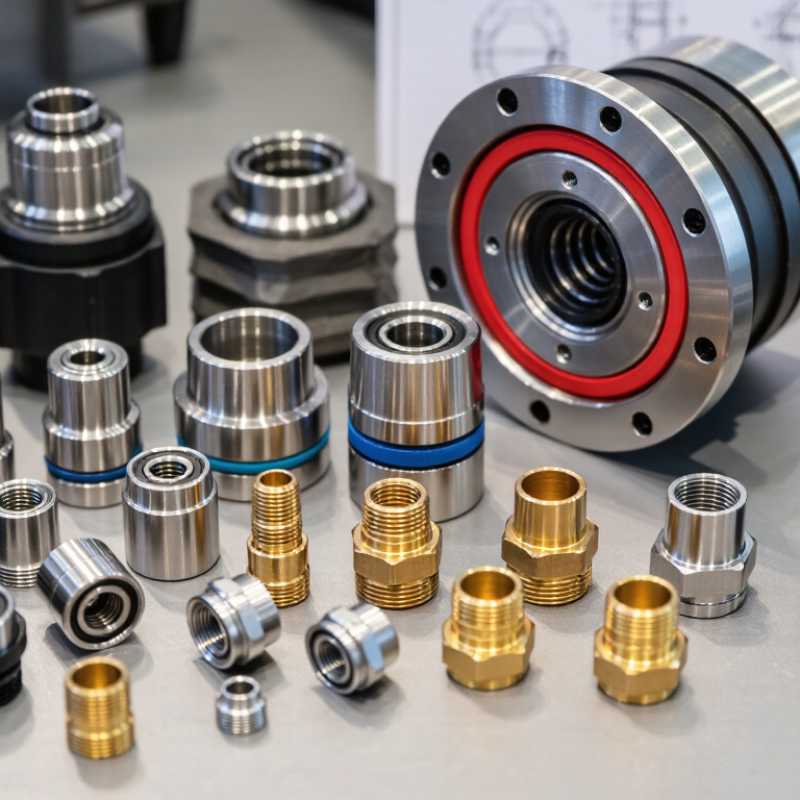
How to Choose the Right Rotating Fittings?
Choosing rotating fittings starts with defining their role. They transfer fluid while allowing controlled movement between connected parts. Ask whether the fitting supports continuous rotation, limited indexing, or frequent start-stop cycles. The answer changes the design.
I have seen suitable-looking fittings develop leaks because operating conditions were recorded too simply. Shaft speed, pressure, temperature, and fluid type all matter. So do vibration, side loads, installation angle, and shaft misalignment. A fitting used with clean water may behave differently with abrasive fluid or heated oil. Seal material must match the fluid and temperature range. Connection size alone proves very little. Use documented performance data, not assumptions. Check torque limits and expected service life. Small errors become expensive.
Tips: Create a simple operating profile before selection. Record normal and peak speed, pressure, temperature, and cycle frequency. Note possible shock loads and contamination. Leave room for imperfect alignment. If conditions are uncertain, test a sample under realistic movement. Recheck the design after installation, because actual vibration may differ from calculations.
| Application | Role of the Rotating Fitting | Medium and Typical Conditions | Key Selection Factors | Checks Before Specification |
|---|---|---|---|---|
| Machine-tool coolant | Feeds coolant from stationary plumbing into a rotating spindle or tool. | Water-based coolant; often a few bar, with temperature and flow dependent on the machine and process. | Coolant compatibility, required flow, spindle speed, filtration, and whether the flow is continuous or intermittent. | Confirm maximum pressure, speed at the same time as pressure, coolant additives, and allowable leakage. |
| Hydraulic rotary table or indexer | Transfers hydraulic oil to actuators or clamping circuits on a rotating assembly. | Hydraulic oil; pressure may range from tens to hundreds of bar, depending on the system; oil temperature is system-dependent. | Working and peak pressure, number of passages, oil type, rotation speed, and pressure-pulse duty. | Use the fitting’s pressure-versus-speed limits; check port size, pressure spikes, and seal compatibility with the oil and additives. |
| Compressed-air equipment | Maintains an air connection to rotating tools, fixtures, or automation equipment. | Compressed air; many industrial systems operate around 5–10 bar, subject to local system design. | Air consumption, allowable pressure drop, rotation speed, air quality, and the number of independent circuits. | Check the fitting’s rated pressure, leakage limits, filtration requirements, and whether lubricated or dry air is used. |
| Heated roll or process cylinder | Supplies or returns a heating or cooling medium while the roll rotates. | May use water, thermal oil, or steam. Saturated steam temperature rises with pressure; for example, about 134°C at 2 bar(g) and 184°C at 10 bar(g). | Medium phase, temperature, pressure, condensate drainage, thermal cycling, and rotational speed. | Verify temperature and pressure ratings together, material compatibility, steam-service suitability, and installation orientation. |
| Vacuum processing | Maintains a vacuum connection between stationary vacuum equipment and a rotating chamber or workpiece. | Air or process gas below atmospheric pressure; the required absolute pressure depends on the process. | Target vacuum level, leakage rate, gas composition, speed, and cleanliness requirements. | Specify the required absolute pressure and permissible leak rate; assess seal materials and outgassing where relevant. |
| Multi-service rotating assembly | Transfers several independent media circuits through one rotating interface. | A combination such as hydraulic oil, air, coolant, or electrical signals; each circuit can have different conditions. | Passage count, circuit separation, pressure and temperature for each passage, speed, and available installation space. | Check cross-leakage risk, passage layout, combined operating limits, maintenance access, and connection orientation. |
Values shown are typical application context, not product ratings. Confirm the selected fitting’s published limits for the actual medium, pressure, temperature, speed, duty cycle, and simultaneous operating conditions.
They transfer fluid between connected parts while allowing controlled movement. Some rotate continuously. Others move through limited positions.
Record whether movement is continuous, indexed, or frequent start-stop. Note normal and peak speed, pressure, temperature, and cycle frequency. Keep it practical.
Startup surges can exceed average pressure. A fitting rated for normal conditions may struggle during repeated spikes. Leave a safety margin.
Higher speed can increase heat, vibration, and seal wear. Check continuous and intermittent RPM. Small details matter.
Note the temperature range and fluid type, such as hot water, oil, coolant, or process air. Check seal compatibility with both.
No. Size alone proves little. Also check pressure, speed, media, torque limits, alignment, and hose movement.
Vibration, side loads, shaft misalignment, and installation angle can contribute to leaks or wear. Leave room for imperfect alignment. It happens.
Yes. Test a sample with realistic movement and operating conditions. Then recheck it after installation, when actual vibration may differ from calculations. I might still underestimate that difference.
Choosing the right Rotating Fittings begins with understanding their role in the equipment and the conditions under which they will operate. Consider the required movement, flow path, connection layout, pressure, rotational speed, temperature range, and the type of media being handled. Different fitting designs, materials, and connection methods offer varying levels of durability, flexibility, corrosion resistance, and installation convenience, so selection should match both system requirements and operating conditions.
Sealing performance is equally important, especially in applications involving continuous motion or demanding environments. Evaluate seal design, available installation space, maintenance access, expected service life, and the ease of replacement or inspection. Before final selection, compare options through practical testing, relevant industry standards, and a complete cost analysis that includes installation, maintenance, energy use, and potential downtime. A well-chosen fitting should provide reliable operation, minimize leakage risks, and deliver consistent performance throughout its intended service life.

 Nuoheng