Top 5 Tips for Choosing Brass Fittings for Your Supply Needs?

Time:2026-08-07 Author:Oliver
0%

Choosing the right brass fittings can be challenging. Brass fittings are essential in plumbing and various applications. They ensure proper flow and prevent leaks. With many options available, making an informed choice is crucial.

When selecting brass fittings, consider specific needs. Ensure the fitting size matches your pipes. Look for fittings made from high-quality brass. Inferior materials may lead to issues. Research reputable suppliers to guarantee reliability.

It's easy to overlook minor details, but they matter. Pay attention to the thread type and compatibility. Not all fittings work with every system. Evaluating your choices can prevent costly mistakes later on. Trust your instincts, and take your time. The right brass fittings will enhance your project's success.
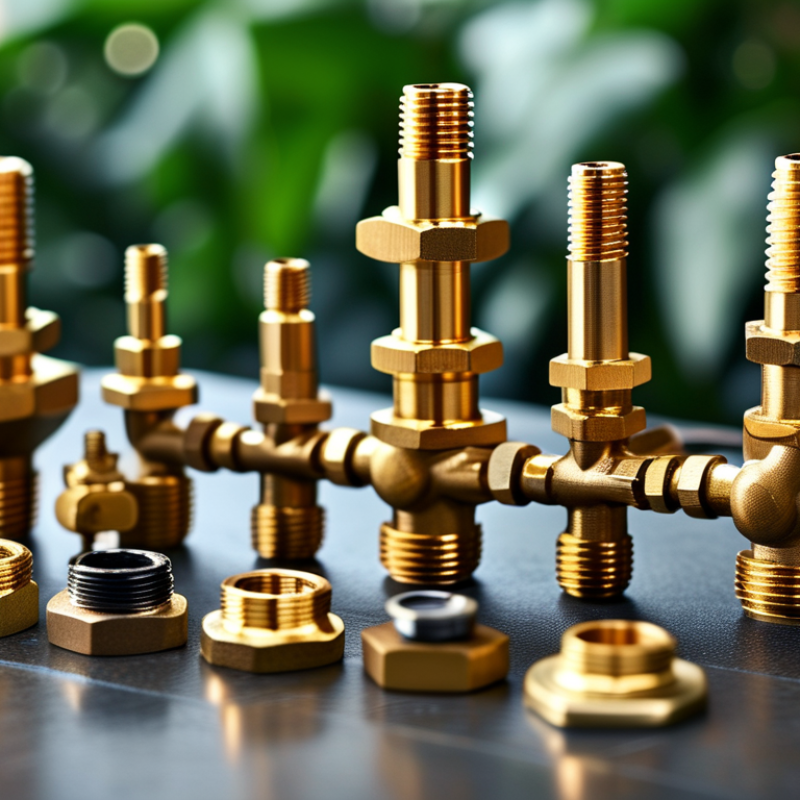
Top 5 Tips for Choosing Brass Fittings for Your Supply Needs?

Understanding the Different Types of Brass Fittings Available

When selecting brass fittings, understanding the variety available is essential. There are multiple types, each designed for specific applications. For instance, compression fittings are popular in plumbing. They create a tight seal without welding. They are ideal for home water systems.

Another commonly used type is threaded fittings. These fittings feature internal or external threads. They connect pipes effectively and allow for easier disassembly. However, ensuring compatibility with existing pipes is crucial. Misalignment can lead to leaks.

Slip fittings offer another option. They are simple to install and remove. Their straightforward design caters to quick repairs. Still, they may lack the durability of other types. Each type of fitting serves different needs, and understanding these nuances leads to better choices.

Brass Fittings Supply Needs Comparison

Assessing the Application Requirements for Brass Fittings

When selecting brass fittings, it's essential to understand the specific application requirements. Different projects may demand varying specifications, such as pressure levels and temperature ranges. Assess how the brass fittings will interact with the fluids being transported. For example, aggressive chemicals might corrode certain alloys, while others may be more resilient.

Consider the environment where these fittings will be used. Outdoor settings may require weather-resistant materials, while indoor applications could have different needs. Think about space limitations as well. Some designs may be bulkier and difficult to install in tight places. Reflecting on these aspects can help avoid costly installation issues down the line.

Also, evaluating the longevity and durability of the brass fittings is crucial. While brass is generally known for its strength, not all fittings are created equal. Look out for indications of manufacturing quality, as poorly made fittings may lead to leaks or failures. Balancing budget considerations with quality will yield the best results. Understanding these factors can significantly impact the longevity and effectiveness of your supply system.

Evaluating the Quality and Standards of Brass Materials

Choosing the right brass fittings is crucial for ensuring durability and efficiency in your systems. One key aspect to consider is the quality of the brass material itself. High-quality brass typically contains a higher percentage of copper, enhancing its strength and resistance to corrosion. Environmental factors may affect long-term performance, so checking the alloy composition helps ensure you’re making a sound decision.

When evaluating brass fittings, certifications and standards play a vital role. Approved fittings are generally subjected to rigorous testing to meet safety and performance guidelines. Not all suppliers prioritize these standards, making research essential. Being informed enhances your choice, but staying aware of potential inconsistencies in supplier claims is important. Experience from industry professionals can provide additional insight into what to look for when assessing quality. Don’t hesitate to ask questions or seek clarification from suppliers; transparency is key to finding reliable fittings.

Top 5 Tips for Choosing Brass Fittings for Your Supply Needs

Tip Number Tip Description Benefits
1 Check Material Certification Ensure the brass fittings meet industry standards. Reliability and safety in applications.
2 Evaluate Corrosion Resistance Select fittings with proper coating or alloying. Increased longevity and durability.
3 Verify Dimensions and Threading Ensure correct sizing for compatibility. Avoid leaks and failures in systems.
4 Consider Temperature and Pressure Ratings Select fittings rated for your operating conditions. Enhanced performance under various scenarios.
5 Assess Quality Control Measures Check if the manufacturer has stringent quality checks. Minimized risk of defects and failures.

Considering Size and Compatibility with Existing Systems

Selecting the right brass fittings requires careful consideration of size and compatibility. Accurate measurements are essential. Check the diameter of your existing pipes before purchasing fittings. A small deviation can lead to significant issues. It’s crucial to ensure that the fitting can easily connect to your current systems without leaks or pressure drops.

Compatibility goes beyond size. Different fittings serve various purposes. Not all brass materials work well with every plumbing system. Some may corrode faster in certain environments. Understand the specific environment where the fittings will be used. Indoor plumbing might have different requirements than outdoor setups. It's wise to consult a professional if you're unsure, as they can provide insights into the best options available.

Fitting selection can be overwhelming, yet it's important to avoid rushing the process. Mistakes in this area can lead to costly repairs and system inefficiency. Take time to research options and ask questions. Explore various suppliers and compare offerings. Engaging with industry experts can also reveal options you might not have considered.

Exploring Cost-Effectiveness and Supplier Options for Brass Fittings

When selecting brass fittings, cost-effectiveness and supplier options are paramount. Brass fittings can vary drastically in price. It is essential to establish a budget early in the process. Consider the long-term costs associated with durable fittings. They may seem more expensive upfront but can lead to savings over time.

Quality matters significantly when sourcing brass fittings. Evaluate suppliers based on their reputation and customer feedback. Reliable suppliers often provide detailed product specifications. They can help avoid unexpected purchasing mistakes. It’s wise to request samples or small quantities to assess quality before making larger purchases.

When weighing options, don’t overlook sourcing directly from manufacturers. This can cut out the middleman and reduce costs. Look for suppliers who excel in technical support. Knowledgeable staff can provide insights on appropriate fittings for your specific applications. Always factor in shipping costs and delivery times. Balancing price with reliability is crucial, as cheaper fittings may result in more frequent replacements.

FAQS

: What should I consider when choosing brass fittings?

: Focus on the quality of brass material, including copper content for strength and corrosion resistance.

How do environmental factors affect brass fittings?

Conditions can impact long-term performance. Checking alloy composition is essential for informed decisions.

Why are certifications important for brass fittings?

Certifications ensure products meet safety and performance standards. Research suppliers to find those that prioritize these.

How can I ensure compatibility with existing systems?

Measure existing pipe diameters accurately. A small mistake can lead to leaks or pressure issues.

What if I'm unsure about fitting sizes?

Consult a professional for guidance. They can help identify the best fittings for your situation.

How can I avoid costly mistakes when selecting fittings?

Take your time to research and compare options. Don't rush this process; mistakes can be expensive.

Are cheaper brass fittings a good option?

Cheaper fittings may require more frequent replacement. Weigh upfront costs against long-term savings.

How can I evaluate suppliers for brass fittings?

Check their reputation, customer feedback, and product specifications. Reliable suppliers offer valuable insights.

Is it better to buy directly from manufacturers?

Yes, sourcing directly can eliminate middlemen and reduce costs. Look for manufacturers with strong technical support.

What should I remember about testing fittings before purchase?

Request samples or small quantities to assess quality. This helps avoid larger purchasing mistakes later on.

Conclusion

When selecting brass fittings for your supply needs, it’s essential to understand the various types available in the market. Different applications may require specific fittings, so evaluating your application requirements will help ensure you choose the most suitable options. Additionally, the quality and standards of brass materials are crucial since they impact the durability and performance of the fittings.

Consideration of size and compatibility with existing systems is another critical factor. Properly sized brass fittings can prevent leaks and ensure seamless integration within your plumbing or piping systems. Finally, exploring cost-effectiveness and supplier options is important for making informed purchasing decisions that align with your budget while also securing high-quality products. By keeping these criteria in mind, you can effectively meet your supply needs for brass fittings.


Oliver

Oliver

Oliver is a seasoned marketing professional with a wealth of expertise in driving brand awareness and engagement. With a deep understanding of our company's product offerings, he consistently delivers high-quality content that enriches our professional blog. His insights not only shed light on......