When it comes to selecting the right Stainless Steel Fittings for your projects, knowledge is key. These fittings offer durability and corrosion resistance. Choosing the wrong type can lead to complications. The market is filled with options, but not all are created equal. You want to ensure quality and reliability.
Understanding the different types of Stainless Steel Fittings is essential. They vary in size, shape, and application, impacting performance. Many buyers overlook the importance of specifications. Each fitting serves a specific need, whether for plumbing, construction, or other industries. This guide aims to shed light on what to consider before buying.
Quality matters when investing in Stainless Steel Fittings. Low-quality options may save money upfront but cost more in the long run. Reflect on your choices carefully. Research suppliers known for reliability and expertise. Your project deserves the best fittings available. A thoughtful approach is crucial for success.
Understanding Stainless Steel Fittings: Types and Applications
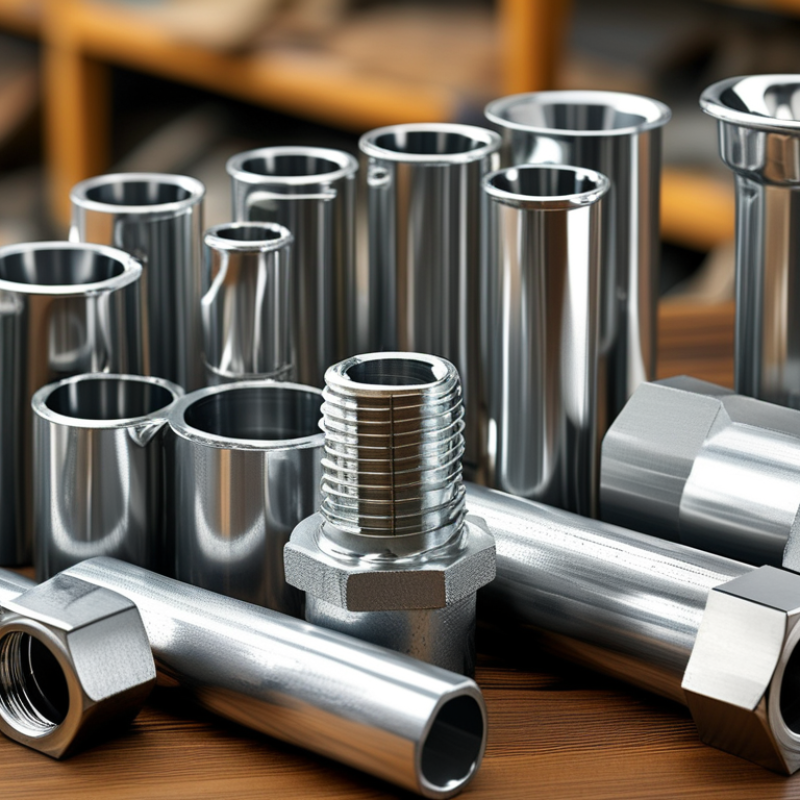
Stainless steel fittings are vital components in various industries. They come in different types, each designed for specific applications. Understanding these types can help you select the right fitting for your project. Common types include elbows, tees, couplings, and flanges. Each type connects pipes in unique ways, catering to different plumbing, heating, and industrial needs.
When choosing stainless steel fittings, consider the environment where they will be used. Corrosive environments demand high-grade stainless steel. Poor quality fittings can lead to leaks. This not only wastes resources but could also pose safety risks.
Tips: Always check specifications carefully. Look for fittings that meet industry standards. If you're unsure, consult with professionals. Their expertise can guide your decisions. Remember, investing time in research can save you from costly mistakes. Selecting the wrong fitting might result in future repairs and downtime. Be cautious and informed.
Key Factors to Consider When Buying Stainless Steel Fittings
When purchasing stainless steel fittings, several key factors are essential to consider. Material grade is paramount; common grades like 304 and 316 have different corrosion resistance properties. A report by the International Stainless Steel Forum states that 316 stainless steel is more suitable for marine and chemical applications due to its higher molybdenum content.
Another crucial aspect is compatibility with existing piping systems. Ensure the fittings match the pipe size and type to prevent leaks. Not all fittings are universal, and improper fitting can lead to costly repairs down the road. Be cautious of variations in fitting dimensions; they can vary slightly between manufacturers.
Tip: Always verify certifications and compliance with industry standards. Look for fittings that meet ASTM or ANSI specifications. This not only enhances reliability but also guarantees the materials' performance under specified conditions.
Lastly, consider the fitting’s surface finish. Smooth finishes reduce friction and optimize flow rates. However, rough materials may have a lower initial cost but can lead to maintenance issues. Make an informed choice to avoid long-term consequences.
Top 10 Stainless Steel Fittings Buyers Guide You Need to Know
| Feature |
Description |
Importance |
| Material Grade |
Types of stainless steel (e.g., 304, 316) that offer different corrosion resistance. |
High |
| Connection Type |
Types of connections available (e.g., threaded, welded, flanged). |
Medium |
| Size Compatibility |
Availability of various sizes to match existing systems. |
High |
| Pressure Rating |
Rated for various pressure levels (e.g., Class 150, Class 300). |
High |
| Finish |
Surface finish options (e.g., polished, brushed) affecting aesthetics and corrosion resistance. |
Medium |
| Certifications |
Industry standards and certifications (e.g., ASTM, ASME) that ensure product quality. |
High |
| Lead Time |
Time taken from order to delivery, affecting project timelines. |
Medium |
| Price |
Cost factors and comparison to alternate materials. |
High |
| Supplier Reputation |
Track record and customer feedback about the supplier. |
High |
| Maintenance Requirements |
Ease of maintenance and cleaning needed to extend life. |
Medium |
Top 10 Recommended Stainless Steel Fittings for Various Industries
When exploring stainless steel fittings for various industries,
it's crucial to choose the right type. Stainless steel fittings offer excellent
corrosion resistance and durability.
According to industry reports, the global stainless steel fittings market is projected
to grow at a CAGR of 5.6% from 2021 to 2028. This growth is driven by
the rising demand in sectors such as oil and gas, food processing, and construction.
For manufacturing and construction, forged fittings are a great choice.
They withstand high pressure and extreme temperatures. In the chemical industry, seamless
fittings are preferred as they have no joints that could leak. Additionally, the food
industry often uses 304 stainless steel for its
non-reactive properties, ensuring safety in food handling.
Tip: When selecting fittings, consider your specific needs. Look at
pressure ratings and temperature limits. It's essential to assess your operational
environment to avoid future issues like leaks or equipment failure.
Remember that not all stainless steel is the same. Some may corrode faster than others
depending on their environment. Regular maintenance and inspection of fittings can save
costs in the long run. Pay attention to any signs of wear or damage. This proactive
approach helps ensure longevity and reliability in your applications.
Maintenance Tips for Prolonging the Life of Stainless Steel Fittings
Stainless steel fittings are essential in various industries, known for their durability and resistance to corrosion. However, without proper maintenance, their lifespan can significantly decrease. A study by the International Stainless Steel Forum indicates that routine care can extend the life of stainless steel fittings by up to 50%. Simple practices can make a difference.
Regular cleaning is vital. Use a mild detergent and warm water to remove dirt and grime. Avoid abrasive cleaners; they can scratch the surface. For tough stains, a soft cloth with vinegar or baking soda can be effective. Many users overlook this step, leading to accelerated corrosion.
Environmental factors can also affect the fittings. High humidity or salty air can promote rust. A protective coating may be necessary in such areas. Inspect fittings frequently; even small signs of wear should not be ignored. Taking these steps can help maintain the integrity and reliability of your stainless steel fittings over time.
Common Mistakes to Avoid When Purchasing Stainless Steel Fittings
When purchasing stainless steel fittings, many buyers stumble into common pitfalls. One notable mistake is ignoring the material grade. Stainless steel comes in various grades, each suited for different applications. Using the wrong grade can lead to corrosion or failure in critical situations. Research the specific requirements of your project to choose the right grade.
Another frequent error involves overlooking the size and compatibility of the fittings. Measuring accurately is crucial. Mismatched sizes can result in leaks or compromised connections. Buyers often assume that all fittings labeled similarly will fit perfectly. Always check dimensions and compatibility specifications before making a decision.
Finally, don't underestimate the importance of sourcing from reliable suppliers. Some buyers are swayed by low prices without assessing quality. This can lead to unforeseen problems down the line. Aim to work with reputable sources that provide certifications and reliable customer support. Taking these steps can significantly enhance the success of your fittings purchase.
Top 10 Stainless Steel Fittings Buyers Guide
Conclusion
This article provides a comprehensive guide to understanding stainless steel fittings, covering their various types and applications across diverse industries. Key factors to consider when purchasing stainless steel fittings are discussed, emphasizing the importance of quality, compatibility, and intended use. The guide also features a curated list of the top 10 recommended stainless steel fittings, catering to different industry needs.
Additionally, the article offers valuable maintenance tips to prolong the lifespan of stainless steel fittings, ensuring optimal performance and durability over time. It also highlights common mistakes to avoid when buying stainless steel fittings, helping buyers make informed decisions. Overall, this resource serves as an essential tool for anyone looking to navigate the complexities of stainless steel fittings effectively.

 Nuoheng