How to Use Push In Connect Fittings for Efficient Piping Solutions?

Time:2026-07-28 Author:Isabella
0%

Push In Connect Fittings have revolutionized the piping industry. These fittings simplify connections in a variety of applications. Industry expert Mark Thompson states, “Using Push In Connect Fittings increases efficiency and reduces installation time.” This innovative solution is gaining popularity due to its practical benefits.

The ease of use and reliability of Push In Connect Fittings cannot be overstated. Unlike traditional methods, they eliminate the need for tools and adhesives. This feature makes them highly sought after for both professionals and DIY enthusiasts. However, improper installation can lead to leaks and failures. It’s essential to ensure that the fittings are compatible with the pipe materials used.

Moreover, while Push In Connect Fittings are efficient, they also require careful consideration of the environment. Factors like temperature and pressure play critical roles in their performance. Users often overlook these aspects, leading to suboptimal results. As the industry evolves, understanding the nuances of these fittings becomes increasingly important for achieving the best outcomes in piping solutions.
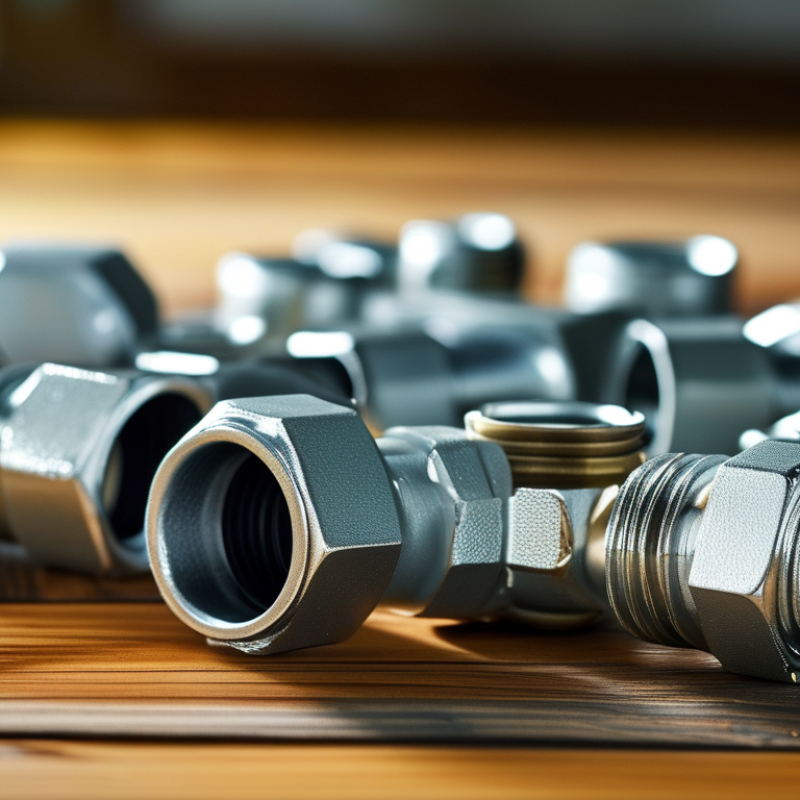
How to Use Push In Connect Fittings for Efficient Piping Solutions?

Understanding Push In Connect Fittings and Their Applications

Push-in connect fittings offer a simple, efficient solution for various piping applications. These fittings are designed for quick connections without requiring additional tools or specialized skills. Their versatility allows them to be used in air, water, and fluid transfer systems. Understanding their key features can enhance your piping experience significantly.

When selecting push-in fittings, consider the materials involved. Ensure compatibility with your piping materials, whether they are plastic or metal. Misalignment may lead to leaks. Always inspect for wear and tear. Quality matters; cheap fittings may fail unexpectedly.

**Tips:** Regular maintenance checks will prolong your system's life. Tighten connections periodically to avoid issues. Experiment with different configurations to find the best fit for your specific needs. Remember, precision in setup leads to a more efficient and reliable system.

Benefits of Using Push In Connect Fittings in Piping Systems

Push in connect fittings have gained popularity in piping systems. Their design allows for quick connections, saving time. Unlike traditional fittings, they require no special tools. Simply push the pipe into the fitting, and you're done. This simplicity reduces assembly errors and enhances efficiency.

The benefits of using these fittings are significant. They offer a secure grip on pipes, preventing leaks. This reliability ensures that systems operate smoothly over time. Additionally, the materials used are often resistant to corrosion. This durability means fewer replacements and lower maintenance costs.

However, it is vital to consider installation practices. Improper alignment during setup can lead to issues later. Regular inspections can help identify potential problems. While push in fittings provide convenience, users must prioritize proper techniques to maximize their advantages. A little diligence goes a long way in achieving optimal performance.

Benefits of Using Push In Connect Fittings in Piping Systems

Step-by-Step Guide to Installing Push In Connect Fittings

Installing push-in connect fittings can streamline your piping projects. Start by gathering your tools, including a pipe cutter and a deburring tool. Cut the pipe to the required length. Make sure the edges are smooth to prevent any leaks. Remember, a clean cut is crucial for a good seal.

Next, insert the pipe into the fitting. Ensure it goes in straight and reaches the designated depth. Some beginners underestimate this step; it’s essential for proper function. You might notice the pipe makes a clicking sound when seated correctly. This sound indicates a secure fit. However, if the fitting feels loose, you must redo the process to avoid future issues.

After installation, always check for leaks. Run water through the system and observe the fittings. Make adjustments as needed. Sometimes, leaks can occur even with seemingly perfect installations. If problems arise, reflect on the steps taken and whether the pipe was cut appropriately or if the fitting is damaged.

Maintenance Tips for Ensuring Longevity of Push In Connect Fittings

Push-in connect fittings are popular in various piping applications due to their ease of use. However, regular maintenance is crucial for their longevity. Inspecting fittings regularly helps identify wear and tear early. Look for signs of cracks or leaks. Small issues can lead to larger problems if ignored.

Cleaning fittings is another essential maintenance step. Use a soft cloth to wipe away dust and debris. Avoid harsh chemicals. They can degrade the materials used in fittings. A gentle soap and water solution works best. Ensure components are dry before reassembling. Moisture can lead to corrosion.

Proper installation is vital. Follow guidelines closely to prevent damage. Incorrect installation can result in leaks and reduce the lifespan of the fittings. Consider proper tools for any adjustments. It’s worth taking time to do it right. In summary, even minor oversights in maintenance can have significant consequences. Regular checks will ensure efficient operation long-term.

Common Mistakes to Avoid When Using Push In Connect Fittings

When using push-in connect fittings, several common mistakes can hinder effective installation. Ensuring that the pipe is cut smoothly is crucial. A jagged or uneven cut can prevent a secure connection. This can lead to leaks and system failures.

Additionally, always ensure the correct size of the fitting. A mismatch can result in improper sealing and costly repairs.

Another frequent oversight occurs during the installation process. Users often forget to fully insert the pipe into the fitting until it clicks. Not hearing a click may indicate the pipe isn’t pushed in far enough. This lack of attention can lead to faulty connections.

Lastly, gravel or debris on the pipe ends is often overlooked. Before inserting the pipes, make sure the ends are clean. Dirt can obstruct a proper seal, leading to system inefficiencies. Always double-check each connection and remember to pressure-test the system after installation. This proactive approach helps identify potential issues early.

FAQS

: What tools do I need to install push-in connect fittings?

: Gather a pipe cutter, deburring tool, and a soft cloth for cleaning.

How do I prepare the pipe for installation?

Cut the pipe to the correct length and ensure the edges are smooth. A clean cut prevents leaks.

What should I listen for during installation?

A clicking sound indicates that the pipe is seated correctly in the fitting.

What if the fitting feels loose after installation?

If it feels loose, redo the installation to avoid future leaks and issues.

How can I check for leaks after installation?

Run water through the system and observe the fittings for any leaks. Make necessary adjustments.

How often should I inspect my push-in connect fittings?

Regular inspections help identify small issues early, preventing larger problems later.

What is the best way to clean push-in connect fittings?

Use a soft cloth and gentle soap solution, avoiding harsh chemicals that can damage the materials.

How can improper installation affect the fittings?

Incorrect installation can lead to leaks and reduce the lifespan of the fittings.

What should I do if I notice wear or tear?

Regularly inspect for cracks or leaks and address small issues promptly to avoid significant problems.

Why is proper installation crucial for push-in connect fittings?

Proper installation ensures efficient operation and helps prevent costly future repairs or replacements.

Conclusion

Push In Connect Fittings are versatile components used in various piping systems, offering ease of installation and reliability. Understanding their design and applications is crucial for maximizing their benefits, which include reduced assembly time and the elimination of traditional threading methods. The step-by-step guide provided outlines the straightforward process of installing these fittings, ensuring users can efficiently connect pipes without specialized tools.

To maintain the longevity of Push In Connect Fittings, regular inspections and proper usage are essential. Following maintenance tips can help prevent common issues associated with wear and tear. Additionally, being aware of common mistakes—such as improper alignment or overtightening—can significantly improve the performance and durability of the fittings. By following these guidelines, users can optimize their piping solutions with confidence.

Isabella

Isabella

Isabella is a dedicated marketing professional with a sharp focus on driving brand growth and engagement through strategic content creation. With an extensive background in digital marketing, she combines her passion for storytelling with her keen understanding of industry trends to deliver......