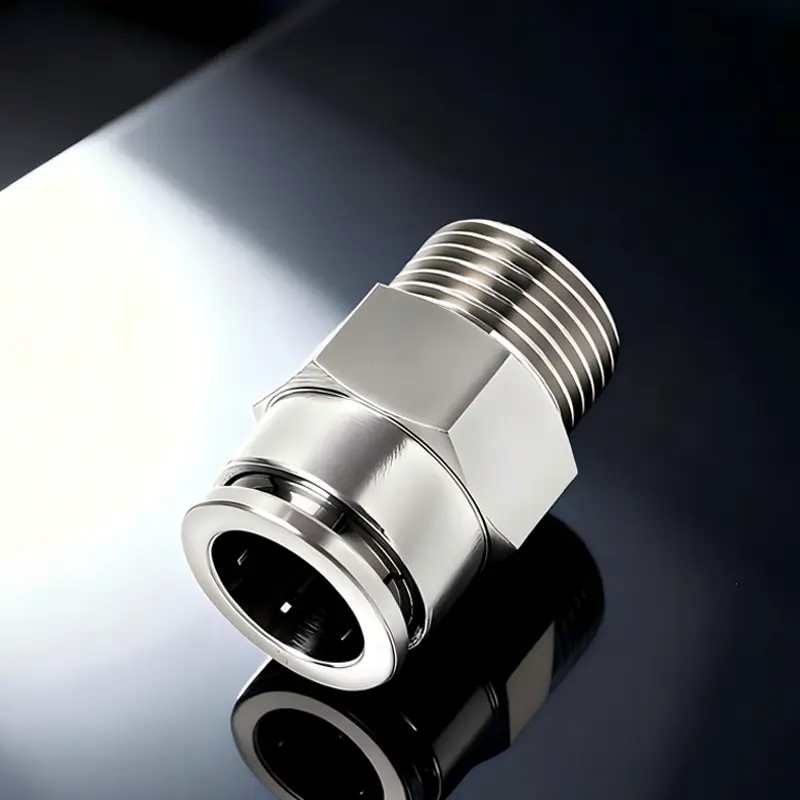
Engineered with high-precision manufacturing processes to ensure zero-leak performance and structural longevity.
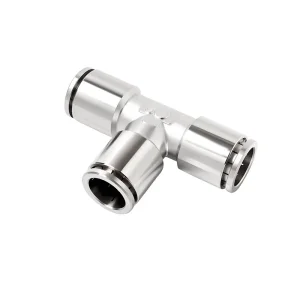
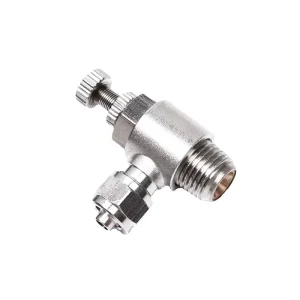
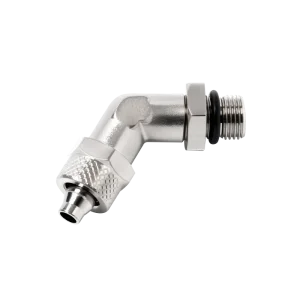
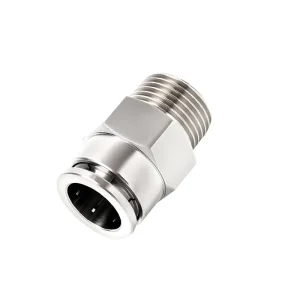
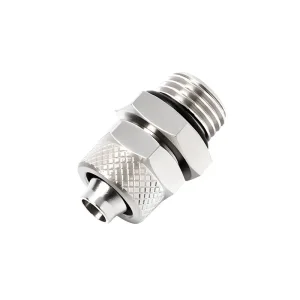
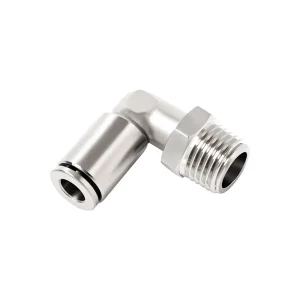
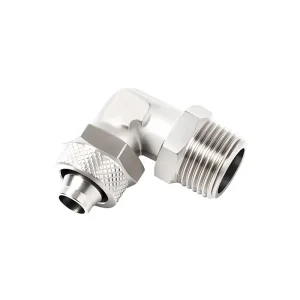
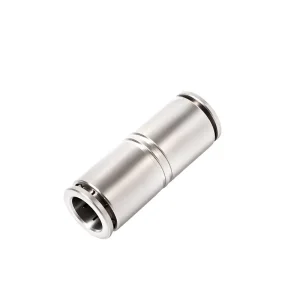
Modern industrial dynamics dictate that system efficiency, mechanical safety, and rapid deployment are no longer mere features—they are fundamental metrics of competitive success. Within the sphere of fluid logic and dynamic pressure lines, air line push fit connectors (also recognized universally as push-to-connect fittings) stand as the critical vascular infrastructure supporting automation. Transitioning from legacy compression mechanisms toward advanced polymer and composite-engineered push-fit architectures has transformed how design engineers approach pneumatic architectures.
As a global OEM/ODM leader, NHPC (Zhuji Nuoheng Pneumatic Machinery Co., Ltd.) has spearheaded this evolution. For over a decade and a half, we have observed that global supply chain pressures necessitate components that reduce system down-time to absolute zero. A simple leakage measuring a mere 1mm in diameter within a 6-bar pneumatic air line can bleed thousands of kilowatt-hours of electrical energy annually. By adopting state-of-the-art materials like modified PBT, nickel-plated brass components, and high-tensile stainless-steel locking collets, we supply high-performance solutions that actively combat pressure drop, thermal fatigue, and structural mechanical decay.
Dynamic O-Ring profiles that preserve gas tight sealing across variable temperature metrics, composite gripping systems that prevent tube-scoring, and thread patterns engineered to maximize structural mating efficiency with female ports.
Furthermore, the contemporary transition towards battery electric vehicle (BEV) architectures and high-density grid-scale Battery Energy Storage Systems (BESS) introduces challenging environmental stressors. Connectors in these systems must offer specialized characteristics, such as flame-retardant properties adhering strictly to UL94-V0 compliance, resistance against glycol-based liquid coolants, and structural durability to survive long-term vibration frequencies without fatigue.
The industrial landscape for pneumatic distribution components has globalized rapidly. Current industry dynamics highlight a robust demand driven by three distinct macro trends: the rise of smart factory automation (Industry 4.0), the proliferation of electric vehicle manufacturing infrastructure, and the massive scaling of clean energy storage systems.
From an procurement standpoint, OEM entities are transitioning away from localized sourcing to partner with consolidated suppliers capable of handling high-volume production without compromising on geometric consistency. This is where NHPC excels. Our facilities feature a complete workflow integration: from advanced material compounding and precision CNC engineering to state-of-the-art automated assembly lines and multi-stage optoelectronic dimensional checks.
Fittings designed for dynamic air lines must operate flawlessly under extreme temperature swings (-40°C to +120°C) and continuous, high-frequency vibratory stresses.
Energy storage projects require flame-retardant materials like UL94-V0 polyamides and special alloys to prevent flame propagation in the event of thermal runaway events.
Ultra-high lifecycle demands call for quick-connectors featuring optimized internal geometries to sustain multi-million cycles without seal decay.
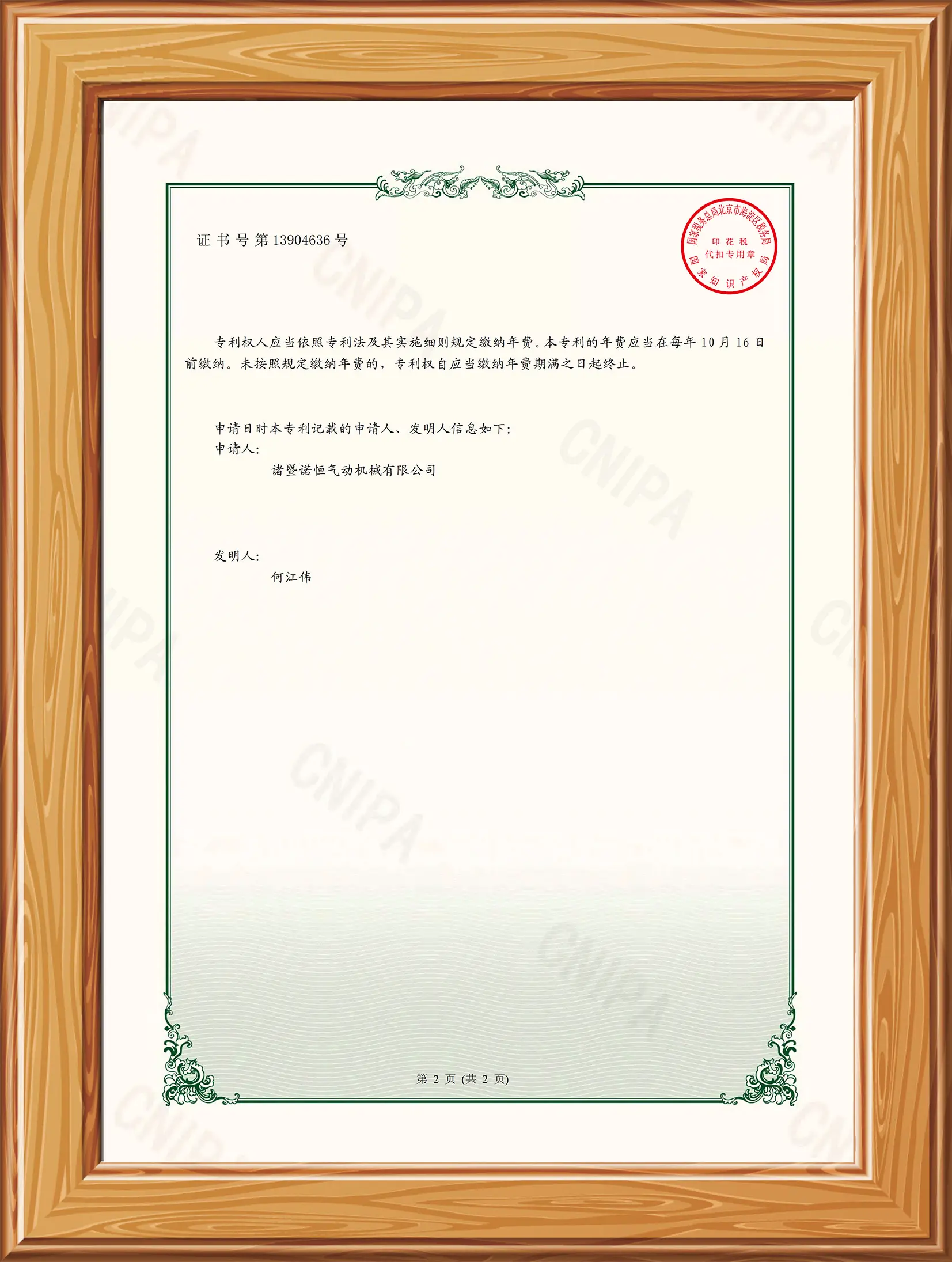
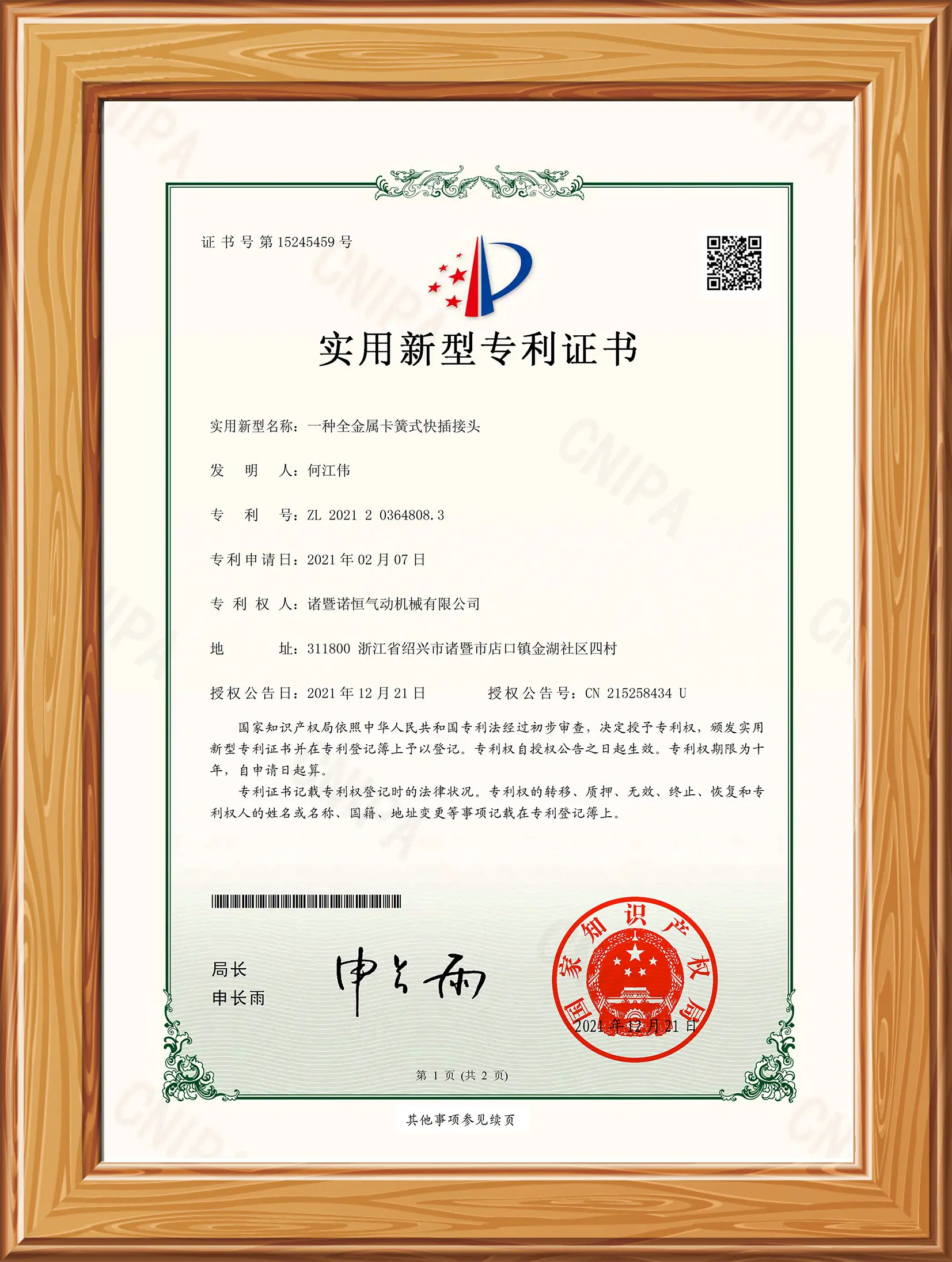
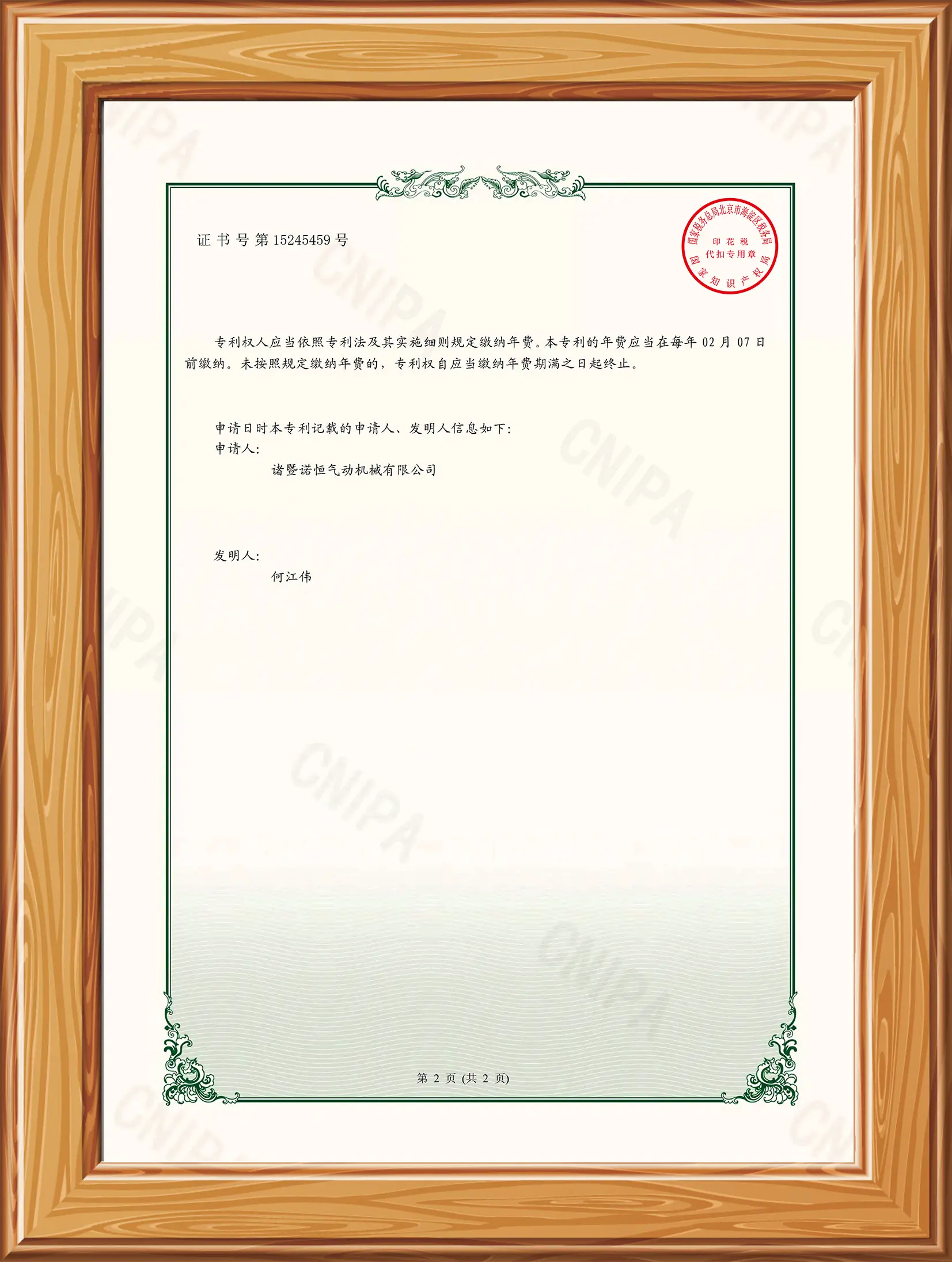
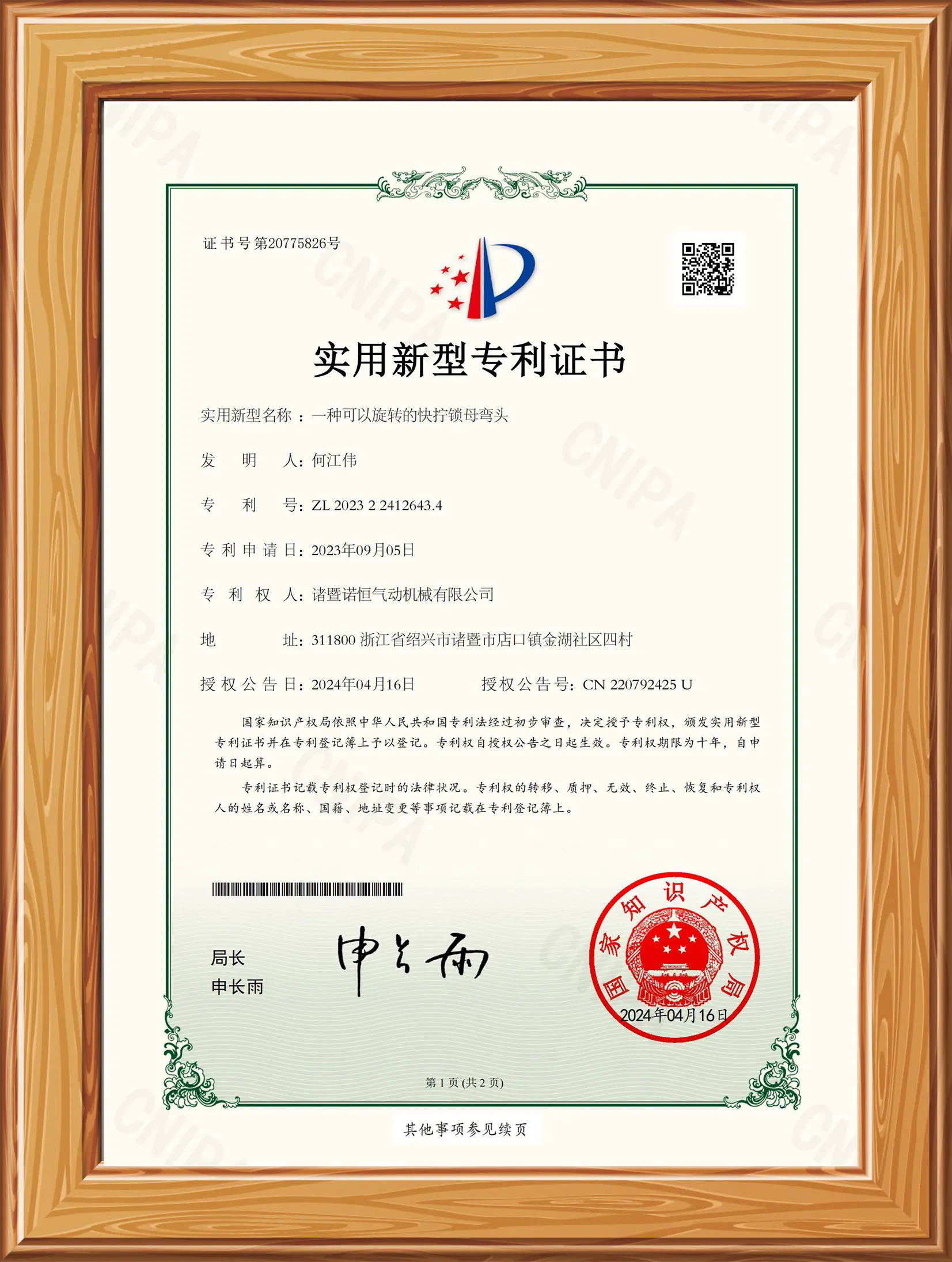
For cross-border engineering projects, compliance acts as the definitive operational gatekeeper. Connectors utilized in vehicular pneumatic circuits must align with global regulatory frameworks such as DOT (Department of Transportation) FMVSS 106 standards to assure on-road reliability. Concurrently, environmental mandates require that all products satisfy RoHS and REACH directives, ensuring they are free of hazardous substances before entering critical global markets.
Take an inside look at our modern production facilities and rigorous quality control methodologies.
Established on a bedrock of manufacturing integrity, NHPC has developed into a major global supplier of pneumatic components. With custom-built manufacturing centers operating high-precision CNC lathes, multi-cavity injection molding machines, automated stamping systems, and die-casting rigs, we maintain complete horizontal and vertical control over our supply chain.
Our team of over 100 dedicated technical and quality control specialists conducts extensive inspections, encompassing raw material verification, geometric dimensioning, structural burst-pressure trials, and environmental salt-spray testing. We offer full design engineering and simulation capabilities to prototype custom pneumatic solutions, supporting clients from concept through to bulk production.
Integrating pneumatic components into massive industrial structures demands a system-level engineering approach rather than simple component sourcing. A pneumatic circuit is only as reliable as its weakest link. NHPC delivers comprehensive pipeline system solutions engineered to address critical design challenges:
We engineer the internal flow profiles of our connectors to minimize air turbulence and fluid drag, keeping pressure drops to an absolute minimum.
Designed with multi-tooth stainless-steel lock claws, our fittings maintain a secure hold on pneumatic tubing even when subjected to intense, continuous vibration.
By utilizing premium seal materials like NBR, FKM (Viton), and EPDM, our connectors maintain elastic properties under conditions ranging from severe arctic cold to high thermal output environments.
Through our dedicated design and analysis services, we collaborate directly with customers' engineering groups to perform stress modeling, flow rate analysis, and environmental compatibility testing. This proactive engineering support helps identify potential issues during the design phase, avoiding costly field modifications down the road.
Global operations require local compliance. When components cross borders, they must align with localized specifications and certification processes. NHPC works closely with international testing labs to guarantee that our products comply with the standards of all target markets.
As industrial automation advances, connection technology must keep pace. The next phase of development focuses on smarter, lighter, and more environmentally sustainable components. NHPC's R&D roadmap targets three primary areas of technological advancement:
First, we are exploring next-generation engineering polymers. We seek to replace traditional metals with lightweight, high-strength composites that match the pressure resistance of brass while lowering weight and resisting chemical corrosion. Second, our engineering teams are developing smart monitoring systems. We are incorporating miniature pressure sensors directly into specialized push-fit connections, allowing operations teams to monitor flow rates and pinpoint leaks in real time.
Finally, we are committed to environmental stewardship by optimizing our manufacturing footprints. This includes transitioning toward bio-based polymers, reducing material scrap rates, and enhancing energy efficiency across our CNC machining and injection molding centers.
Providing clear, engineering-grade answers to technical queries from procurement teams and mechanical engineers.
G threads (BSPP) are parallel threads that rely on an elastomeric O-ring or flat washer seated at the base of the male fitting to establish a seal against the female face. R threads (BSPT) and NPT threads are tapered connection interfaces. Tapered designs achieve a mechanical seal through metal-on-metal interference along the thread flank, which requires thread tape or liquid pipe sealant to prevent helical micro-leaks. G threads are widely used in Europe and Asia due to their ease of assembly and consistent sealing, while NPT remains the primary standard for North American industrial piping configurations.
UL94-V0 is a fire safety standard that measures the self-extinguishing properties of plastic materials. Under test conditions, vertical flame application must extinguish within 10 seconds, and no flaming drips are allowed. For Battery Energy Storage Systems (BESS), using UL94-V0 rated fittings helps prevent fire propagation through conduits in the event of thermal runaway, isolating electrical faults and protecting high-value components.
Polymer fittings (typically constructed with PBT bodies and POM release sleeves) are generally rated for standard pneumatic pressures up to 10-12 bar (150-175 PSI) within temperate limits. Nickel-plated brass fittings offer higher mechanical strength, supporting pressure levels up to 20 bar (290 PSI) or more. Brass also provides excellent resistance to physical impacts and environmental degradation, making it suitable for heavy-duty applications like DOT-compliant air brake lines.
In high-vibration environments, standard lock claws can slide against the tube, creating surface wear and potential leak paths. NHPC solves this issue by optimizing lock claw geometries and using multiple precision teeth. These teeth distribute mechanical stress evenly and prevent movement. Additionally, incorporating internal double O-ring configurations ensures the tube remains sealed even when subjected to dynamic lateral loads.
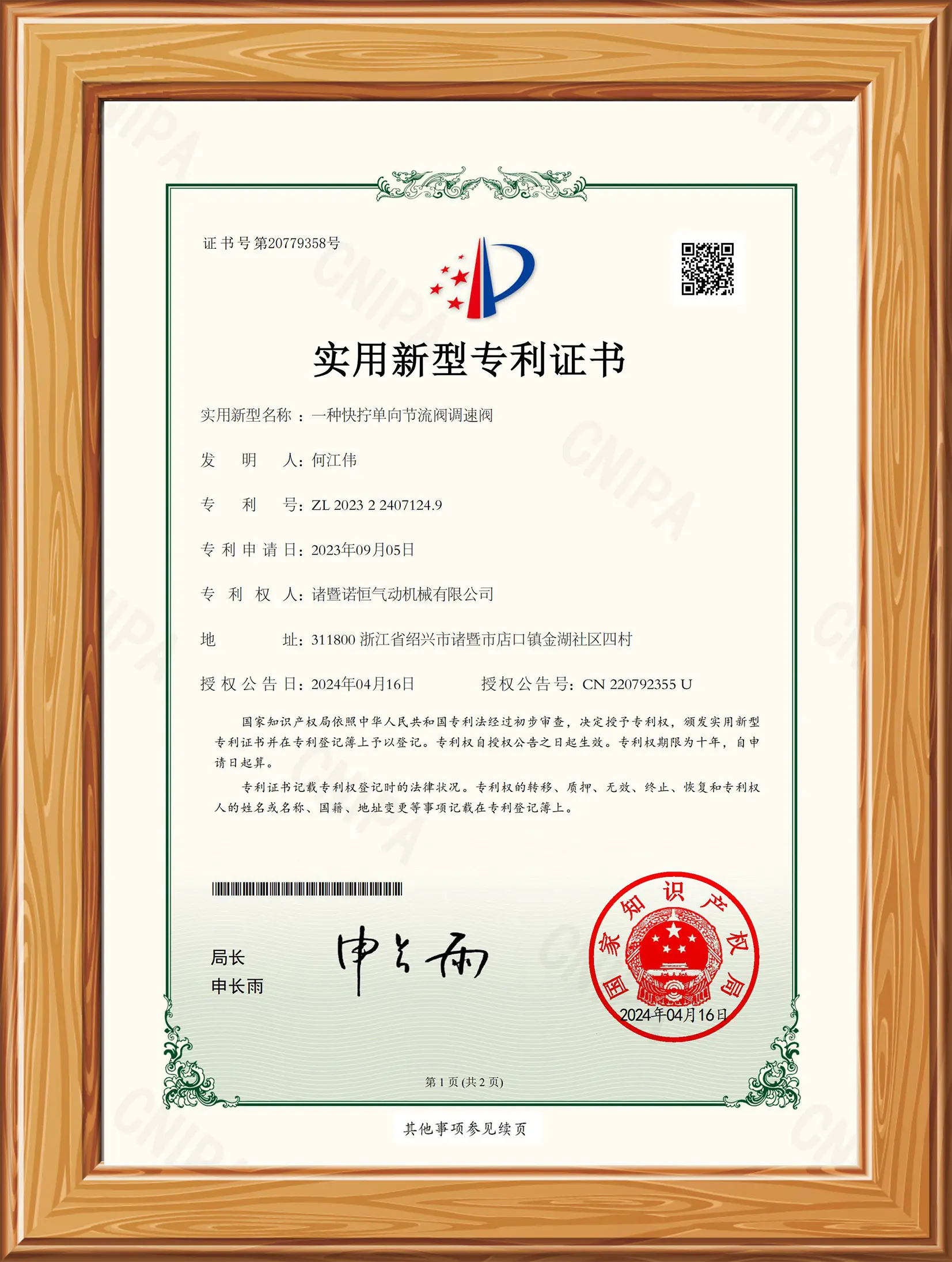
Engineered to meet specific regulatory standards, including DOT certifications and specialized flame-retardant requirements.
 Nuoheng