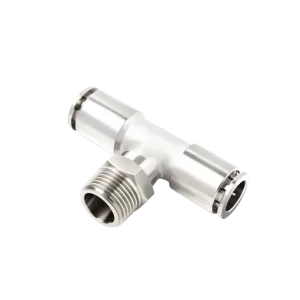
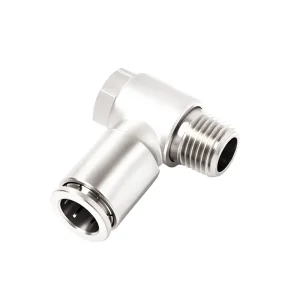
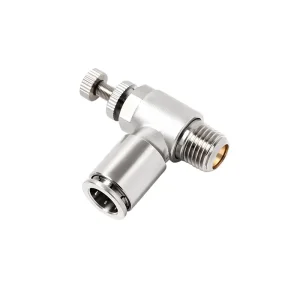
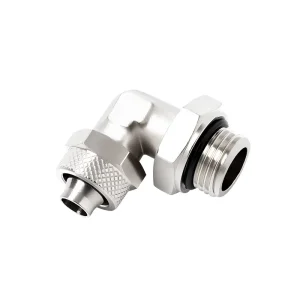
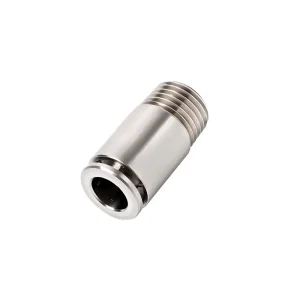
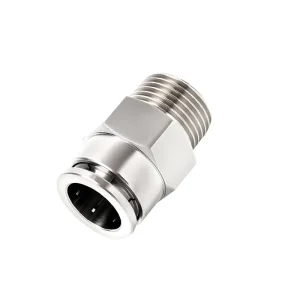
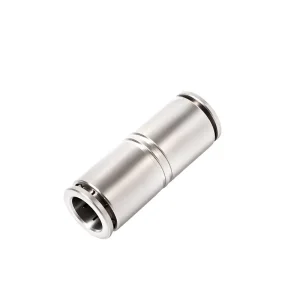
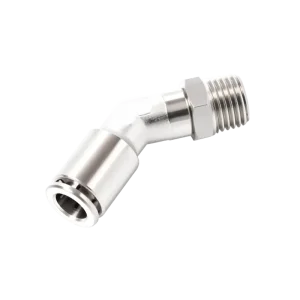
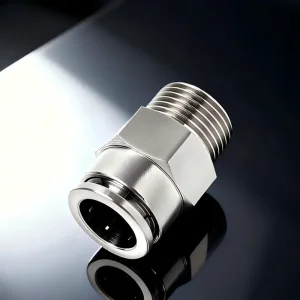
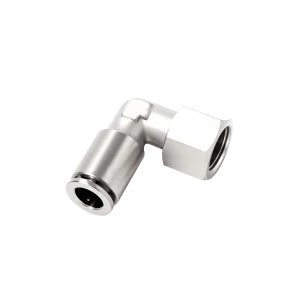
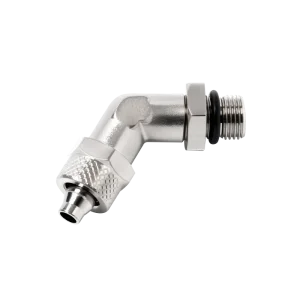
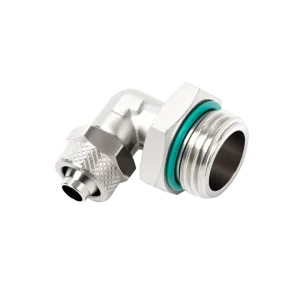
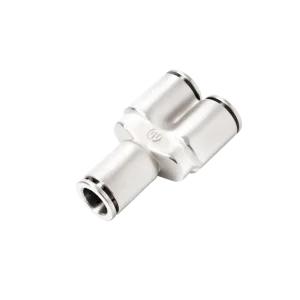
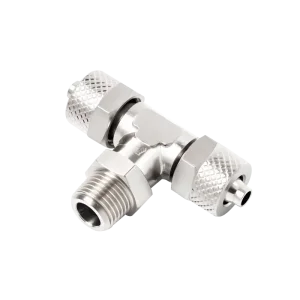
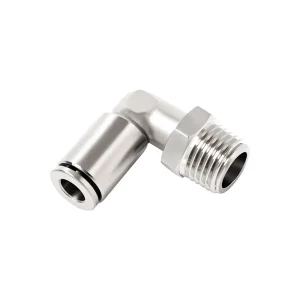
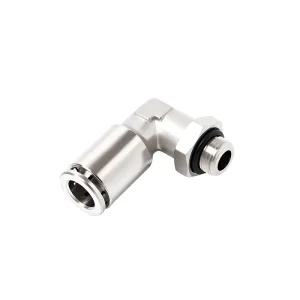
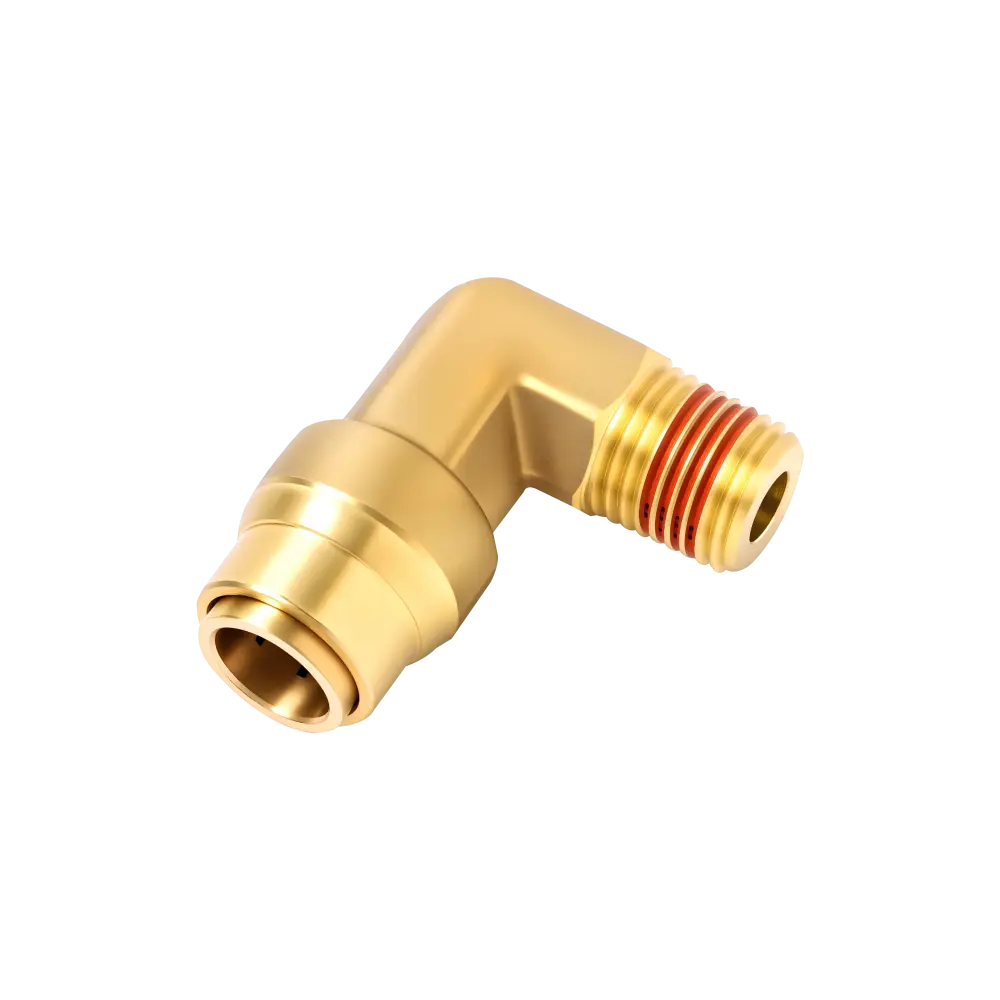
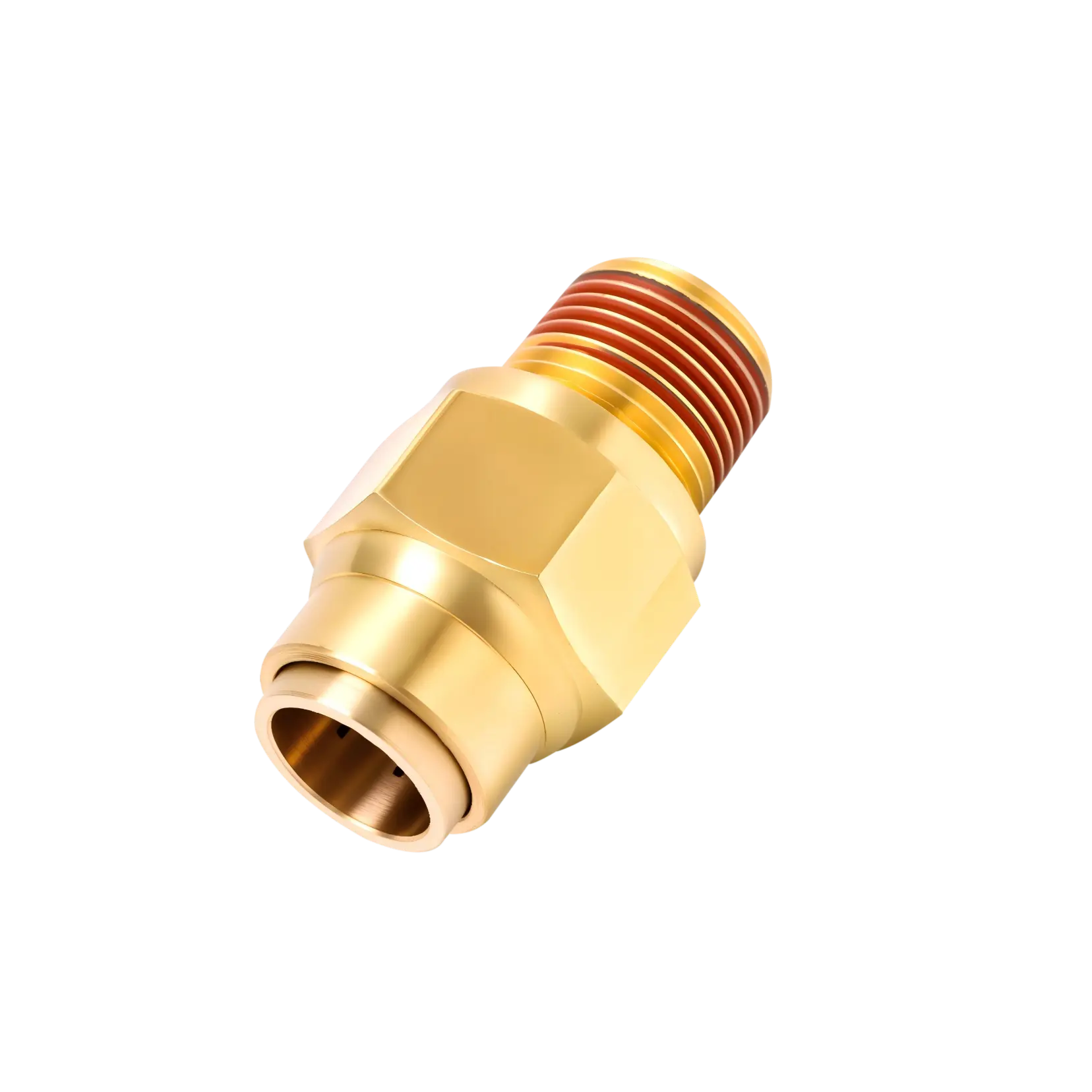
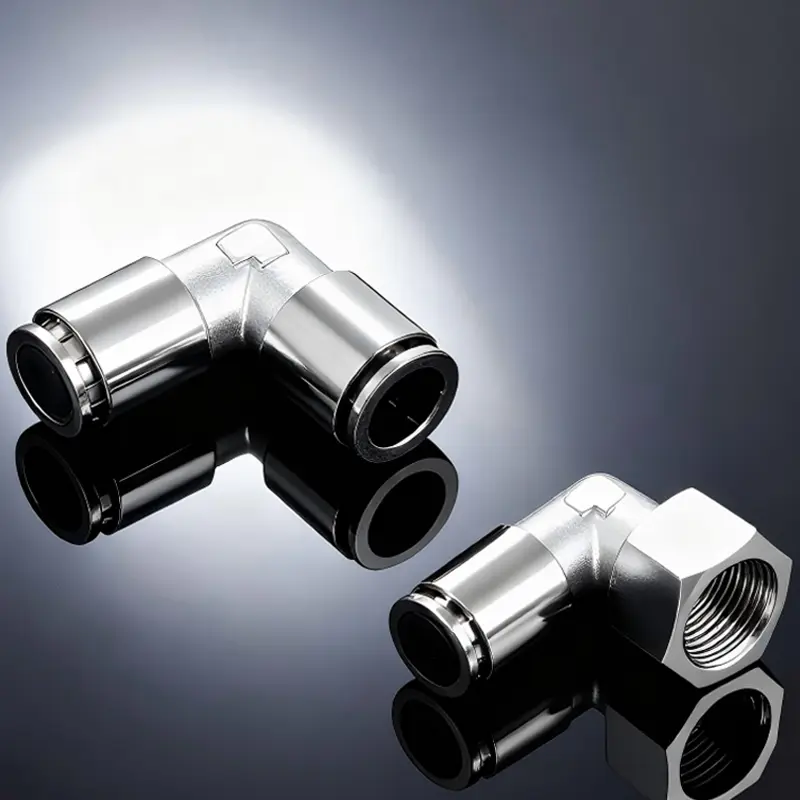
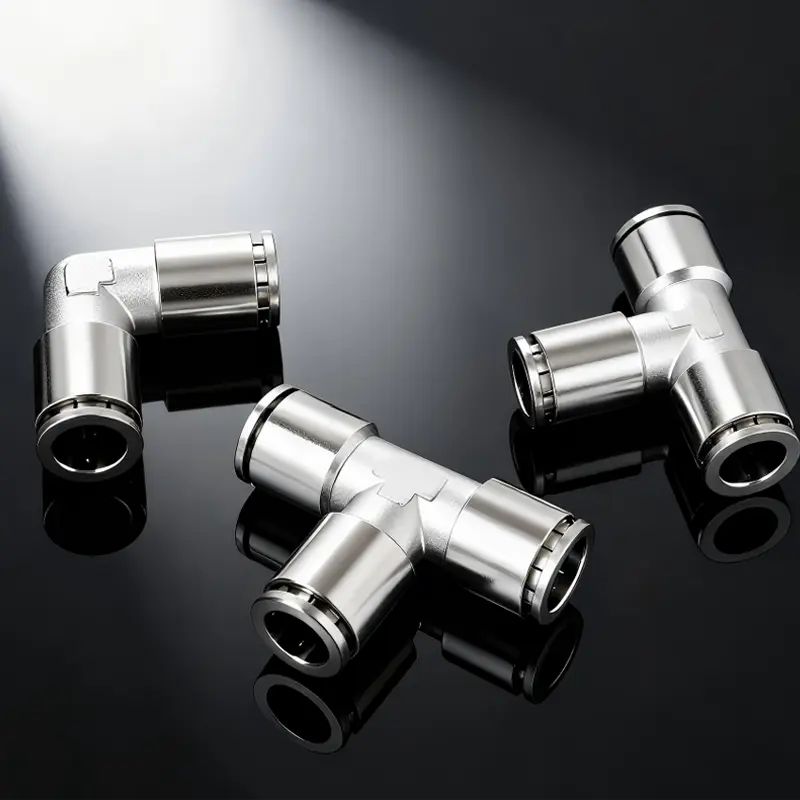
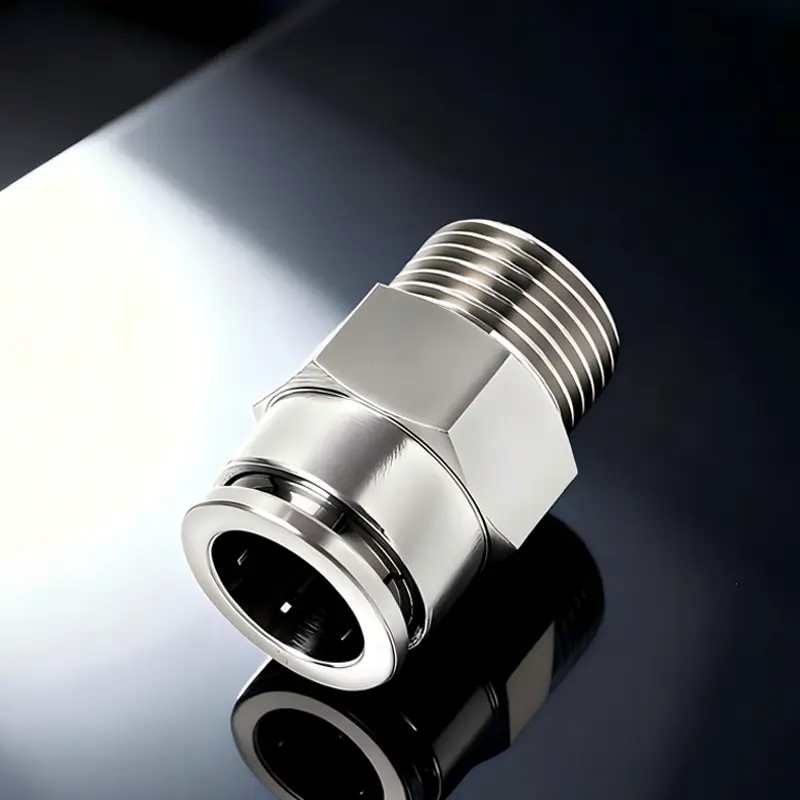
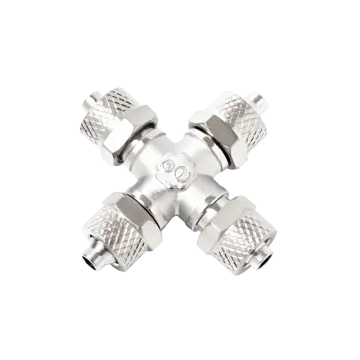
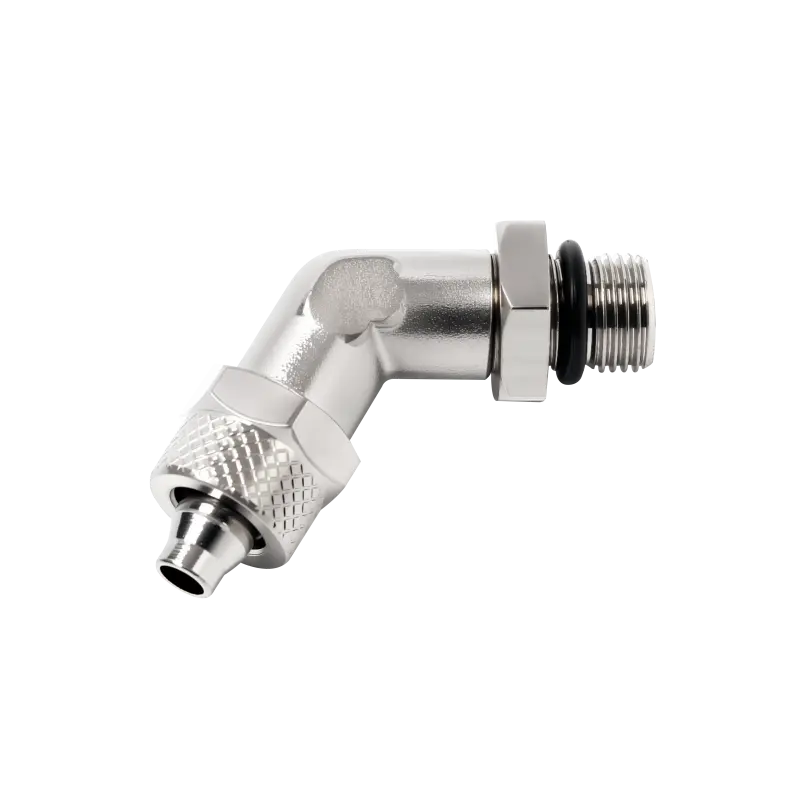
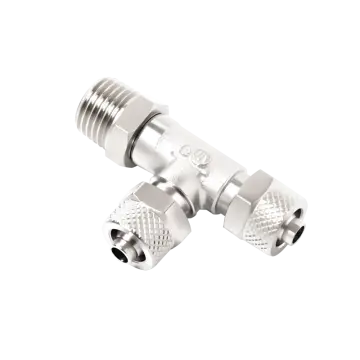
High-precision push-in and push-on components built to ensure seamless connection integrity in high-pressure pneumatic, hydraulic, and fluid lines.
How the intersection of heavy metallurgy and ultra-precision manufacturing is redefining global fluid management standards.
In modern chemical processing, offshore exploration, and pharmaceutical transfer, carbon steel is rapidly giving way to high-grade austenitic alloys. The integration of Molybdenum (2-3%) in SS316 offers unparalleled resistance to chloride-induced pitting, reducing fluid contamination risks and prolonging structural operational life in hostile marine environments.
Environmental regulations such as Clean Air Act amendments and European REACH mandates are pushing heavy industries toward zero-emission couplings. Camlock configurations now increasingly specify safety-lock handles, automatic locking mechanisms, and specialized fluoropolymer seals (PTFE/Viton) to eliminate catastrophic disconnect accidents.
Industrial operations require seamless interface matching between traditional Cam & Groove configurations (MIL-C-27487 / A-A-59326) and auxiliary pneumatic, push-lock, and flame-retardant pipe fittings. Unified manufacturing platforms like NHPC allow operators to design comprehensive pipeline topologies spanning different locking mechanisms.
Traditional camlock fittings operate on a mechanical friction profile. Standard safety procedures require high tensile strength handles and precise locking pins. The mechanical load applied by the cam arms must be evenly distributed around the circumference of the male adapter ring. Minor casting defects or uneven dimensional tolerances (deviating by more than ±0.05mm) can lead to catastrophic decoupling under pulsating line pressure. Thus, CNC precision grinding and coordinate-measuring machine (CMM) testing are non-negotiable for safety-critical components.
Evaluating TCO (Total Cost of Ownership), logistics, material certification protocols, and supplier validation models.
Unit cost represents less than 30% of the long-term lifecycle expense of high-pressure fittings. Global procurement managers look for low failure rates, wear-resistant gaskets, and certified chemical compatibility. A single leak incident can halt plant operations, incurring downtime losses that completely overshadow initial procurement savings. NHPC addresses this by employing advanced stress-testing protocols on all shipped units.
For demanding safety critical operations, steel camlock suppliers must provide complete metallurgical traceability. Heat treatment records, raw chemical composition breakdown (carbon, chromium, nickel, molybdenum content), and mechanical yield strength tests are mandatory. Procurement protocols must enforce EN 10204 type 3.1 inspection certificates to verify real-world integrity.
Relying on single-source geographic origins creates logistical vulnerabilities. Leading global enterprises contract with manufacturers like Nuoheng Pneumatic who maintain high raw-material buffers and operate high-precision automated manufacturing hubs. Standardized designs ensure cross-compatibility with existing hardware globally, simplifying inventory replenishment cycles.
| Coupling Type | Common Designation | Standard Pressure Rating (2" / DN50) | Ideal Application Environments | Material Compatibility Options |
|---|---|---|---|---|
| Type A | Male Adapter × Female NPT/BSP | 250 PSI / 17 Bar | Inlet manifolds, pump connections, chemical lines | SS316, SS304, Brass, Carbon Steel |
| Type B | Female Coupler × Male NPT/BSP | 250 PSI / 17 Bar | Fluid processing, temporary bypass setups | SS316, Brass, Engineered Polymers |
| Type C | Female Coupler × Hose Shank | 250 PSI / 17 Bar | Bulk material transport, suction and discharge hoses | SS316, Stainless 304, Aluminum |
| Type D | Female Coupler × Female NPT/BSP | 250 PSI / 17 Bar | Refineries, maritime transfer, waste treatment | SS316, SS304, Brass |
| Type E | Male Adapter × Hose Shank | 250 PSI / 17 Bar | Agriculture washdown, hydraulic transfer networks | SS316, Aluminum, Polypropylene |
| Type F | Male Adapter × Male NPT/BSP | 250 PSI / 17 Bar | High-frequency disconnect manifolds, heavy industrial | SS316, SS304, Brass, Carbon Steel |
Forging high-performance fluid connections and pneumatic system architectures for global critical infrastructures.
Welcome to NHPC, a leading manufacturer in the pneumatic and fluid control industry with a rich history spanning over 20 years. Our journey began with a simple but powerful vision: to revolutionize the pneumatic and high-pressure fitting sector by delivering premium-quality, innovative, and reliable components that meet the ever-evolving demands of international operations. Today, we are proud to stand as a trusted partner, serving a diverse portfolio of heavy industrial clients globally.
We specialize in the design, development, and manufacturing of an extensive range of fluid control products, including push-in fittings, push-on fittings, quick disconnect camlock systems, flame-retardant connectors, and custom-engineered pneumatic valves.
Leveraging comprehensive fluid dynamics expertise, we assist clients in system topology design, selecting optimized materials and safety mechanisms to match exact pressure, temperature, and corrosion profiles, minimizing engineering overhead.
Our state-of-the-art manufacturing plants are equipped with high-precision surface finishing stations, automated CNC lathes, multi-axis machining centers, plastic injection molders, stamping, die-casting, and forging machinery. We enforce strict QA/QC bounds at every phase, from raw ingot sourcing to final packaging.
Our responsive customer and engineering support team is continuously updated on global compliance standards, ready to resolve operational questions, provide engineering adjustments, and manage logistics to minimize delivery lead times.
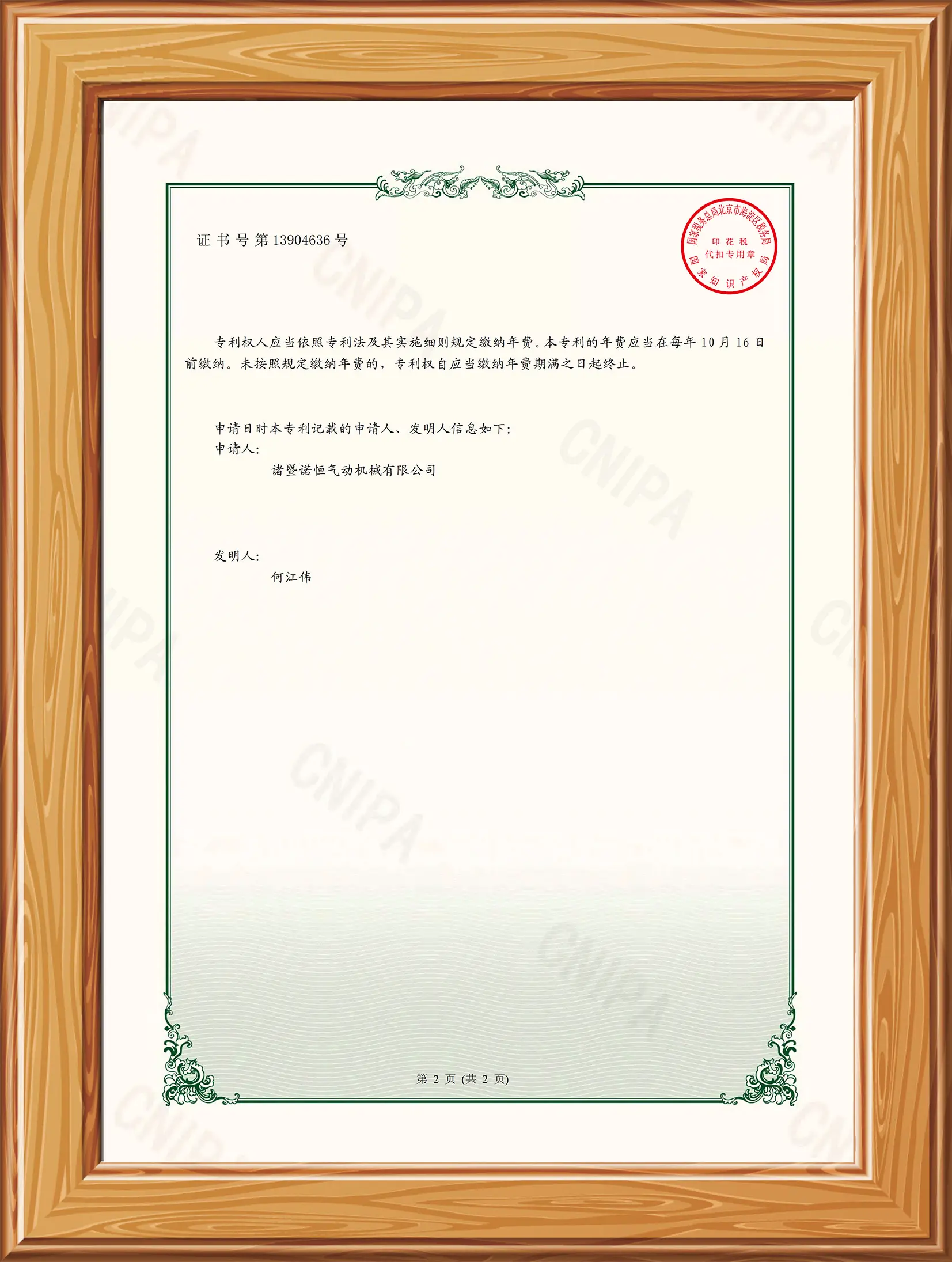
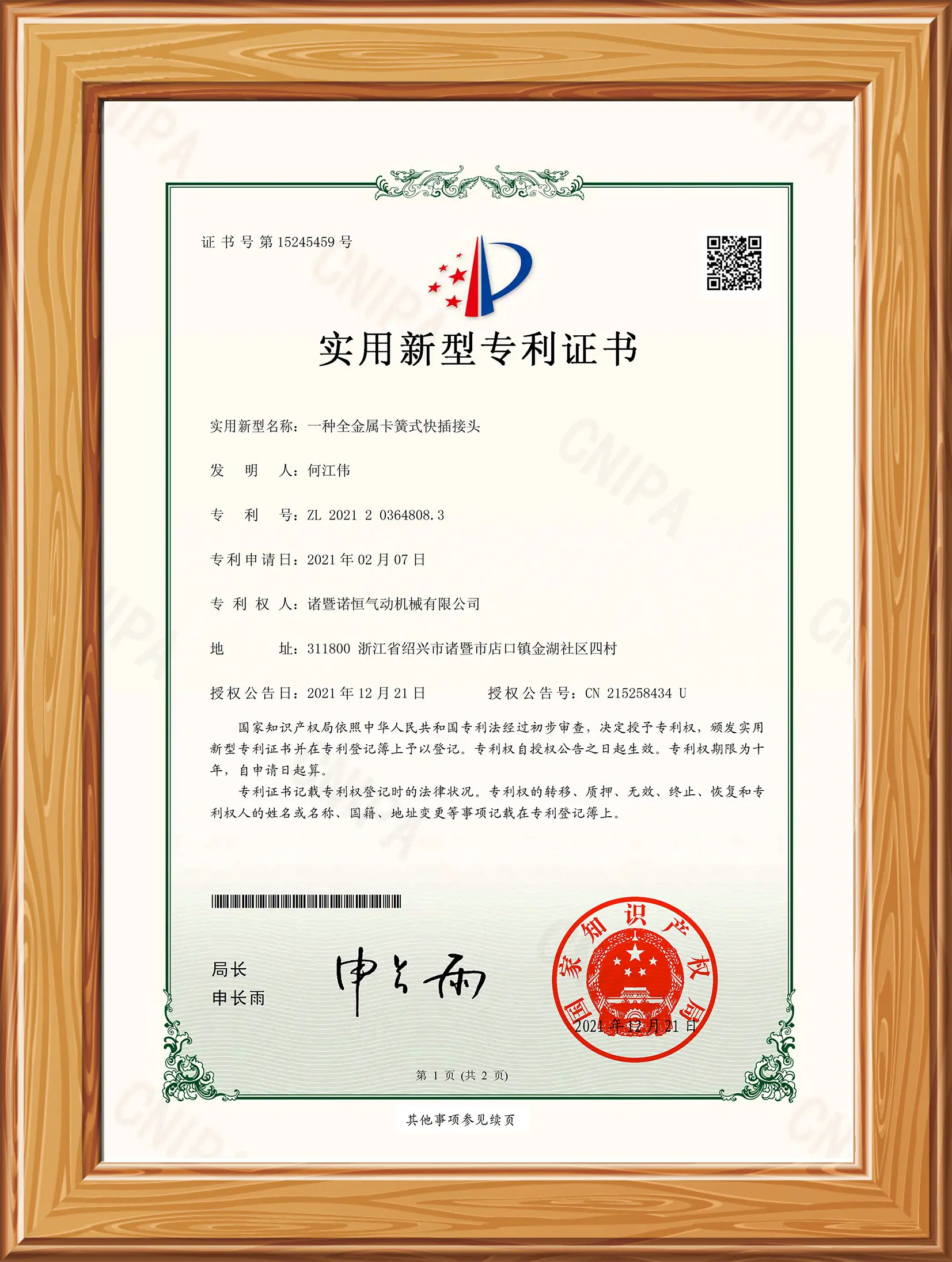
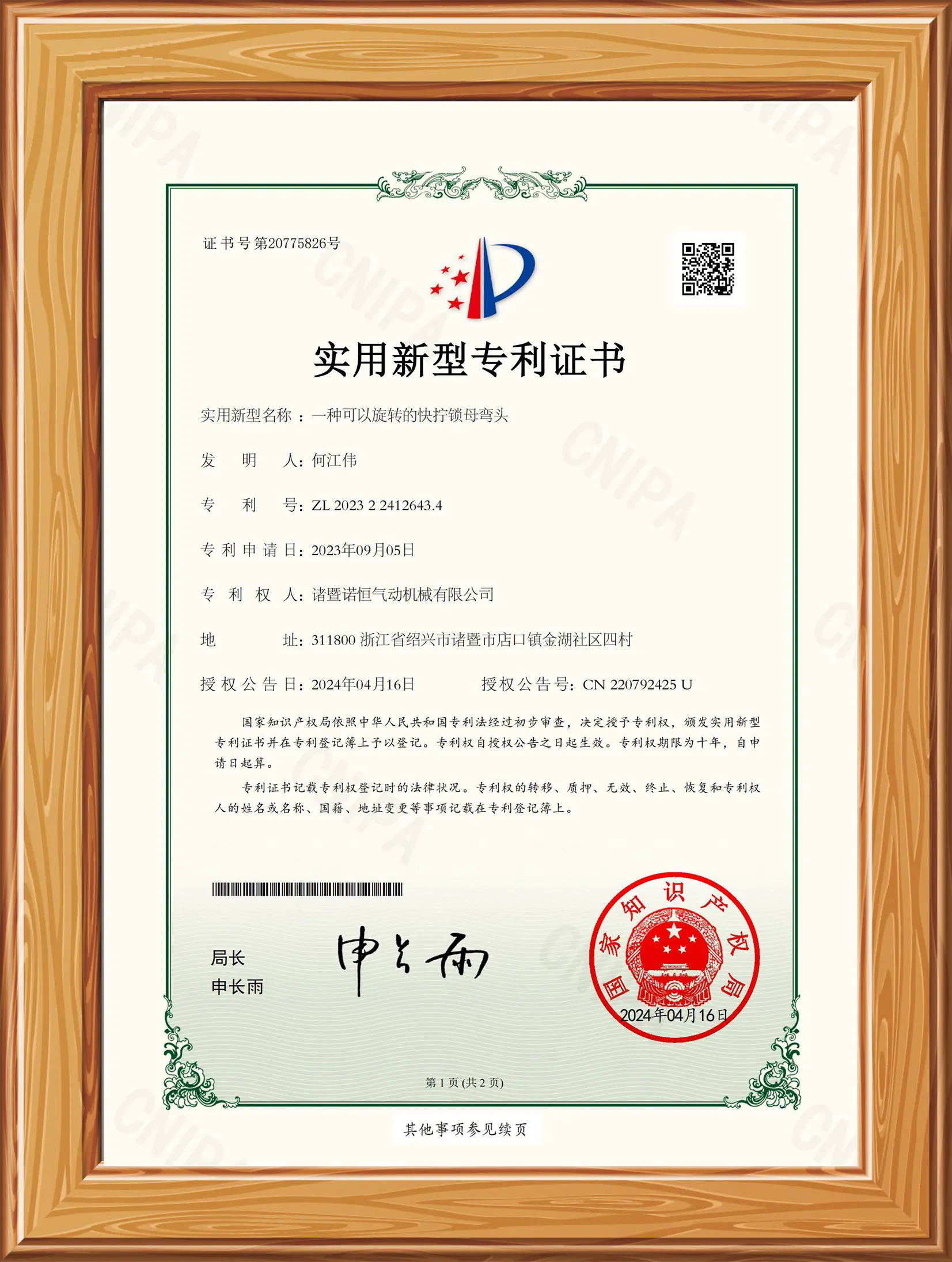
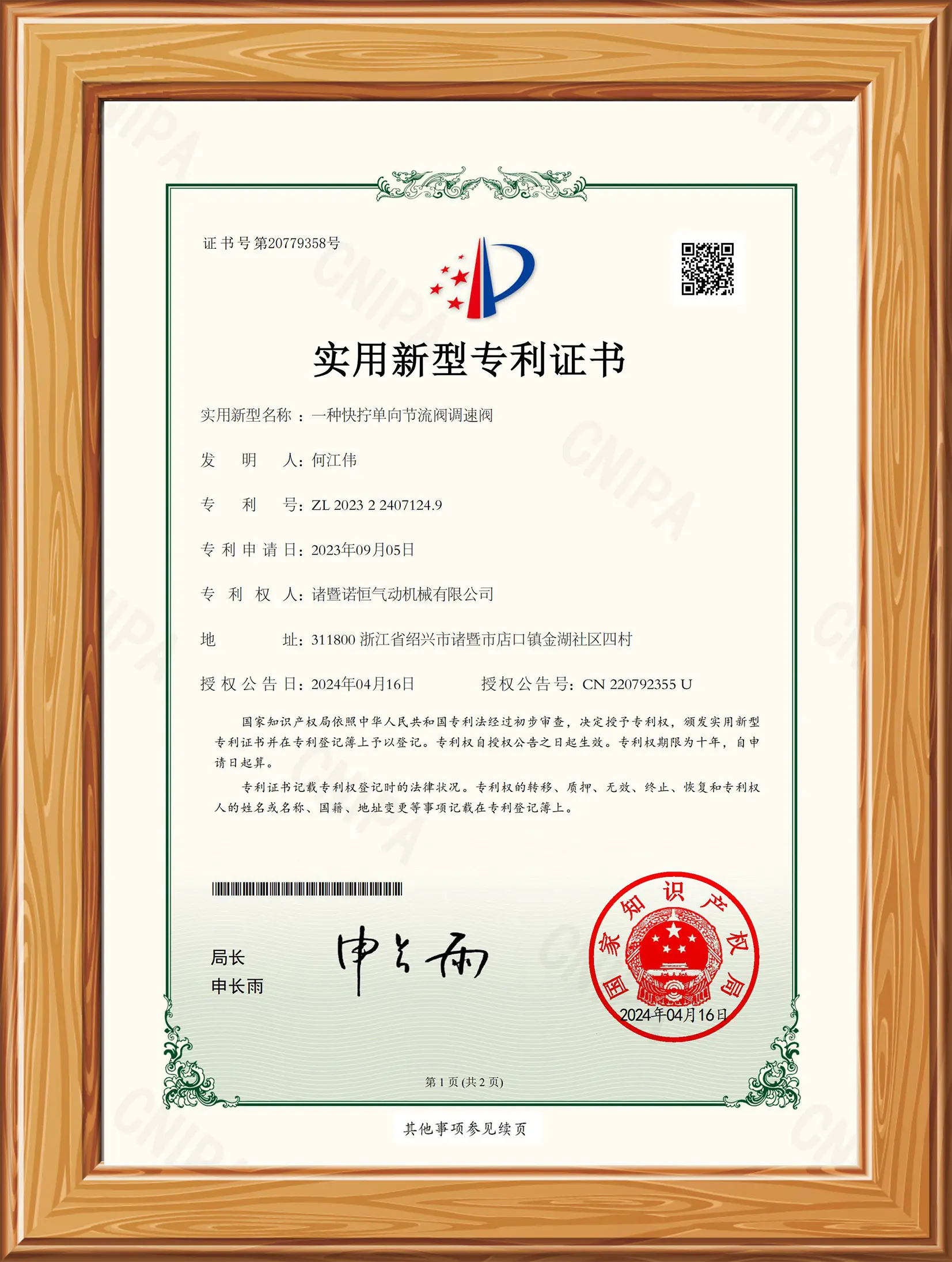
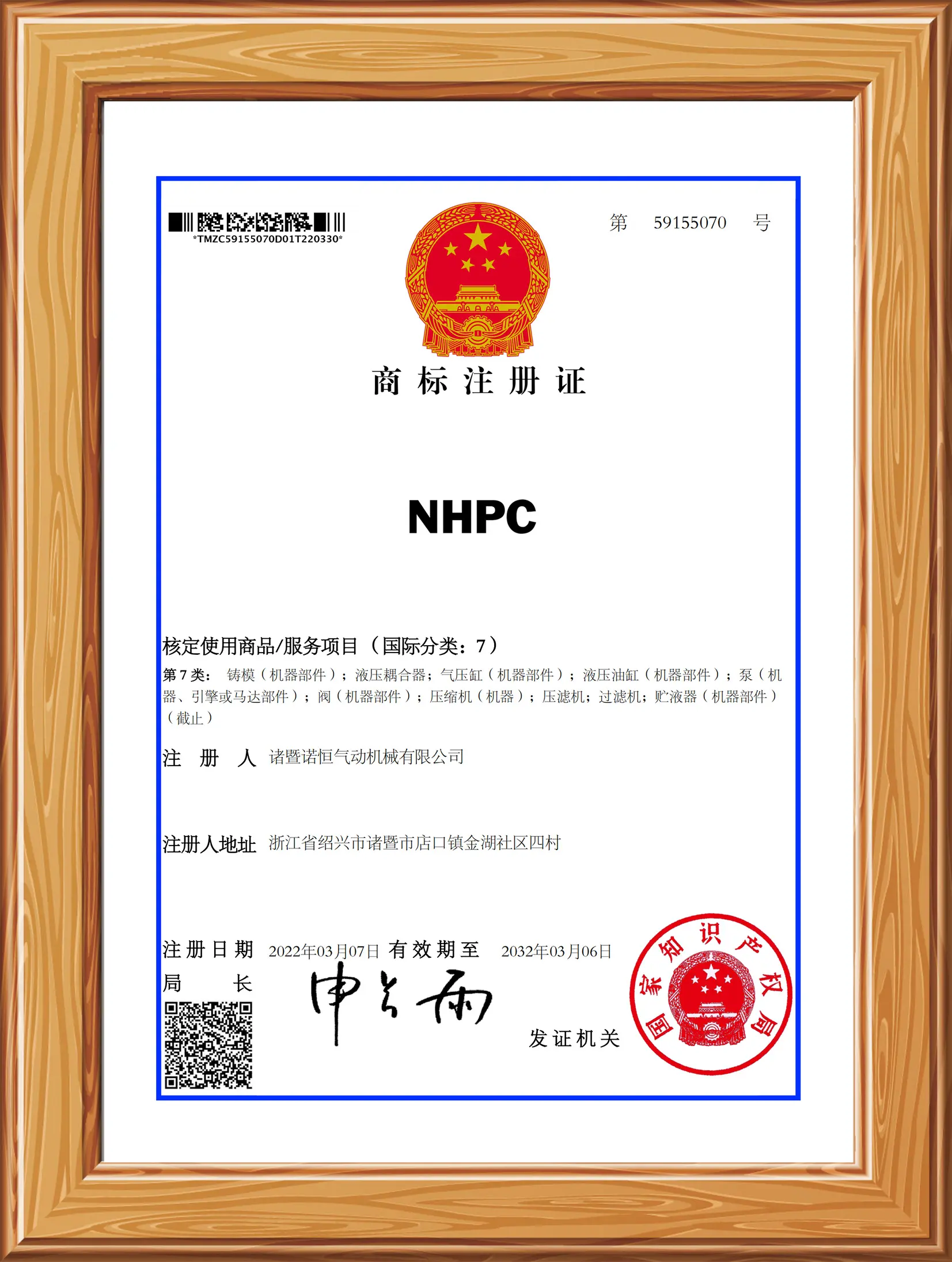
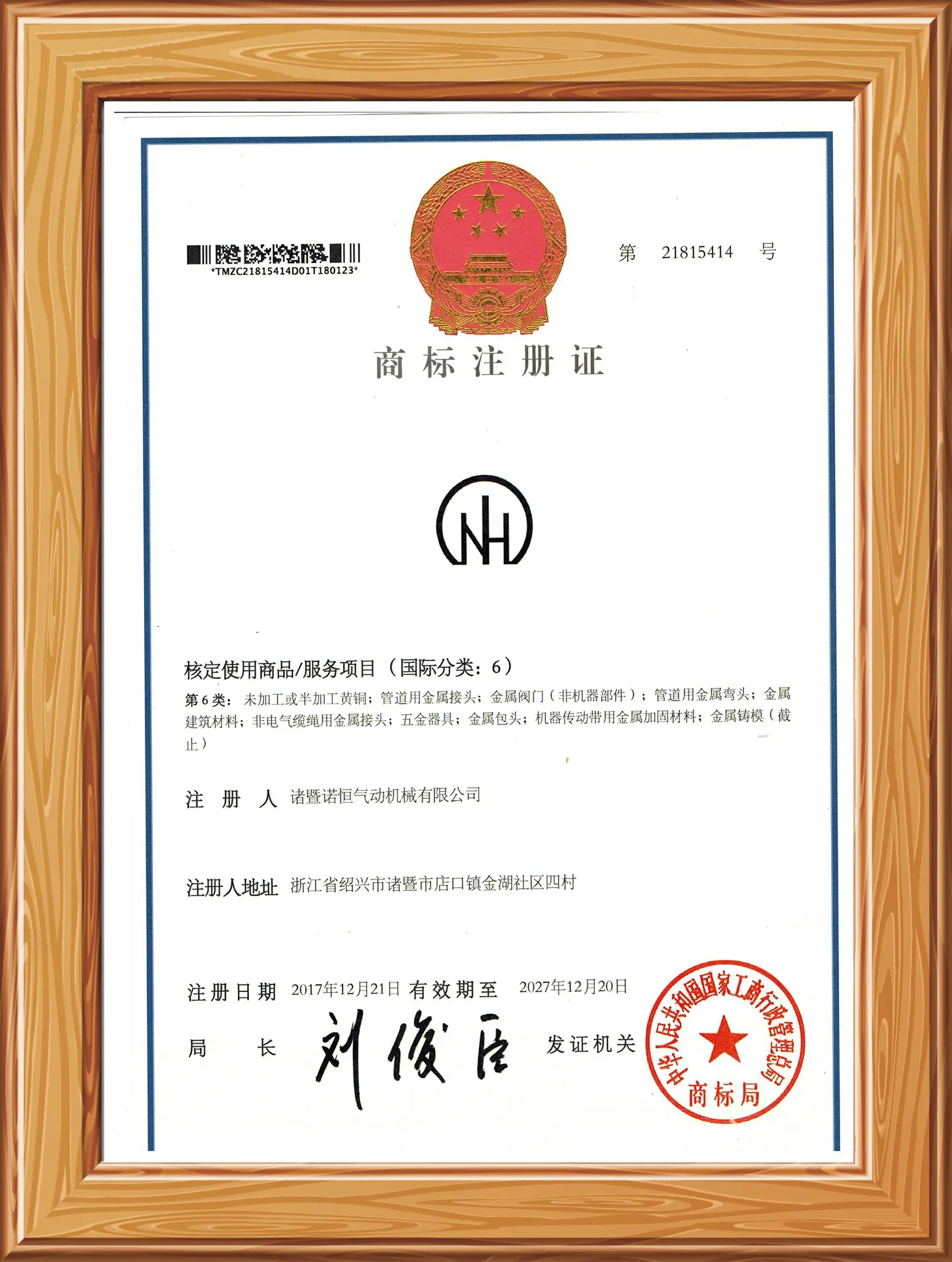
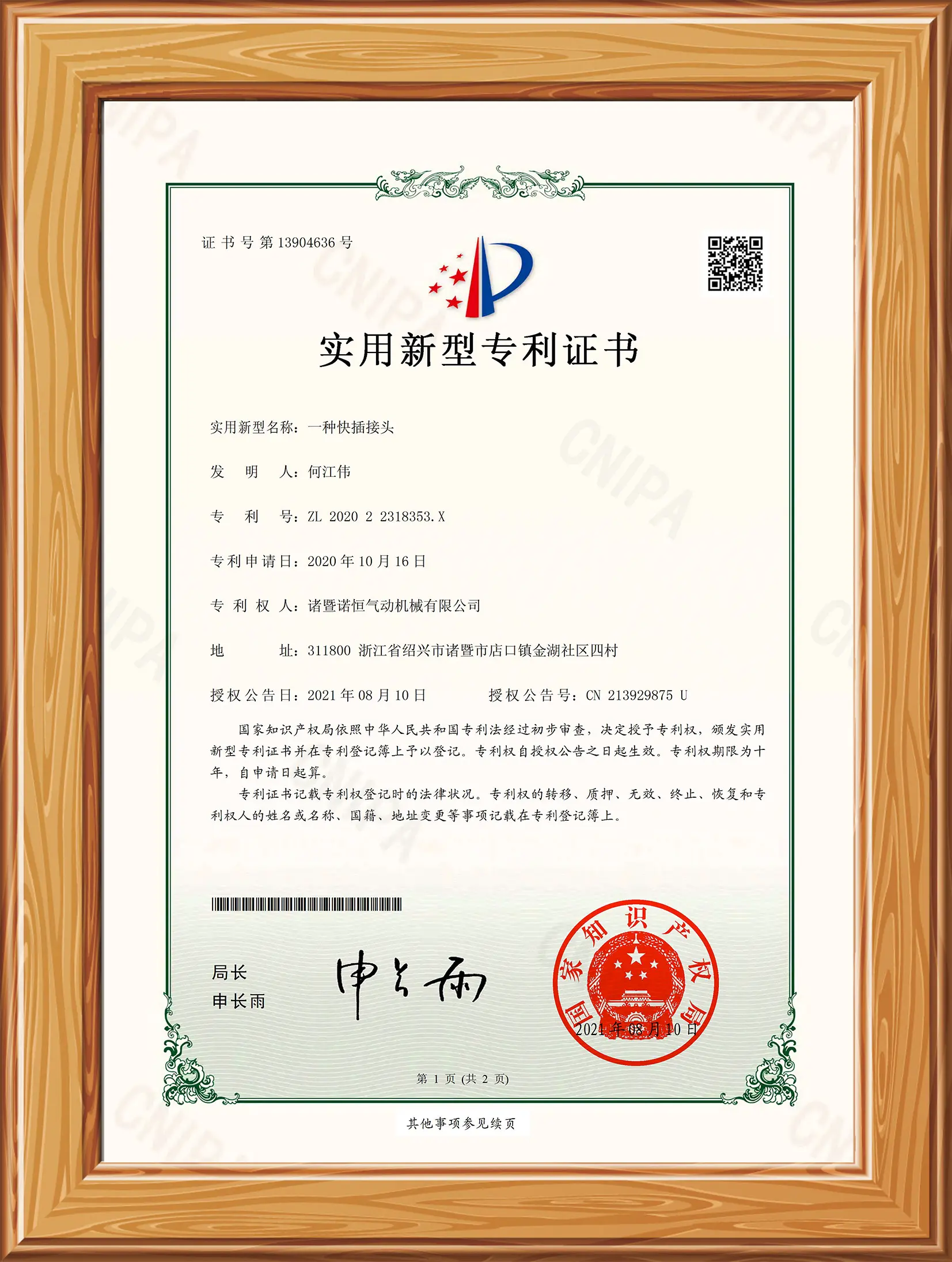
Deploying robust, standards-compliant mechanical connections across critical process domains.
Managing hydrocarbon transfer requires materials capable of withstanding mechanical vibration, ambient weather changes, and aggressive media. Heavy duty stainless steel camlocks engineered with Viton or PTFE seals provide safe operation in high-throughput transfer terminals, railcar unloading areas, and offshore loading platforms.
Hygiene requirements demand hardware completely free from surface pits, pockets, or micro-grooves that can harbor bacteria. Electropolished stainless steel couplings (RA < 0.4 μm) ensure compatibility with Clean-in-Place (CIP) regimes and prevent batch contamination, complying with FDA and 3-A sanitary standards.
Modern thermal management architectures within commercial battery enclosures utilize liquid cooling loops. Specifying flame-retardant pipe fittings and leak-free connectors prevents coolant dispersion into battery racks, minimizing thermal runaway risks. Our PC, PE, and PLF series are specifically tailored for energy storage safety integration.
Engineered for dynamic motion tolerances and safety-critical pneumatic installations.
Verifying compliance with critical dimensional, material, and hazard-mitigation criteria.
To maintain modular component compatibility, our steel camlock profiles strictly conform to United States Commercial Item Description A-A-59326 (superseding MIL-C-27487). This standard defines exact casting tolerances, pin placement offsets, and gasket pocket dimensions, ensuring our fittings interface seamlessly with other certified manufacturers worldwide.
European industrial setups generally require compliance with EN 14420-7 (formerly DIN 2828). This directive mandates specific coupling wall thicknesses, safety lock handle configurations, and pressure safety margins. Our manufacturing lines adapt to these criteria, providing customized components matching European regional requirements.
For applications involving potable water, electronic coolant circulation, or medical environments, we enforce strict compliance with European REACH and RoHS directives. Raw materials are checked to ensure lead, cadmium, and heavy metal concentrations stay below permissible thresholds, eliminating hazard risks.
Integrating digital validation systems, advanced coatings, and eco-friendly design principles.
Our future R&D aligns with Industry 4.0 paradigms. We are developing smart coupling housings equipped with RFID tags and pressure-sensitive micro-transducers. These sensors continuously monitor structural seal health and transmit real-time alerts upon detecting fatigue, helping operators prevent leaks.
For high-abrasion applications like mineral slurry transfer or concrete conveying, standard steel surfaces wear down quickly. Our ongoing work with PVD coatings applies a thin layer of titanium nitride (TiN) or carbon-based diamond-like carbon (DLC), increasing surface hardness to values exceeding HV 2000.
Combining classical sand casting with modern selective laser melting (SLM) enables us to manufacture complex internally channeled steel adapters. This reduces pressure drops, smooths turbulent flow zones, and improves pump efficiency in fluid lines.
Resolving common operational issues, installation questions, and engineering requirements.
High-precision brass, flame-resistant polymer, and G-thread coupling solutions designed for demanding system operating parameters.
 Nuoheng