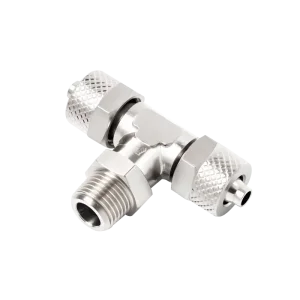
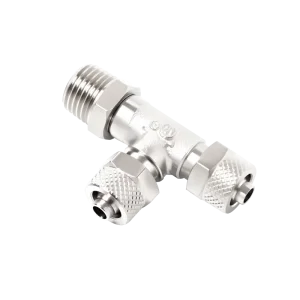
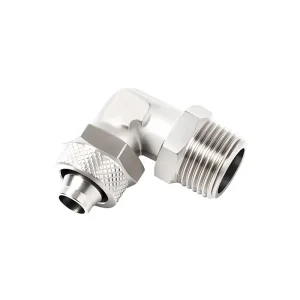
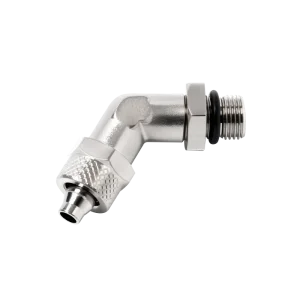
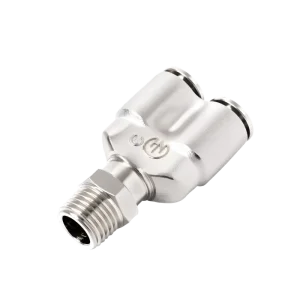
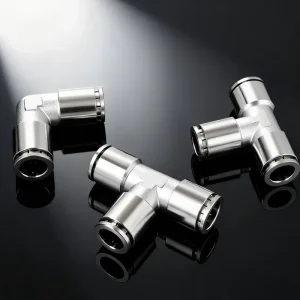
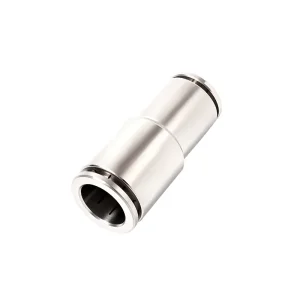
Explore our flagship range of push-in and push-on components engineered for durability and zero-leak performance.
Strategic analysis of industrial pneumatics, material optimization, and global supply chain integrations.
In modern manufacturing ecosystems, the demand for precision, fluid integrity, and mechanical resilience has pushed traditional metal alloys to their design limits. High-Quality Pe8 series pipe fittings represent a paradigm shift in material science. Developed utilizing advanced polymer formulations, Pe8 grade polymers and modified Polybutylene (PB-T) and Polyethylene (PE) substrates display an optimized crystalline structure that yields extraordinary environmental stress cracking resistance (ESCR).
Unlike conventional thermoplastic connectors, Pe8 specifications dictate higher density control and molecular chain length consistency. Under microscopic scrutiny, these polymers offer superior resistance to hydrolytic degradation and low heat dissipation factors, rendering them ideal for high-vibration automotive air brakes, continuous-duty factory automation pipelines, and thermal-critical liquid cooling networks.
Design engineers and procurement specialists must optimize system parameters to prevent micro-leakages. Pe8 and flame-retardant PE connectors are engineered to operate across broad thermomechanical thresholds. The typical operating pressure range of our pneumatic assemblies spans from 0 to 15 Bar (1.5 MPa) in pressure-rated automation piping, with safety burst limits exceeding 35 Bar.
| Material Class | Working Pressure (Max) | Burst Pressure Rating | Thermal Operating Envelope | Flame Retardancy Standard |
|---|---|---|---|---|
| Standard Polyurethane / PU | 10 Bar (1.0 MPa) | 28 Bar | -20°C to +60°C | UL94-HB |
| High-Density Pe8 Series | 16 Bar (1.6 MPa) | 40 Bar | -35°C to +80°C | UL94-V2 |
| Flame-Retardant PE Series | 12 Bar (1.2 MPa) | 35 Bar | -40°C to +105°C | UL94-V0 |
| Premium Brass DOT Connectors | 20 Bar (2.0 MPa) | 60 Bar | -40°C to +120°C | Non-combustible |
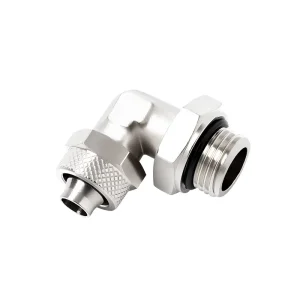
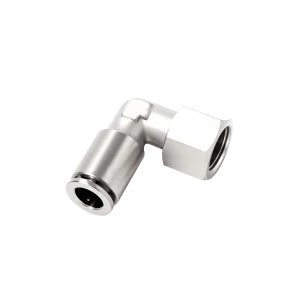
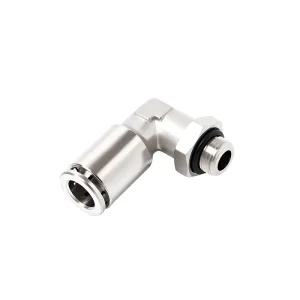
The mechanical complexity of rotating joint configurations—exemplified by products like the ODM PL-Elbow male push-on fittings (360° rotatable thread) and the High-Quality PLG-Elbow G thread push-on fittings—requires precision internal structural alignment. In traditional systems, tightening threaded interfaces results in torsional stress on connected pneumatic lines, leading to early kinking or wall-fatigue failure.
Our design uses a stainless steel lock claw (chuck) mechanism paired with a premium nitrile rubber (NBR) or Viton O-ring seal. The 360-degree rotational capability is achieved through a decoupled swivel neck assembly, enabling the body of the elbow to rotate freely around the threaded brass connector core even after installation and under full working pressure. This design minimizes assembly steps, mitigates human error during installation, and protects the system against spatial vibration.
A verified leader with over 15 years of industry-defining expertise in pneumatics manufacturing.
Welcome to NHPC, a premier global manufacturer in the pneumatic and fluid management industry. Founded with a vision to revolutionize mechanical connections, our journey is backed by more than 15 years of rigorous R&D and high-volume manufacturing capabilities.
We specialize in designing, engineering, and producing high-performance components, including push-in fittings, push-on fittings, flow control throttles, quick couplers, PU/PE pipes, and flame-retardant energy storage cooling system connectors. With our state-of-the-art facility operating high-precision CNC lathes, multi-cavity injection molding machines, and surface finishing equipment, we deliver solutions that meet the requirements of modern industry.
Years of Pneumatics Experience
Professional Technical Staff
Annual New Product Developments
Strict QC Inspections
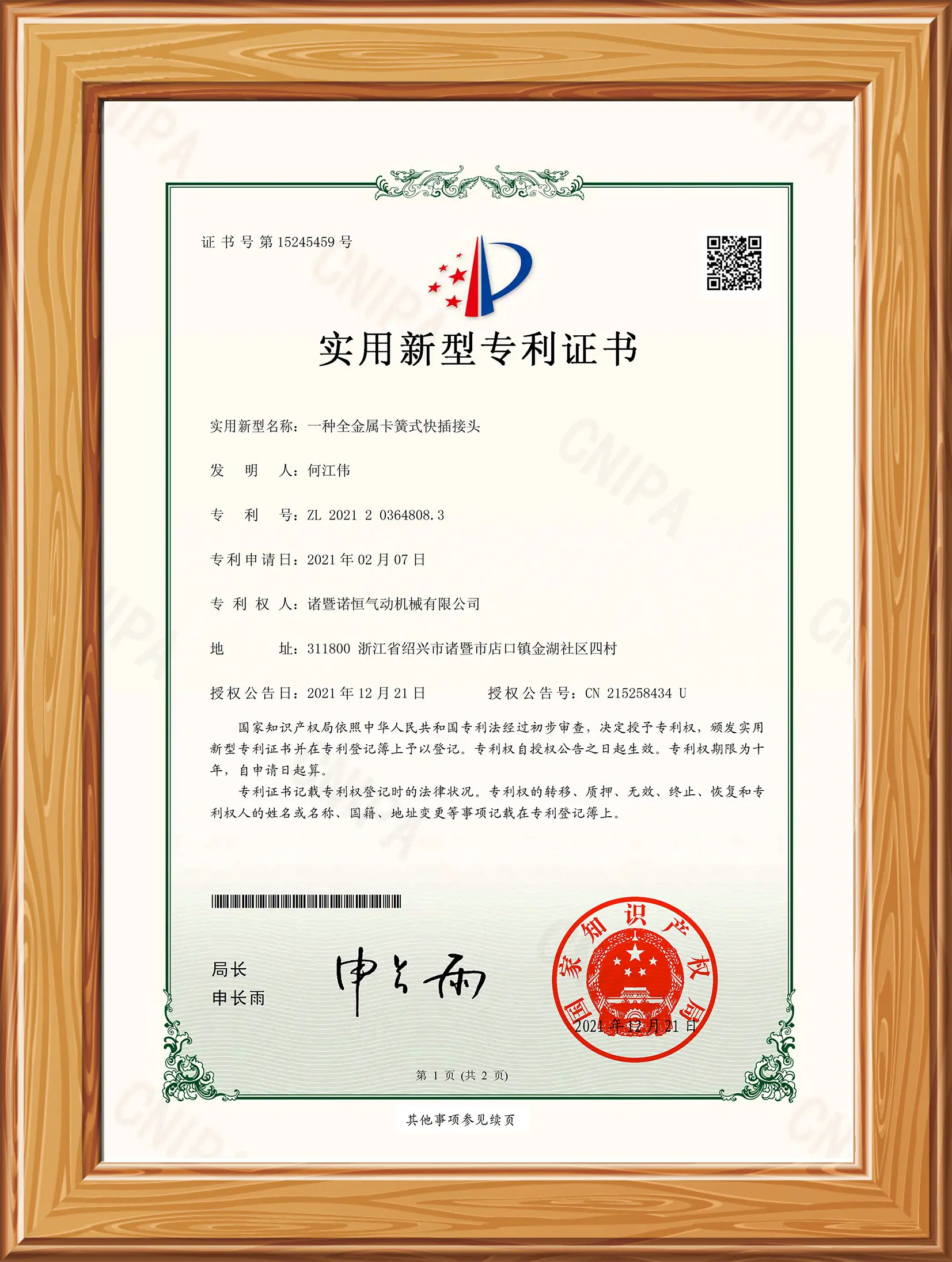
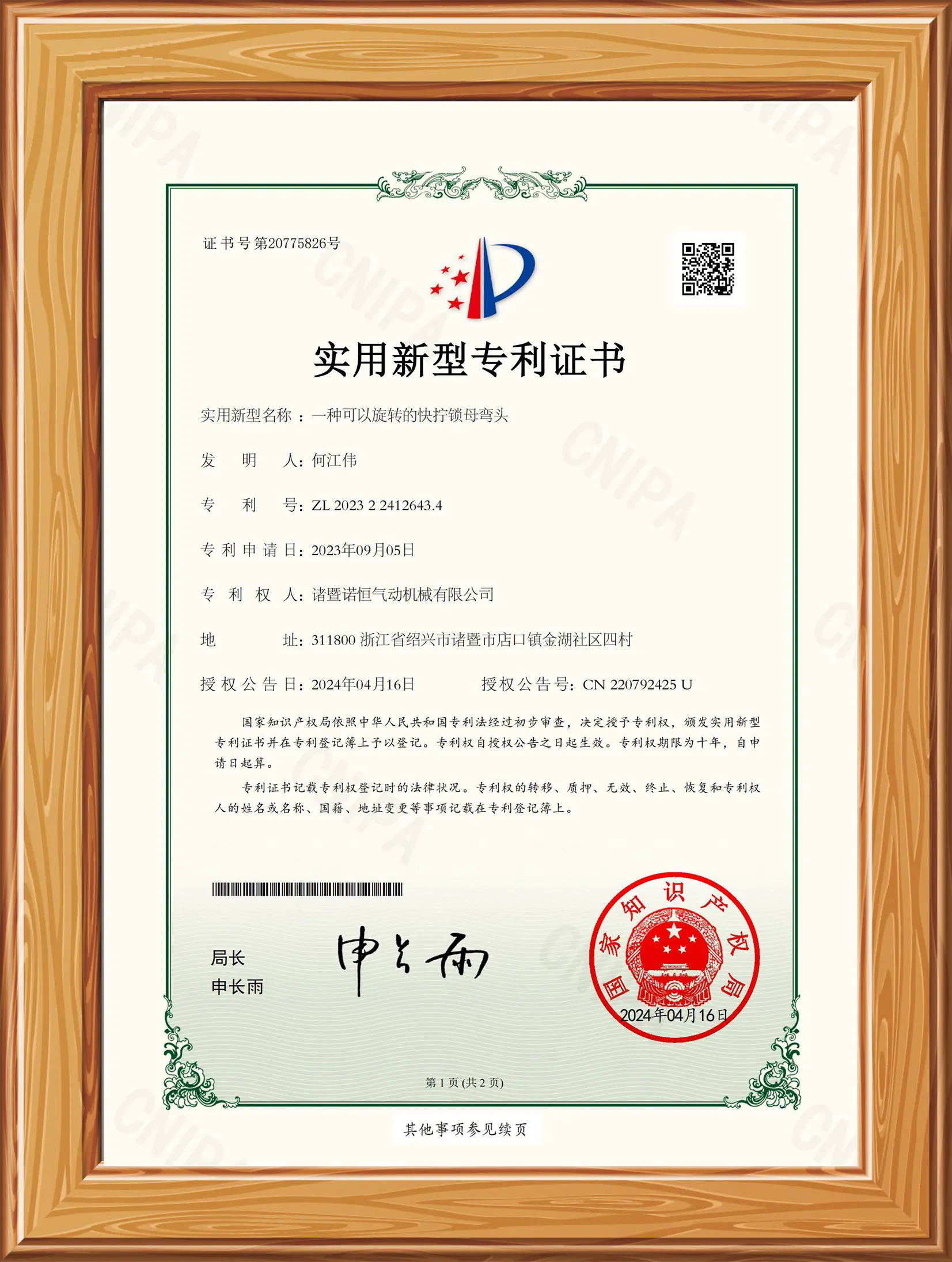
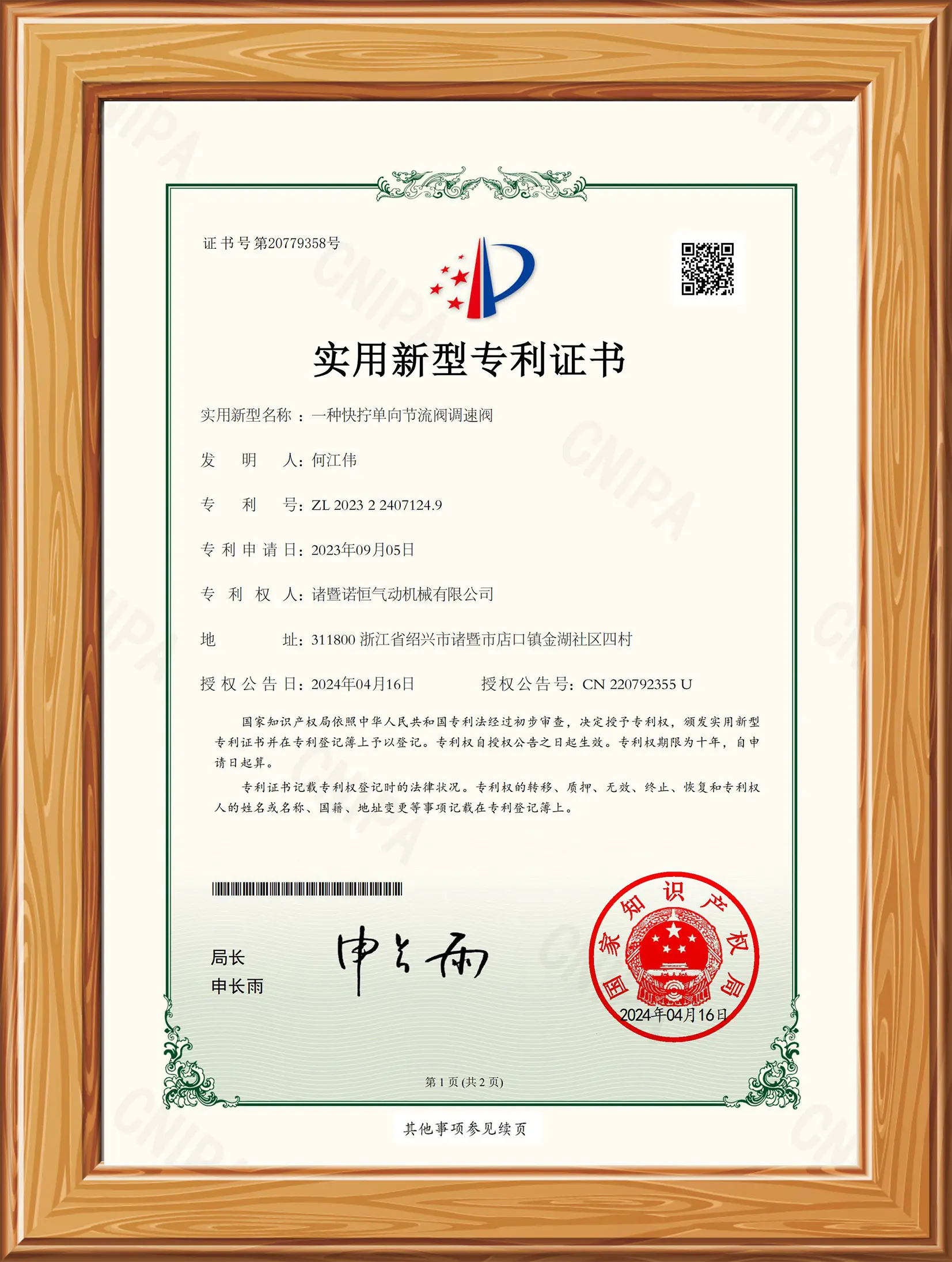
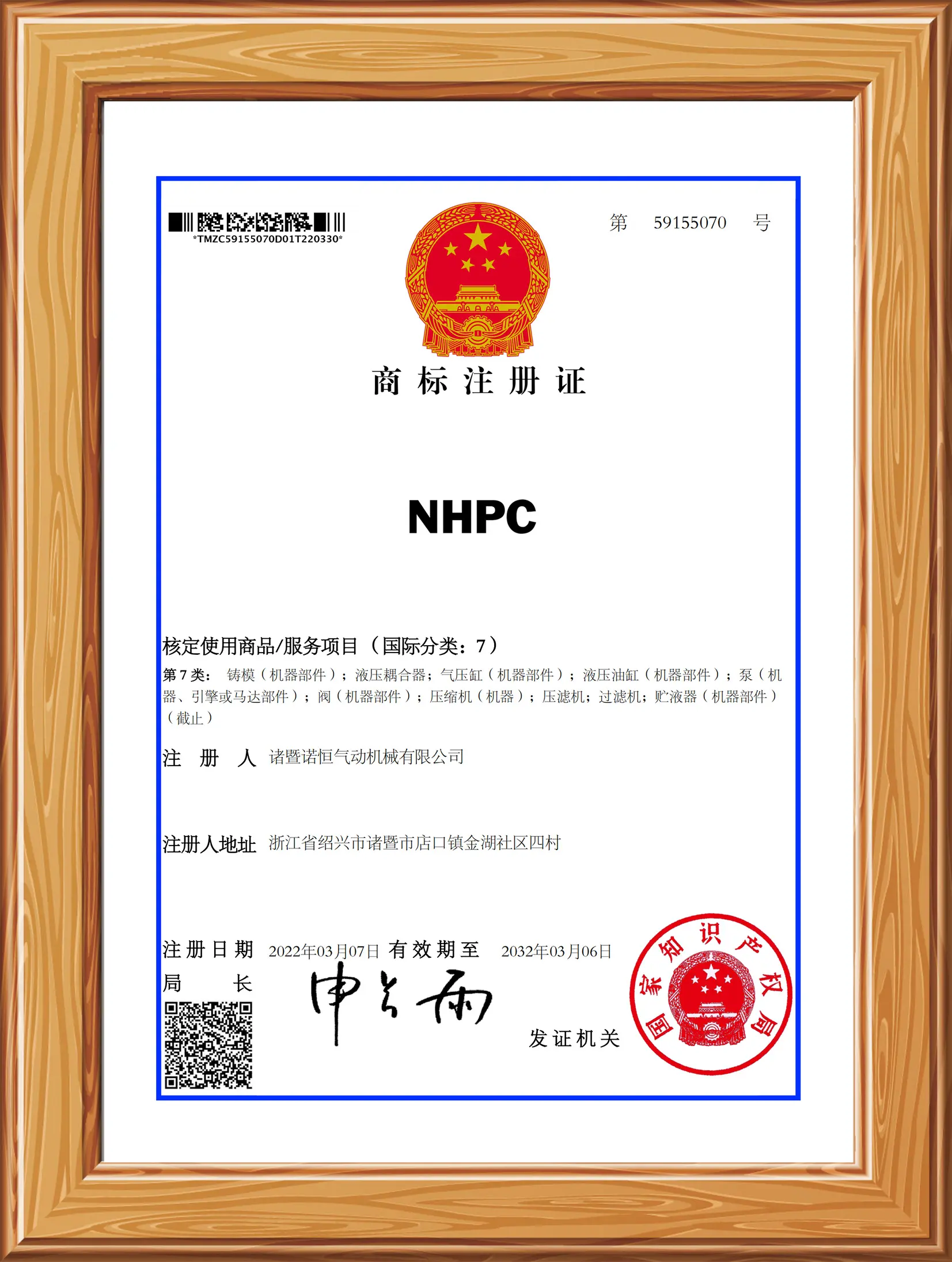
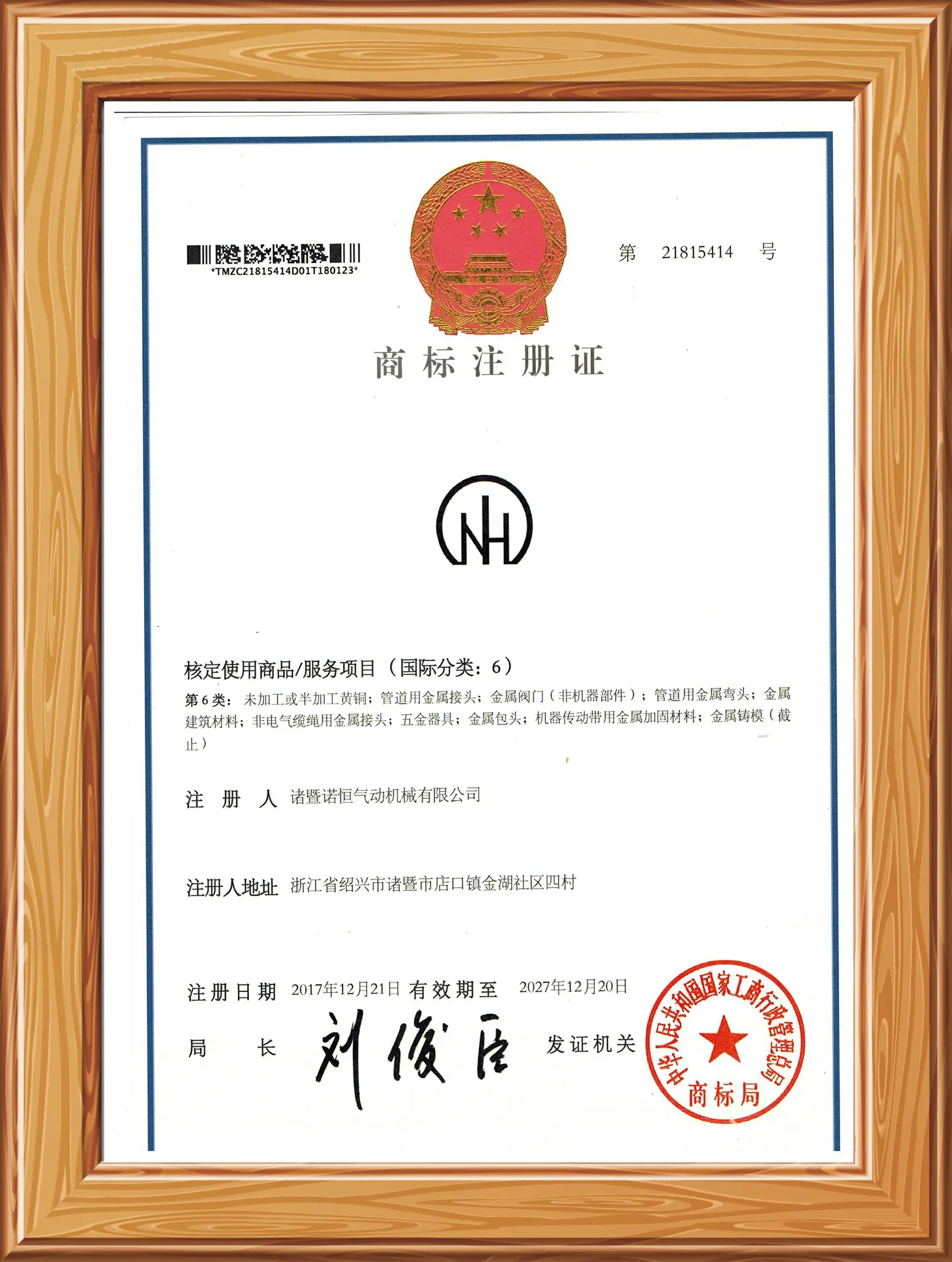
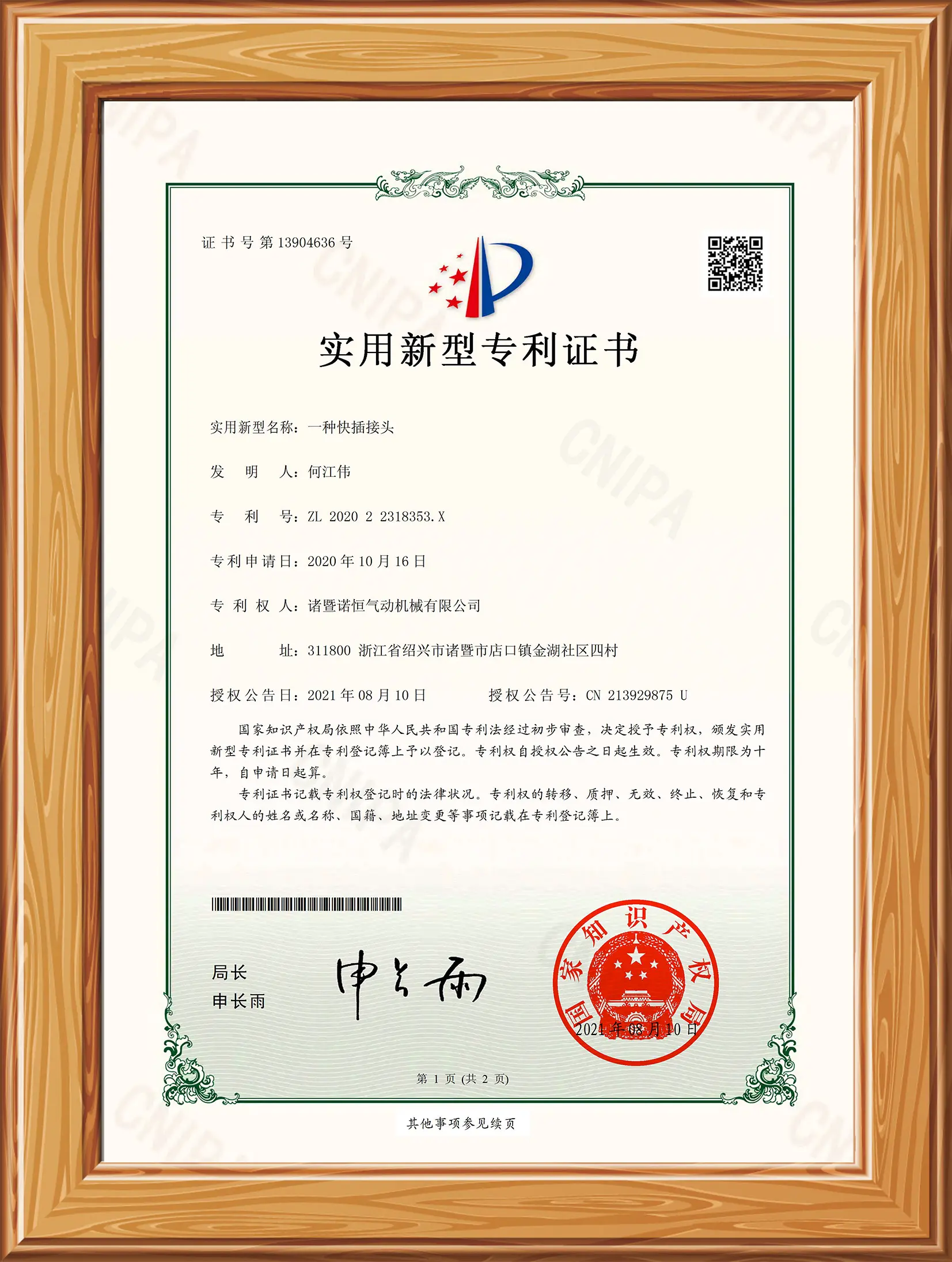
Leveraging scale, advanced CNC automation, and integrated supply chains for global supply assurance.
Our manufacturing facility operates multiple high-precision Swiss-type CNC lathes and multi-cavity injection molding machines. By maintaining internal tolerances of less than ±0.01mm, we eliminate thread-matching discrepancies and push-in release failures.
From chemical analysis of raw resins to automated dimensional inspections, we enforce strict controls. Every batch undergoes seal performance validation, extreme burst testing, and salt spray exposure tests to confirm compliance with global standards.
Located in China's industrial hub, we control the entire lifecycle of our products, from raw material procurement to custom extrusion, plating, and testing. This vertical structure shortens production lead times and reduces costs.
Providing high-reliability pneumatic infrastructure tailored to global market environments.
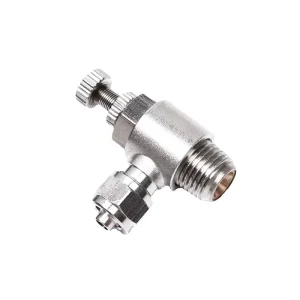
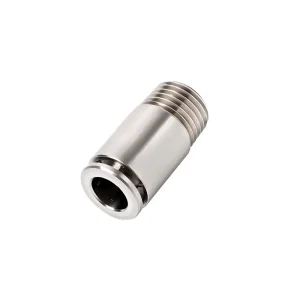
In automated packaging, semiconductor handling, and automotive assembly lines, pneumatic systems must execute millions of cycles with zero downtime. Our SL-flow control throttle valves and POC-straight male push-in fittings regulate pressure profiles, protecting pneumatic cylinders and pick-and-place actuators from excessive mechanical stress.
Modern electrochemical energy storage containers (BESS) require cooling loops and fire suppression systems that maintain high safety levels. The OEM Flame-retardant pipe fittings (PE series) are engineered to UL94-V0 self-extinguishing ratings, preventing electrical thermal runaway events from propagating via cooling conduits.
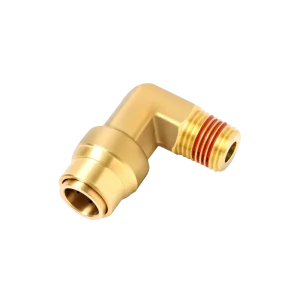
Heavy transport braking systems require components that comply with DOT FMVSS 106 regulations. Our Wholesale DOT 90° Male Non-Swivel Elbow Push-Lock Air Brake Fittings are engineered with specialized inner support sleeves and robust seal profiles, guaranteeing reliable operation under continuous road vibration and thermal cycling.
Pneumatic lines must withstand different environmental factors depending on their geographic installation. Systems operating in wet coastal environments require anti-corrosive treatments. To address this, NHPC utilizes chemical electroless nickel-plating and premium passivated brass components, ensuring long-term resistance to salt spray and moisture.
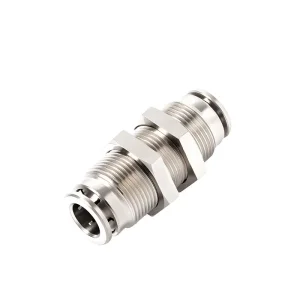
Conversely, in dry, high-temperature desert installations, such as utility-scale solar tracker systems and outdoor battery enclosures, standard polyurethane pipes can suffer from accelerated UV degradation and premature wall cracking. Our localized solutions prioritize Pe8 carbon-black reinforced polyethylene tubing coupled with custom bulkhead adapters, providing the ultraviolet stability and mechanical strength required to withstand severe climate conditions.
Proven performance in real-world engineering installations and global projects.

Addressing procurement criteria, supply chain compliance, and technical specifications for global operations.
International sourcing in the industrial pneumatics sector requires careful attention to regulatory compliance and mechanical interoperability. Procurement officers must ensure that supplier specifications align with local laws. This includes verifying RoHS and REACH material declarations, which confirm that components are free from hazardous substances such as lead, cadmium, and polybrominated biphenyls.
Thread compatibility is another key parameter. A mismatched thread pitch (e.g., attempting to force a G-thread parallel fitting into an NPT tapered port) can lead to micro-leakages under pressure. NHPC resolves these challenges by providing clear metric and imperial identification rings on all fittings, offering parallel G-threads, tapered R-threads, and American NPT threads to ensure reliable compatibility.
The pneumatic industry is moving toward smart fluid control, weight reduction, and sustainable material alternatives. Key developments include:
Clear, detailed technical answers to help simplify your sourcing process.
Push-in fittings utilize an internal stainless steel collet or lock claw that grips the outer wall of the tubing when it is inserted. To release the tube, the user simply presses the release sleeve inward. Push-on fittings (or rapid fittings) require pushing the tube over a barb and securing it with an external knurled lock nut. Push-on fittings are often selected for high-temperature and high-vibration systems because the mechanical nut helps prevent accidental release.
In high-capacity battery energy storage containers (BESS), the risk of thermal runaway is a primary safety concern. Liquid cooling and fire suppression networks must remain functional during an event. Fittings rated to UL94-V0, such as our flame-retardant PE series, self-extinguish within 10 seconds of flame contact and do not produce burning droplets. This performance helps prevent fires from spreading through the cooling lines.
The rotatable design is achieved using a dual-construction body. The base thread component is screwed securely into the pneumatic port, while the upper housing contains the tube sleeve and can rotate independently. Internal sealing is maintained by a dynamic double-lip NBR or FKM (Viton) seal ring placed between the rotating components, preventing air bypass during rotation.
Braking systems on commercial trucks and trailers must meet DOT FMVSS 106 specifications. Fittings must resist high pressures (up to 150 PSI working pressure), operate reliably in temperatures from -40°C to +120°C, and withstand chemical exposure and tensile pull-out forces. Brass DOT fittings feature a specialized internal tube support brass insert that prevents the nylon tubing from collapsing under tension.
Yes. Through our ODM/OEM services, we can customize thread types (including PT, BSPP, BSPT, and NPT), configure special body geometries, select specific O-ring compounds (such as HNBR or EPDM), and modify plastic formulations for enhanced chemical compatibility or color coding.
Find the right component for your layout, from bulkhead adapters to flame-retardant elbows.
 Nuoheng