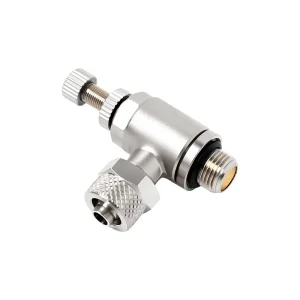
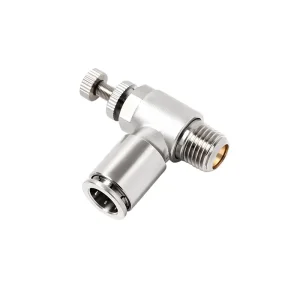
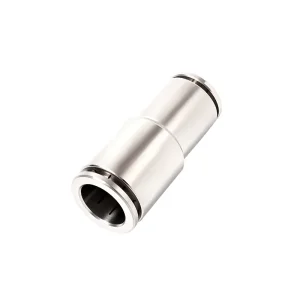
Engineered for high-pressure reliability, rapid deployment, and zero-leak operations across industrial applications.
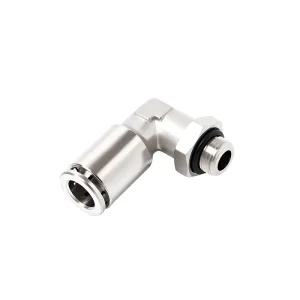
In the complex architecture of modern pneumatic, hydraulic, and fluid management systems, the integrity of a pipeline depends entirely on its connection points. Among these, the PTC (Push-to-Connect) Bulkhead Fitting stands out as a critical innovation. Bulkhead fittings are specifically engineered to create secure fluid paths through panel walls, barriers, and enclosures, maintaining system integrity while isolating internal mechanisms from external environments.
The global demand for high-performance PTC bulkhead fittings has experienced unprecedented growth. Industrial systems are moving rapidly toward modularity, which requires frequent assembly, disassembly, and reconfiguration. Traditional threaded connections or compression fittings require specialized tools, long installation times, and present a higher risk of human error during installation. Push-to-connect mechanisms resolve these challenges by allowing technicians to form air-tight, high-pressure seals instantly, simply by inserting the pneumatic tubing into the fitting body.
Modern applications subject fittings to diverse challenges, including aggressive cleaning agents, extreme vibrations, and volatile thermal profiles. Consequently, material selection has transitioned from simple brass to advanced composite matrices. Suppliers must now offer components constructed from high-grade Nickel-Plated Brass for mechanical durability, Stainless Steel (316L) for corrosive media, and specialized Polybutylene Terephthalate (PBT) for lightweight flame-retardant configurations. The choice of elastomer seals—such as NBR, EPDM, or FKM (Viton)—further determines the chemical compatibility and temperature boundaries of the fluid network.
Global enterprise procurement for pneumatic components has transitioned from simple cost-minimization to a holistic assessment of risk, design capacity, and supply chain responsiveness. Large OEM manufacturers in the United States, Germany, Japan, and South Korea require partners that can deliver components complying strictly with regional regulations, including the European Union's RoHS and REACH directives, and the US Department of Transportation (DOT) standards for vehicular air brake networks.
Furthermore, custom engineering has become the benchmark. Off-the-shelf components rarely fit the complex spatial limits of highly integrated battery packs or robotic arms. The ability of a manufacturer to design custom pneumatic configurations, run flow analyses, and perform simulated pressure-drop testing before bulk production is critical for modern design cycles.
China's industrial zones, particularly in regions like Zhejiang, represent the pinnacle of pneumatic production ecosystem concentration. The optimization of raw material sourcing, combined with highly integrated machine networks, yields unparalleled advantages:
Years of Pneumatic Innovation & Manufacturing
High-Precision Technical Specialists
Annual Patents & New Product Releases
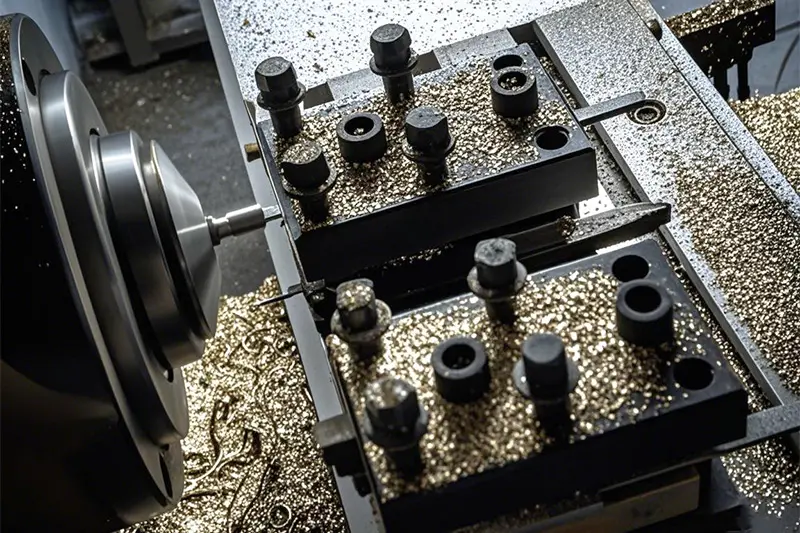
Quality Controlled CNC Machining
Different industrial fields subject fittings to different environmental strains. Understanding these local requirements prevents critical system failures.
In battery energy storage systems (BESS), push-in fittings route flame-retardant and fire-extinguishing fluids. These components require specialized materials (like UL94-V0 rated composites) to resist flame propagation and withstand the extreme heat generated during thermal runaway events.
Commercial transportation depends on pneumatic systems for safety-critical operations like air braking. Fittings used in these contexts must comply with strict DOT specifications, maintaining reliable seals under constant vibration, mechanical shock, and exposure to road salts and chemicals.
Modern pick-and-place robotics demand fittings that can handle rapid, continuous motion. Lightweight composite push-to-connect systems reduce payload weight, enabling faster cycle times, reducing motor wear, and preventing air leaks that cause machine downtime.
Welcome to NHPC, a leading manufacturer in the pneumatic industry with a rich history spanning over 15 years. Our journey began with a simple but powerful vision: to revolutionize the pneumatic industry by delivering high-quality, innovative, and reliable products that meet the ever-evolving needs of our clients. Today, we are proud to stand as a trusted name in the industry, serving a diverse range of customers across the globe.
We specialize in the design, development, and manufacturing of a comprehensive range of pneumatic products. Our product includes push in fittings, push on fittings, pneumatic valves, quick connectors, PU pipes, hydraulic components, and custom design services for industrial pneumatic systems. Each product is engineered with precision, ensuring optimal performance, durability, and efficiency. Whether you need standard components or customized solutions, we have the expertise to deliver products that exceed your expectations.
From custom conceptual drawings to high-volume precision manufacturing, NHPC offers end-to-end fluid system design solutions.
NHPC aims to be a leading global pneumatic manufacturer by continuously setting new standards for quality, reliability, and technical innovation.

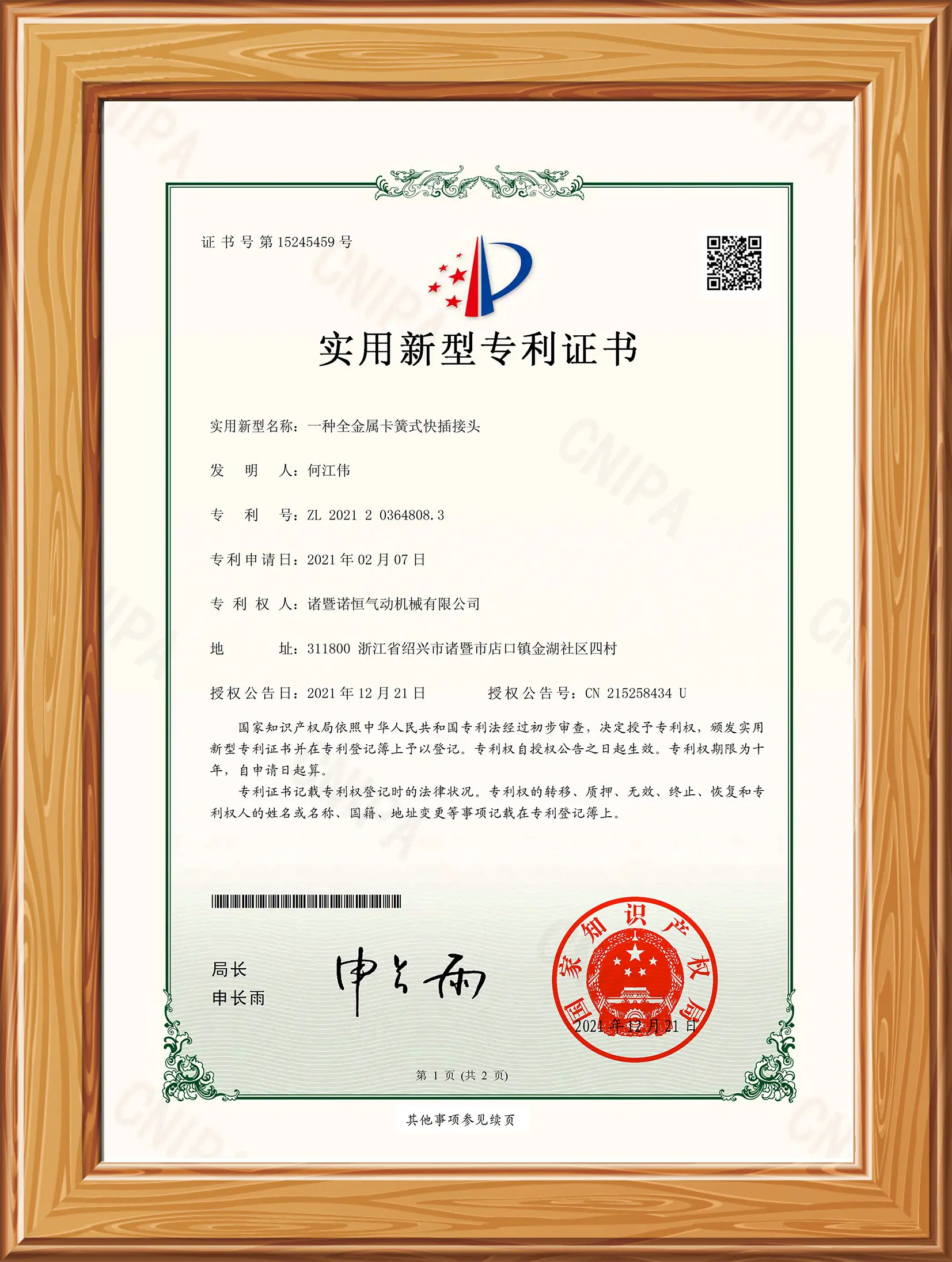

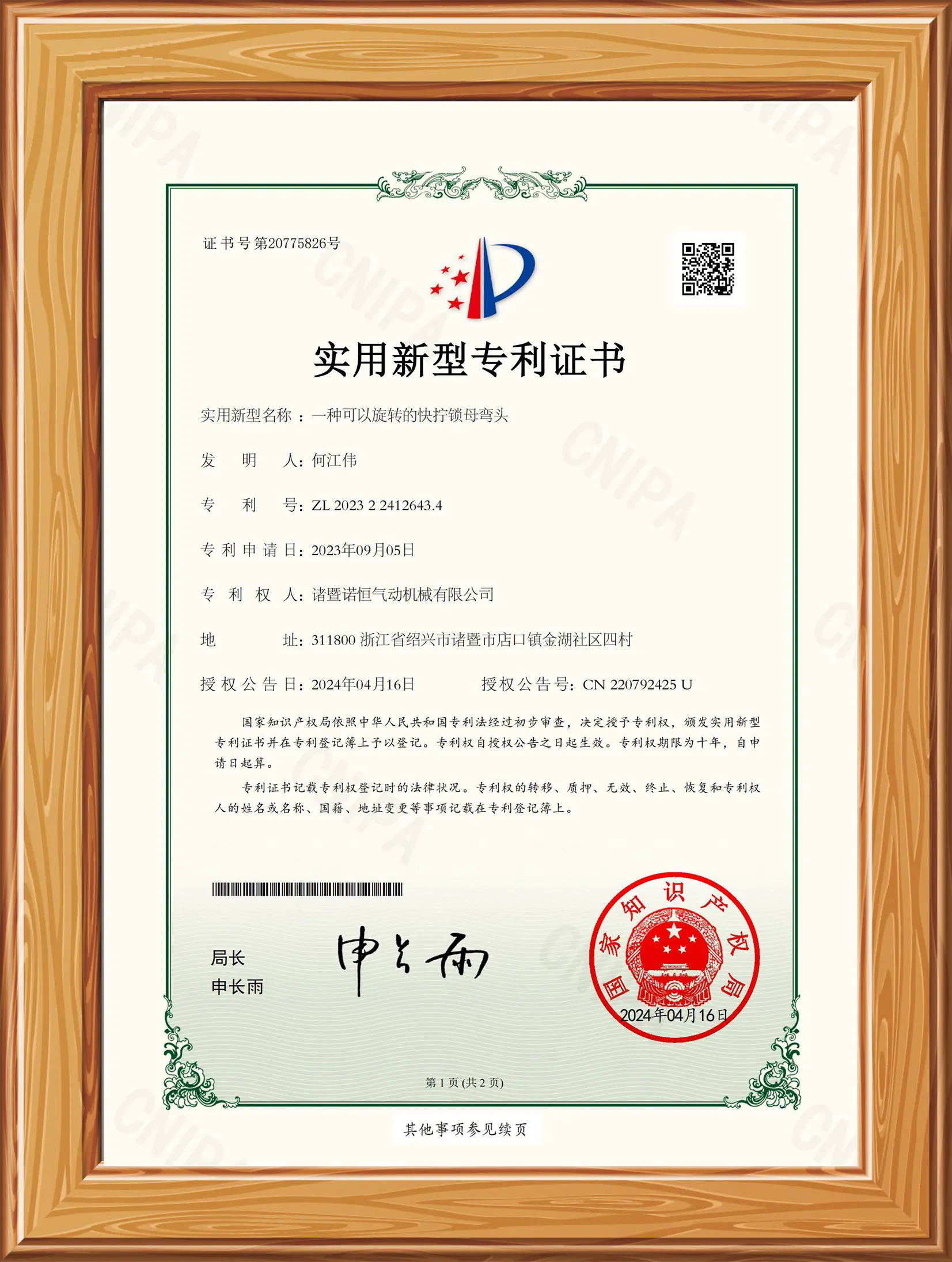
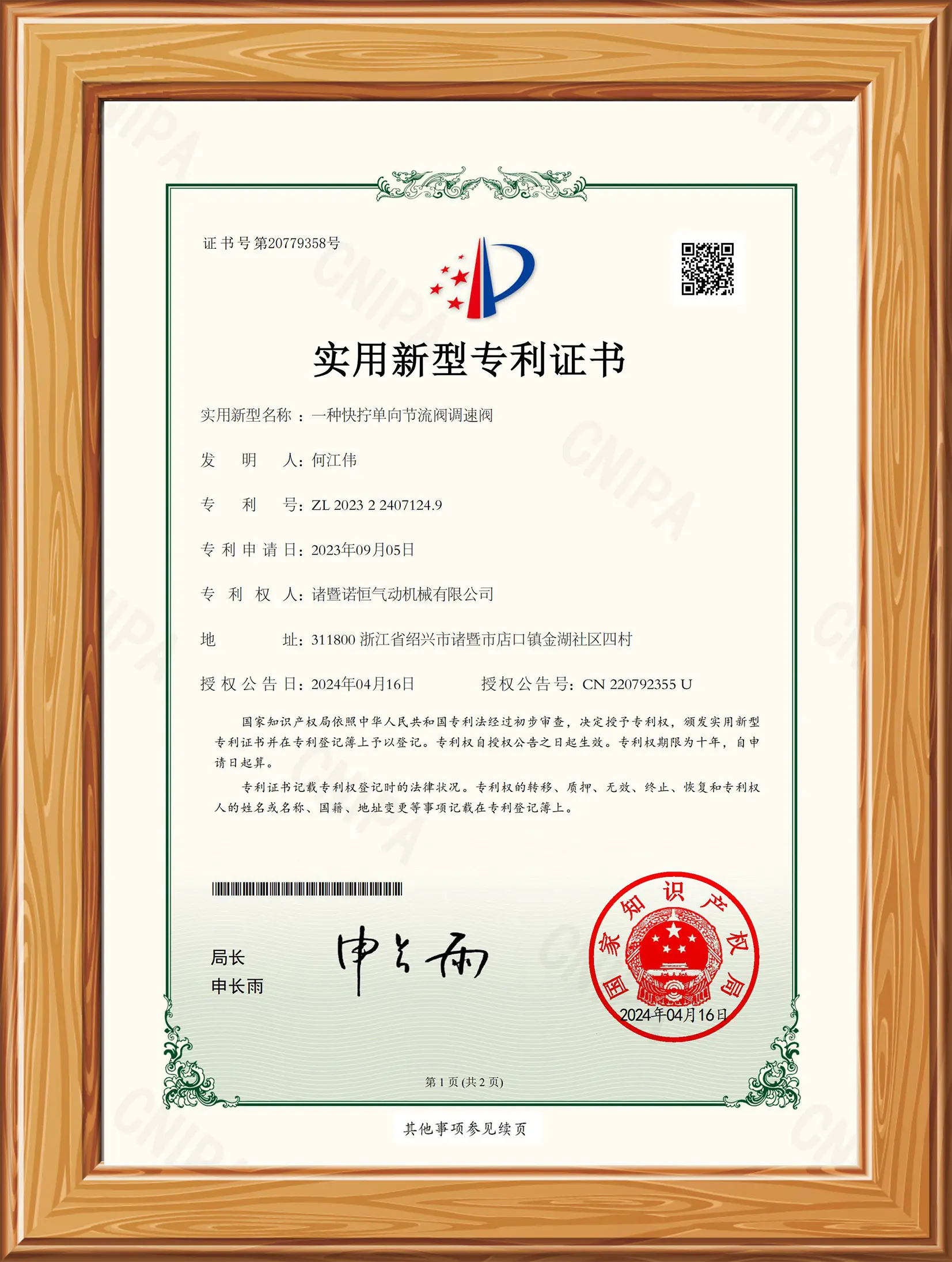
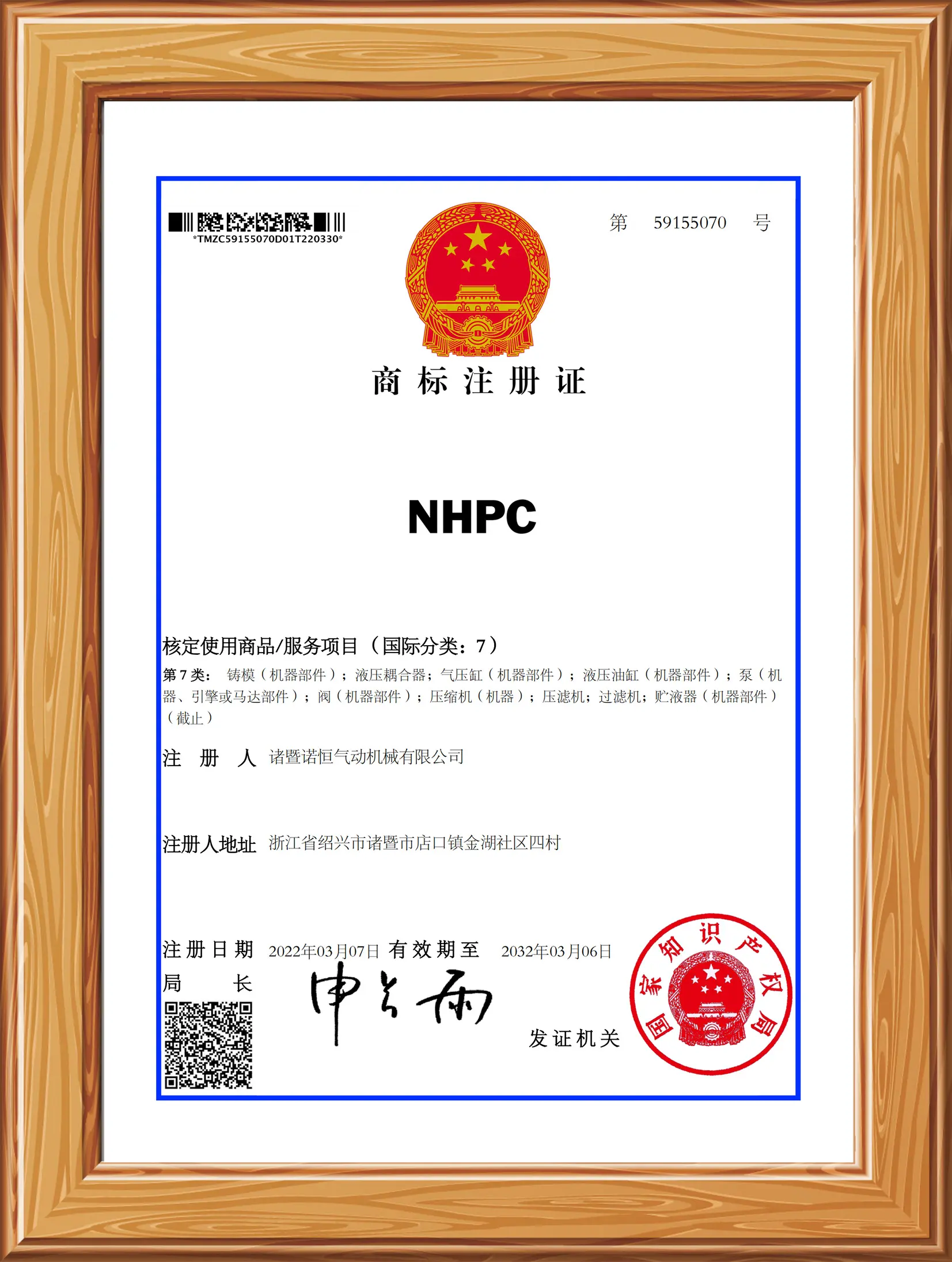
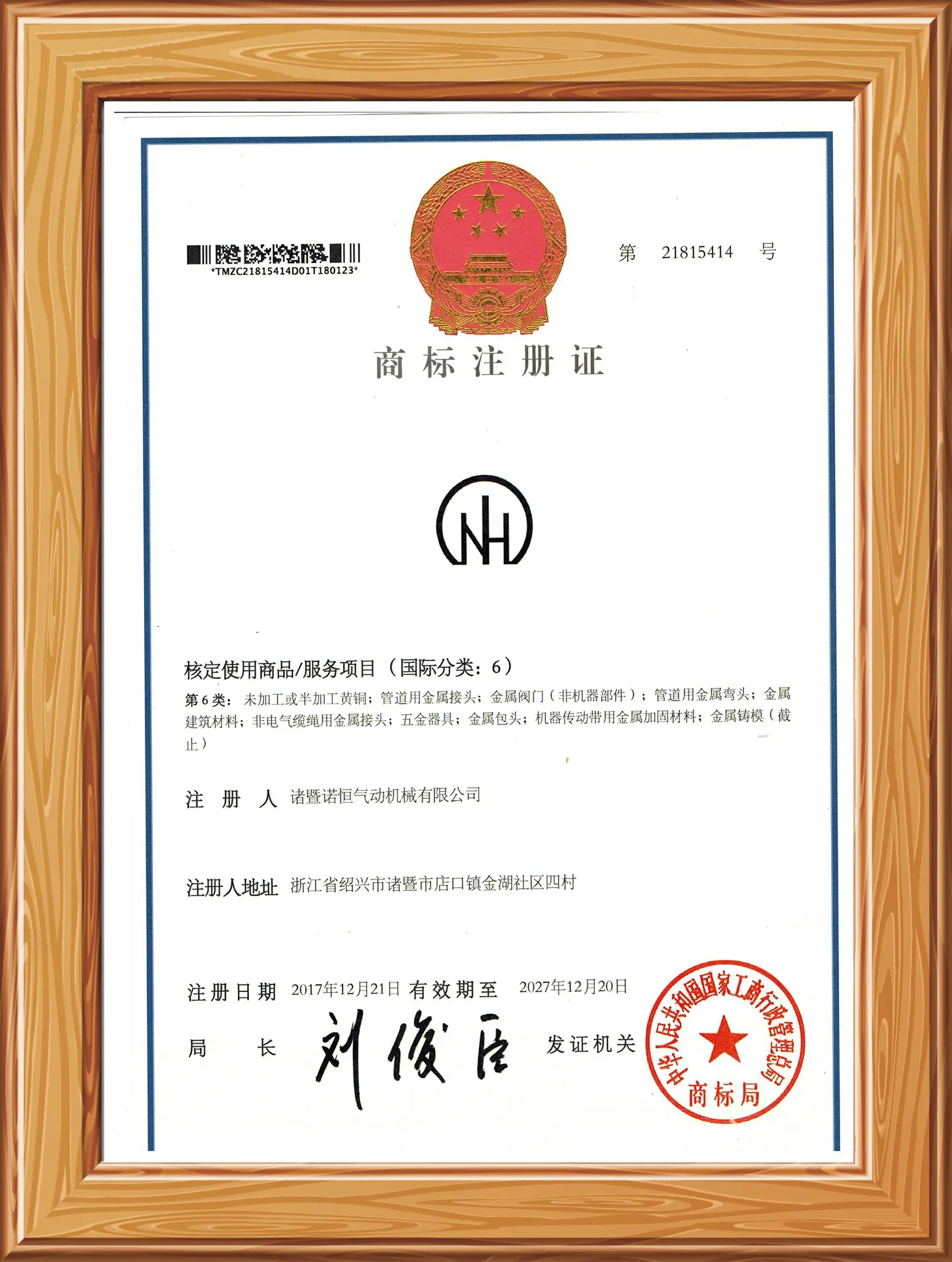
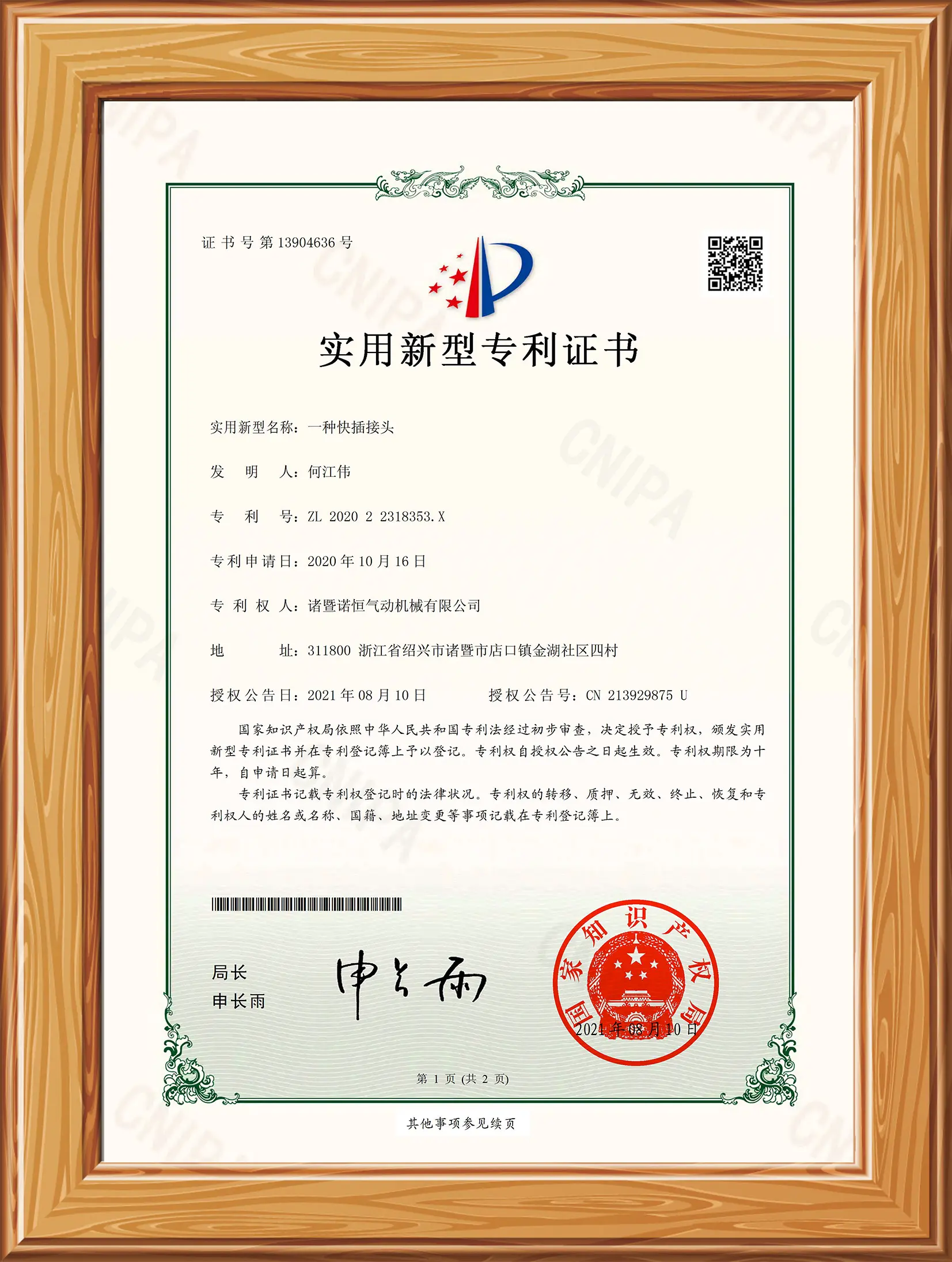
Providing custom fluid solutions for automotive assemblies, energy storage enclosures, and smart factories.
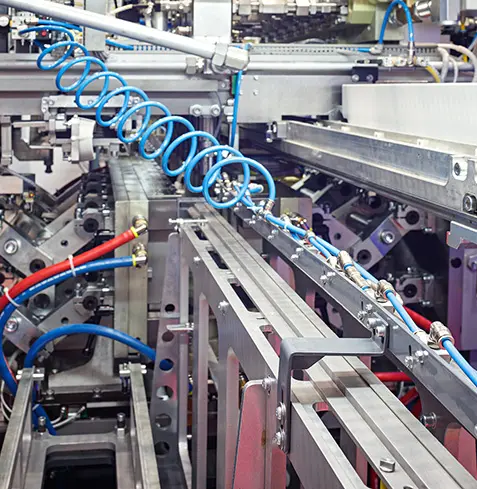

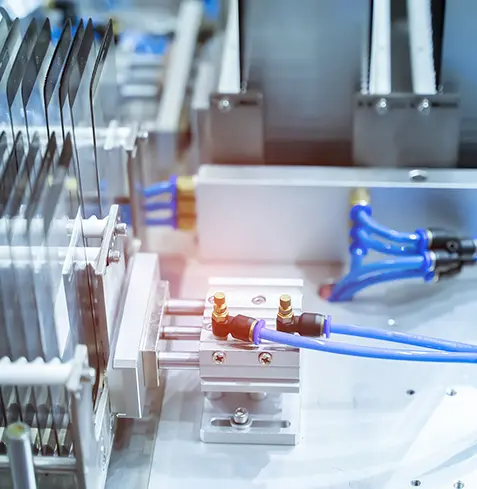
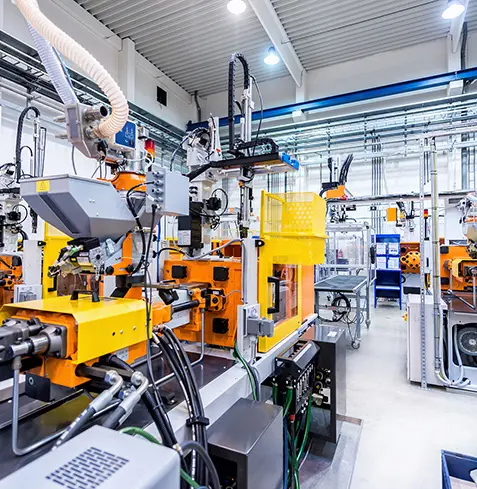
The pneumatic industry is evolving from passive hardware configurations to smart, efficient systems. The deployment of Industrial Internet of Things (IIoT) networks requires sensors built directly into fluid channels. Smart fittings equipped with micro-transducers to measure local temperature, pressure drops, and leakage speed represent the next wave of design innovation. These integrations allow operators to predict wear and leakage before system failure occurs.
Concurrently, sustainability standards dictate significant reductions in compressed air waste. Leakage in conventional fittings accounts for 20% to 30% of total energy losses in factory automation. High-quality PTC bulkhead fittings target this waste through dual-stage internal sealing mechanisms and optimized polymer grab-rings that resist structural deformation, maintaining clean energy networks over millions of duty cycles.
The rise of high-capacity BESS installations has highlighted the need for fire-retardant connector systems. Standard pneumatic fittings constructed from non-flame-retardant plastics risk accelerating fire spread during battery faults. NHPC's specialized flame-resistant series addresses this threat by using UL94-V0 compliance standards. These connectors self-extinguish within seconds of contact with open flames, safeguarding adjacent modules and containing potential fires.
Explore our targeted portfolio of flame-retardant connections and heavy-duty brass air brake accessories designed for specialized industrial roles.
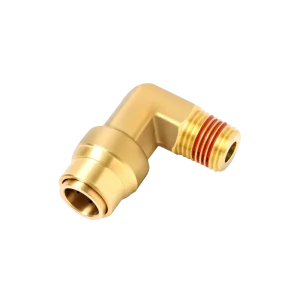
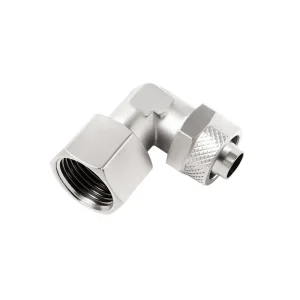
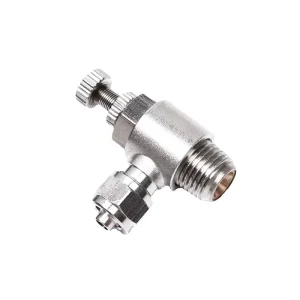
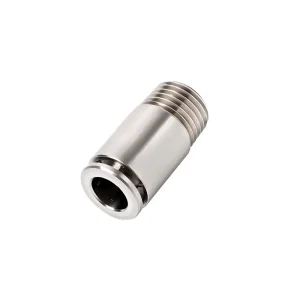
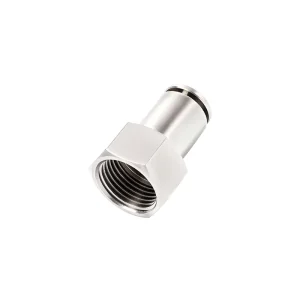
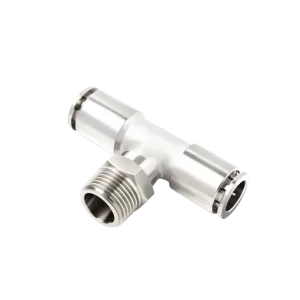
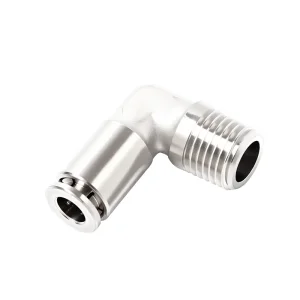
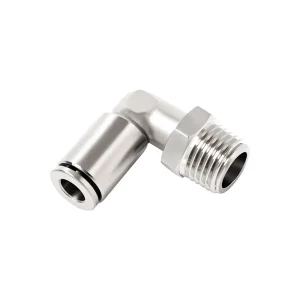
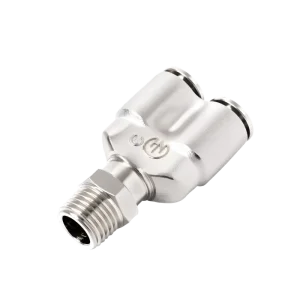
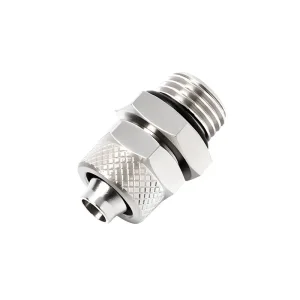
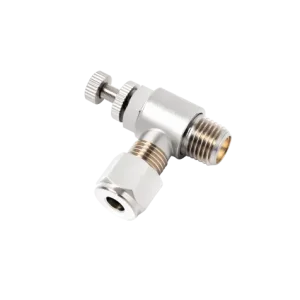
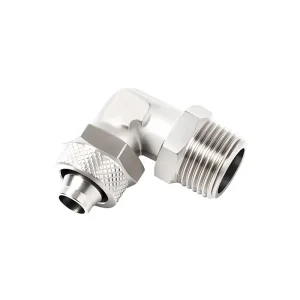
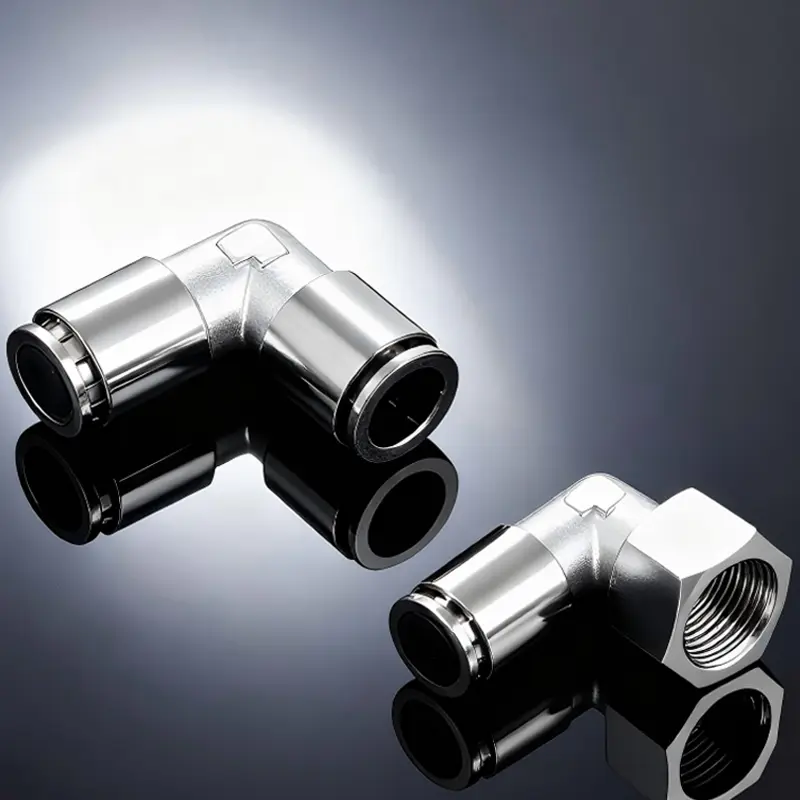
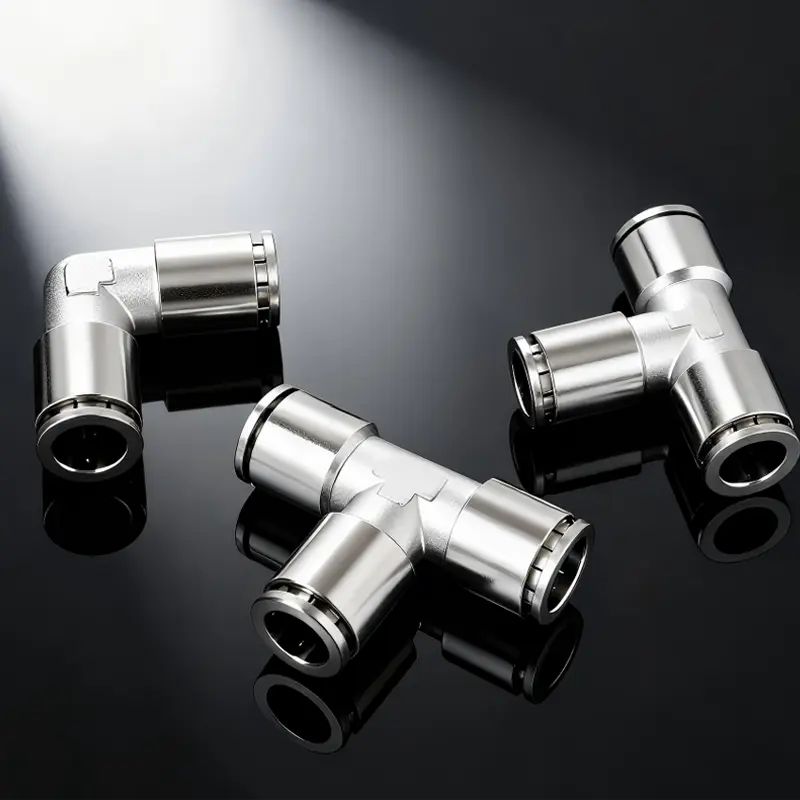
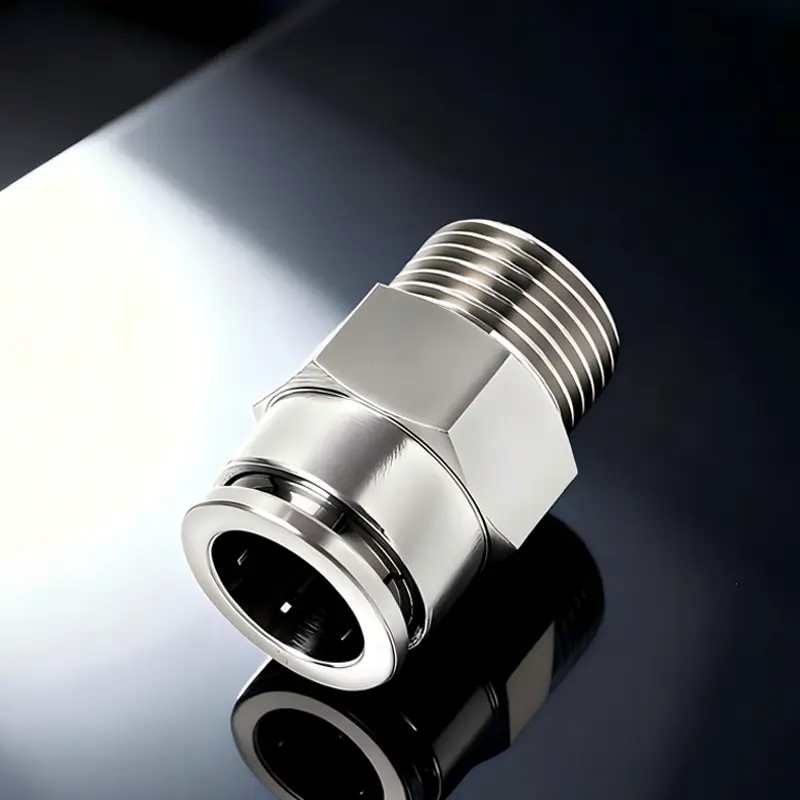
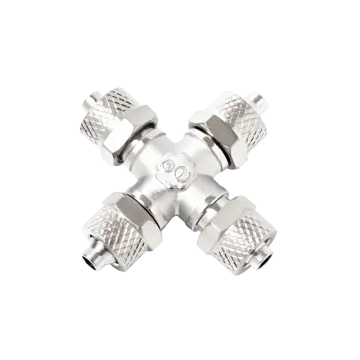
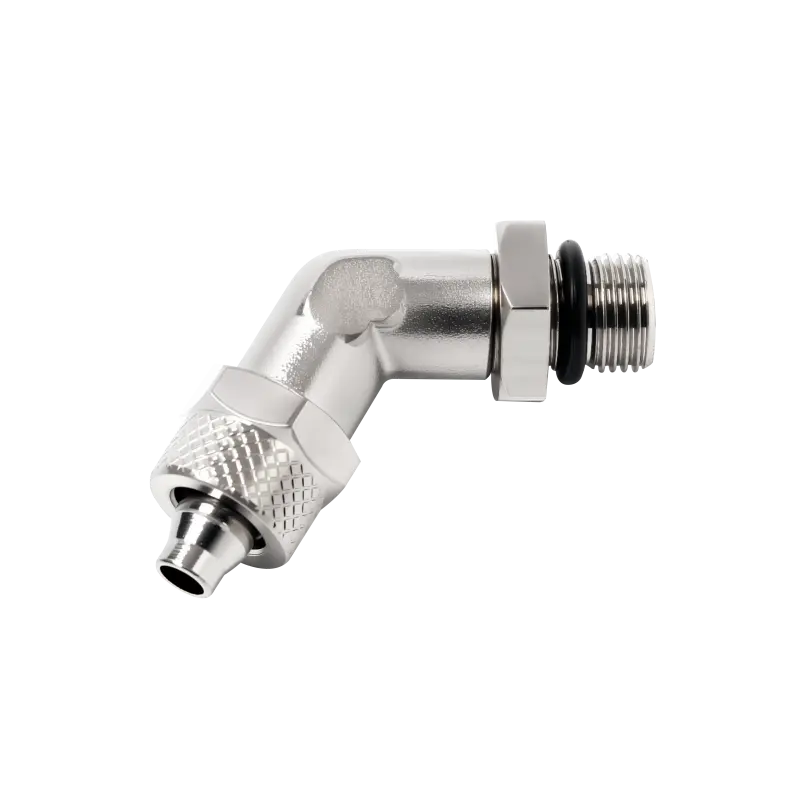
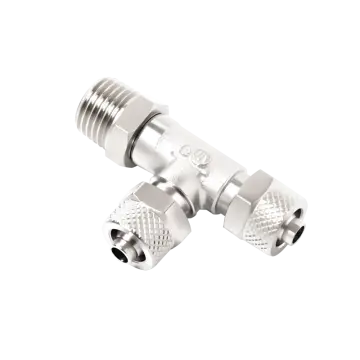
Review the primary reference models produced by Nuoheng for industrial installations worldwide.
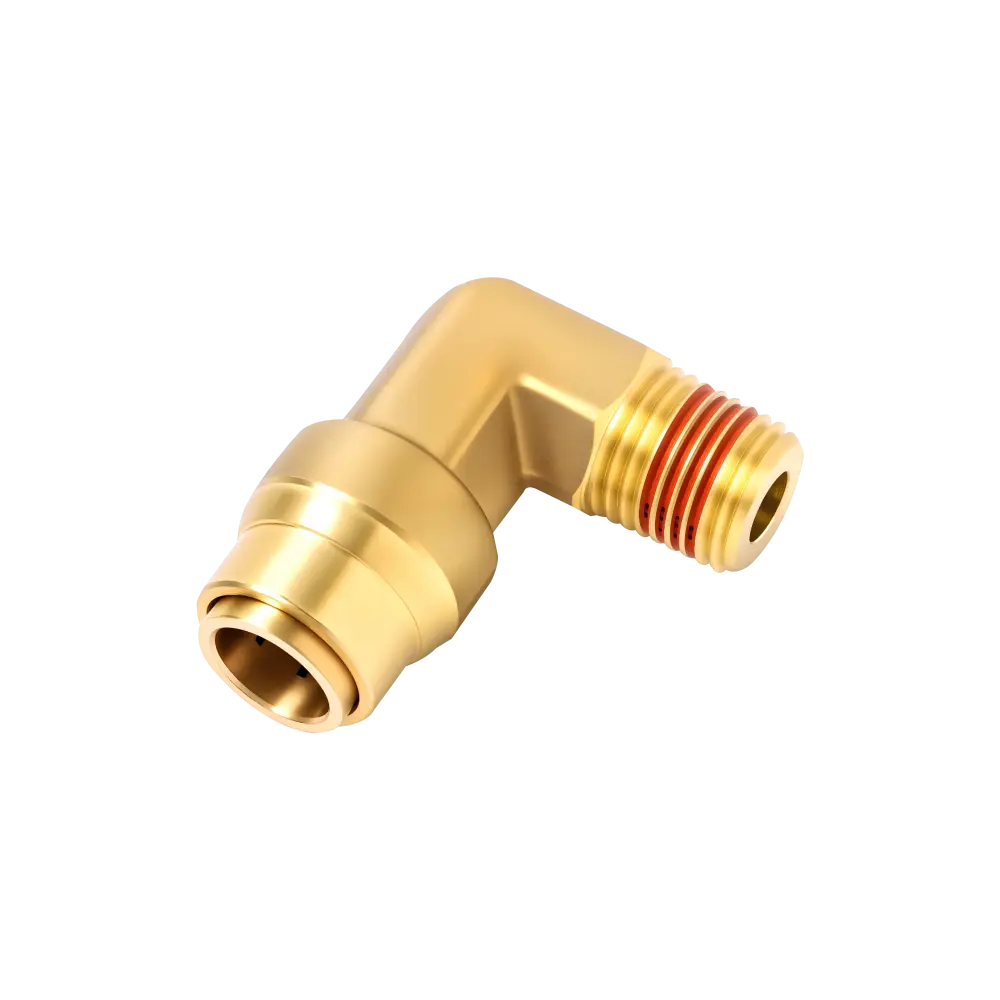
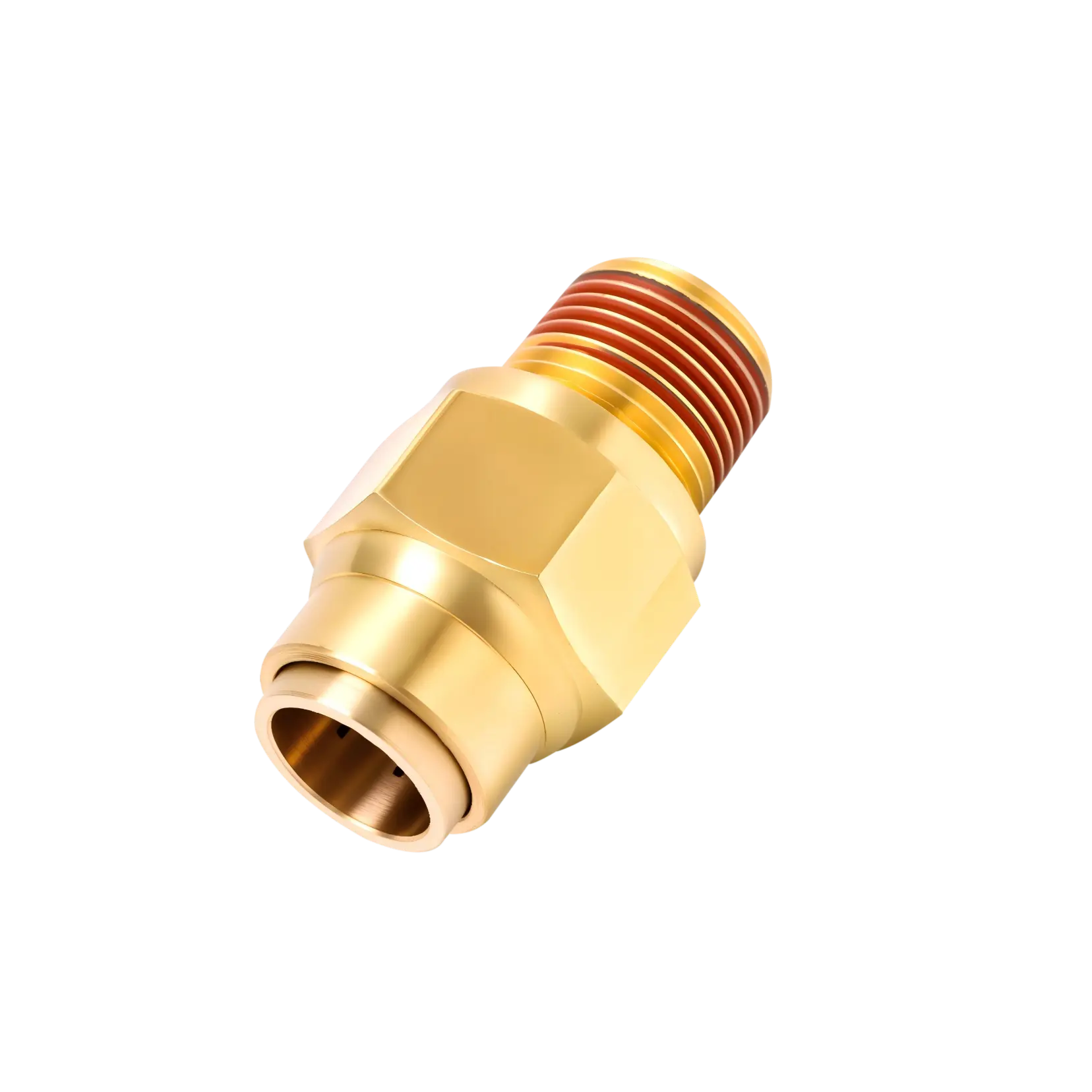
Providing direct answers to critical design questions raised by system engineers and global procurement officers.
 Nuoheng