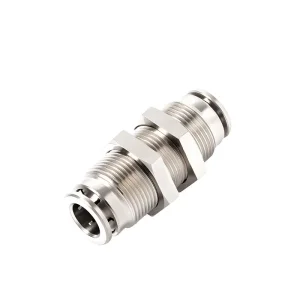
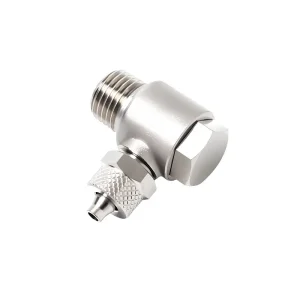
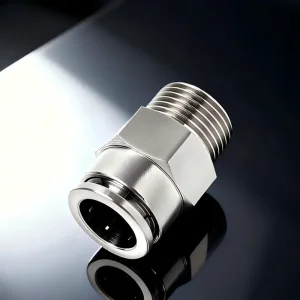
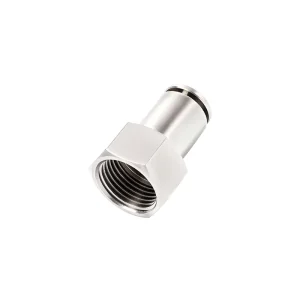
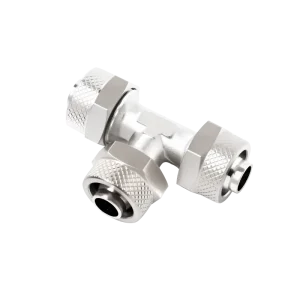
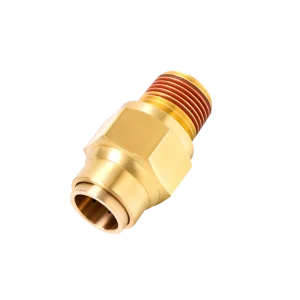
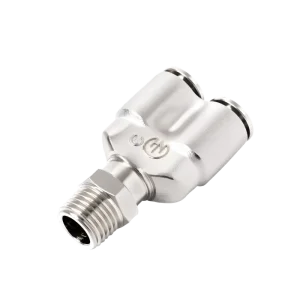
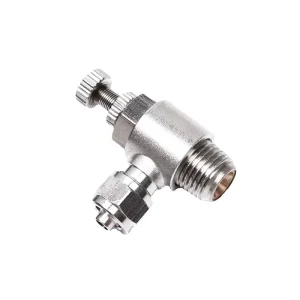
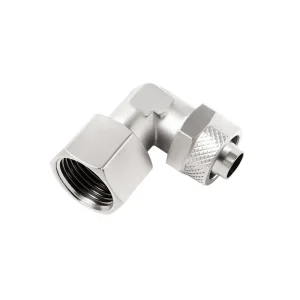
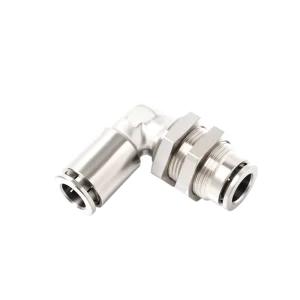
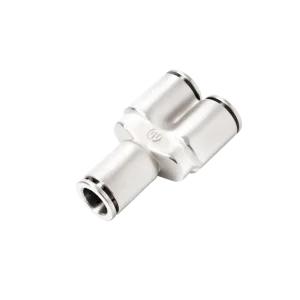
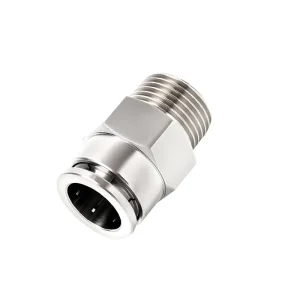
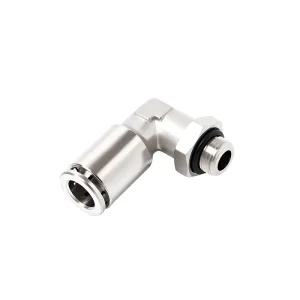
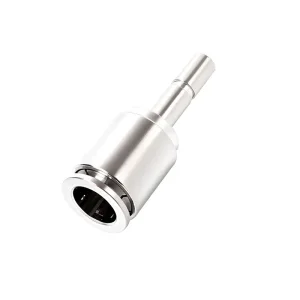
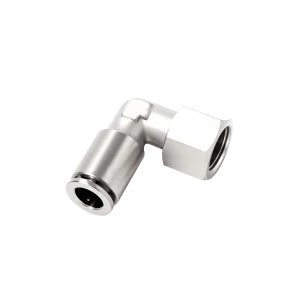
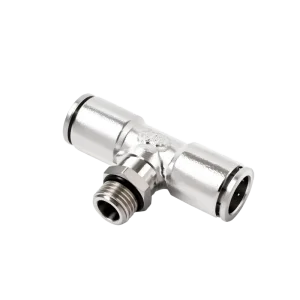
Explore our flagship configurations designed for secure, leak-free connection across various pneumatic pipelines.
In modern industrial facilities, compressed air functions as the third major utility after electricity and water. As manufacturing operations scale globally, system designers face a critical operational challenge: energy conservation and leak prevention. Traditional compression and threaded fittings, while functional under static conditions, often experience micro-leakage when subjected to the persistent vibrations, high thermal cycling, and mechanical stress of automated assembly lines.
According to compressed air energy audits worldwide, an estimated 20% to 30% of the total air compressor capacity in standard manufacturing plants is lost due to leakages, directly contributing to elevated operational carbon footprints and heightened machinery maintenance costs. This systemic vulnerability has catalyzed a massive paradigm shift toward engineered quick lock air fittings (frequently designated as push-to-connect or push-in fittings).
For large-scale industrial buyers, sourcing from established manufacturers who possess robust Original Design Manufacturing (ODM) capabilities is vital. In sectors such as automotive manufacturing, commercial logistics, semiconductor packing, and new energy storage systems (BESS), custom-designed connection solutions are required to fit tight spaces and extreme environmental conditions. By leveraging advanced material chemistry and manufacturing controls, leading ODM manufacturers produce fittings that resist chemical corrosion, withstand high impact forces, and maintain pressure-tight seals for millions of operational cycles.
Welcome to NHPC, a leading global manufacturer in the pneumatic industry with a rich history spanning over 15 to 20 years. Our journey began with a simple but powerful vision: to revolutionize the pneumatic industry by delivering high-quality, innovative, and reliable products that meet the ever-evolving needs of our clients. Today, we are proud to stand as a trusted name in the industry, serving a diverse range of customers across the globe.
We specialize in the design, development, and manufacturing of a comprehensive range of pneumatic products. Our portfolio includes push-in fittings, push-on fittings, pneumatic valves, quick connectors, PU pipes, hydraulic components, and design services for custom pneumatic systems. Each product is engineered with precision, ensuring optimal performance, durability, and efficiency. Whether you need standard components or customized solutions, we have the expertise to deliver products that exceed your expectations.
From initial design to global delivery, our end-to-end capabilities ensure top-tier reliability.
Leveraging deep knowledge and experience in pneumatic and fluid systems, we provide reasonable cost projections, highly reliable products, and actionable technical suggestions to support the specific requirements of our clients.
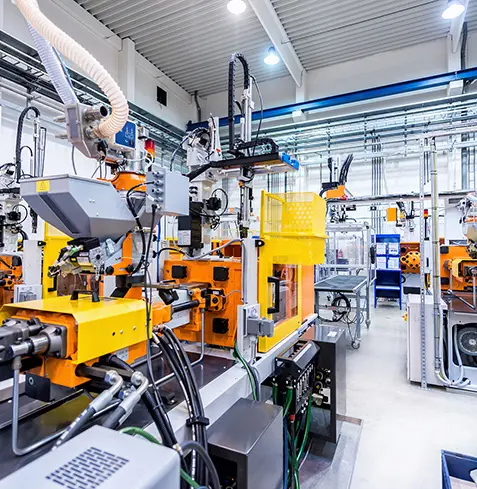
Our capabilities include high-precision surface treatment, CNC machining, injection molding, stamping, and die-casting. This allows us to maintain strict quality control at every stage, from raw material selection to final product assembly.
Our dedicated team of professionals provides personalized support and technical assistance. From initial consultation to after-sales service, we are with you every step of the way, continuously improving our products based on customer feedback.
The engineering of modern quick lock air fittings is a study in advanced material science and tribology. Inside a standard push-in fitting, a complex mechanical interaction occurs: when a polyurethane (PU) or polyamide (nylon) tube is inserted, it passes through a flexible collet (grab ring) with precision teeth—often composed of stainless steel (SUS301 or 316) or robust phosphorus bronze. These teeth grip the tube wall. When pressurized, the internal tube pushes outward against the collet, forcing the collet claws into a tapered chamber that increases the gripping force proportionally. This makes accidental blow-outs virtually impossible.
Simultaneously, sealing is achieved via an elastic O-ring (typically Nitrile Butadiene Rubber / NBR, Fluorocarbon / FPM/Viton, or Ethylene Propylene Diene Monomer / EPDM). The choice of compound depends heavily on temperature variations, media properties, and chemical exposures. For example, high-vibration automotive applications utilize NBR with specialized lubrication, whereas food-processing or high-temperature environments require FPM to prevent material degradation.
To assure safety and compliance in safety-critical sectors, quick lock fittings must comply with stringent regulatory frameworks:
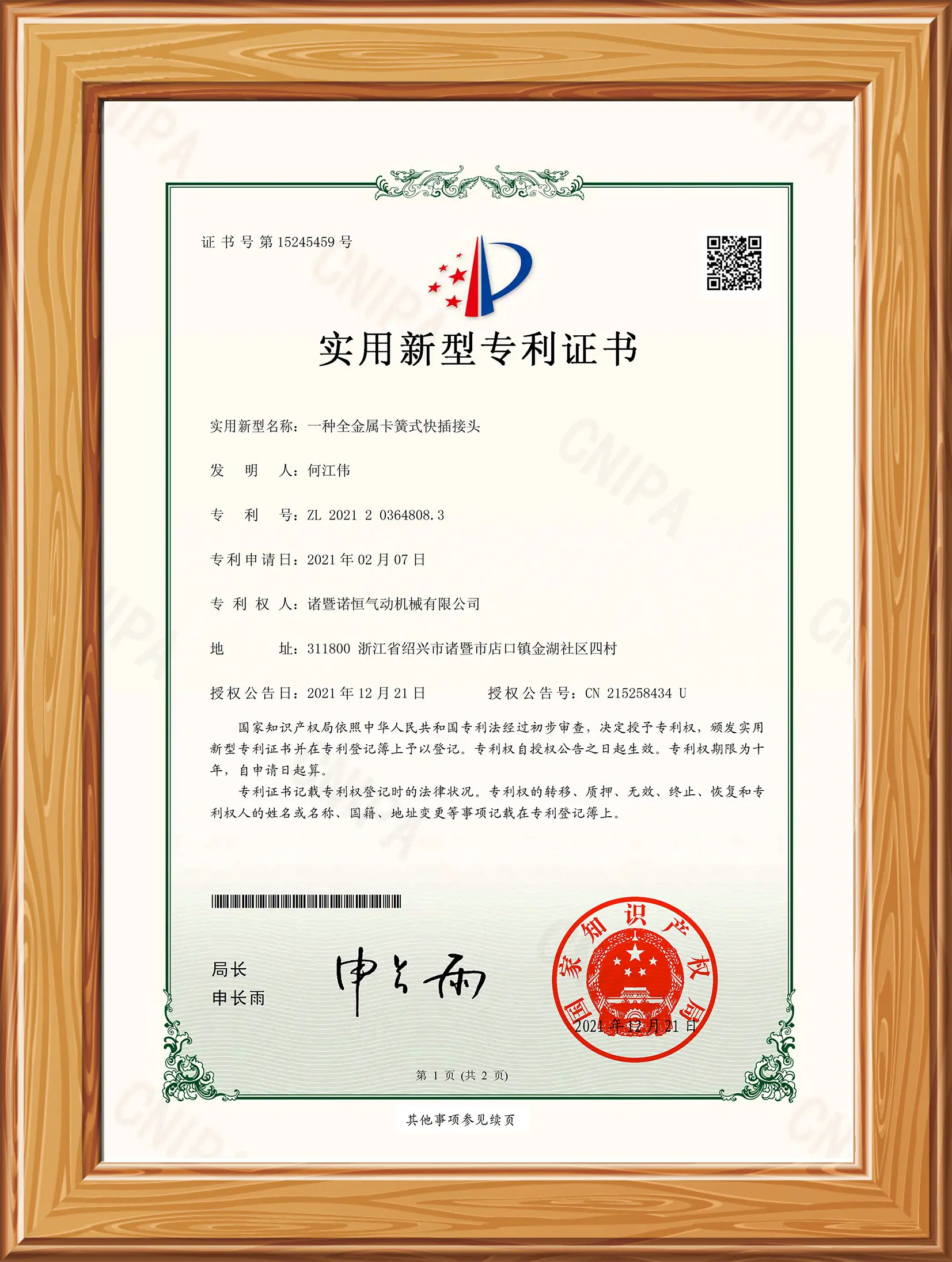
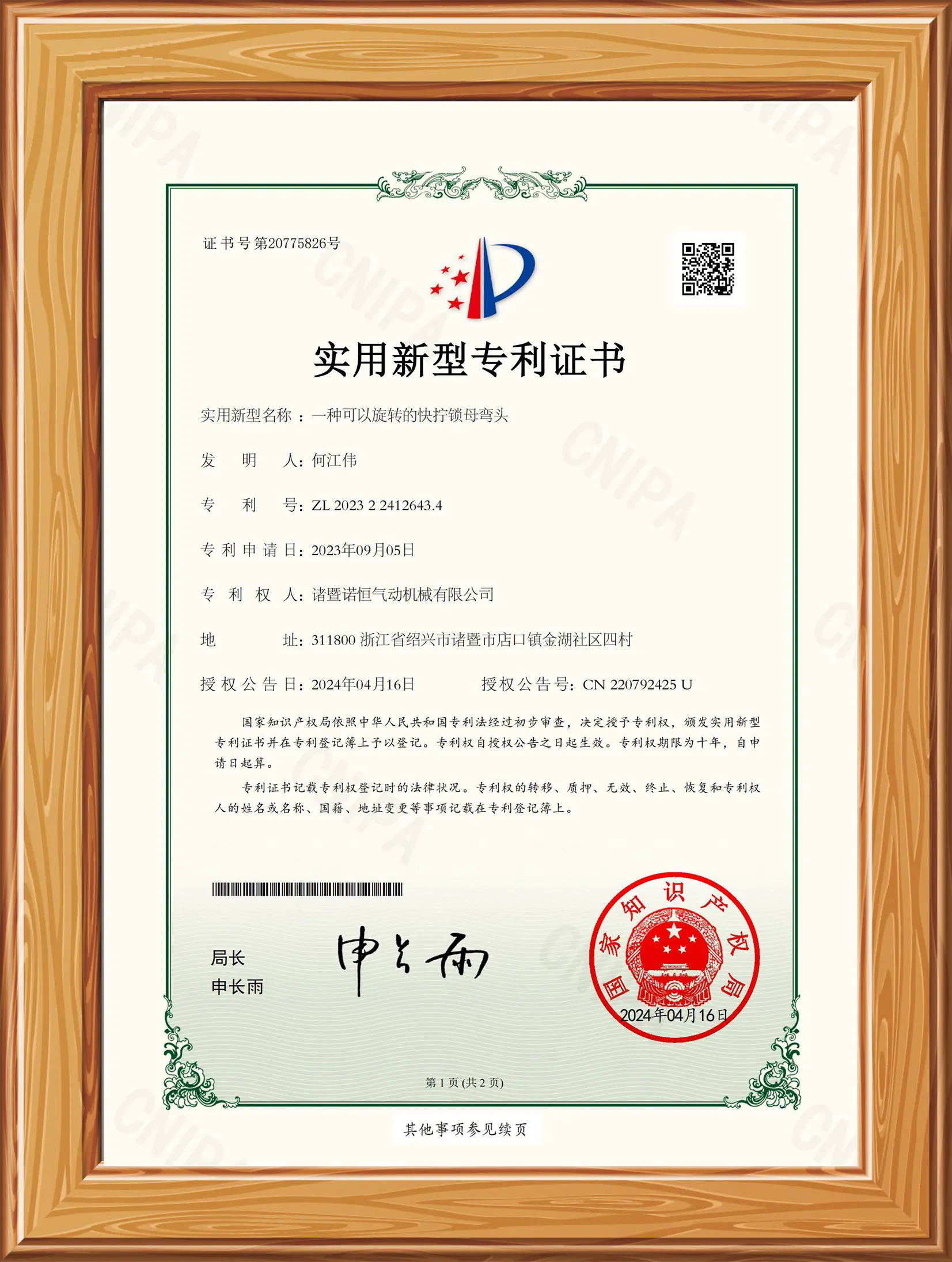
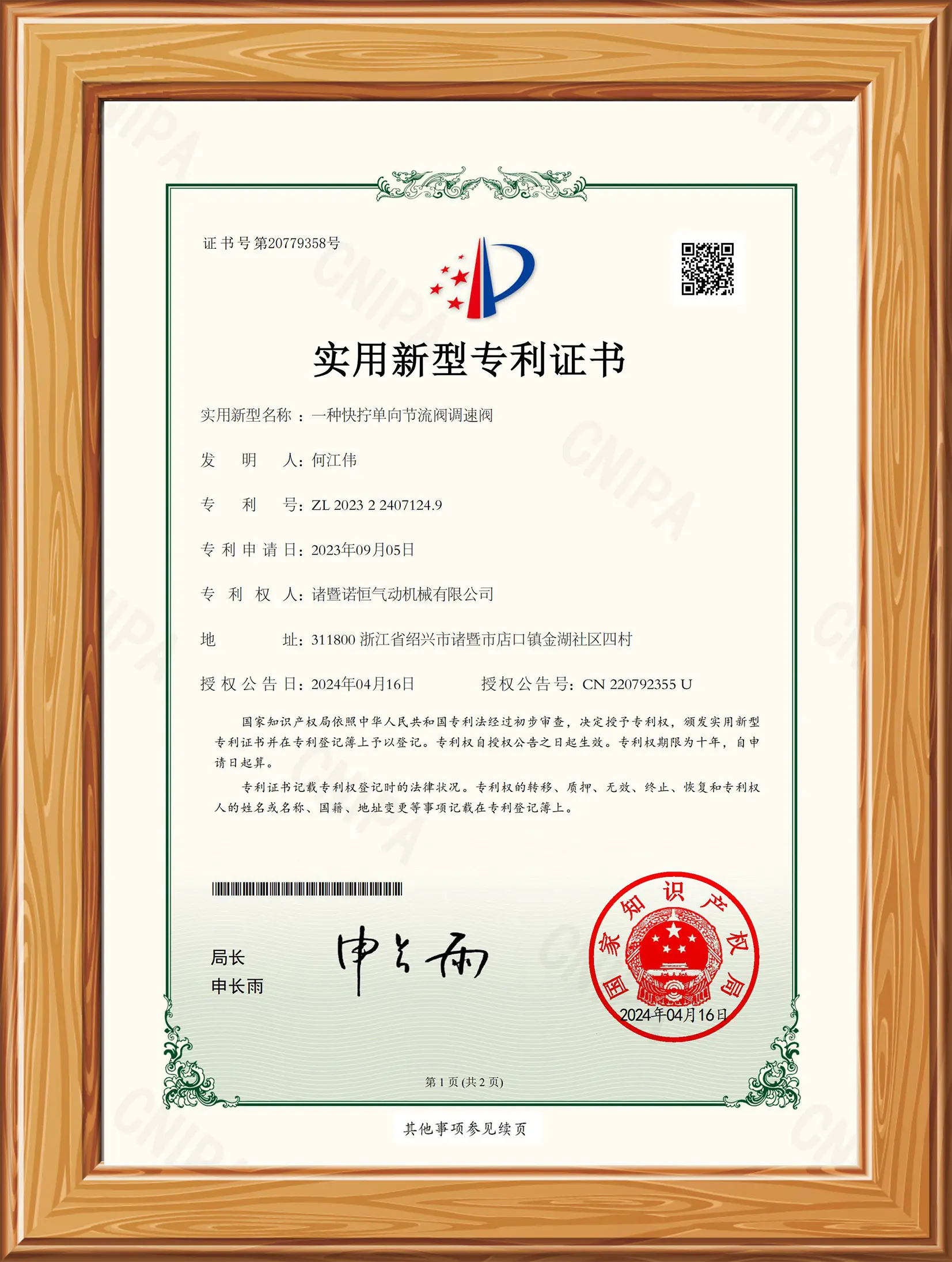
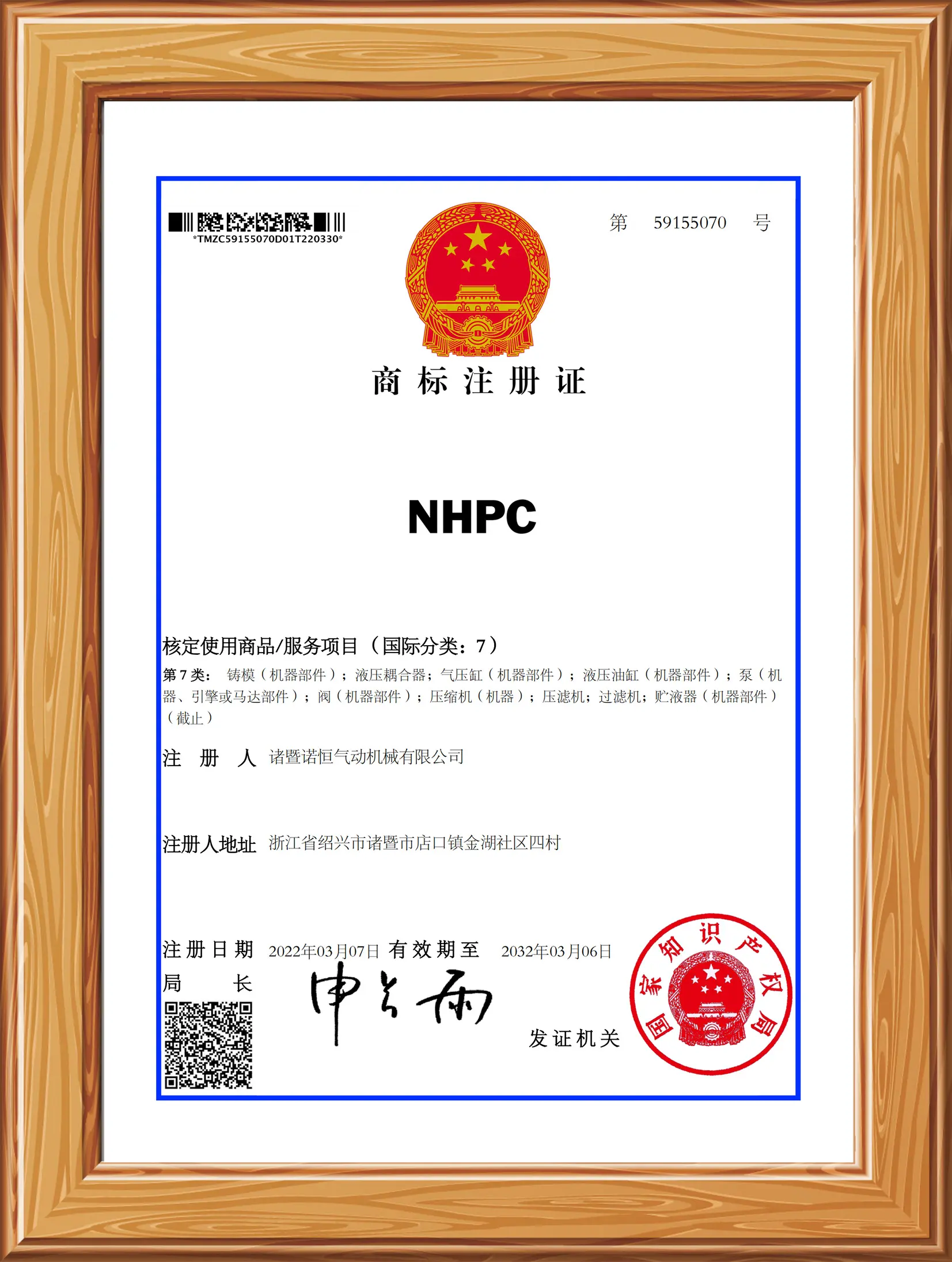
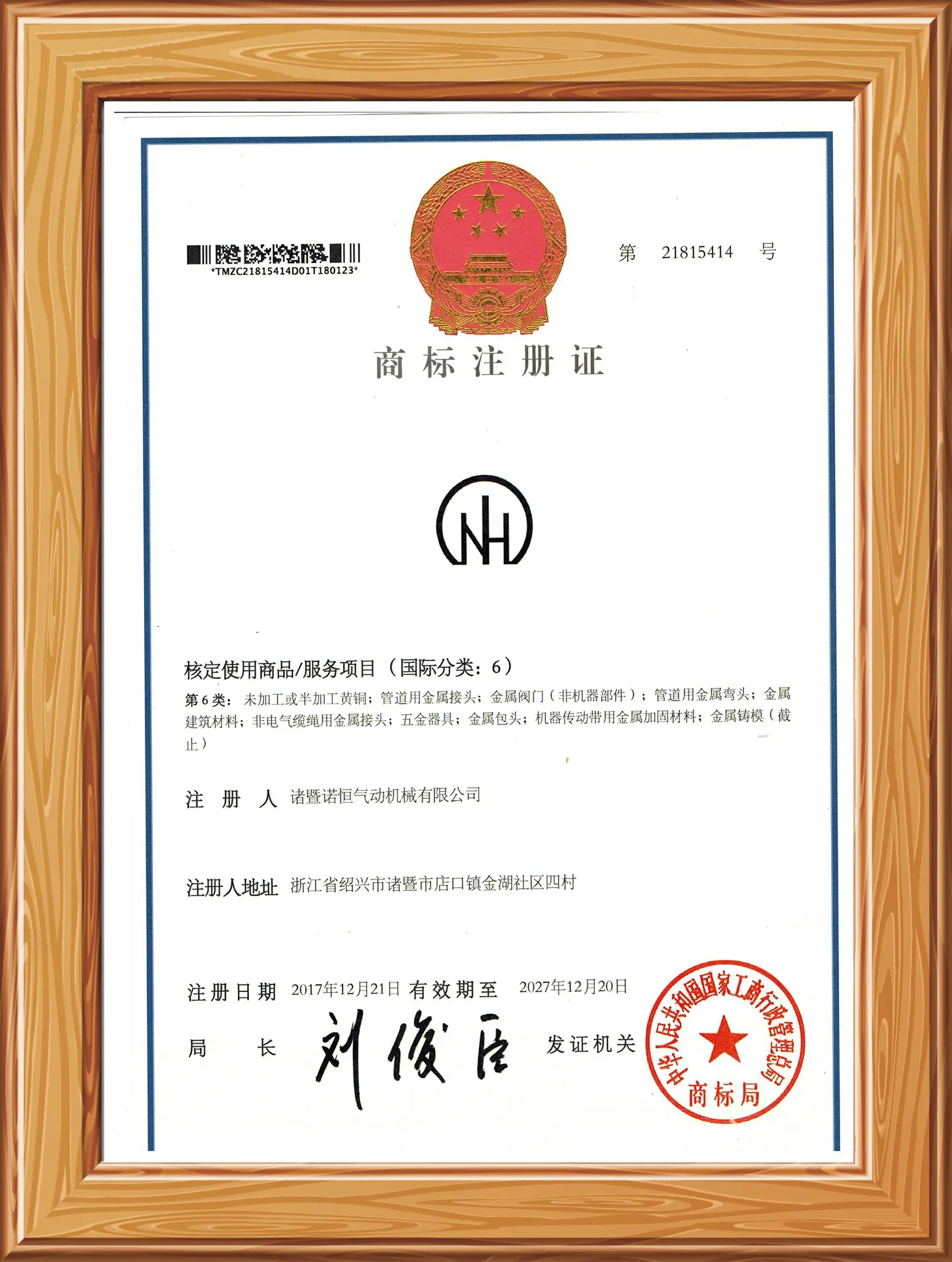
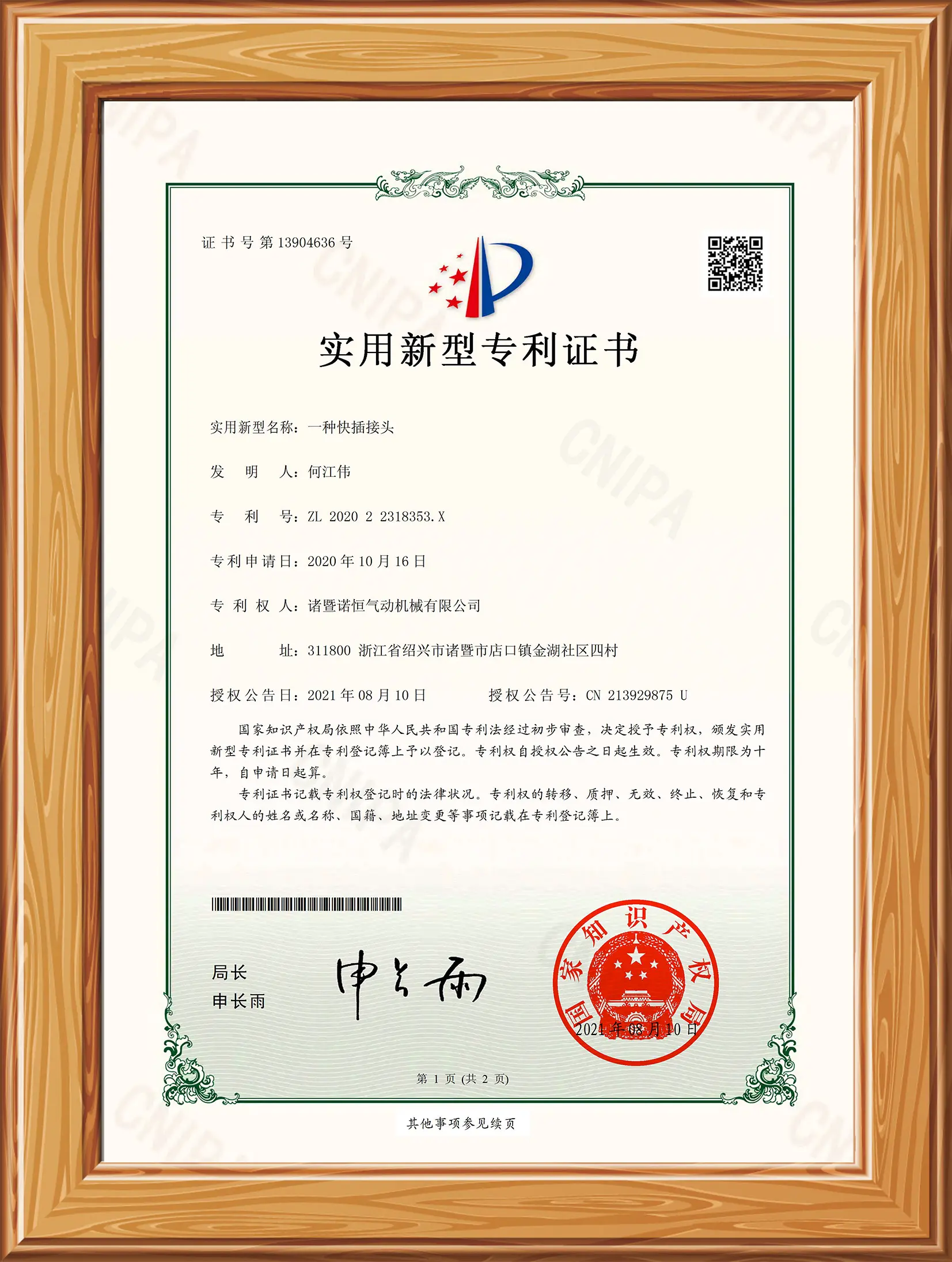
NHPC's commitment to quality is validated by international regulatory certifications.


Specialized fittings designed for flame-resistant energy storage systems and heavy duty vehicle braking lines.


As global supply chains localize, regional engineering requirements demand distinct, specialized configurations of quick lock air fittings. Below are the macro-industry solutions designed to address specific environmental challenges:
Lithium-ion battery packs are highly sensitive to thermal runaway. Fire protection systems in battery enclosures require high-pressure fire suppression media or liquid glycol coolants. Fittings in these applications must guarantee long-term ozone resistance and UV stabilization, while also meeting UL94 V-0 self-extinguishing ratings. The NHPC PC, PLF, and PE series of flame-resistant fittings are engineered specifically to prevent containment failure during critical safety events, ensuring fire suppression agents flow reliably.
Commercial trucks, trailers, and railway coaches depend entirely on air brake systems for kinetic control. In cold climates, these systems face freezing temperatures, road grit, and corrosive de-icing chemicals. Brass DOT push-to-connect fittings, equipped with dynamic internal seals, prevent sub-zero leakage and resist mechanical fatigue, offering a fast-coupling alternative to traditional copper systems.
In modern industrial packaging and electronics assembly, robotic arms operate continuously. The air tubing connected to moving parts experiences constant bending and torque. Universal rotatable elbow fittings (such as our PH and PLG series with 360-degree rotation capabilities) prevent tubing torsion and fatigue, extending the service life of the air delivery lines and reducing unplanned factory downtime.
In the broad field of industrial production, pneumatic equipment plays a key role in production efficiency and product quality. NHPC is committed to manufacturing reliable hydraulic and pneumatic power machinery and components that perform in demanding environments.
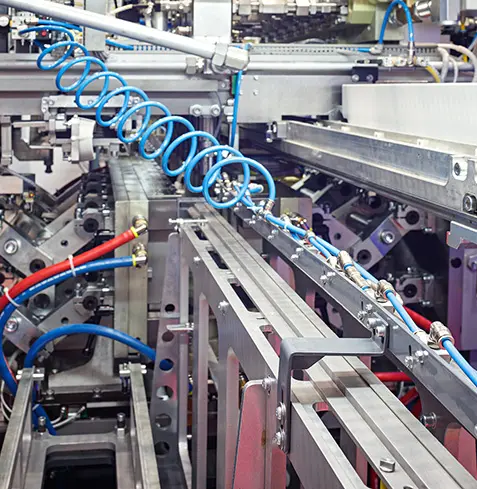
High-speed pick and place pneumatic lines integrated with 360° rotatable G thread elbow fittings.

UL94 V-0 flame-retardant quick-lock connectors for lithium-ion battery containment safety.
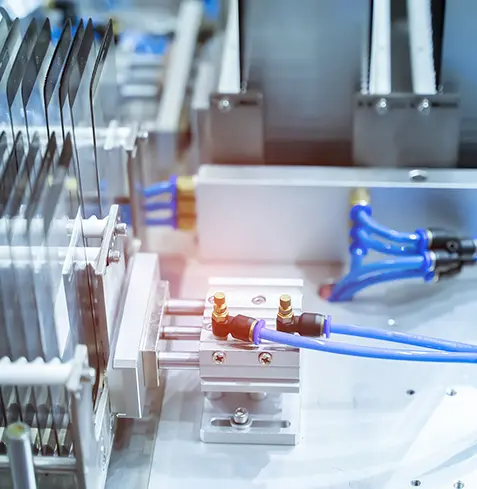
Certified brass push-to-connect line solutions engineered for commercial truck transit safety.
Centralized distribution manifolds utilizing straight bulkhead, throttle flow, and Y type middle-thread connectors.
As industry standards evolve toward smart manufacturing and sustainability, pneumatic connector technologies are advancing in three key areas:
Future industrial environments will require self-diagnostic capabilities. The integration of micro-sensors into manifold blocks and high-criticality fittings allows for real-time pressure, temperature, and leak monitoring. These smart connectors will feed telemetry data to centralized control networks, enabling predictive maintenance before a micro-leak leads to system pressure loss.
To reduce dependence on petroleum-based polymers, ODM manufacturers are researching biodegradable polyamides and high-performance recycled engineering plastics. These new materials must match the tensile strength, chemical resistance, and flame-retardant properties of traditional materials, aligning pneumatic systems with corporate decarbonization goals.
For cleanroom environments such as medical, pharmaceutical, and semiconductor manufacturing, standard push-in fittings can trap microscopic dust or moisture within internal collet cavities. New designs feature specialized, flush internal sleeves that minimize dead volume, preventing bacterial accumulation and contamination.
Technical guidance from NHPC's senior engineering and quality assurance teams.
Browse our range of specialized elbow, bulkhead, and manifold fittings for global distribution.
 Nuoheng