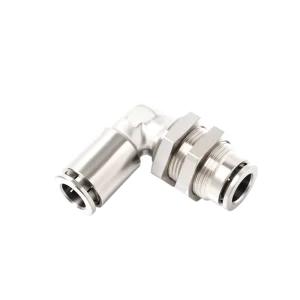
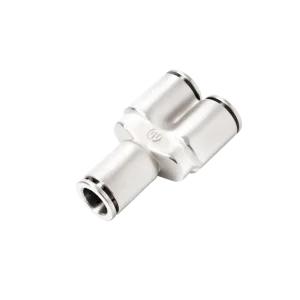
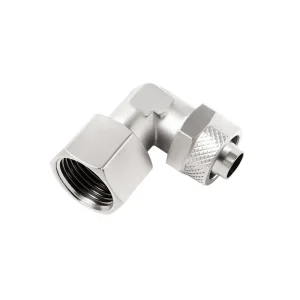
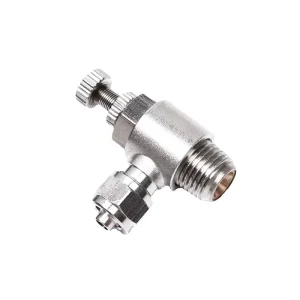
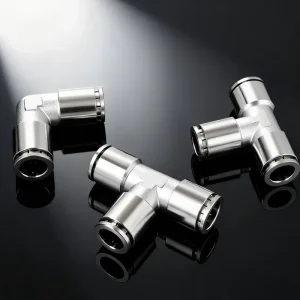
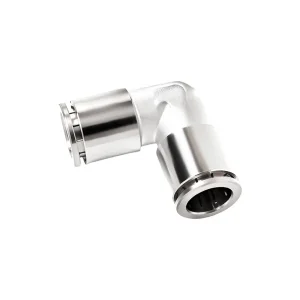
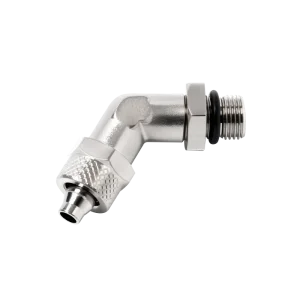
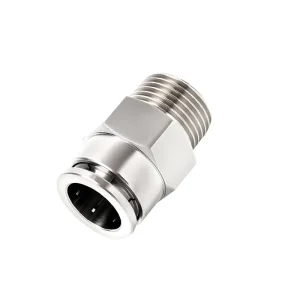
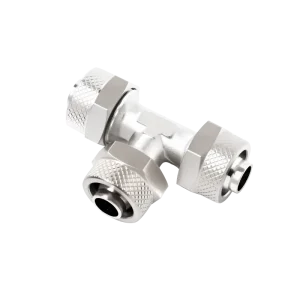
Explore our high-performance pneumatic components, engineered to satisfy critical requirements across international manufacturing and packaging lines.
In modern industrial manufacturing, pneumatic automation systems act as the primary kinetic framework that drives productivity, precision assembly, and material handling. At the very core of these critical networks are push-in air line fittings—seemingly small components that bear massive operational responsibilities. Under high cyclic pressures, wide thermal fluctuations, and exposure to chemical agents, the stability of these connection interfaces dictates the overall efficiency of entire production ecosystems.
Historically, pneumatic pipeline installations heavily relied on threaded joints or compression sleeves. These solutions required manual sealant wrapping, high torque applications, and lengthy downtime during system reconfigurations. Today, the global manufacturing paradigm demands agile, leak-free, and toolless connection methodologies. The development of advanced push-in (or push-to-connect) fittings has resolved these historic issues, reducing setup times by up to 75% and offering a high-reliability seal through optimized internal claw clutches and elastomer O-rings.
“True efficiency in pneumatic circuitry is measured not only by uninterrupted airflow but also by the longevity and speed of maintenance at connection points. As automation lines become faster and more compact, the engineering of the push-in interface must advance in tandem.” — Nuoheng Pneumatic Engineering Directorate.
As industries transition toward smart factory standards, the technical requirements for air line fittings have grown exponentially. Today's procurement teams and system designers must source fittings that withstand pressure shocks, combat environmental corrosion, resist flame spread in energy storage clusters, and maintain tight certifications (such as DOT FMVSS 106 for heavy transport vehicle safety). Consequently, choosing an experienced, high-precision OEM partner is no longer just a purchasing decision—it is a cornerstone of operational risk management.
Welcome to Zhuji Nuoheng Pneumatic Machinery Co., Ltd. (NHPC), a premier engineering manufacturer at the forefront of the global pneumatic industry. Founded with a single, clear objective—to engineer and distribute reliable, high-precision pneumatic components—NHPC has built a reputation over the last 15+ years as an industry authority. We specialize in designing, manufacturing, and supplying a comprehensive, standard-compliant range of pneumatic fittings, control valves, quick couplers, industrial tubing (PU/PE/Nylon), and custom fluid transmission systems.
NHPC's production headquarters houses advanced CNC machining hubs, automated injection molding cells, and dedicated heat treatment and metal surface processing lines. Our end-to-end control of the manufacturing chain—from premium brass rod raw selection to final assembly checking—ensures consistent physical and chemical integrity for every product batch. We service OEM/ODM partners in North America, Europe, Southeast Asia, and the Middle East, transforming custom concept drafts into high-volume components optimized for localized markets.
Years of Pneumatic R&D
Technical & QC Experts
Annual New Patent Releases
Years Global Export Scale
Watch our plant operations showcasing high-precision CNC processes, assembly procedures, and strict quality control measures.
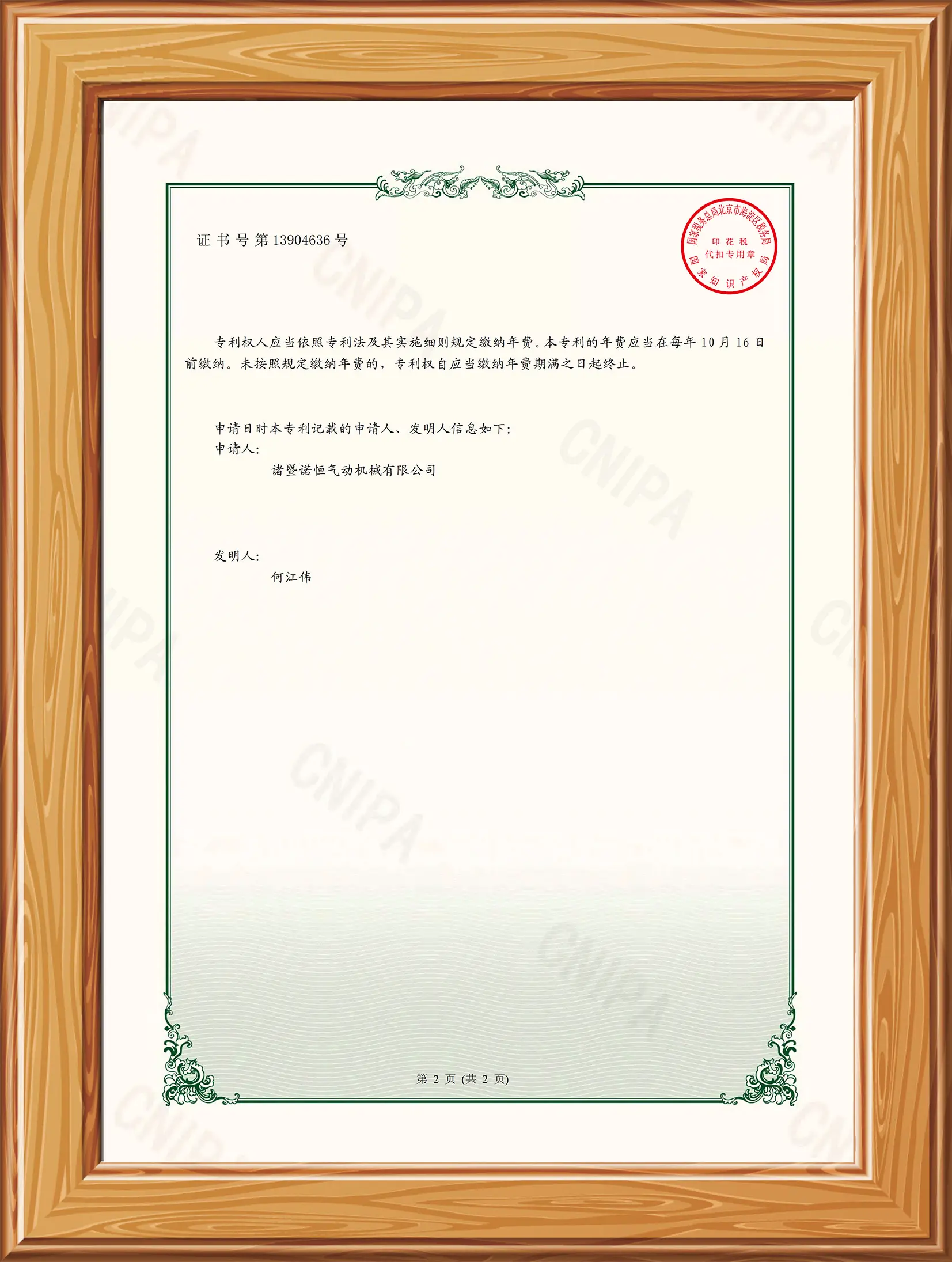
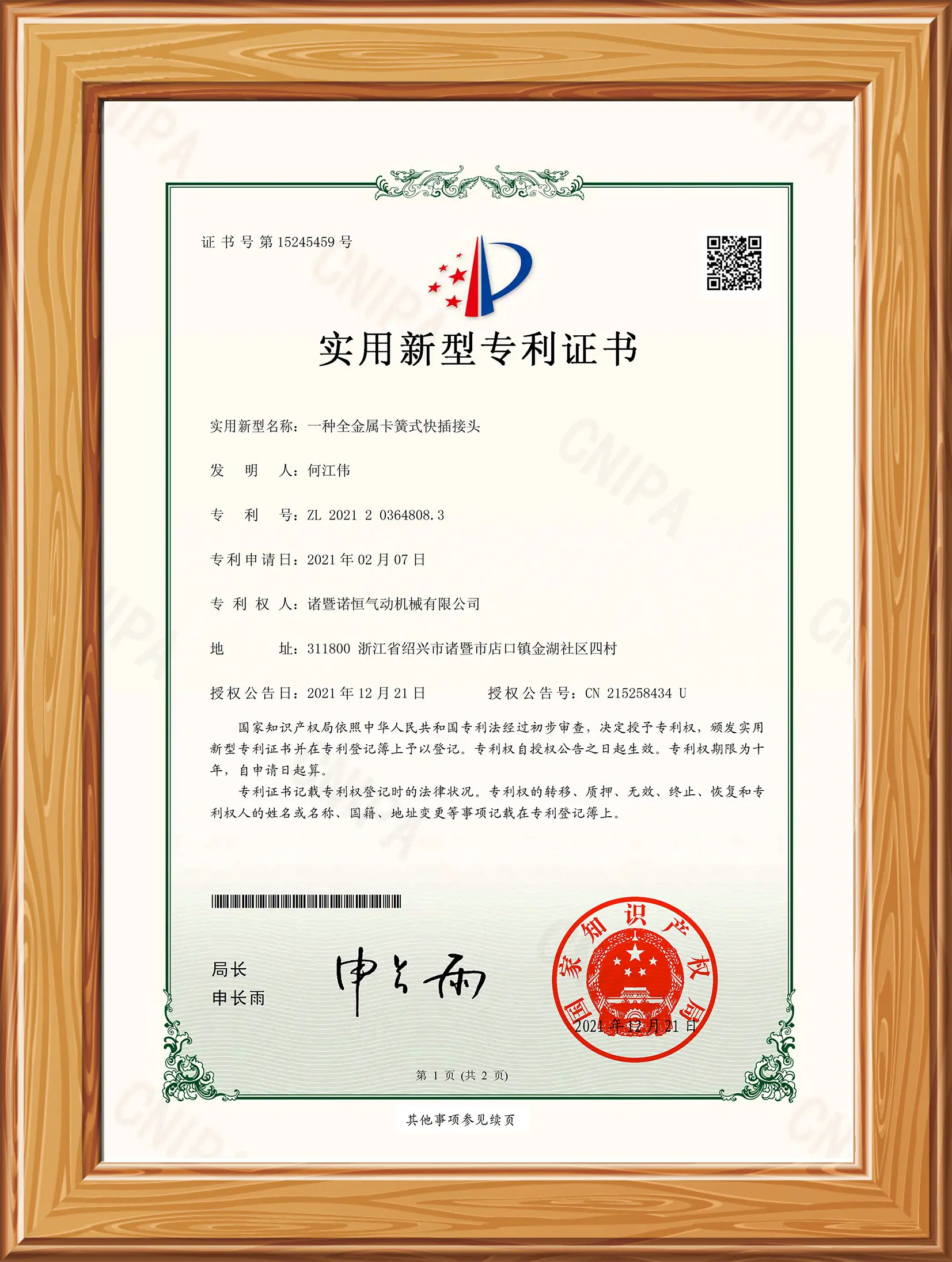
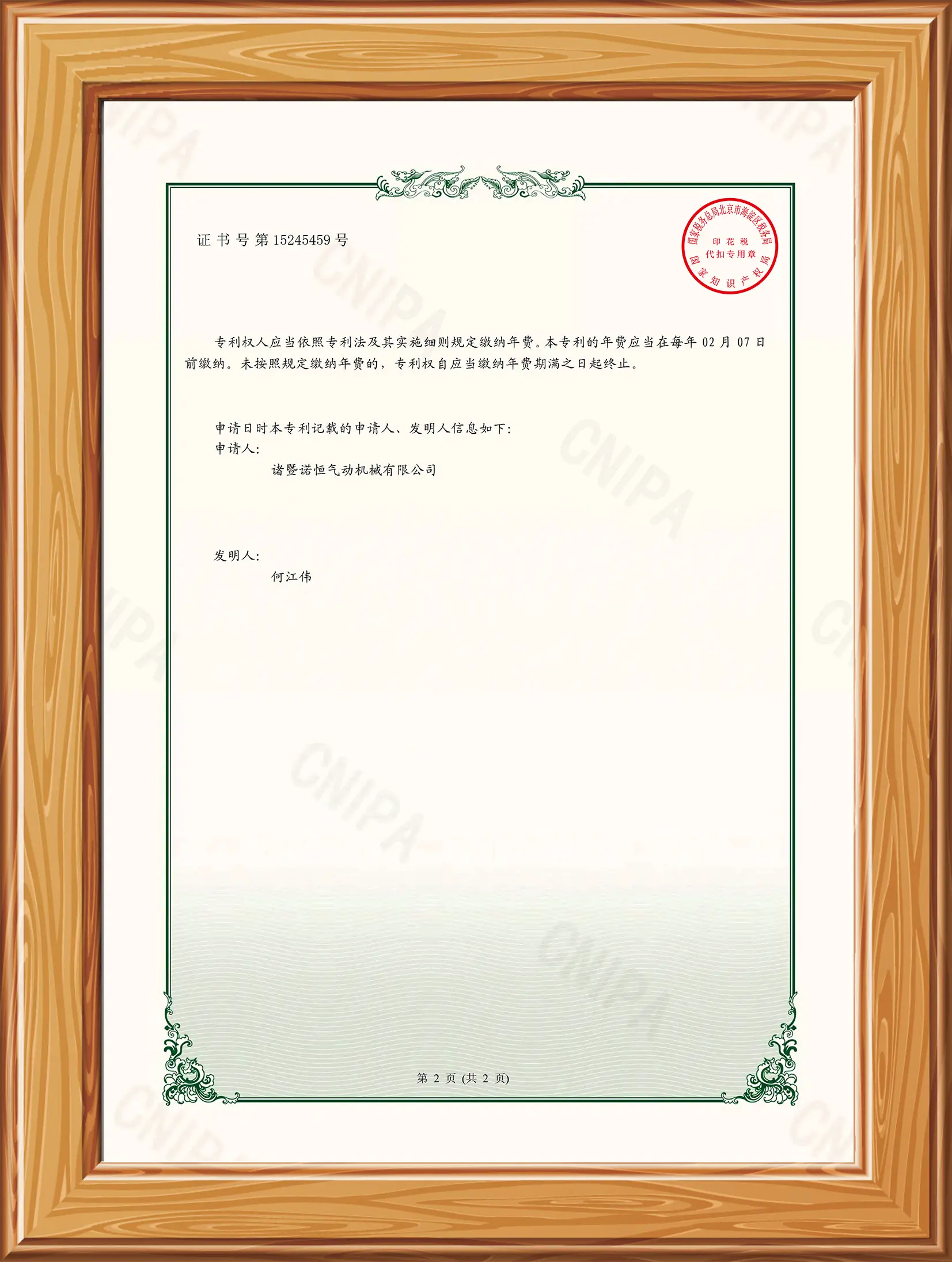
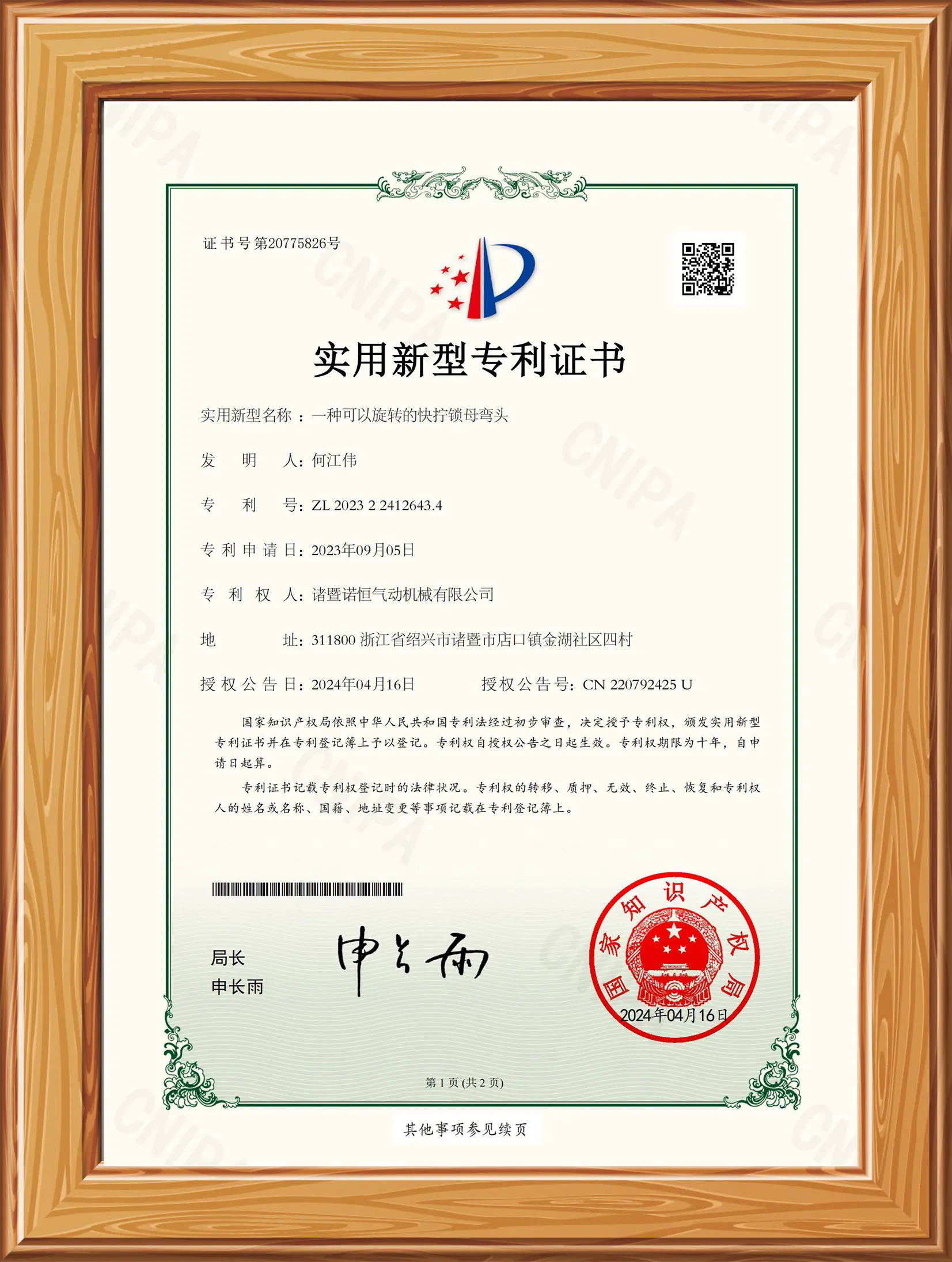
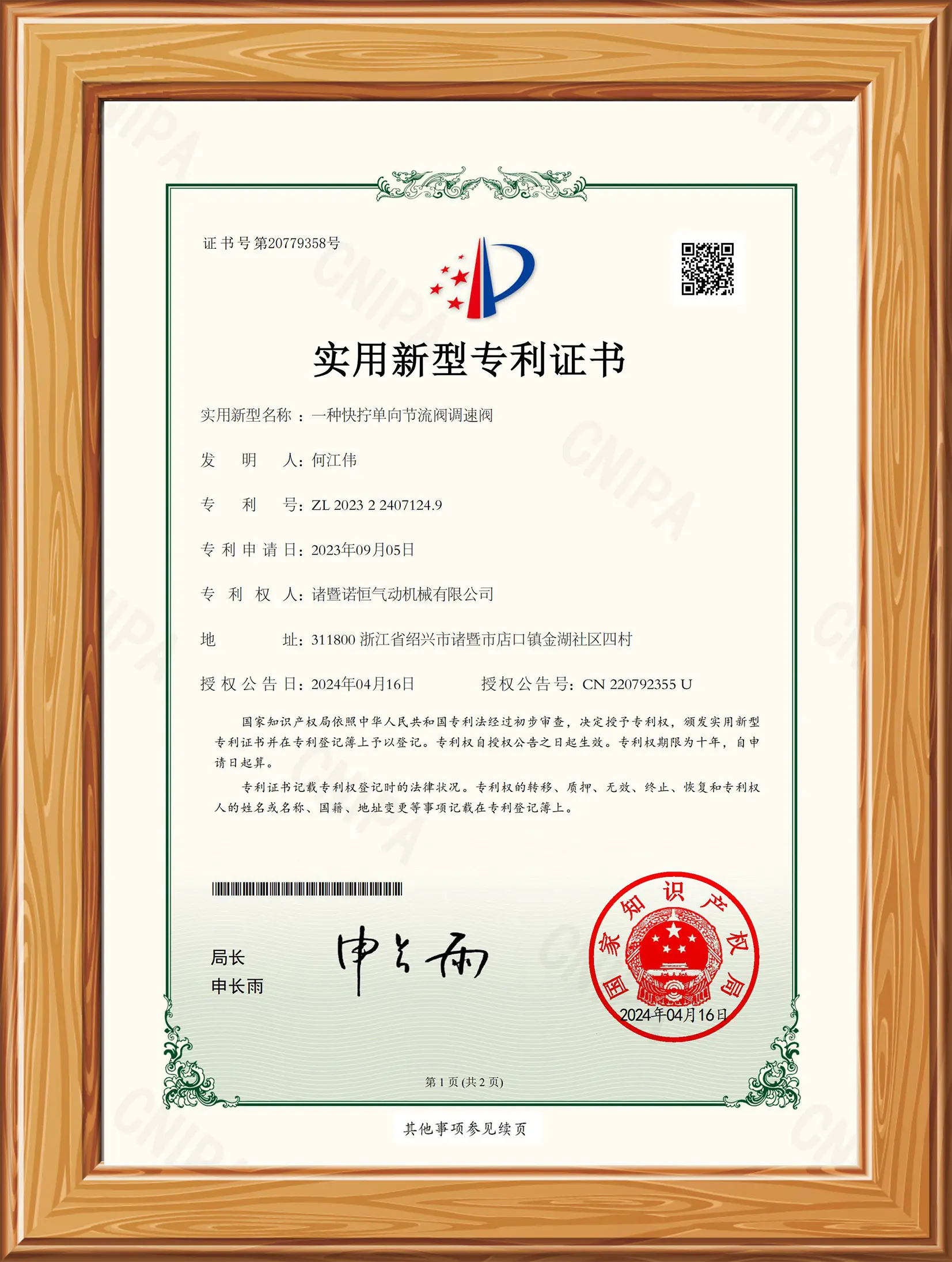
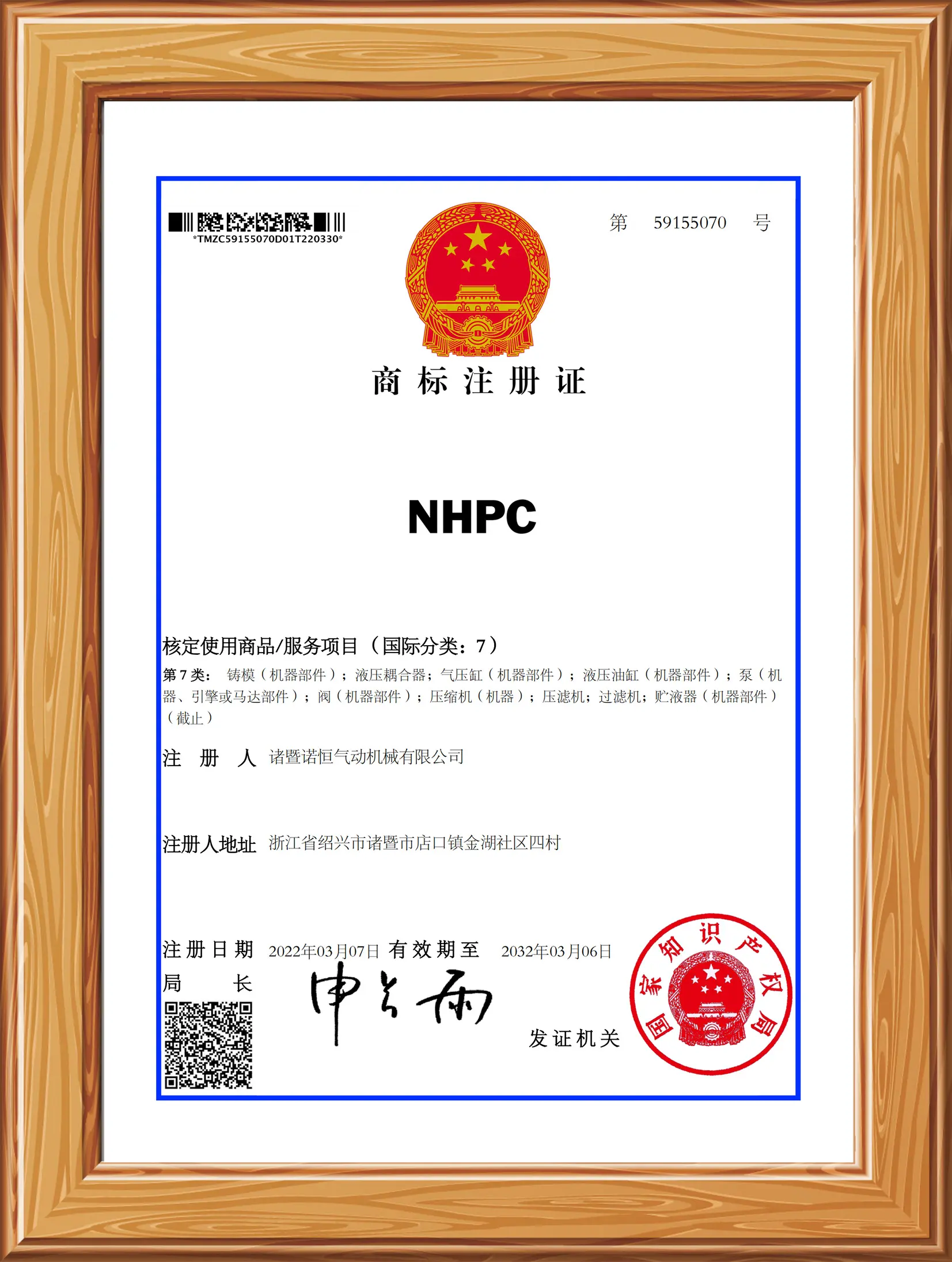
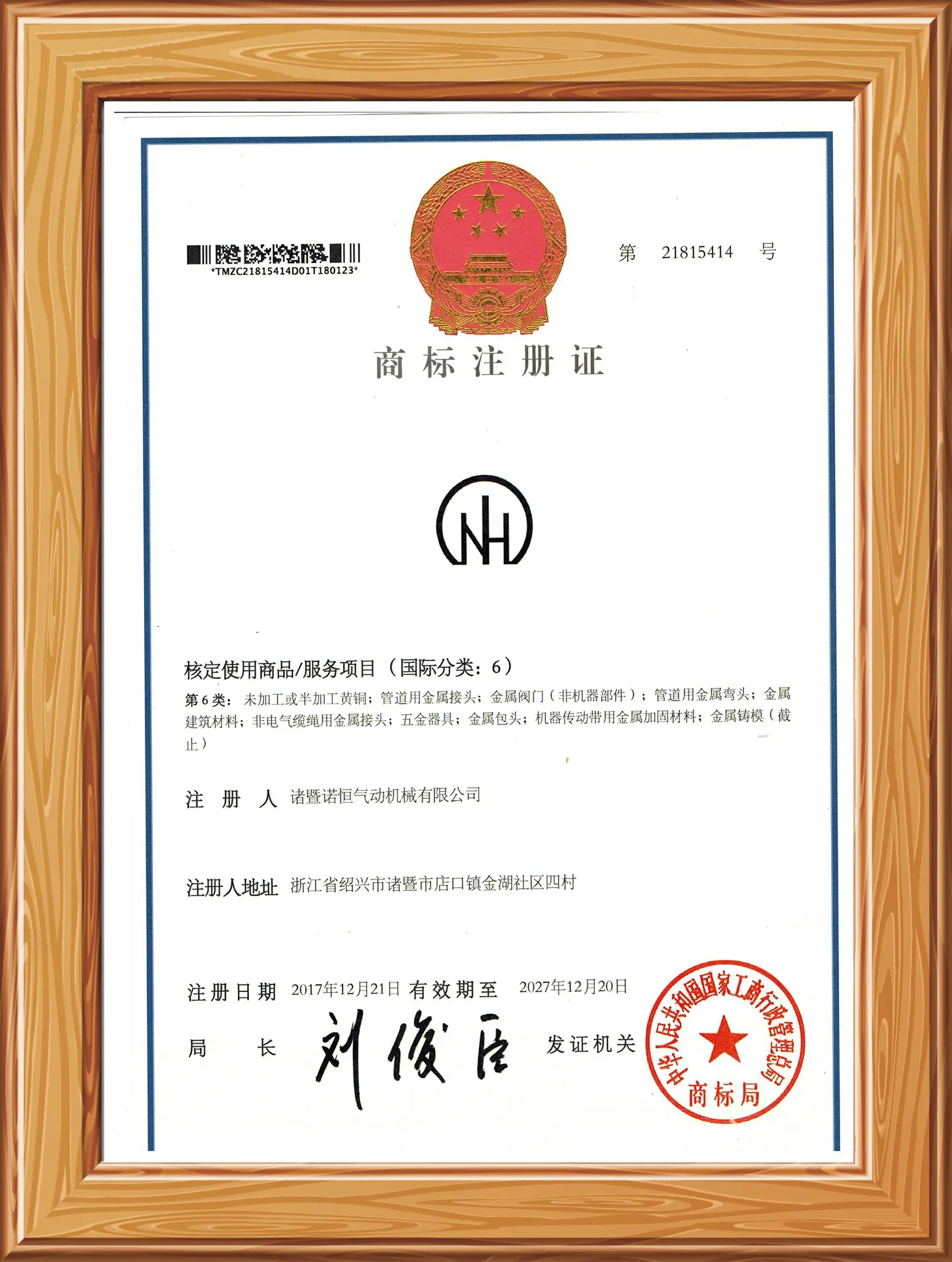
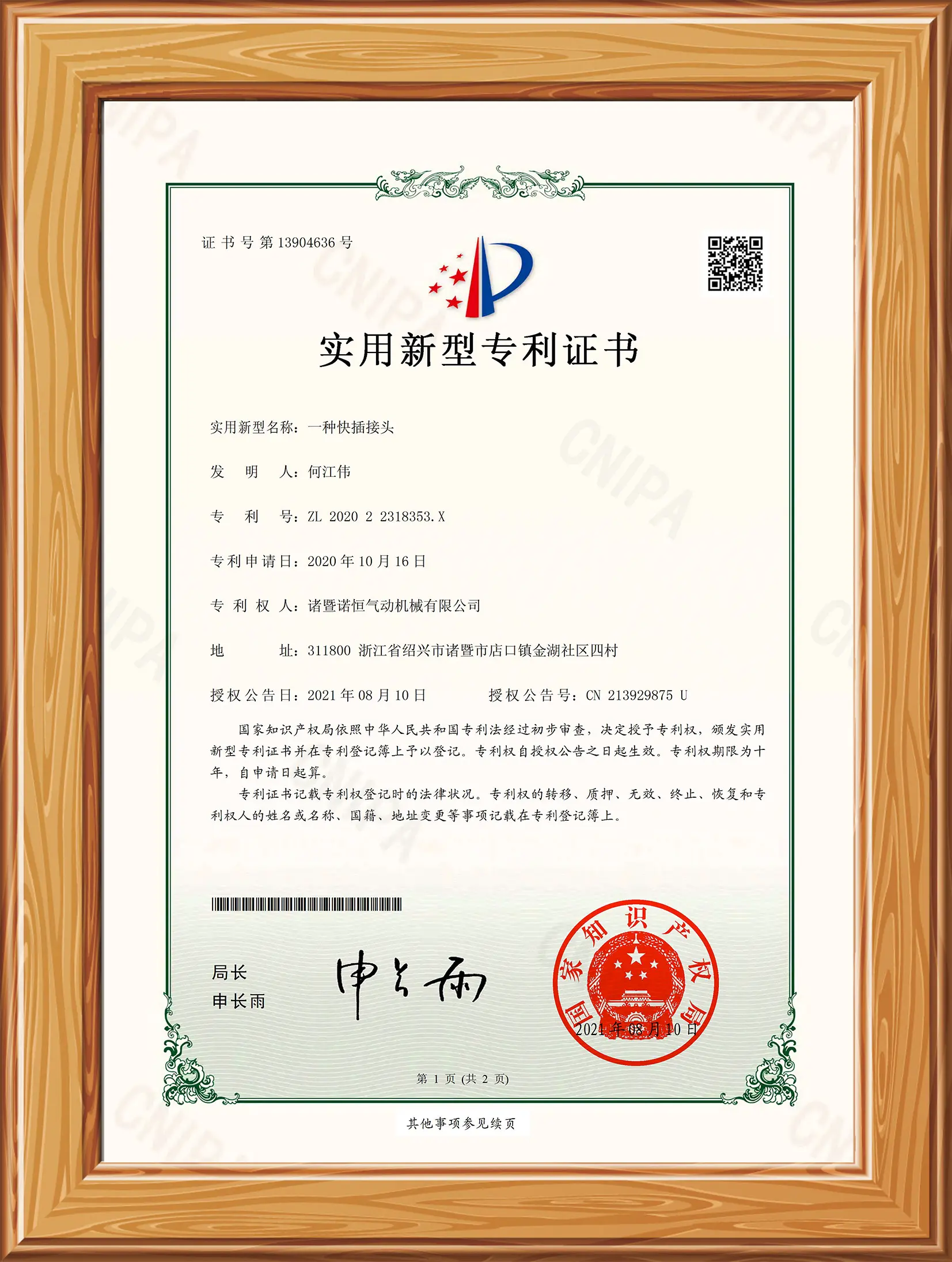
NHPC components are audited and certified for compliant integration in high-regulation zones globally.
Modern production frameworks demand lightweight yet chemically resistant construction. Utilizing composites (such as glass-reinforced Polybutylene Terephthalate - PBT) alongside forged brass ensures components remain resistant to impacts while significantly reducing weight in overhead gantry configurations.
With the rise of renewable energy storage systems (BESS) and electric vehicle infrastructure, requirements for self-extinguishing and flame-retardant pipe fittings are critical. Our specialized PE/PLF/PC series are developed specifically to isolate potential fire hazards inside cabinet enclosures.
For cross-border OEMs, sourcing products that satisfy various standards is a operational bottleneck. Working with a supplier that maintains comprehensive compliance certificates (CE, RoHS, REACH, and DOT air brake criteria) mitigates international customs risk and simplifies end-user safety sign-offs.
In B2B purchasing, a single failure of a pneumatic connector can lead to thousands of dollars in line delays. Consequently, procurement officers evaluate suppliers on a multidimensional scale: technical design reliability, raw material traceability, tooling capacity, and responsiveness. NHPC solves these critical issues by presenting complete material certification records and testing and assembly reports, securing a resilient and transparent supply chain for our global partners.
Designed for heavy duty integration, from transportation brake systems to sensitive industrial machinery.
| Sector Application | Technical Challenges Addressed | Material Specification | NHPC Solution Model |
|---|---|---|---|
| Battery Storage Systems (ESS) | High fire propagation risk, liquid thermal runoff, chemical corrosion. | Flame-Retardant PBT (UL 94 V-0 Rated) & Fluoropolymer O-rings. | PE / PLF / PC Flame-Retardant Series |
| Heavy Duty Transit & Freight | Extreme vibration, abrasive environments, DOT air brake requirements. | Forged Brass (HPb59-1), High-Tension Stainless Steel Claws. | DOT 90° Elbow, Swivel & Non-Swivel Brass Fittings |
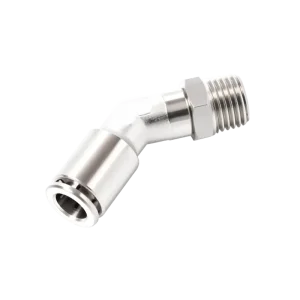
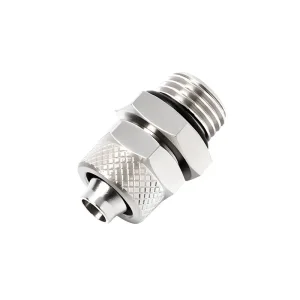
| Industrial Robotics & Tooling | Space restrictions, dynamic rotations, fast cycle times. | Nickel-Plated Brass base, 360° Rotatable Swivels. | ODM PL45° / Wholesale PML Series |
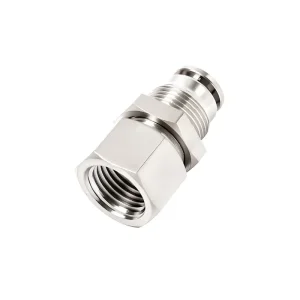
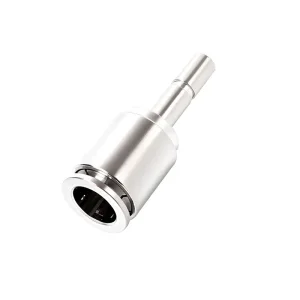
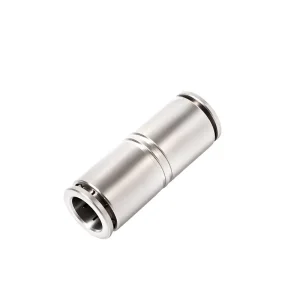
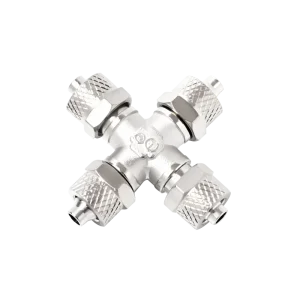
| General Pneumatics & Piping | Varying tube diameters, high pressure connections, ease of installation. | Structural Composite polymer bodies with NBR/Viton Seals. | PZA Cross, PGJ Reducer, PU Straight Union |
Our push-in fittings rely on a multi-component internal retention system. When a pneumatic tube (typically PU, PE, or Nylon) is inserted, the lock-jaw collet (featuring stainless steel gripping claws) bites into the outer tube sheath. At the same time, a high-elasticity NBR or Viton sealing ring forms a tight radial seal. As internal air pressure increases, the collet is forced outward, tightening the grip on the tubing and ensuring secure locking even under pressure surges up to 1.5 MPa.
Over 15 years of refining our processes to support global engineering, procurement, and logistics teams.
Utilizing our deep knowledge of pneumatic mechanics, NHPC provides end-to-end consulting. We deliver reliable fluid layout diagrams, customized component sizing, and structural recommendations to minimize total pipeline flow restrictions, reduce pressure losses, and optimize system safety.
Our tooling floor features high-precision multi-spindle CNC lathes, automated plastic injection units, stamping machines, and die-casting facilities. This hardware allows us to control tolerances tightly at every processing stage, from raw metal bar selection through to final assembly and pressure testing.
Our dedicated engineering support team assists with custom design requests, regulatory certifications, and after-sales support. We value client feedback and continuously refine our manufacturing techniques to better serve evolving projects around the globe.
Answers to critical design, compliance, and material compatibility questions for engineering directors and sourcing professionals.
BSPT (R) threads are tapered connectors commonly used in European and Asian machinery, sealing via thread interference. BSPP (G) threads are parallel threads that rely on an O-ring or a washer face seal, providing excellent sealing reliability under system vibration. NPT is the North American standard tapered thread. Mixing these threads can lead to thread stripping and pressure leaks. NHPC produces all three standards (BSPT, BSPP with O-ring, NPT) to ensure drop-in compatibility across international equipment installations.
Under the UL 94 vertical burning test, a V-0 rating means the material must stop burning within 10 seconds and must not drop particles that could ignite cotton. In Lithium-ion battery cabinet configurations, high electrical current can cause thermal events. Standard polymer fittings can act as fuel or melt under high heat, leading to fire spread and pressure drops in fire suppression lines. NHPC's PE and PLF fire protection series use custom compound polymers that meet the UL 94 V-0 standard to maintain system integrity during thermal events.
Our standard composite and nickel-plated brass push-in fittings operate between 0 to 150 PSI (0 to 1.0 MPa) under positive pressure, and down to -29.5 in Hg (-100 kPa) in vacuum configurations. The standard working temperature range is -20°C to +80°C (-4°F to 176°F) when paired with suitable PU, Nylon, or PE tubing. For applications with higher operating temperatures or chemicals, FKM (Viton) sealing options are available upon request.
Our push-in fittings are engineered primarily for semi-rigid plastic tubing (Polyurethane, Polyethylene, and Nylon) with calibrated outer diameters. If used with metal tubing (such as copper or soft aluminum), the tubing must have a grooved locking surface or be soft enough for the stainless steel lock-claws to grip. For high-pressure rigid steel pipelines, we recommend compression brass fittings or specialized hydraulic ferrules instead of standard pneumatic push-in designs.
Our design team utilizes CAD modeling and FEA (Finite Element Analysis) to evaluate customized layouts. Upon receiving your design specs, we produce initial prototype samples using CNC machining within 7 to 10 working days. After passing physical leak, burst, and salt spray tests in our validation labs, we proceed to scale up automatic tooling and setup injection molds for high-volume manufacturing, keeping lead times short and cost-effective.
Select industrial components designed for demanding fire-protection systems, automotive air brakes, and high-pressure applications.
 Nuoheng