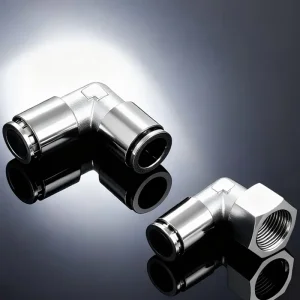
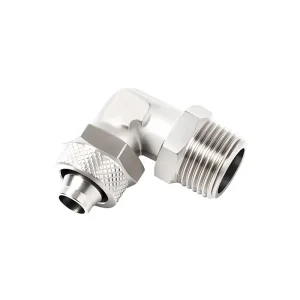
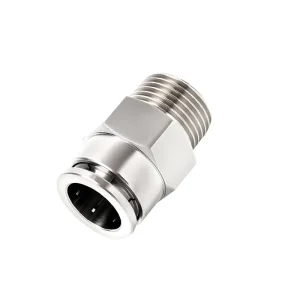
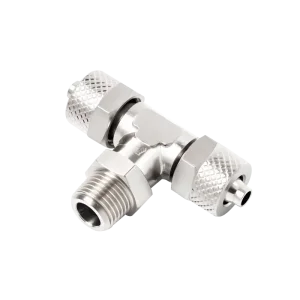
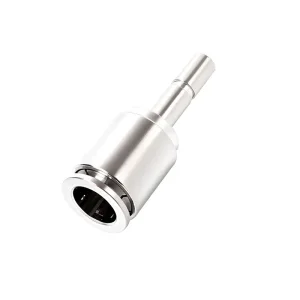
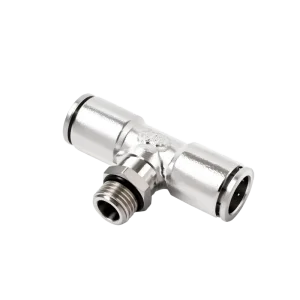
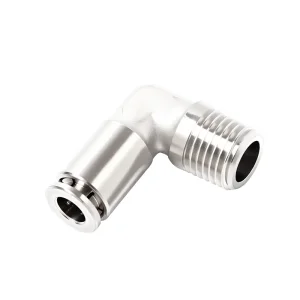
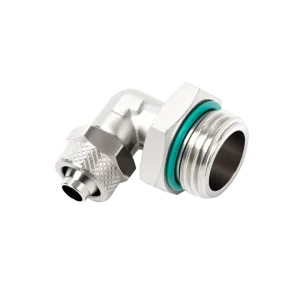
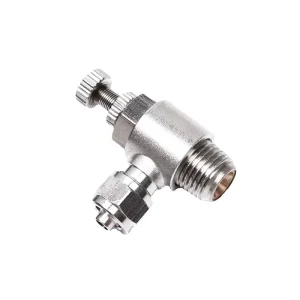
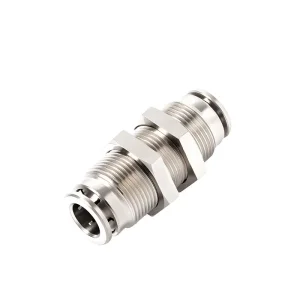
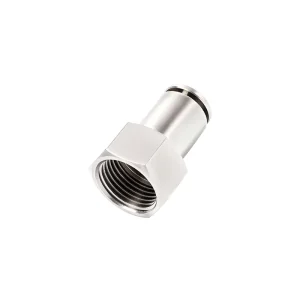
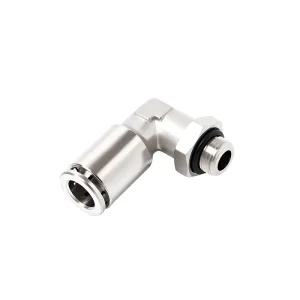
OEM Push Lock Air Hose Fittings Suppliers & Company

High-Precision Pneumatic Connections, Structural Integrity & Global OEM/ODM Integration by Nuoheng Pneumatic Machinery (NHPC)

Industry Dynamics of Push-Lock Air Hose Fittings

Analyzing current global shifts toward rapid connection systems, structural optimization, and material engineering.

In modern industrial manufacturing and automation system design, the reliability of fluid and gas pipelines determines the operational efficiency of the entire plant. OEM Push Lock Air Hose Fittings are the critical link between control valves, cylinders, and pneumatic air supplies. With the constant drive for high-speed production lines and lower maintenance times, the market is experiencing a profound transition away from traditional screw-type adapters to high-performance, tool-free connection systems.

Key Industry Shift: The Rise of Zero-Leakage Quick-Release Technologies

Industrial statistical surveys indicate that more than 30% of energy loss in pneumatic systems is attributed to joint leakage. To tackle this challenge, next-generation push-lock fittings integrate dual-groove sealing rings and high-durability stainless steel grab claws. This ensures instant sealing under pressure surges, directly lowering system maintenance overheads.

1. Material Science and Structural Upgrades in Pneumatic Connections

Historically, pneumatic connections utilized standard steel or copper structures. However, aggressive environment exposure leads to premature oxidation and mechanical wear. Modern Push Lock Air Hose Fittings utilize advanced corrosion-resistant alloys, such as HPb59-1 brass with electroplated nickel surface coating, alongside engineered thermoplastics (PBT and POM). Additionally, for specialized configurations such as flame-resistant environments (energy storage and electrical fire-prevention platforms), specialized fire-retardant polymers (UL94-V0 compliance grade) are integrated directly into the structural housings.

Material Component Common Industrial Grades Primary Technical Advantages Typical Applications
Brass Body HPb59-1 / C3604 Nickel Plated Superior tensile strength, high wear resistance, excellent corrosion protection Main supply lines, heavy mechanical lines, vehicle brake pipelines
Release Sleeve POM / Polyoxymethylene High rigidity, dimensional stability, low frictional resistance for easy release Frequent maintenance pipelines, testing rigs, automated systems
Grab Claw Stainless Steel SUS301/304 High elastic resilience, reliable bite force on PU/Nylon tubing without scratching Dynamic movement loops, high-vibration toolheads
Sealing Ring NBR (Nitrile) / FKM (Viton) Excellent seal recovery, oil-resistant, high-temperature options available Chemical distribution, pneumatic control boxes, outdoor automation

2. Global OEM Procurement Mandates: Standardization & Resilience

Procurement departments in multinational corporations (in regions like Europe, North America, and Southeast Asia) face the complex challenge of aligning diverse global technical standards. Selecting an air fitting supplier is no longer merely a pricing decision—it is a comprehensive evaluation of standardization compatibility (G Thread ISO 228-1, NPT ANSI B1.20.1, R/PT ISO 7-1), international safety compliance (like DOT FMVSS 106 for automotive systems), and robust capacity resilience.

  • Thread Interchangeability: The ability to custom order G threads (BSP Parallel), R threads (BSP Tapered), and NPT threads ensures absolute consistency across localized machines.
  • Vibration and Pull-out Resistance: Pneumatic systems operating under continuous cycling require secure holding claws to prevent tubing pop-outs, which can cause catastrophic line halts.
  • Traceability and Testing: Complete raw material tracking and certification (SGS, RoHS, CE) provide global supply chains with the reliability proof demanded by strict QC protocols.

NHPC Corporate Overview

Nuoheng Pneumatic Machinery Co., Ltd. - Empowering fluid automation systems for over 15 years.

1. Pipeline System Solutions

Leveraging our extensive engineering knowledge in pneumatic networks, we deliver cost-effective, custom-engineered components and actionable layout suggestions tailored to complex industrial configurations.

2. Professional Production Fleet

Our workshop integrates advanced CNC lathes, multi-axis machining centers, automatic plastic injection machines, stamping lines, and die-casting machinery, maintaining precise tolerance controls at all manufacturing phases.

3. Responsive OEM Support

From initial design sketches to final tooling validation and after-sales support, our technical representatives provide rapid assistance, customizing pneumatic solutions to your specific application requirements.

20+
Years of Industry Expertise
100+
Technical Engineers & Specialists
40+
Annual R&D Product Iterations

NHPC Factory Tour & Process Precision

Watch our modern production lines, quality inspection systems, and advanced product testing protocols in action.

Macro Solutions and Technical Roadmap

How high-precision quick-connect fittings solve complex problems in modern industrial ecosystems.

Macro Industrial Solutions: From Smart Factory to Energy Storage Fire Protection

Today's industrial challenges require specialized fluid connector solutions. Standard pneumatic components struggle when subjected to extreme environments, high temperatures, and electrical hazards. NHPC addresses these demands with specialized product series:

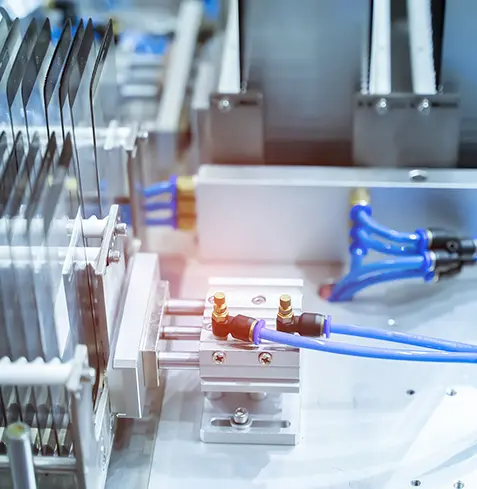
  • Automated Assembly & Robotics: Multi-axis industrial robots subject air lines to continuous torsional and bending stresses. Our rotatable 360-degree elbow fittings (such as the PLG, PLF, and ODM PL series) allow smooth rotation, preventing line buckling and structural fatigue.
  • Energy Storage Fire Containment (PLF Series): New energy storage stations (ESS) require flame-retardant air pathways to actuate safety valves and suppression lines. NHPC's PLF series is manufactured with specialized flame-resistant compounds, ensuring operation even under thermal overload conditions.
  • Commercial Transportation (DOT Air Brake Systems): Safety-critical vehicular platforms require compliance with international transport regulations. Our DOT-certified brass push-in fittings provide secure connections for heavy-duty commercial air brakes.

High Information Gain Highlight: Preventing Elastic Fatigue in Tubing Grips

In standard push-in fittings, the stainless steel grab claws can cut too deeply into polyurethane (PU) tubing when exposed to pressure spikes, causing localized weakening. NHPC's engineering design optimizes the contact surface angle of the bite claws, distributing mechanical loads evenly to prevent tubing shearing while maintaining pull-out resistance up to 25 kg/cm².

Quality Assurance, Compliance, and Localized Support

In global industrial supply chains, compliance is critical. Nuoheng Pneumatic (NHPC) ensures international conformity through strict testing protocols:

  1. High-Precision Metrology: Every batch of CNC-turned bodies undergoes optical sorting and automated dimensional verification to ensure thread pitch alignment within 0.02mm tolerances.
  2. Salt Spray Testing (ASTM B117): Nickel-plated components are subjected to salt spray testing to verify corrosion resistance, ensuring suitability for offshore and chemical processing environments.
  3. Helium Leak Testing: Randomly sampled fittings are tested for leakages under deep vacuum and positive pressure, guaranteeing bubble-tight sealing down to 1x10⁻⁶ mbar·l/s.

Technical Roadmap & Future Outlook

As industry 4.0 expands, pneumatic systems are moving toward intelligent monitoring. The NHPC technical roadmap focuses on three main developments:

  • Composite Material Innovations: Developing lightweight, metal-replacement structural polymers that offer equivalent chemical stability to stainless steel at a lower weight and cost.
  • Smart Fitting Integration: Integrating micro-sensors inside heavy-duty pneumatic manifolds to track pressure changes, flow rates, and temperatures, enabling predictive maintenance.
  • Eco-Friendly Operations: Optimizing our CNC and injection processes to reduce scrap material, aligning with global corporate environmental goals.

Industry Applications & Project Deployments

NHPC pneumatic components are trusted in demanding automation lines and vehicle control systems worldwide.
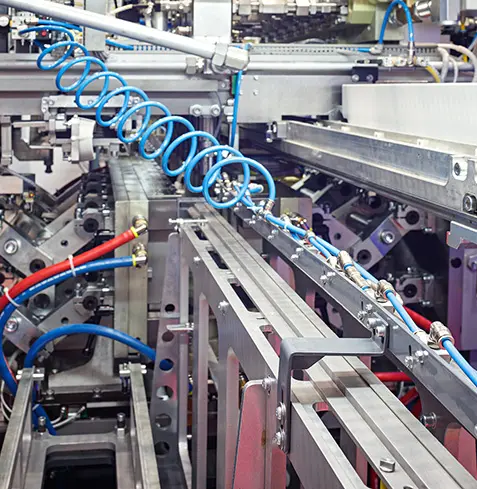

Automated Manufacturing Line Setup
High-Speed Automation Assembly
Robotics System Component Installation
Industrial Robotic Arm Air Circuits
Pneumatic Valve Cabinet Project
Custom Control Cabinet Systems

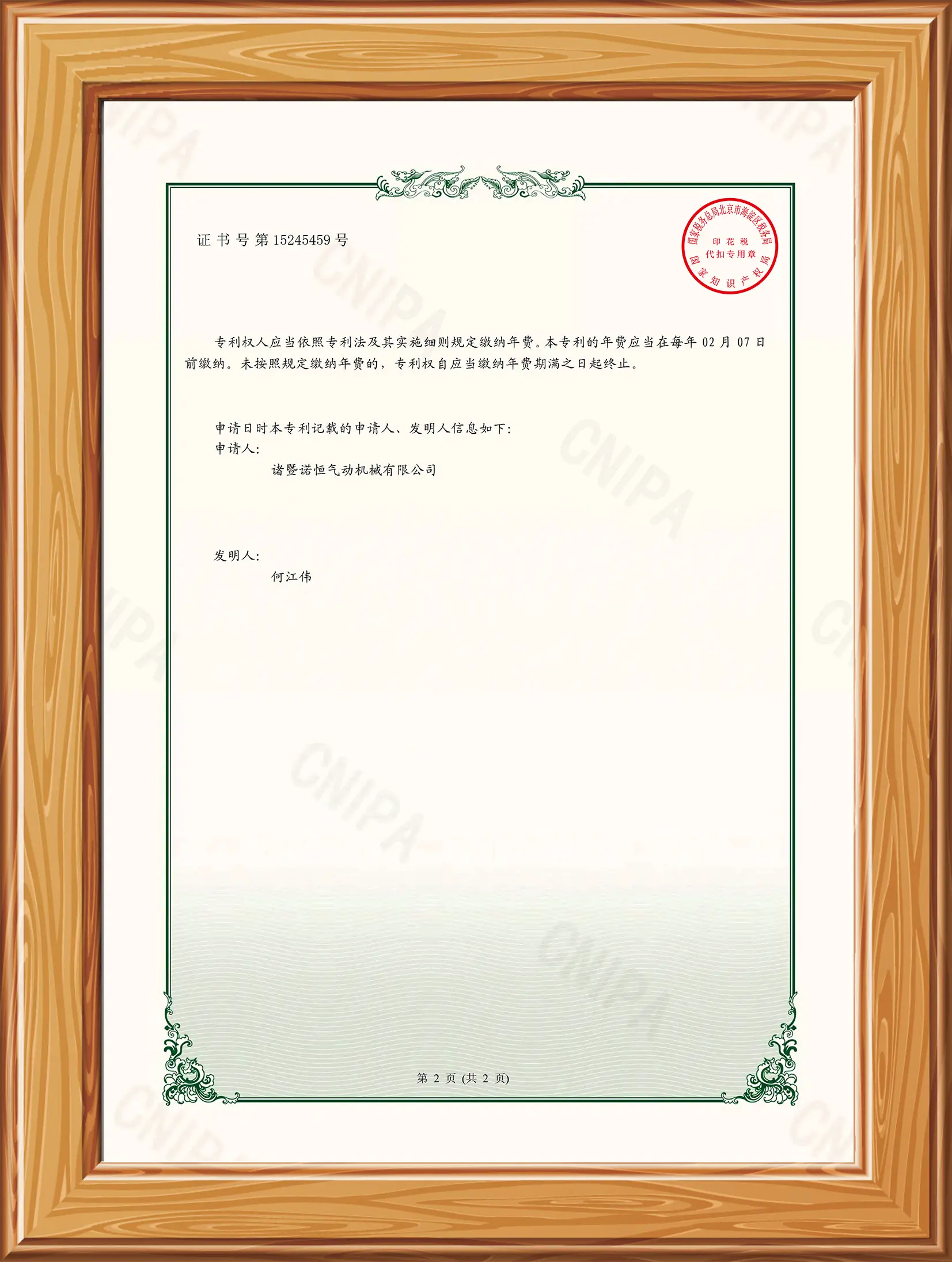
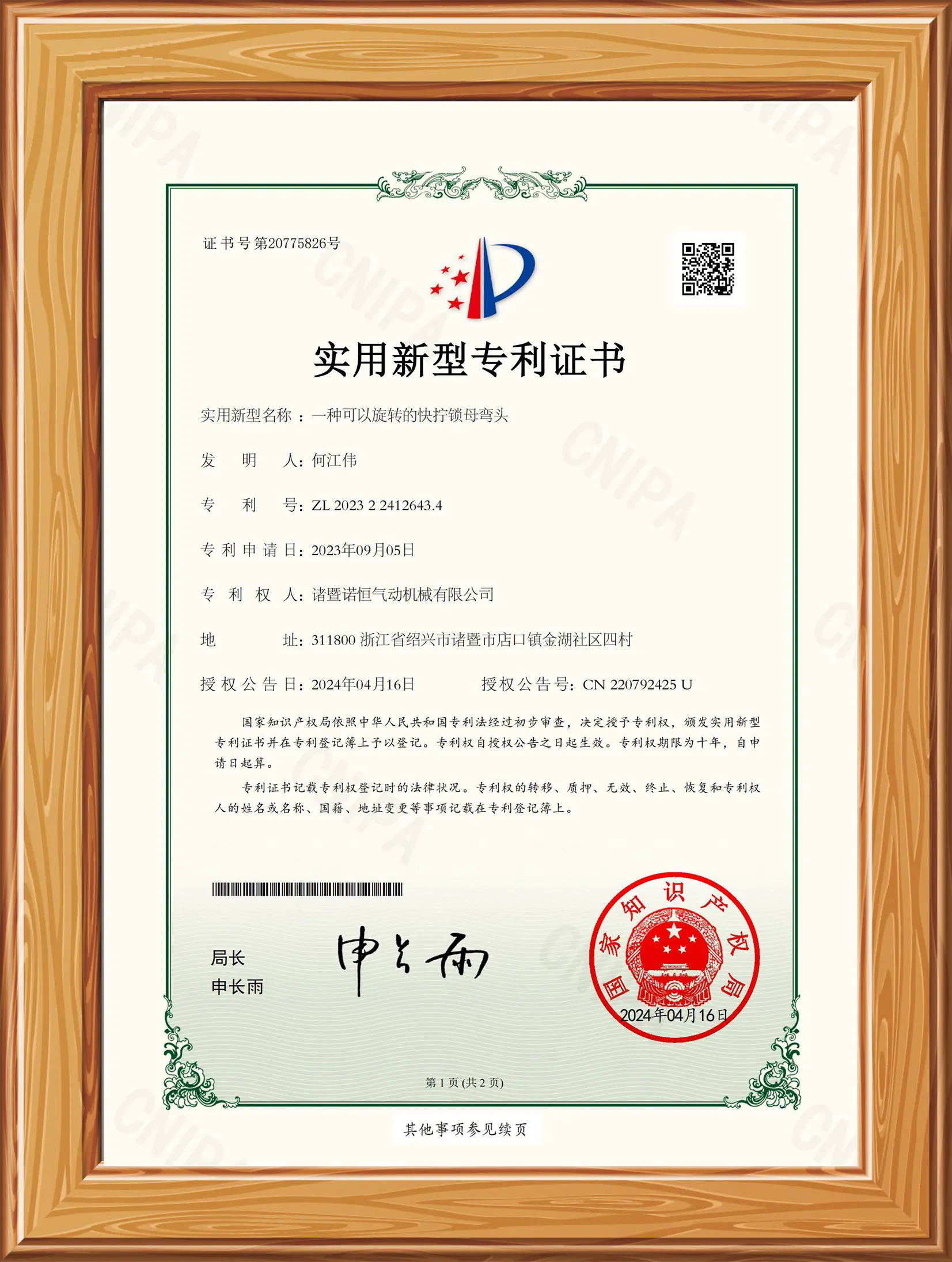
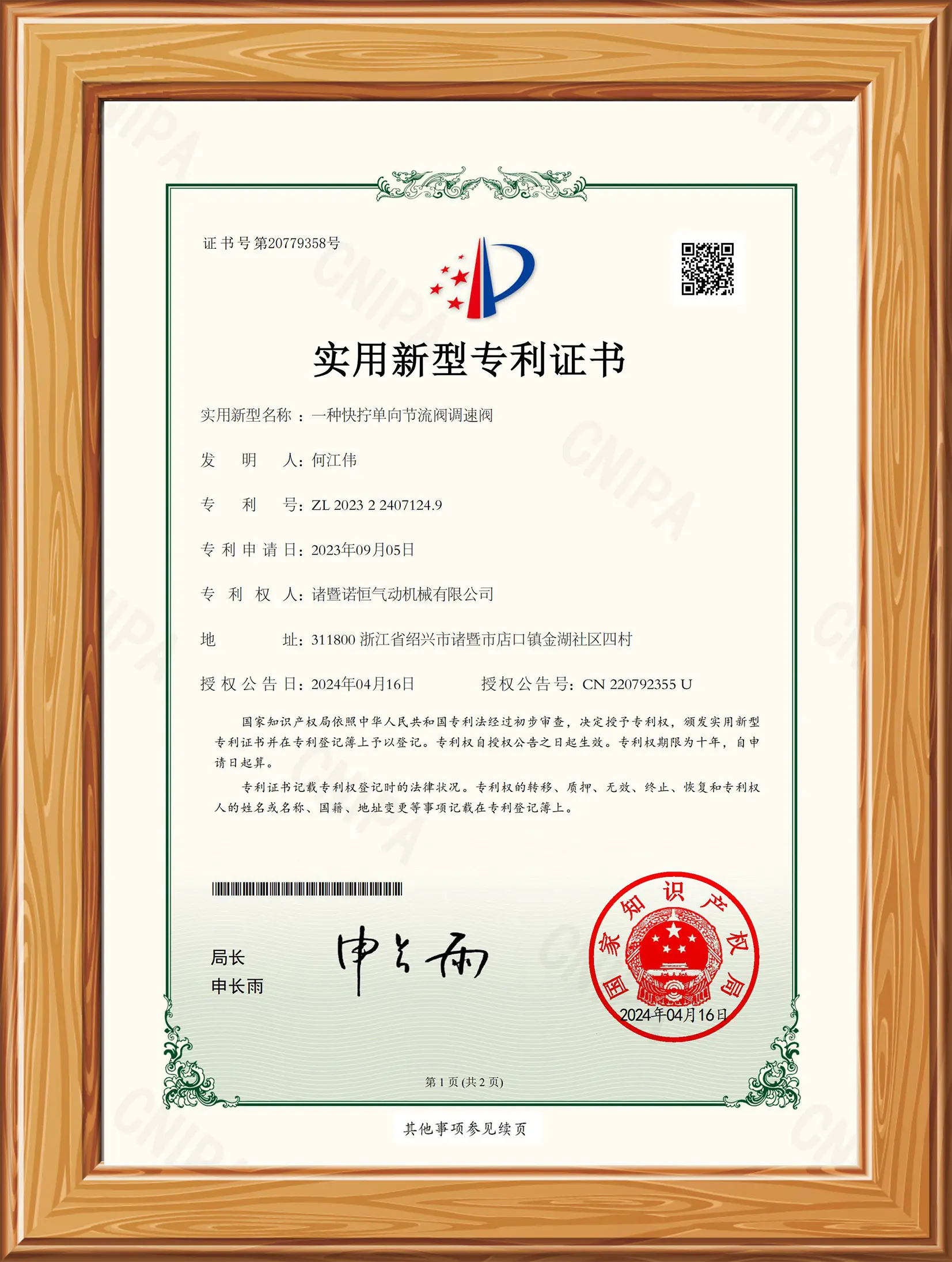
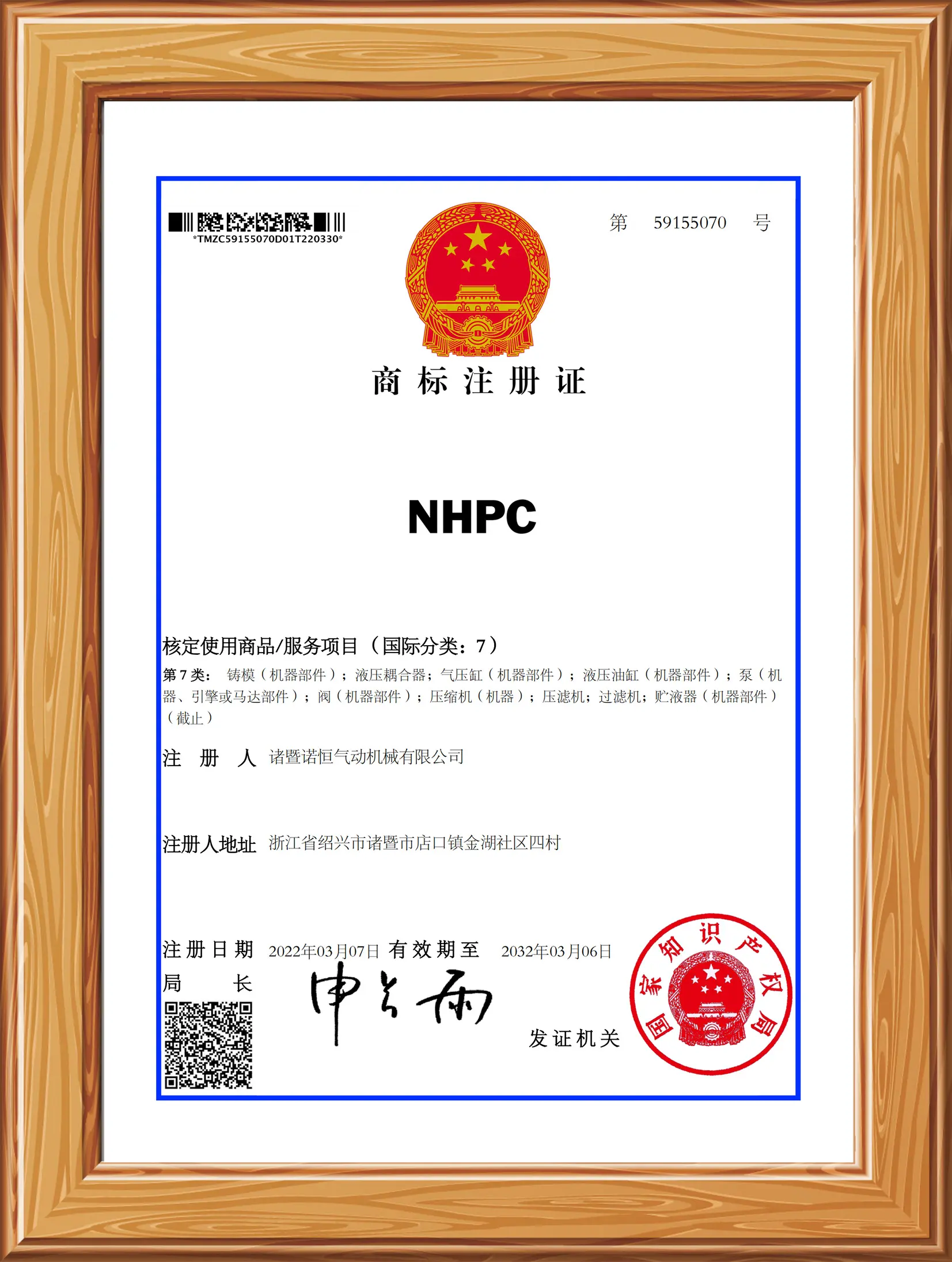
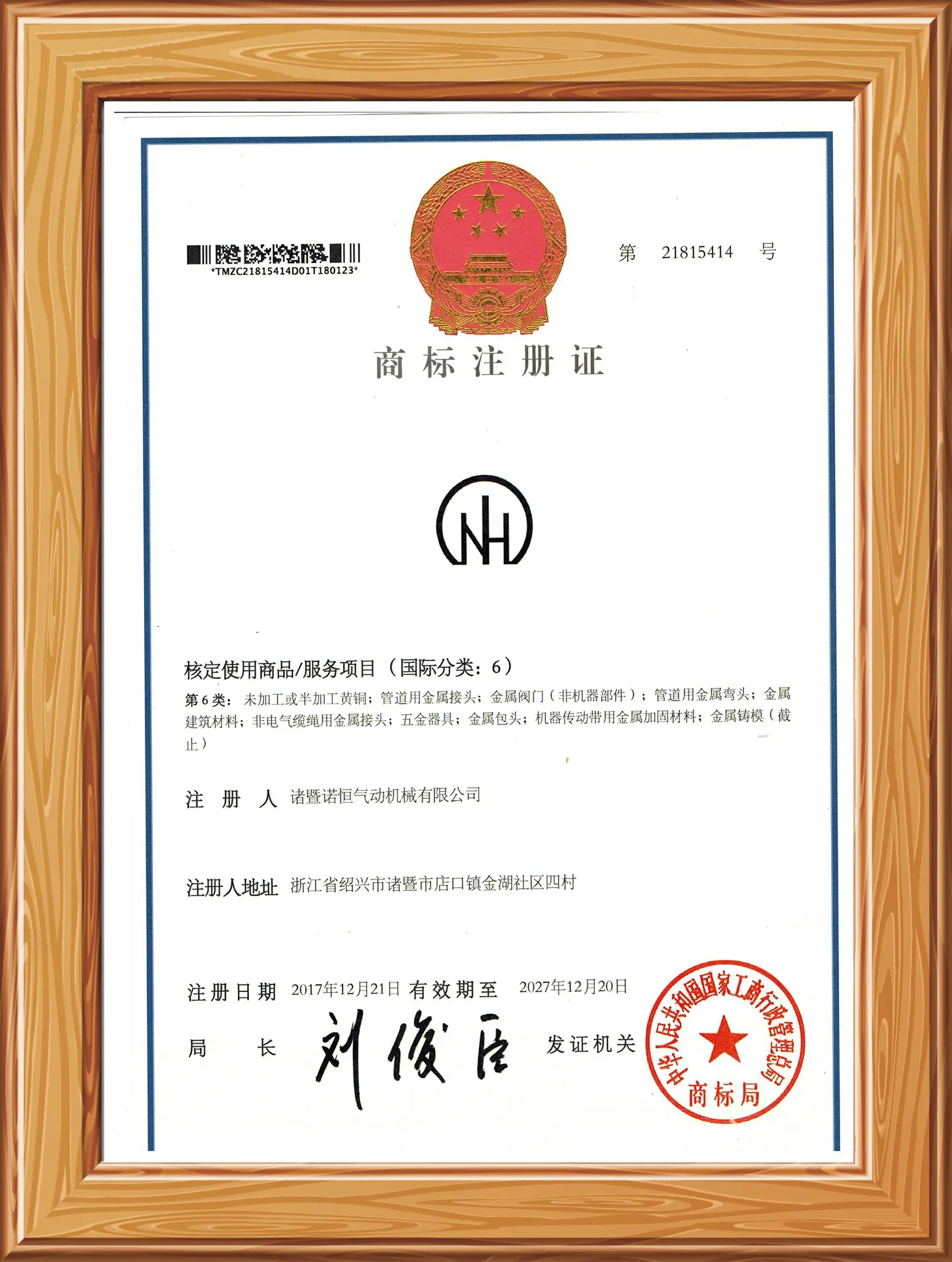
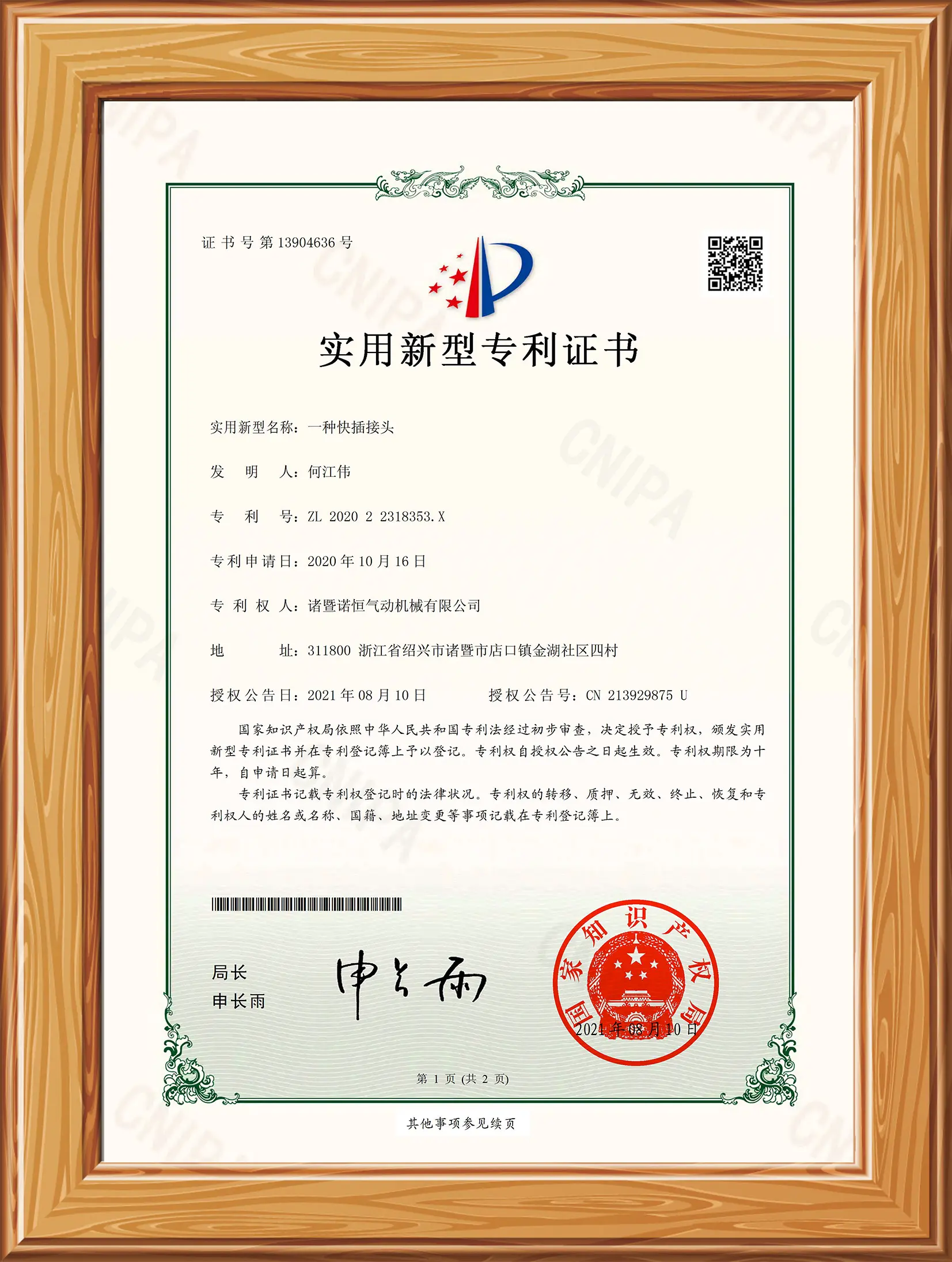
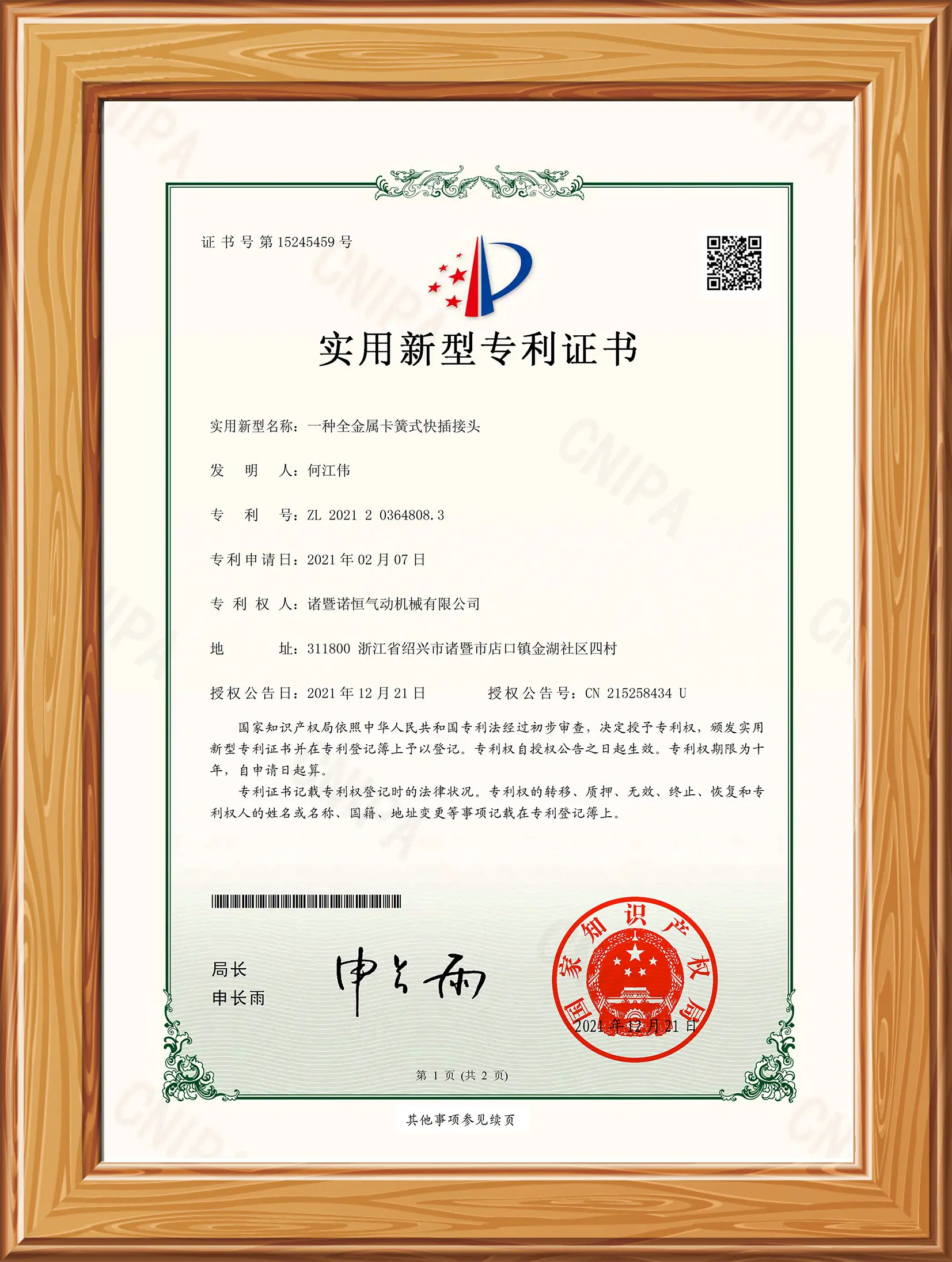
Certified Operations and Global Standards

Our manufacturing system is certified to international quality standards, ensuring compliance across overseas markets.
NHPC System Certification 1
NHPC System Certification 2
NHPC System Certification 3
NHPC System Certification 4
NHPC System Certification 5
NHPC System Certification 6
NHPC System Certification 7
NHPC System Certification 8

Technical FAQ - Deep Answers for Engineers & Buyers

Direct answers to the most common design, installation, and procurement questions regarding push-lock components.

How do Push-Lock and Push-In fittings differ in heavy-duty applications?
Push-In fittings use an internal grabbing claw to hold the outside diameter of the tube. This allows for quick, tool-free insertion and release, making them ideal for nylon and polyurethane lines. Push-Lock fittings typically feature a barbed stem designed to slide inside the hose's inner diameter, requiring an outer sleeve or friction lock. This design is preferred for high-vibration applications or where heavy rubber hoses are used.
Which thread type (G, PT, NPT) should be specified for global systems?
It depends on the destination market:
  • NPT (National Pipe Thread): Standard in North American systems. It uses tapered threads that seal via metal-to-metal contact, often requiring thread sealant.
  • G (BSP Parallel): Widely used in Europe and Asia. These threads seal against an O-ring or flat washer, providing reliable sealing under temperature cycling.
  • R / PT (BSP Tapered): Common in Japanese and Asian machinery. For mixed fleets, specifying rotatable G-threaded adapters provides the highest installation flexibility.
What makes NHPC's energy storage fire protection series (PLF) different?
Standard pneumatic fittings can melt or fail structurally under high temperatures, disabling critical safety lines. The PLF series is built using flame-retardant polymers that comply with UL94-V0 flammability standards. This helps maintain containment integrity during fire mitigation sequences in automated battery enclosures.
How does nickel plating improve brass pneumatic fittings?
Unplated brass reacts with air and moisture, forming a tarnish layer that can interfere with thread tolerances and look unprofessional. Electroplated nickel provides a hard protective barrier that resists acid, salt, and abrasive wear. This increases the service life of threads and internal chambers under demanding conditions.
What is the maximum pressure and temperature rating for these fittings?
Our standard push-in fittings are rated for operating pressures up to 15 bar (220 psi) and vacua of -750 mmHg (10 Torr). The typical operating temperature range is -20°C to +80°C with NBR seals. High-temperature configurations with custom FKM (Viton) seals can withstand up to +150°C.