 Nuoheng
Evolutionary Trends in Air Line Push-Fit Technologies
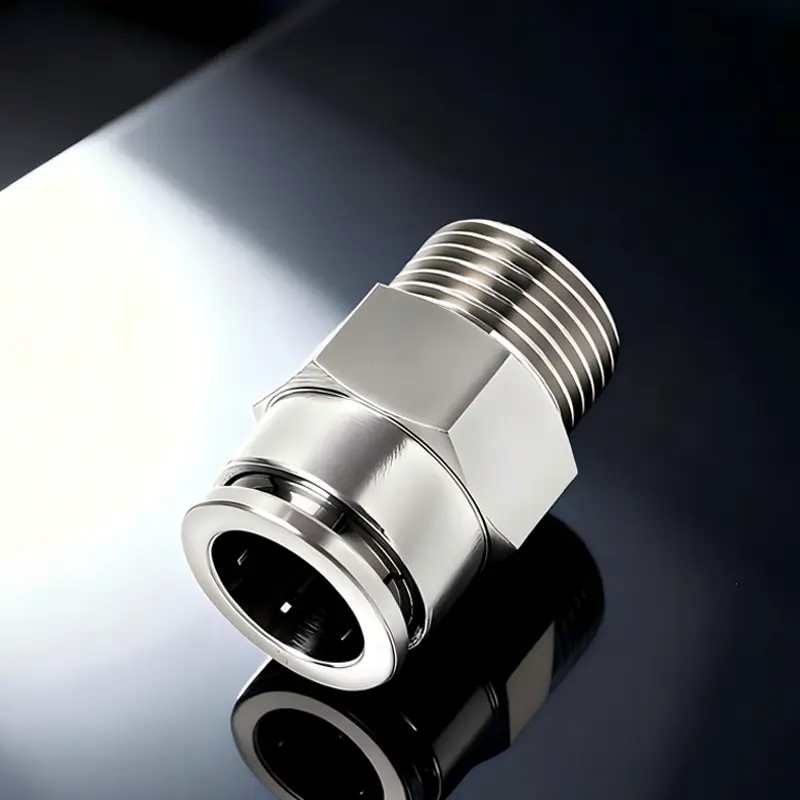
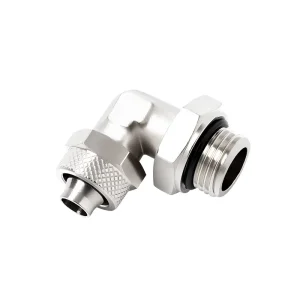
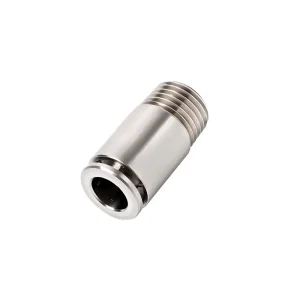
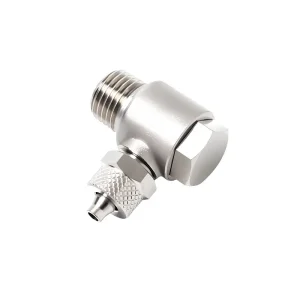
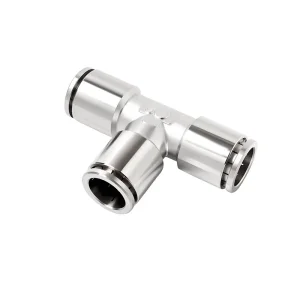
The global fluid power and industrial automation markets are transitioning rapidly toward intelligent, zero-leakage, and fast-installation configurations. High-performance air line push fit connectors represent the vanguard of this engineering shift. Originally conceived for rudimentary laboratory operations, modern push-to-connect systems now handle extreme pressure gradients, temperature dynamics, and hazardous chemical exposures across heavy industrial environments.
Key drivers behind this technical evolution include:
- Advanced Polymer Integration: The shift from heavy cast brass components to specialized engineering plastics such as polybutylene terephthalate (PBT) and polyoxymethylene (POM) has reduced total pipeline system weight by up to 60% while maintaining equivalent tensile strength.
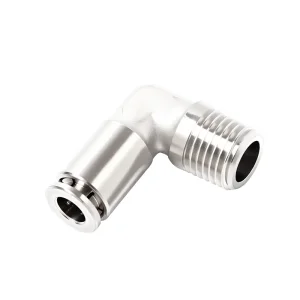
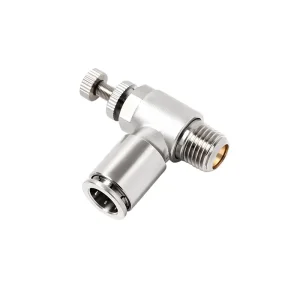
- Optimized Collet Mechanisms: Contemporary push-fit systems employ multi-tooth stainless steel (SUS301/304) grab claws that distribute grip forces evenly across the circumference of the tubing (PU, Nylon, Teflon), drastically reducing the risk of line shearing under high vibrational loads.
- Smart Assembly Protocols: Industry 4.0 demands swift diagnostic and maintenance procedures. Tool-less push-to-connect mechanisms eliminate threading inconsistencies, structural micro-fractures, and the need for sealing compounds (like PTFE tape) which can degrade and contaminate pneumatic systems.
"Structural precision in pneumatic connections is no longer just about avoiding air loss. It is a critical component in ensuring automation system uptime, limiting greenhouse gas emissions via reduced compressor loads, and maintaining sub-millisecond actuation response times."