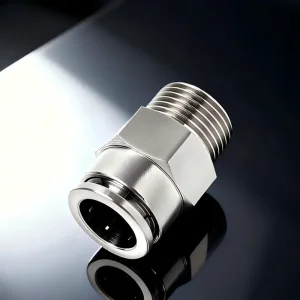
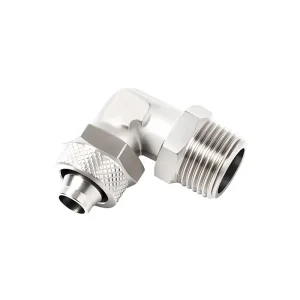
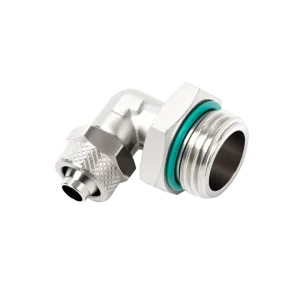
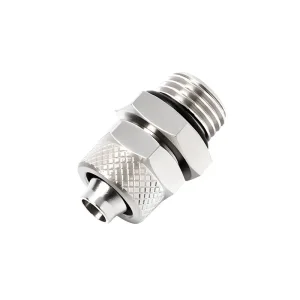
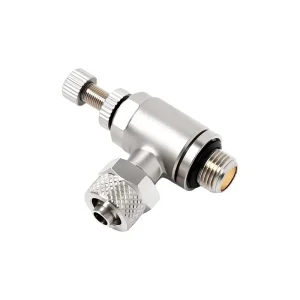
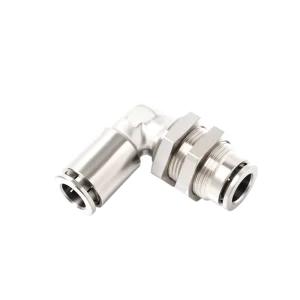
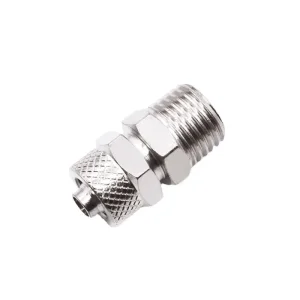
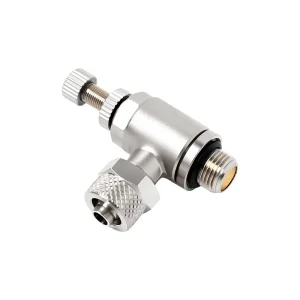
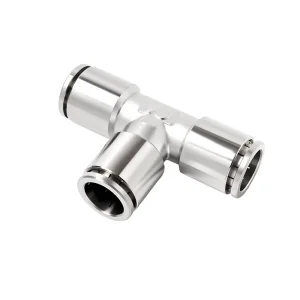
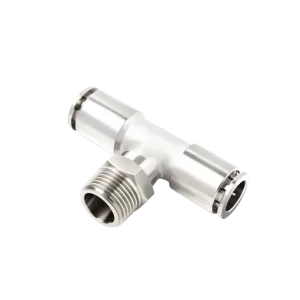
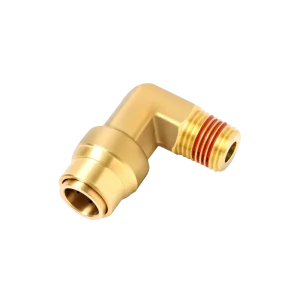
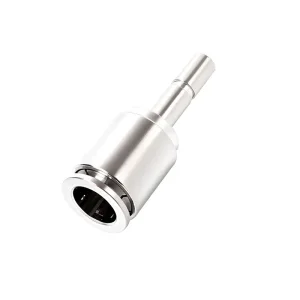
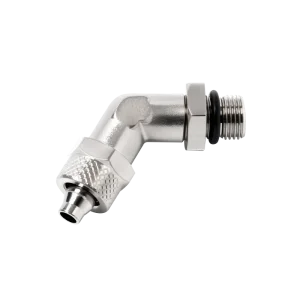
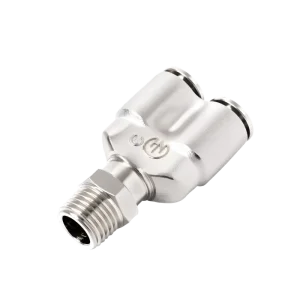
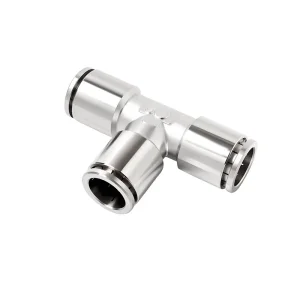
Engineered for high-vibration applications, chemical resistance, and severe temperature fluctuations.
In high-stakes transport and industrial environments, pneumatic connection failure is not merely a maintenance issue—it is a critical safety liability. Wholesale DOT (Department of Transportation) push-in fittings represent a core safety product line engineered to prevent pressurized systems collapse in commercial transit.
Ensuring leak-proof operation in commercial vehicle pneumatic braking systems, cabin suspensions, and auxiliary air lines subject to harsh road spray and dynamic shock loads.
Using specialized flame-retardant and high-durability polymer fittings (such as the PC and PE series) in battery thermal cooling lines to mitigate thermal runaway risks.
Enabling rapid system configuration in pick-and-place automation, assembly line fluidics, and heavy machinery operations that prioritize zero-leak performance metrics.
Welcome to NHPC, a premier globally-oriented manufacturer in the pneumatic industry with a rich history spanning over 15 years (now expanding beyond 20 years of combined technological experience). Our journey began with a singular, powerful vision: to revolutionize the pneumatic and fluid connector industry by delivering high-quality, innovative, and reliable products that satisfy the ever-evolving needs of our global industrial clientele. Today, we stand as a benchmark of engineering precision, serving major OEMs, distributors, and integration specialists worldwide.
We specialize in the design, development, and manufacturing of a comprehensive array of high-grade pneumatic products. Our portfolio includes push-in fittings, push-on fittings, pneumatic control valves, industrial quick connectors, PU pipes, hydraulic components, and bespoke design services for custom pneumatic distribution blocks. Each component is engineered to tight tolerances, ensuring optimal performance, longevity, and superior sealing efficiency. Whether you need standard catalog parts or fully customized OEM prototypes, we possess the raw engineering expertise to deliver.
Equipped with deep structural knowledge of pneumatic system behaviors under variable pressures and friction loads, we analyze system layouts to deliver the most cost-effective and reliable piping architecture suggestions.
Our factories feature advanced CNC precision lathes, injection molding chambers, automated stamping, hot-die casting machinery, and sophisticated surface chemical processing. Quality control begins with material analysis and extends to final leak validation.
We provide dedicated engineers for your product configuration cycles, offering 24/7 technical validation and rapid prototyping. Post-sale performance analysis ensures you maintain field reliability.
Modern push-in components must prevent micro-leaks—which cost industrial operators millions in lost compressed air energy. NHPC's manufacturing standards focus heavily on metallurgical purity and elastomer stability.
Using UNS C36000 free-cutting brass as the baseline. It offers excellent machinability and robust thread strength. To prevent corrosion in maritime air systems, nickel plating or chemical passivation is applied according to strict client guidelines.
O-rings are vital for structural integrity. NHPC utilizes custom NBR (Nitrile) compound configurations for standard lines, and Viton (FKM) or silicone formulations for extreme thermal ranges (-40°C to +120°C).
Features a multi-tooth stainless steel grab ring (SUS 301/316) that locks onto nylon or polyurethane tubing without scoring. The quick-release sleeve design allows for easy tool-free line maintenance.

DOT-approved fittings must comply with FMVSS 106 and SAE J2494 standards. They undergo rigorous testing for vibration resistance, low-temperature flexibility, tensile pull resistance, and chemical exposure (such as road salts). Standard pneumatic fittings typically lack these specific material certs and structural backups, making them unsuitable for vehicle braking systems.
Extreme cold causes elastomer contraction and hardening. Standard NBR can lose its flexibility below -20°C, leading to slow leaks. NHPC uses low-temperature nitrile and fluoropolymer compounds rated for cold climates down to -40°C, maintaining reliable seal contact even during rapid temperature shifts.
No, G-thread (PF/BSP parallel) and NPT (American national pipe taper) threads feature different thread pitches and profiles. Forcing them together can damage the thread walls and cause leak paths. For parallel threads, use a sealing washer or O-ring on flat mating surfaces. Tapered threads require PTFE tape or anaerobic sealant to fill the clearances.
EV systems prioritize flame retardancy (such as UL94-V0 compliance), glycol compatibility (for coolant loops), and mechanical resistance to road vibrations. NHPC's PC and PLF series are specifically designed with flame-resistant polymers and high-durability seals to meet these requirements.
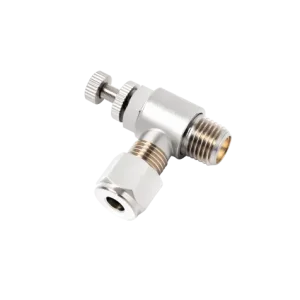
Explore our highly reliable pneumatic flow controls, bulkheads, and reducer fittings.
 Nuoheng