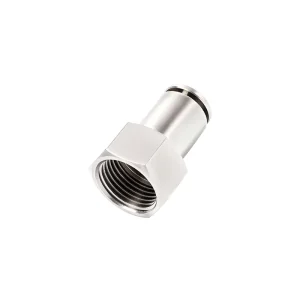
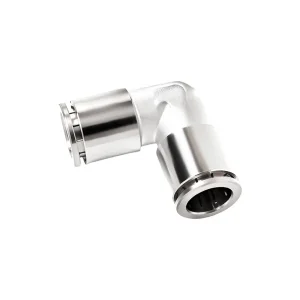
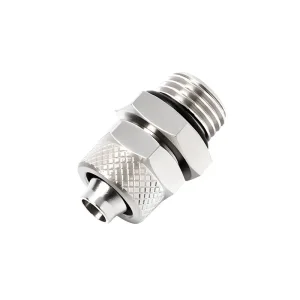
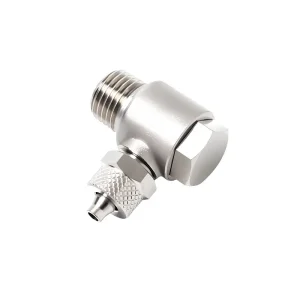
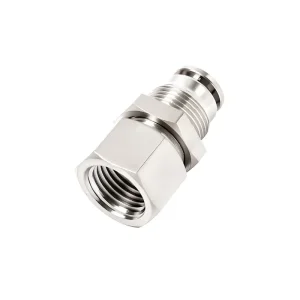
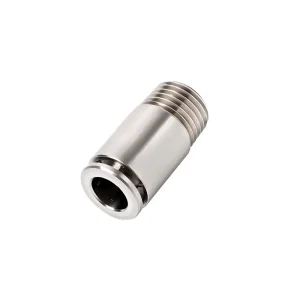
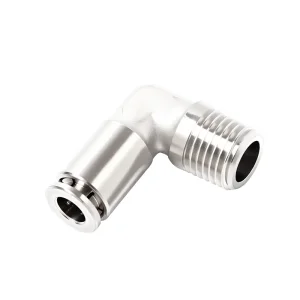
The modern industrial sector is undergoing a profound paradigm shift. As automation, green energy integration, and heavy transport engineering demand higher degrees of operational uptime, the components that facilitate fluid routing and pneumatic transmission are facing unprecedented stress tests. At the epicenter of these architectures is the humble yet highly engineered push lock air fitting. This whitepaper analyzes the market trajectory, technical innovations, and structural dynamics governing wholesale procurement of pneumatic components on a global scale.
Pneumatic networks power over 70% of manufacturing platforms worldwide. The transition toward high-efficiency fluid pathways demands components that minimize flow resistance, eliminate leakage vectors, and support rapid diagnostic cycles. Historically, compression fittings and barb-style connections dominated the landscape. However, the labor overhead associated with threading, specialized tightening, and leak-testing traditional connections has created an industry-wide pivot toward push-to-connect and push-lock technologies.
Globally, industrial processing units are integrating smart pneumatic loops where modularity is paramount. From automotive body shops using robotic welding cells to high-throughput food packaging lines, push lock fittings reduce installation times by up to 80%. When scaled across thousands of connection nodes in a single modern facility, this translates directly to millions of dollars saved in mechanical labor and system maintenance. Moreover, in safety-critical sectors like transportation and energy warehousing, these fittings must conform to stringent global standards, such as DOT FMVSS 106 for heavy truck brake loops and UL94 V-0 flame-retardancy limits for electrical cabinet fire safety protocols.
The industry is migrating away from standard, brittle plastics toward glass-fiber reinforced PBT (Polybutylene Terephthalate), high-grade PVDF, and chemically inert polymers. These materials offer superior resistance to hydrolytic degradation and stress cracking in aggressive environments.
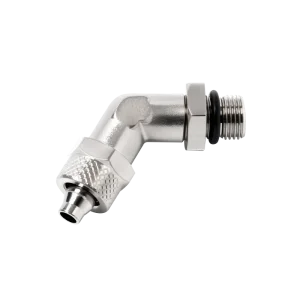
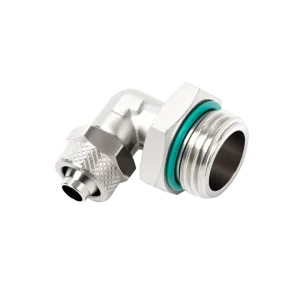
Modern routing layouts require dynamic, space-optimized geometries. 360-degree rotatable G-thread configurations (such as the PLG elbow series) protect the internal sealing rings from torque fatigue when lines undergo high bending cycles.
Unintentional disconnects lead to severe pressure drops and potential personnel hazards. Suppliers are designing dual-stage locking collars and flame-resistant outer shields (like the PE and PC fire protection lines) to insulate loops against industrial thermal shocks.
Beyond material characteristics, the evolution of internal sealing technology represents a major research vector. The combination of pre-coated thread sealants and NBR/FKM O-rings guarantees airtight performance even under extreme vibrational loads, ensuring long-term reliability in high-vibration heavy machinery.
Procurement departments in Fortune 500 automation, battery assembly, and aerospace enterprises do not merely buy parts; they establish strategic engineering partnerships. Today's global procurement standards focus heavily on Supply Chain Visibility, Technical Customization Capability, and Regulatory Certification Compliance.
Large-scale system integrators require suppliers that can provide CAD files on-demand, run structural pressure simulations, and manufacture modified configurations (such as custom-angled elbows, multi-port manifolds, and specific thread pitches like G, NPT, or BSPP). Reliability under E-E-A-T guidelines dictates that a supplier must show proof of raw material verification, batch-level quality audits, and clear tracing mechanisms. Consequently, companies with multi-accredited manufacturing systems command a massive premium in international bids.
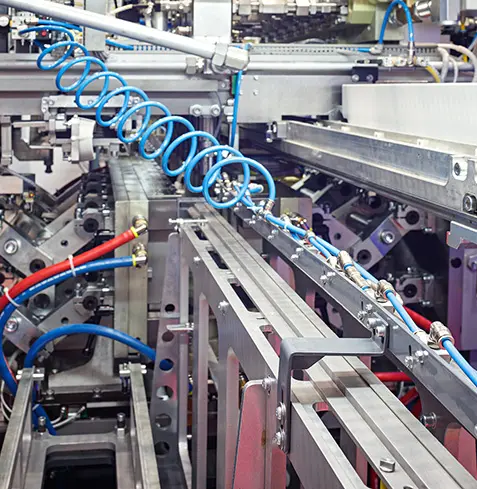
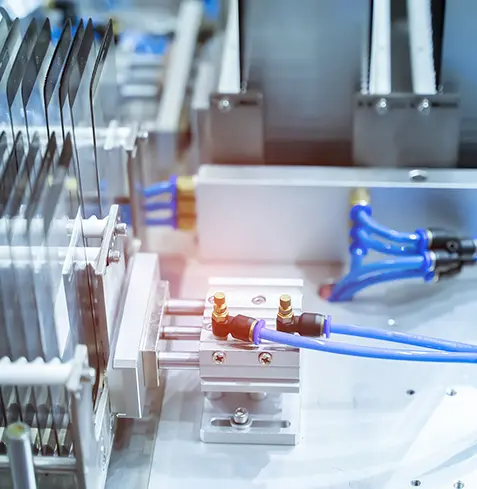
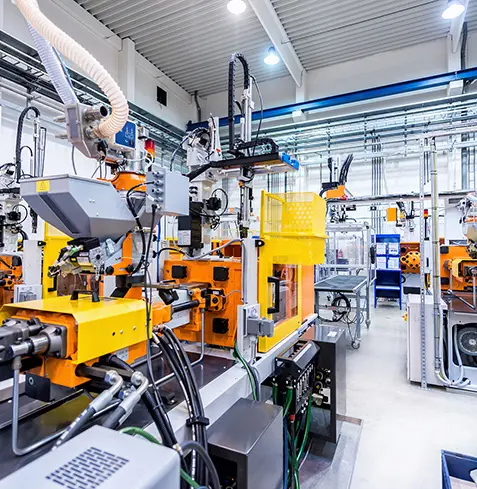
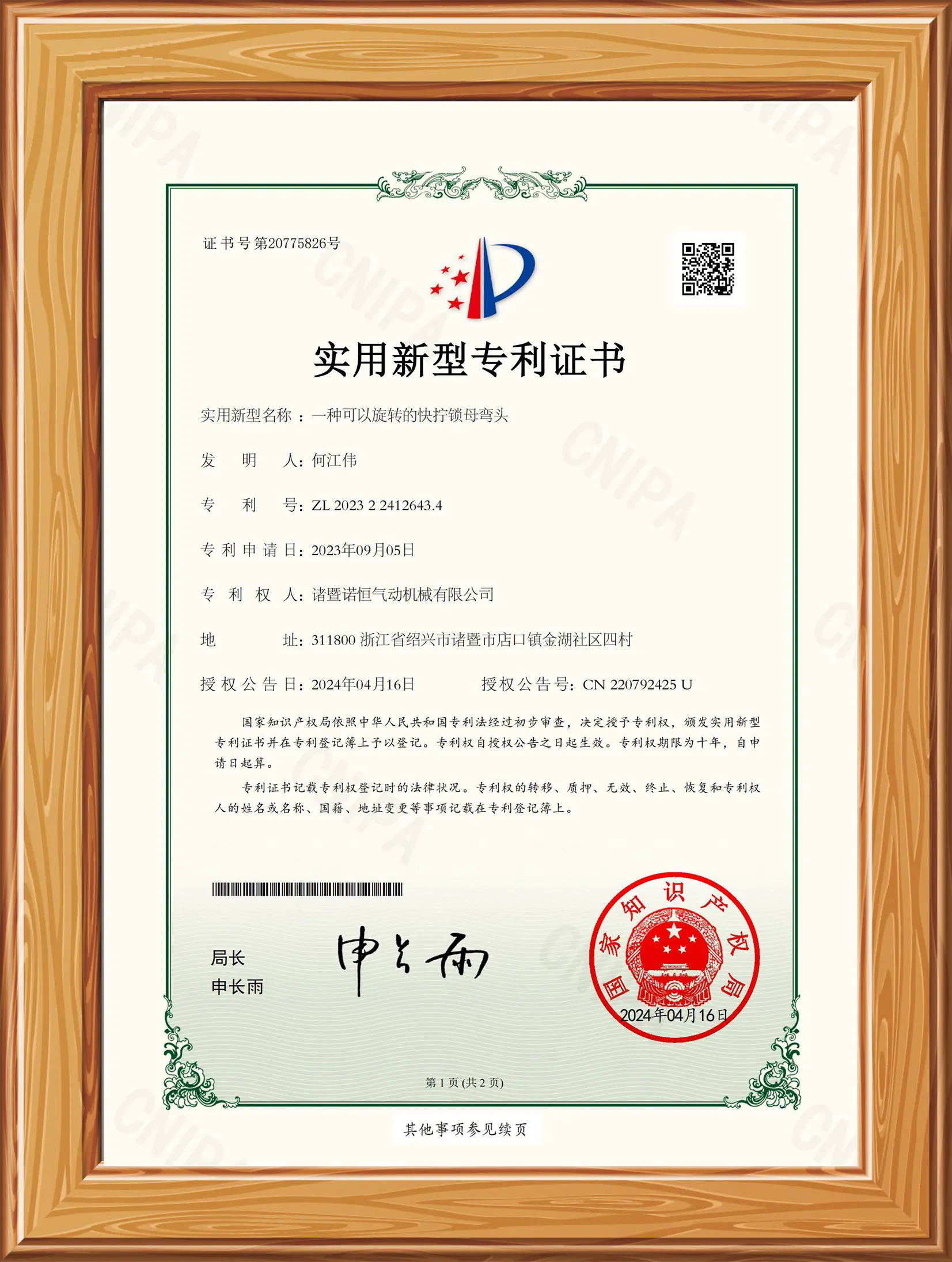
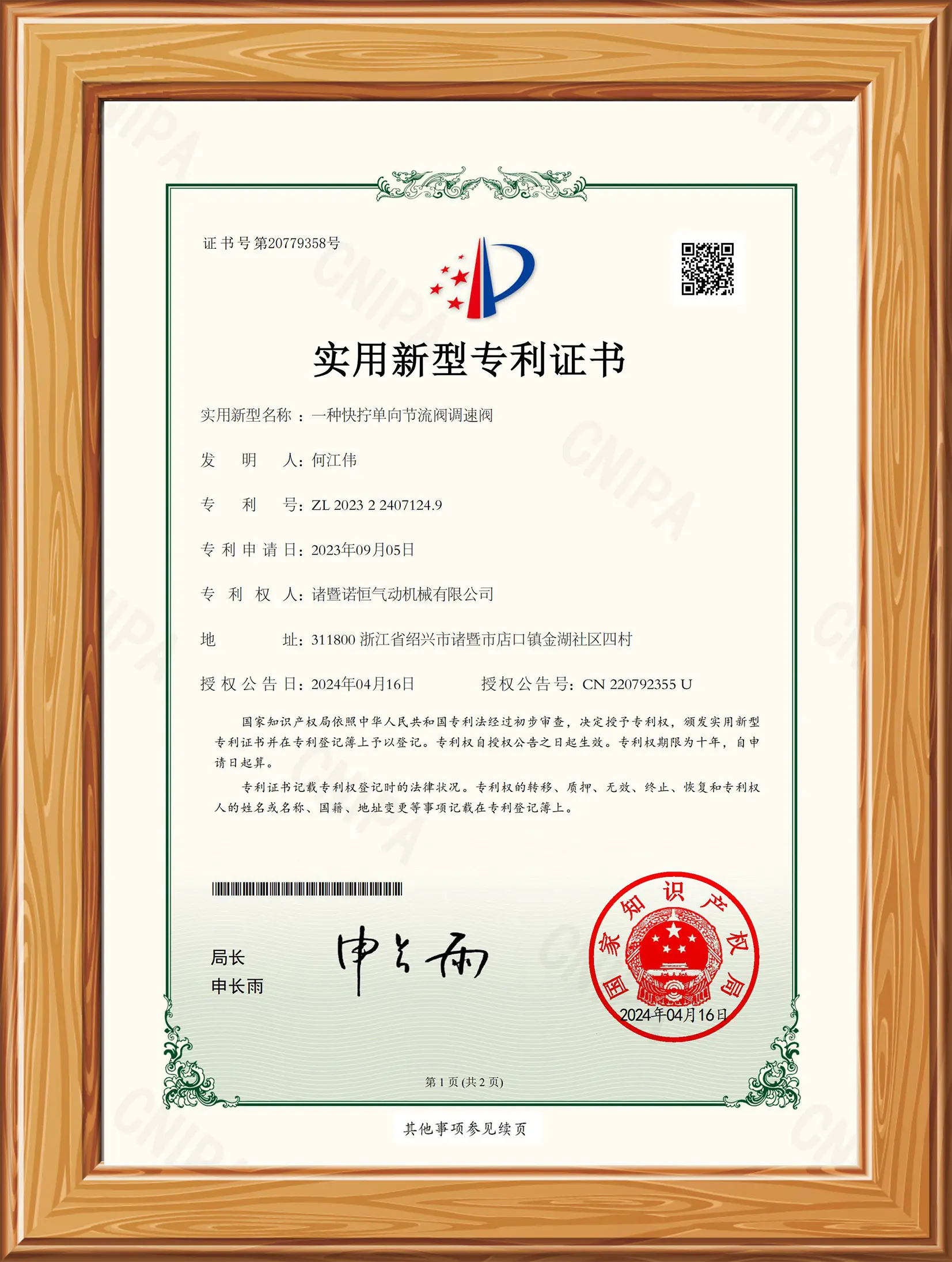
The modernization of manufacturing in China has moved past simple scale. Factories like Nuoheng Pneumatic Machinery Co., Ltd. (NHPC) have deployed advanced automated workflows, utilizing multi-axis CNC machining stations, automatic injection molding modules, and real-time visual inspection technologies. This unified system ensures zero-defect output for complex brass and composite air fittings.
By integrating the raw material processing phase directly with automated assembly lines, China Factory 4.0 operations maintain pricing efficiency while absorbing supply chain shocks. Our capabilities allow us to manage everything from custom prototype development to global logistics delivery, creating a robust shield against global inflation and freight fluctuations.
Our production facility utilizes automated precision testing loops to pressure-test every single batch up to 15 Bar. Through strict quality standards, we ensure that our push-to-connect assemblies operate seamlessly in extreme environments, ranging from -20°C to +80°C.
Implementing PC and PE flame-retardant (UL94 V-0 rated) piping setups in fire suppression circuits for clean-energy battery cabinets. Designed to prevent system failures under high-temperature threats.
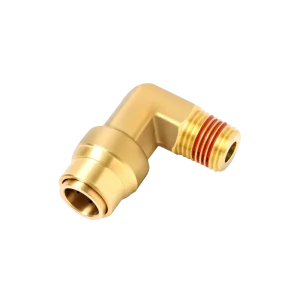
Deploying DOT-compliant, non-swivel 90° brass elbow push-lock connections within air brake assemblies of Class 8 heavy-duty commercial vehicles, safeguarding systems from fatigue caused by constant vibration.
Integrating 360-degree rotatable G-thread elbow fittings to handle multi-axis robotic movements without suffering kinks or pressure drops in automotive assembly lines.
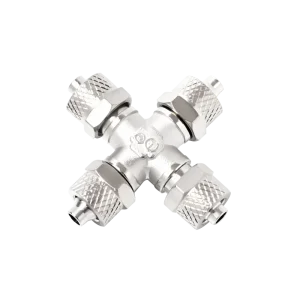
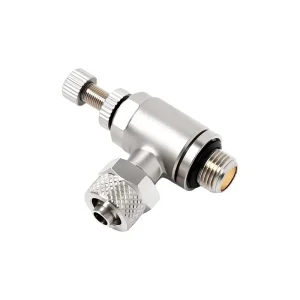
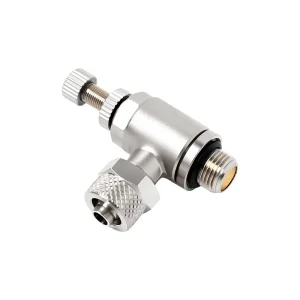
Utilizing corrosion-resistant nickel-plated brass and chemical-grade PBT fittings (such as the PZA cross and SLG flow throttles) to maintain process hygiene and control airflow.
Armed with deep knowledge of pneumatic loops and fluid mechanics, we analyze your design blueprints to provide high-performance, cost-effective routing recommendations.
Our workshop houses high-precision CNC lathes, multi-cavity injection molding machines, die-casting stations, and automated surface treatment loops. This ensures batch-to-batch consistency.
We provide comprehensive customer support, from initial CAD modeling and physical prototype runs to technical troubleshooting and volume inventory planning.
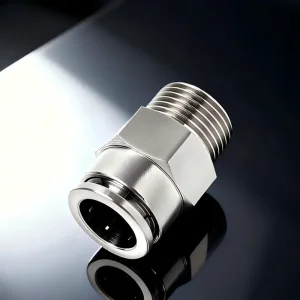
Push-in (Push-to-connect) fittings: Feature an internal collet (grab ring) and O-ring. The tubing is secured simply by pushing it into the fitting. It is ideal for polyurethane (PU), polyamide (Nylon), and PTFE lines.
Push-on fittings: Require pushing the tubing over a barbed stem and securing it with an outer compression nut. These offer excellent mechanical retention under higher temperatures.
Push-lock (Barb-lock) fittings: Feature specialized barbed stems designed specifically for push-lock self-grip hoses. The hose expands over the barb and self-seals through friction without requiring external clamps.
DOT FMVSS 106 compliance ensures the fittings can withstand severe operating pressures, extreme mechanical vibrations, and significant temperature shifts without failing. Non-compliant fittings in braking systems can cause catastrophic pressure loss.
NHPC's brass DOT series undergo exhaustive testing, including tensile pull-off resistance checks, burst pressure tests, and hot/cold thermal cycling to ensure safety under highway conditions.
For BESS deployments, specify fittings rated for UL94 V-0 self-extinguishing flame-retardancy (such as NHPC's PE and PC series). These fittings use specialized engineering plastics designed to prevent fire propagation along the tubing network during a thermal runaway event.
G-thread (Parallel thread): Seals using a flat O-ring compression washer. This offers repeatable sealing performance without risking thread damage during maintenance cycles.
R-thread/NPT (Tapered thread): Relies on the mating threads to deform slightly to seal. They require thread sealant or PTFE tape, which can introduce contamination into clean pneumatic lines if misapplied.

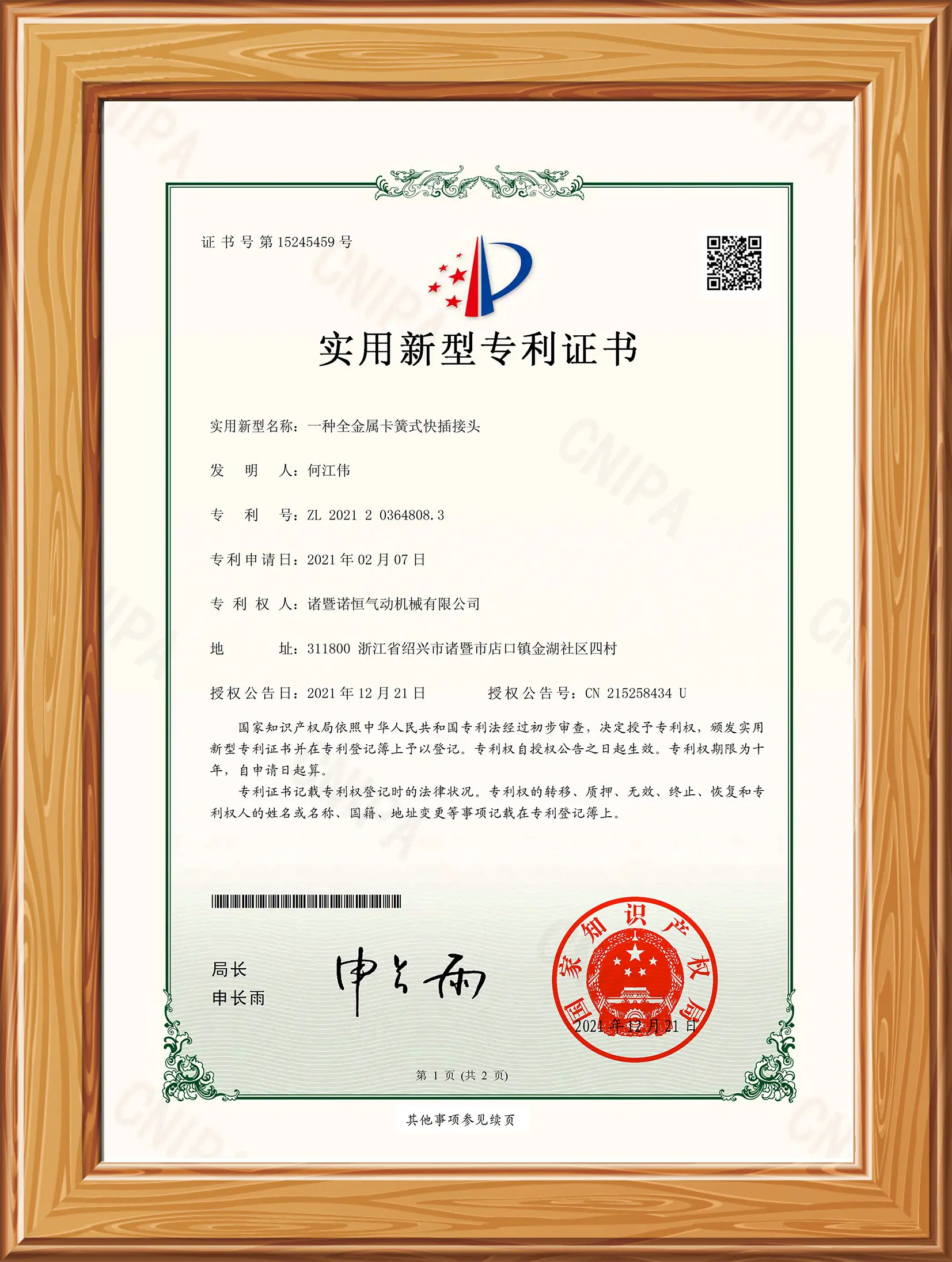

 Nuoheng