 Nuoheng

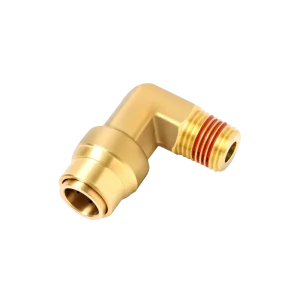
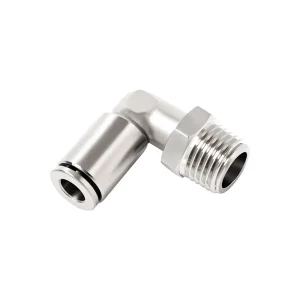
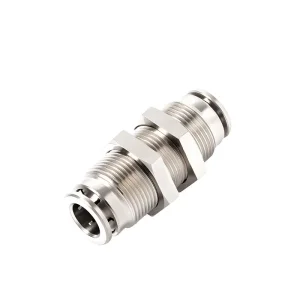
The Greater Toronto Area (GTA) and the broader Southern Ontario corridor stand as the economic heartbeat of Canada’s transportation, logistics, and heavy manufacturing sectors. Centered around massive highway networks like the 401—the busiest truck corridor in North America—Toronto functions as a high-velocity transit hub where reliability is not merely an operational objective, but a strict legal and safety requirement. For commercial vehicle fleets, municipal transit systems (such as the TTC and GO Transit), and heavy-duty industrial operators, pneumatic integrity is paramount.
Operating in the Canadian environment introduces unique atmospheric and mechanical stresses. Heavy vehicles encounter rapid temperature swings, from scorching summer highs to sub-zero winter temperatures reaching -40°C. Roads treated with highly corrosive de-icing salts accelerate galvanic corrosion in low-grade metallic hardware. Under these demanding conditions, basic commercial fittings fail prematurely, resulting in costly pneumatic pressure drops, brake system locks, and unscheduled fleet downtime. This is why Toronto fleet managers, regional distributors, and OEM assemblers require specialized DOT-certified brass push-to-connect and air brake compression fittings that strictly conform to FMVSS 106 (Federal Motor Vehicle Safety Standards) and CMVSS (Canada Motor Vehicle Safety Standards).
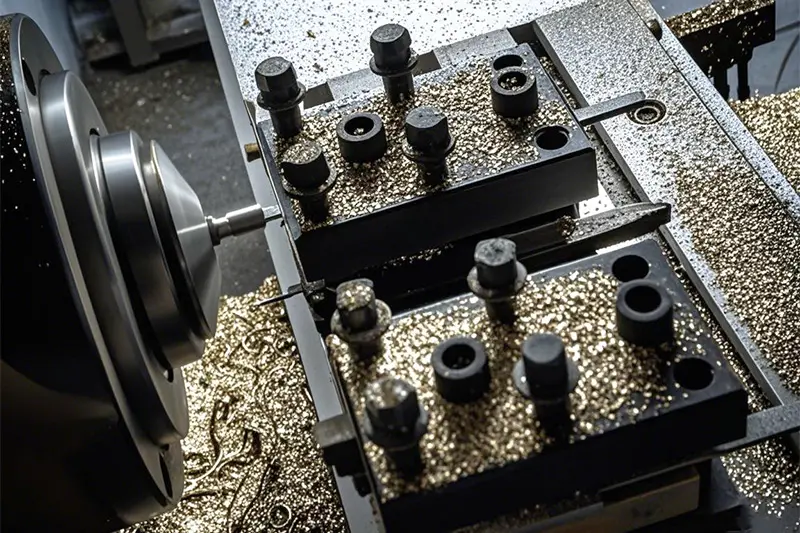
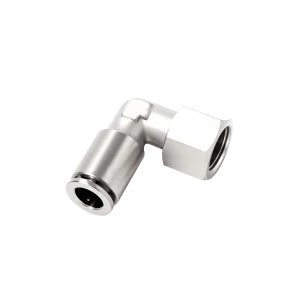
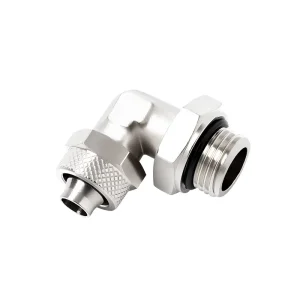
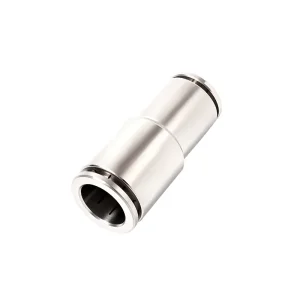
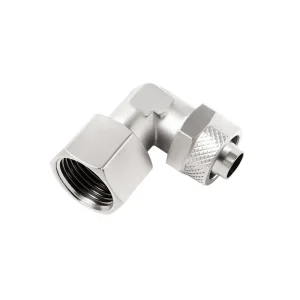
By sourcing robust brass air brake line fittings directly from a manufacturing leader like NHPC, local businesses mitigate systemic logistics risks. The incorporation of CA360 brass alloy and durable EPDM/Fluorocarbon double O-ring seal mechanisms ensures that vehicle lines retain vital airtight seal integrity under intense vibration, continuous mechanical impact, and extreme temperature fluctuations. This level of reliability is critical to avoiding heavy fines, road safety infractions, and operational delays.