Explore our select high-performance push-in and push-on components engineered for perfect sealing, mechanical longevity, and pressure containment.
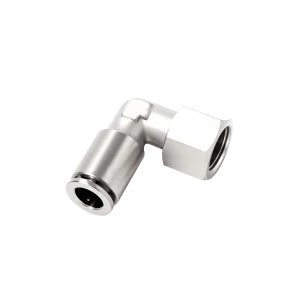
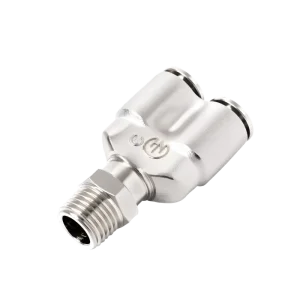
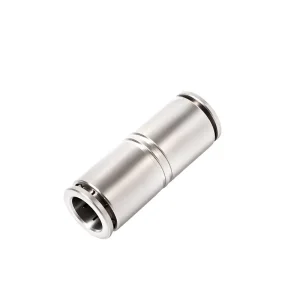
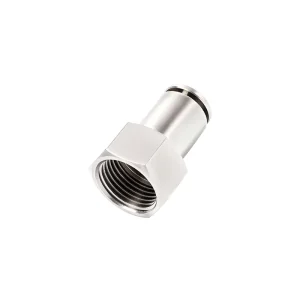
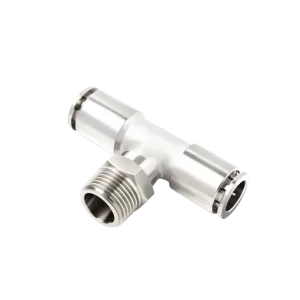
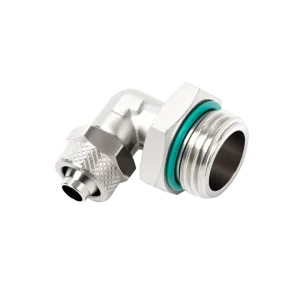
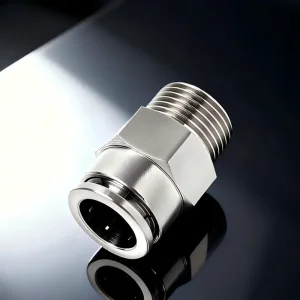
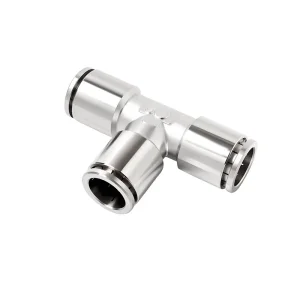
Within modern industrial frameworks, fluid automation systems represent the primary circulatory apparatus of production. Among the core elements determining structural reliability, NPT (National Pipe Taper) thread fittings act as the structural anchors for fluid and pneumatic containment. Achieving absolute compliance with high-pressure profiles requires careful engineering, reliable raw materials, and precise execution. Historically, manufacturing challenges such as thread deformation, surface scoring, and material fatigue have compromised system integrity. As a result, industry standards demand suppliers capable of delivering advanced mechanical performance paired with robust regulatory compliance.
NPT thread profiles rely on a 1-in-16 taper limit on the diameter relative to the distance along the thread line. The 60-degree angle between threads ensures that as the male fitting is threaded into the female receiver, the crests and roots of the threads compress against each other. This metal-to-metal interference fit creates a spiral leakage path, which requires high-integrity anaerobic compound sealants or PTFE dry-seal components to achieve an absolute pressure-tight seal.
For international tier-1 engineering and procurement groups, purchasing standard components from offshore factories introduces regulatory and functional challenges. The American National Standard Pipe Thread (specifically ANSI/ASME B1.20.1) outlines strict requirements for thread gauges, dimensional pitch tolerances, and mechanical taper ratios. Any deviation, even by micrometers, can lead to localized stress concentrations, thread galling, or catastrophically rapid decompression in high-pressure pneumatic networks.
To resolve this, local engineering validation processes are crucial. A leading China-based global supplier must deploy certified inspection systems that replicate local market configurations. This includes using master working ring and plug gauges to test every batch under extreme environmental conditions. Beyond ASME standards, international compliance mandates such as RoHS (Restriction of Hazardous Substances) and REACH are strictly enforced. In high-purity industrial automation, food production, and pharmaceutical manufacturing, lead content in brass fittings must be strictly controlled, necessitating the use of eco-friendly low-lead alloy compositions. These components undergo chemical analysis using optical emission spectrometers to guarantee zero material non-compliance prior to export.
The manufacturing cluster of pneumatic and hydraulic components in Zhejiang province, specifically the industrial corridor of Zhuji and Ningbo, represents one of the most vertically integrated supply systems globally. As demonstrated by Nuoheng Pneumatic Machinery Co., Ltd. (NHPC), the synergy of localized supply chains provides significant cost efficiencies and engineering agility.
This localized advantage is structured across several key phases:
| Material Class | Thread Standard | Nominal Pressure Rating | Regulatory Certificates | Recommended Applications |
|---|---|---|---|---|
| Lead-Free Brass (HPb59-1 / H62) | ANSI/ASME B1.20.1, NPT | Up to 150 PSI (10 Bar) | RoHS, REACH Compliant | Pneumatic Logic, Air Brake Lines |
| 316L Stainless Steel | ISO 7-1, NPT & G-Thread | Up to 3000 PSI (206 Bar) | CE, Material Traceability Certs | Chemical Processing, Corrosive Gas |
| Flame-Retardant PBT (V0) | Metric / Parallel NPT | Up to 145 PSI (10 Bar) | UL94-V0 Fire Safety Standard | Battery Energy Storage System (BESS) |
In global procurement, decision-makers look beyond base unit costs to assess the total cost of ownership (TCO). Procurement teams in the United States, Germany, and Japan require suppliers to offer engineering agility, custom OEM/ODM capabilities, and long-term volume stability. As automation equipment becomes more compact and complex, there is a growing demand for miniaturized and rotatable fittings.
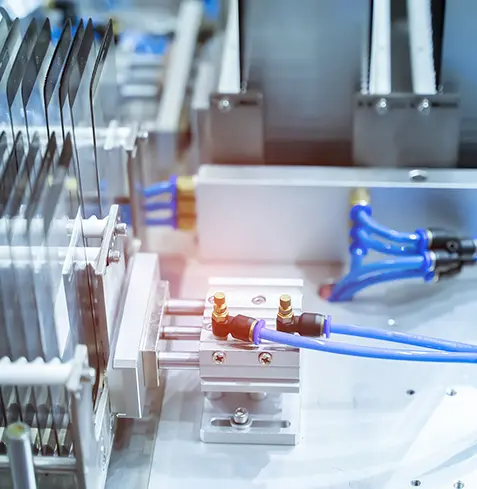
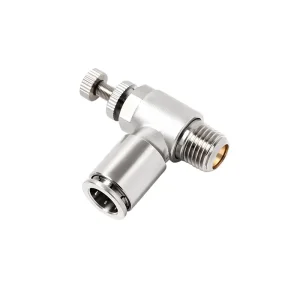
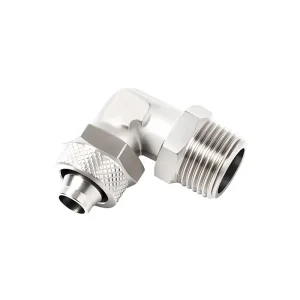
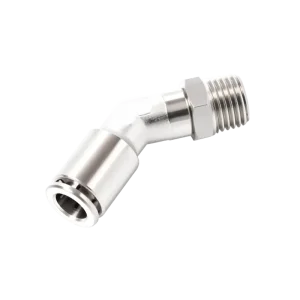
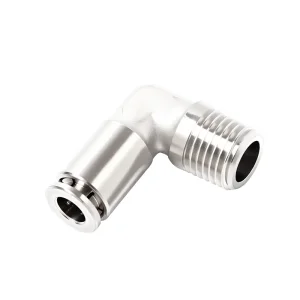
Modern push-in fittings must allow 360-degree rotation under load without compromising internal seal structures. Standard fixed elbow fittings are increasingly replaced by rotatable swivel models (like the PLF and PLG series), which simplify hose routing and reduce structural bending fatigue on polyurethane (PU) and nylon hoses. Additionally, as industrial processes move toward intelligent diagnostics, there is a push to integrate sensor configurations directly into manifold and fitting arrays, allowing real-time monitoring of fluid parameters.
Pneumatic and NPT fittings are used in diverse applications, each presenting unique engineering challenges:
For Battery Energy Storage Systems (BESS), flame-retardant pipe fittings (such as the NHPC PC, PE, and PLF series) are required to meet UL94-V0 fire safety standards. These self-extinguishing fittings prevent thermal runaway propagation, protecting electrical infrastructure from catastrophic damage.
Heavy duty trucks and railway transit networks utilize Brass DOT Air Brake Line Fittings. These fittings must comply with Department of Transportation (DOT) specifications and FMVSS 106 regulations. They are engineered to endure high vibrational stress, thermal cycling, and exposure to road salt without losing sealing capacity.
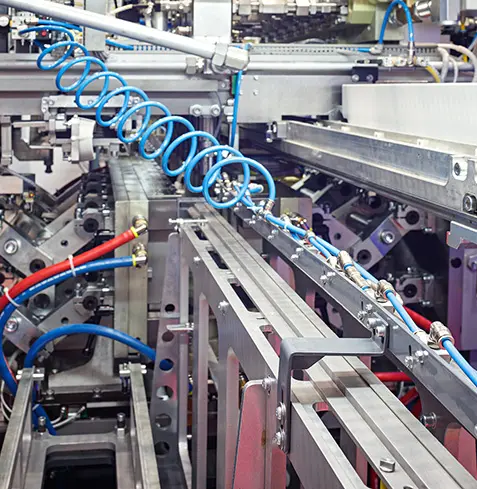
On articulating robotic arms and multi-axis pick-and-place systems, pneumatic lines undergo continuous flexing. Standard fittings can cause hose kink or pull-out. Our rotatable 360° thread push-in fittings reduce mechanical wear and prevent unplanned downtime.
With over 15 years of manufacturing excellence, Nuoheng Pneumatic Machinery Co., Ltd. (NHPC) is a trusted provider of high-reliability pneumatic fittings. We handle all design, machining, quality control, assembly, and custom development in-house. Our global reach is supported by advanced design services, enabling us to adapt standard configurations into custom-engineered fluid solutions for our international clients.
NHPC provides end-to-end service, from material selection and automated CNC machining to final pressure testing and logistics support.

Our experienced engineering team evaluates your operational parameters to recommend the most cost-effective and reliable fitting configurations.
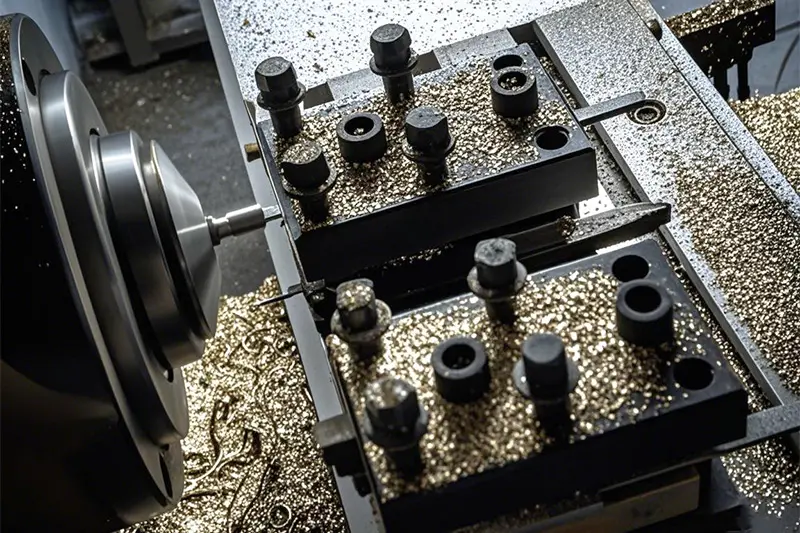
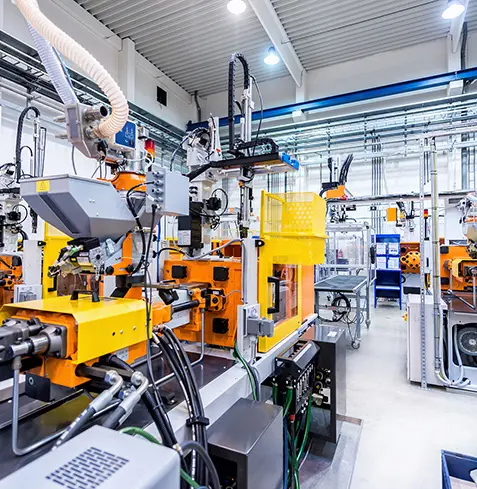
We utilize high-speed multi-axis CNC machines, automated stamping, die-casting, and injection molding to ensure consistent dimensions across large production runs.

From pre-sales specifications to post-delivery inspections, our global customer support team provides timely assistance to keep your systems running smoothly.
Take a virtual tour of our automated production floor and QC testing laboratory.
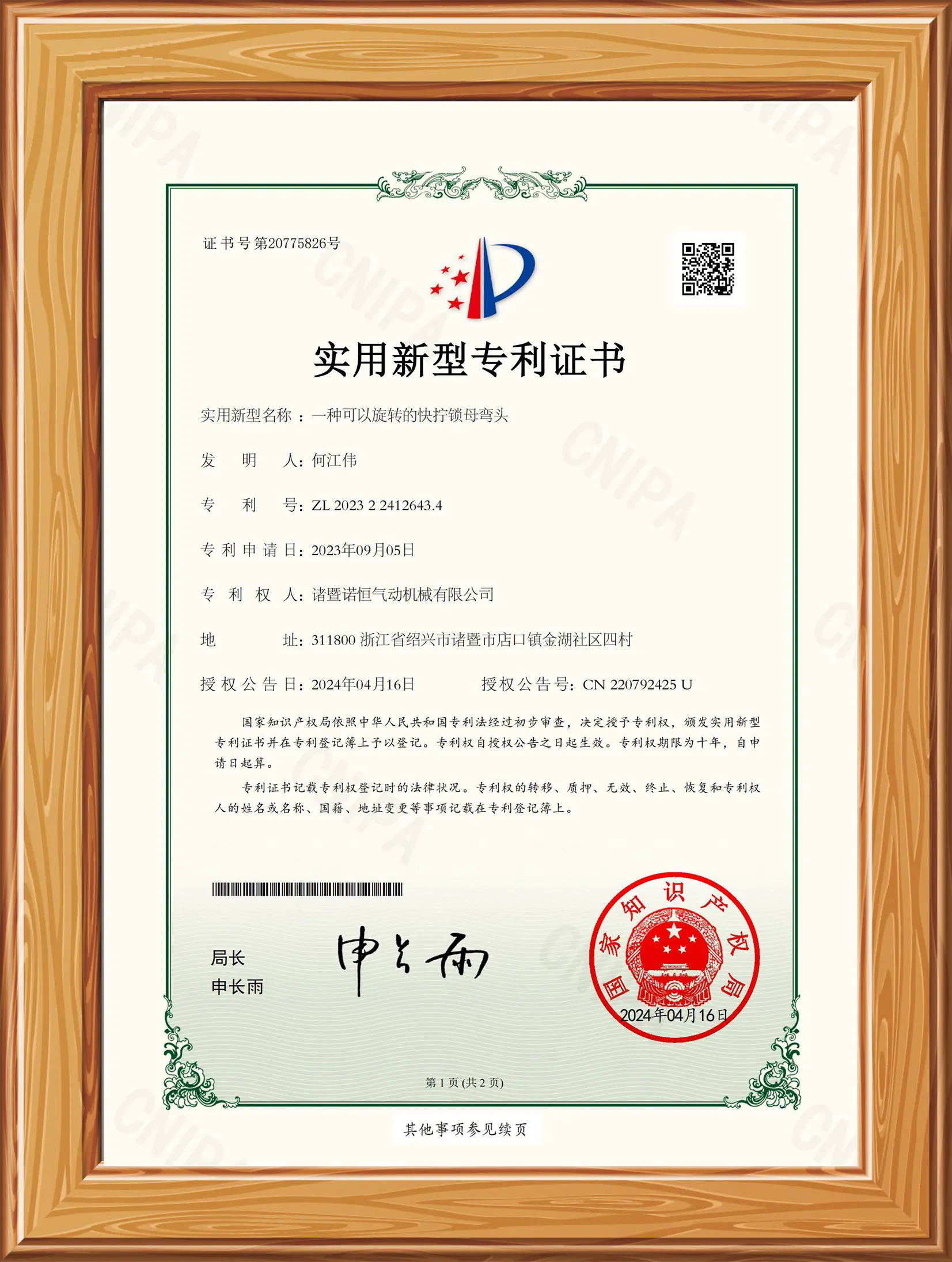
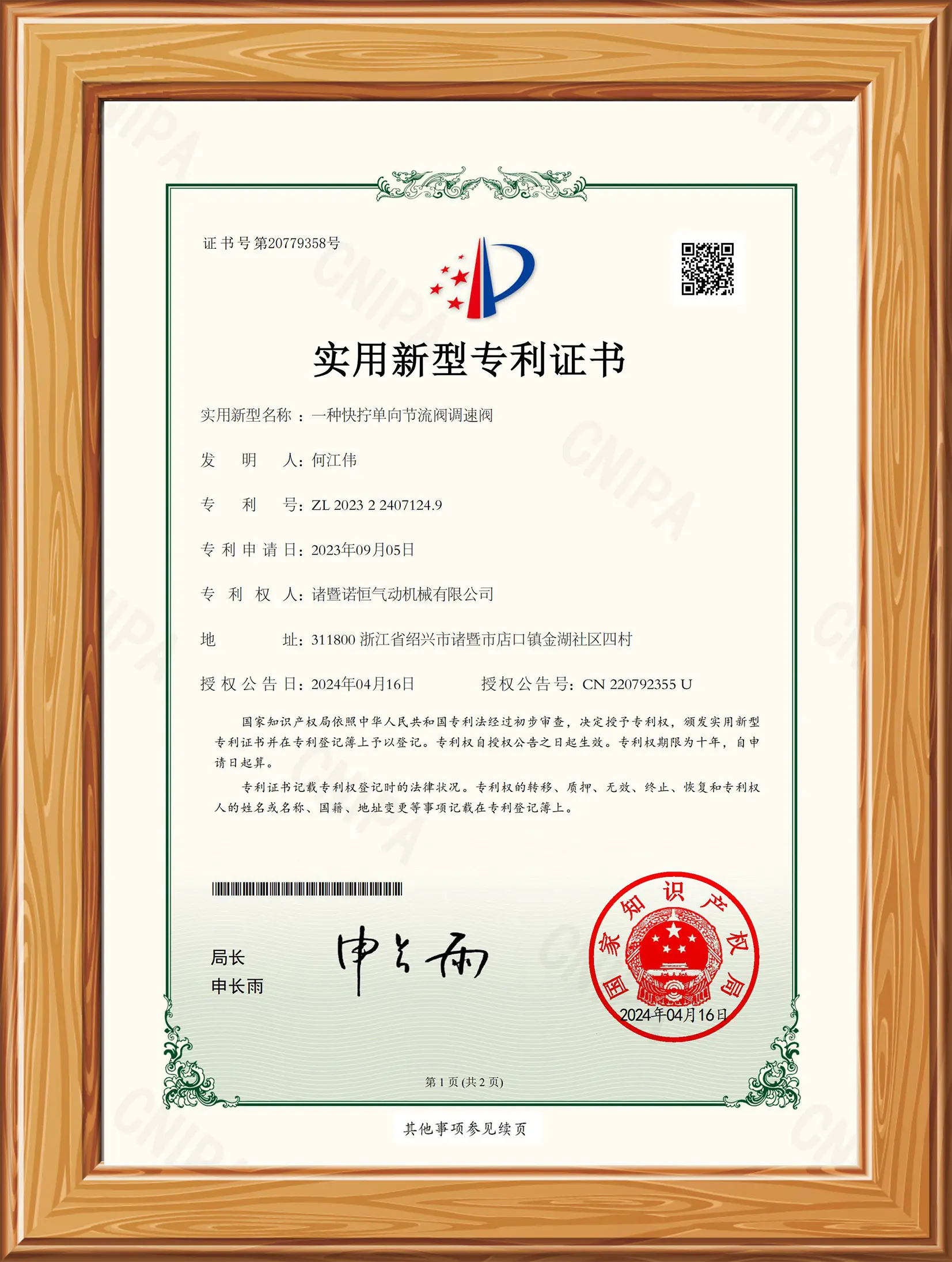
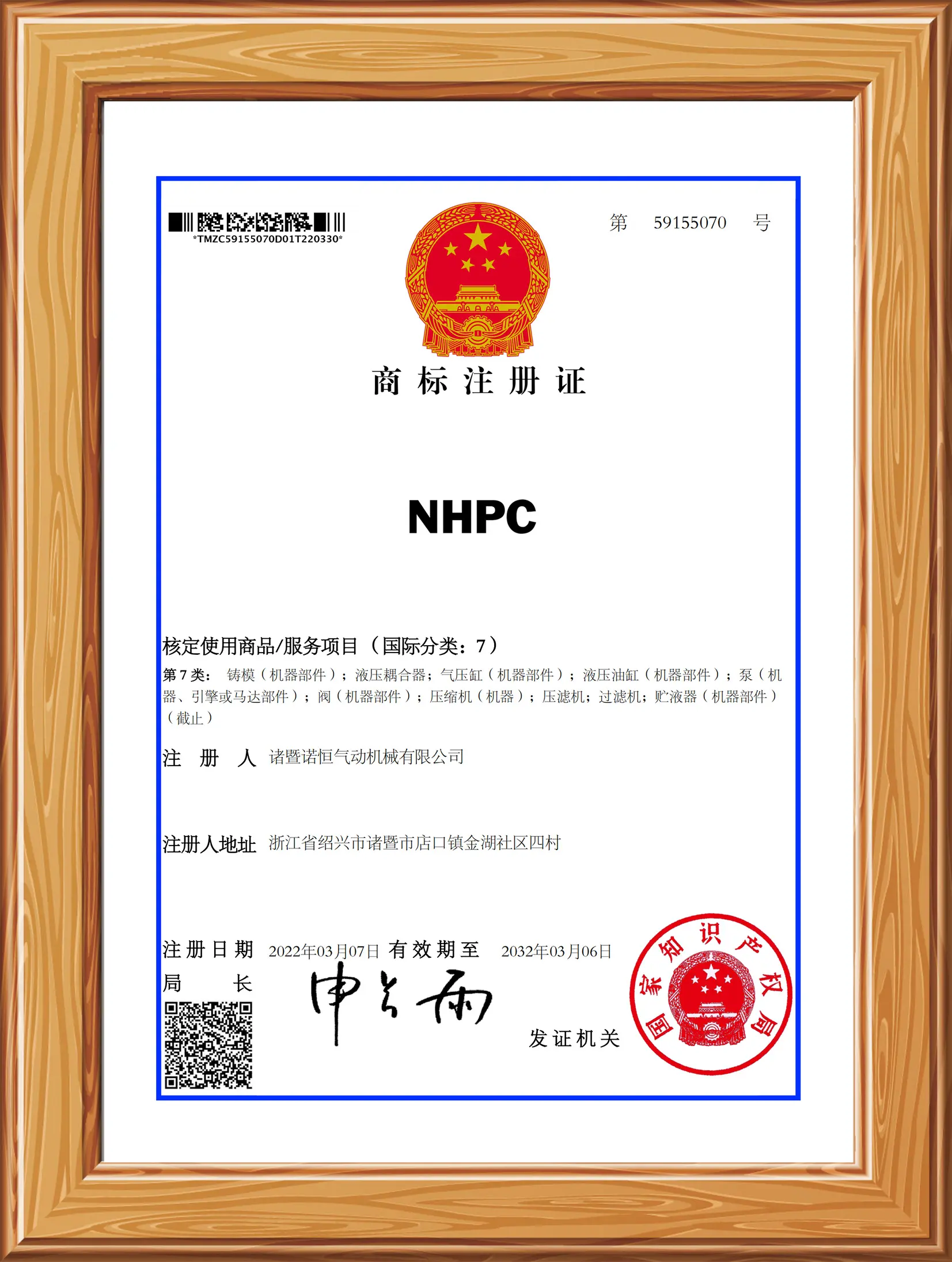
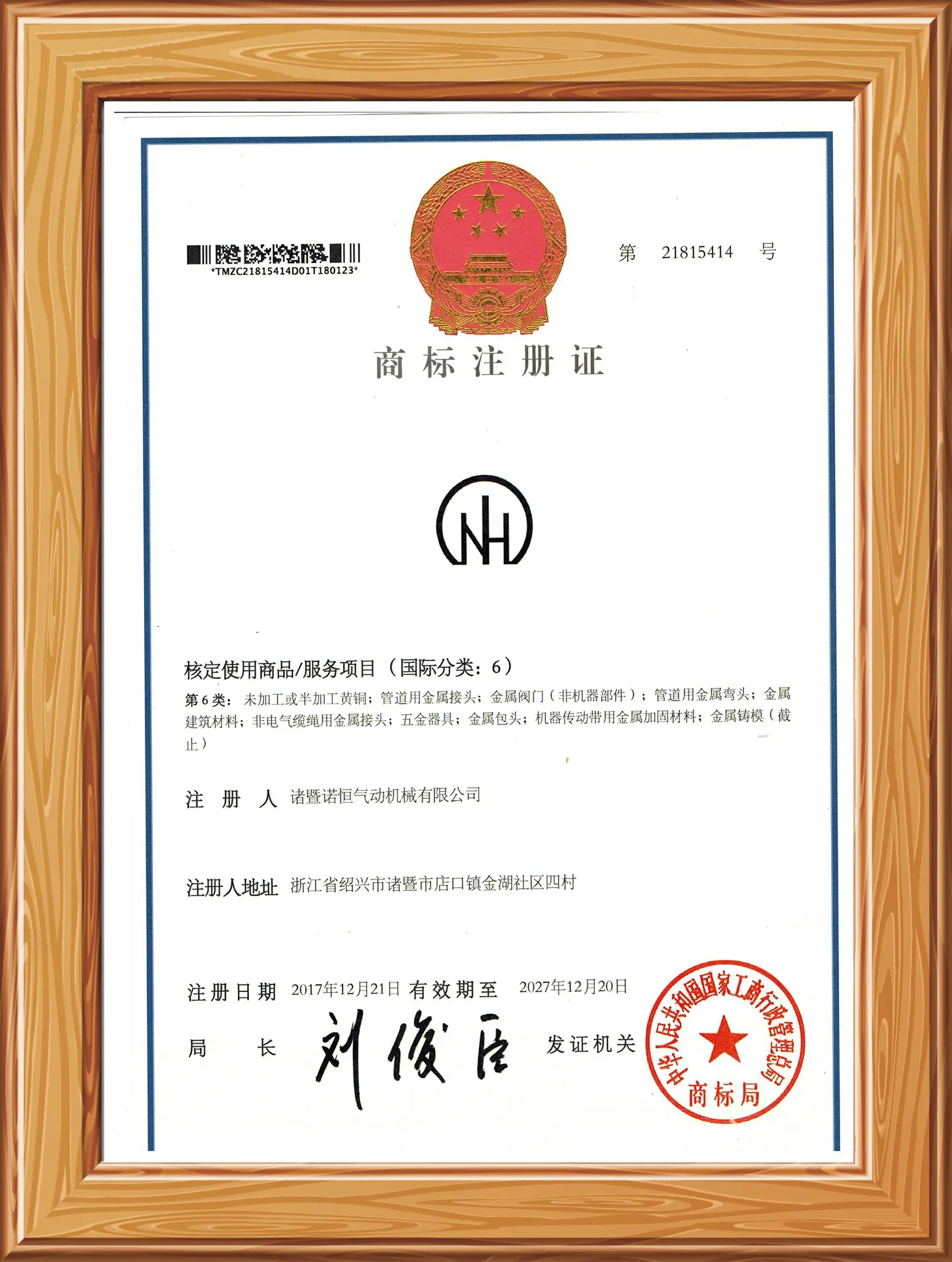
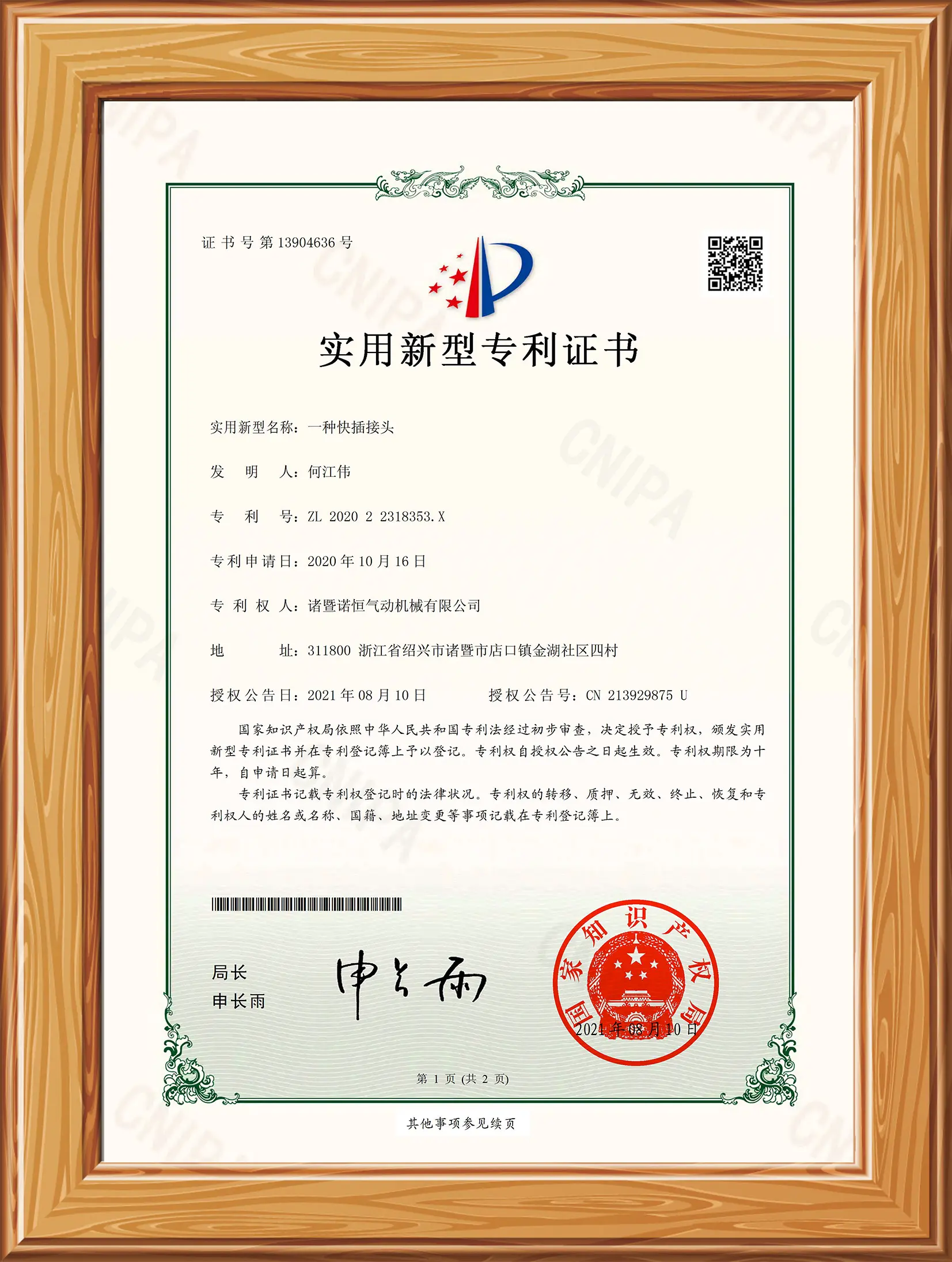
NHPC operations are certified to meet international standards for quality, environmental safety, and trace materials.
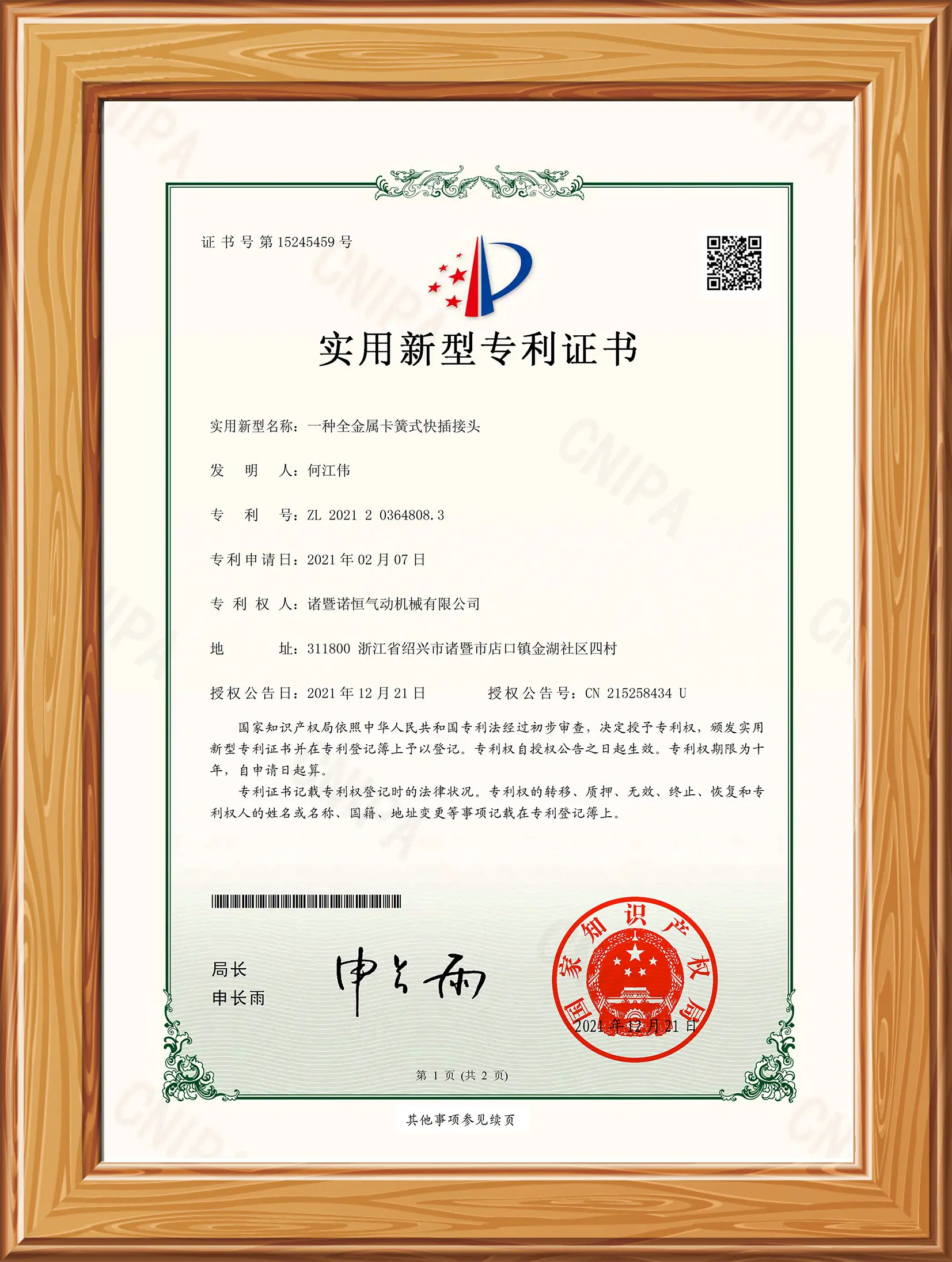
NHPC fittings are utilized in infrastructure and heavy industries worldwide.
Answers to technical and regulatory questions regarding NPT threads, material characteristics, and system design.
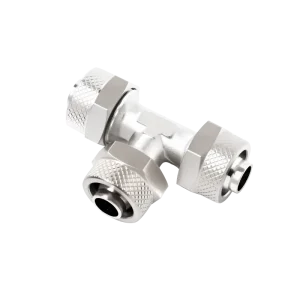
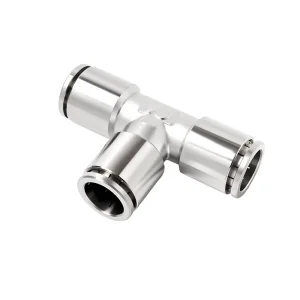
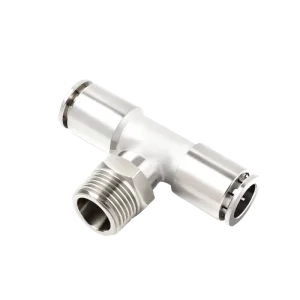
Explore our range of energy storage connectors, DOT air brake line adapters, and standard pneumatic interface components.
 Nuoheng