High-performance connections designed to withstand severe operating conditions. Explore our signature product series below.
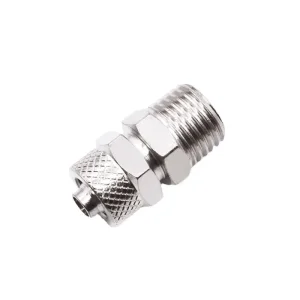
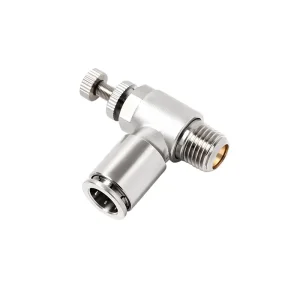
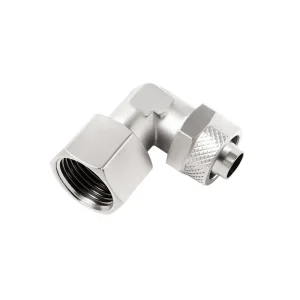
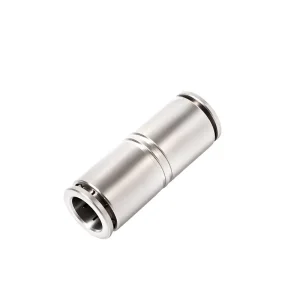
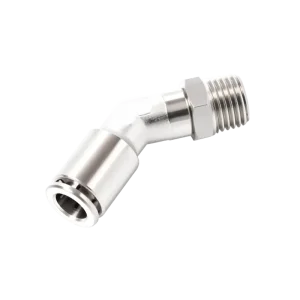
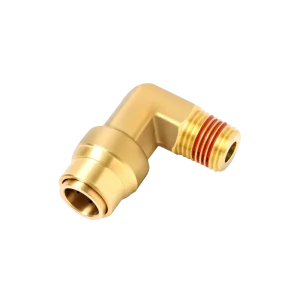
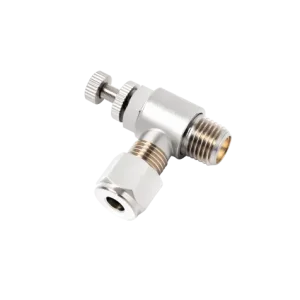
Under the microscope: How modern structural engineering enables leak-free gas and fluid networks under high working pressures.
In modern high-pressure piping applications, the selection of connection interfaces represents a critical safety and operational boundary. Steel compression fittings are the mechanical workhorses of these systems. Unlike threaded pipe joints that depend on sealant compounds or welded configurations that modify the underlying metallurgy of the piping network, compression fittings utilize mechanical deformation to establish a hermetic seal. This design consists of three primary elements: the connector body, the internal compression sleeve or ferrule, and the compression nut.
When the compression nut is tightened onto the thread of the fitting body, it imparts an axial force that pushes the ferrule forward into the body's internal seat. As the ferrule moves along this conical path, its leading edge is deflected radially inward, biting into the outer circumference of the tubing. This elastic and plastic deformation creates a highly reliable pressure boundary. The primary seal is achieved along the interface between the ferrule and the tubing outer diameter, while the secondary seal is developed along the contact surface between the ferrule and the internal seat of the fitting body.
This design is highly resilient in environments exposed to heavy mechanical vibration, thermal cycling, and high pulsation rates. Single-ferrule designs are widely used in pneumatic applications because they are easy to assemble and provide high seal integrity. Dual-ferrule designs are typically used in high-pressure hydraulic instrumentation systems where a sequential, double-active grip prevents tubing blow-out under extreme conditions. Using high-grade carbon steel or austenitic stainless steels (such as 304 or 316L) ensures the fitting matches the thermal expansion and corrosion resistance properties of the tubing, minimizing stress corrosion cracking.
Modern industrial applications require fittings that can handle continuous operational pressures without dynamic failure. In high-pressure hydraulic loops, steel compression fittings routinely manage pressures exceeding 10,000 PSI (689 bar).
Material degradation can lead to cataclysmic leaks in corrosive fluid applications. Choosing the correct steel grade and surface finish is crucial to long-term system life.
Welcome to NHPC, a leading manufacturer in the pneumatic industry with a rich history spanning over 15 years. Our journey began with a simple but powerful vision: to revolutionize the pneumatic industry by delivering high-quality, innovative, and reliable products that meet the ever-evolving needs of our clients. Today, we are proud to stand as a trusted name in the industry, serving a diverse range of customers across the globe.
We specialize in the design, development, and manufacturing of a comprehensive range of pneumatic products. Our product includes push in fittings, push on fittings, pneumatic valves, quick connectors, PU pipes, hydraulic components and design service for custom pneumatic systems. Each product is engineered with precision, ensuring optimal performance, durability, and efficiency. Whether you need standard components or customized solutions, we have the expertise to deliver products that exceed your expectations.
Evaluating the macro-economic and engineering advantages of the Chinese industrial ecosystem.
In the global supply chain, purchasing managers and engineering leads must balance unit cost with product quality. Sourcing from a premier Chinese factory like NHPC provides significant advantages that extend beyond competitive pricing. China's industrial base is supported by complete supply chain integration, advanced manufacturing technology, and a highly skilled workforce, making it a key hub for high-precision component production.
First, local sourcing of raw materials allows for rapid turnaround times and lower shipping costs. Chinese mills supply certified, high-grade steel alloys that comply with international standards such as ASTM, DIN, JIS, and BS. Second, the concentration of manufacturing technology—including automated CNC turning centers, multi-spindle lathes, and robotic inspection systems—ensures consistent quality across large production volumes. At NHPC, our advanced manufacturing capabilities allow us to machine complex geometries with tight tolerances of down to ±0.01mm, ensuring that each fitting fits securely and performs reliably.
Furthermore, Chinese manufacturers are highly adaptable when it comes to custom engineering requests. For global OEMs requiring custom thread configurations, unique surface treatments, or application-specific modifications, NHPC provides end-to-end support. This includes initial CAD modeling and finite element analysis (FEA), followed by rapid prototyping and rigorous physical testing. By integrating design, manufacturing, and quality control under one roof, we help global buyers reduce product development timelines and simplify their sourcing processes.
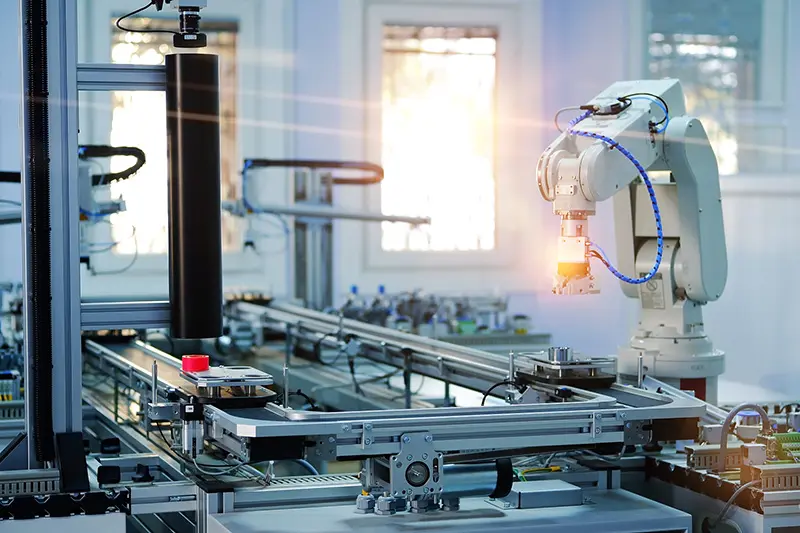
With our extensive knowledge and experience in pneumatic and piping systems, we design and recommend cost-effective, reliable, and actionable systems to meet our customers' requirements.
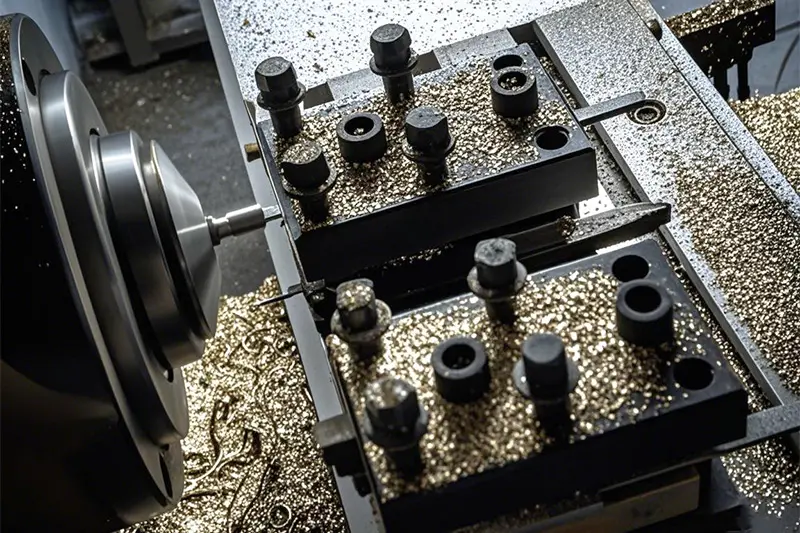
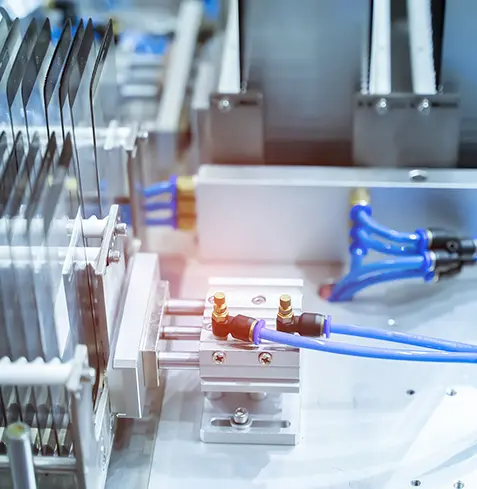
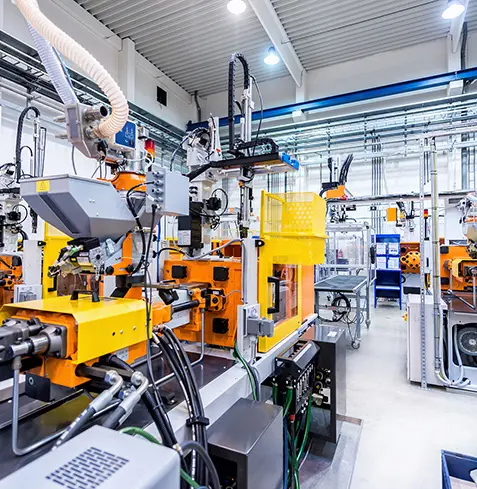
Our machining capabilities include high-precision surface treatment, multi-axis CNC lathes, injection molding, stamping, and die-casting. This allows us to maintain strict quality control at every stage of production.

Our dedicated engineering and support teams provide personalized assistance throughout the product lifecycle. From initial consulting to after-sales support, we respond quickly to meet your project timeline.
Developing fluid connection solutions for emerging markets: from green energy to commercial vehicle safety systems.
The global fluid power industry is evolving rapidly, driven by the demands of decarbonization, automation, and safety regulations. As automated systems operate at higher speeds and pressures, they require connection interfaces that can withstand increased stress. This trend is visible in sectors like energy storage systems (ESS), new energy vehicles, and heavy-duty transportation, where fluid connections must perform reliably under extreme conditions.
One key trend is the development of flame-retardant and thermal-runaway-resistant systems. In large-scale battery energy storage systems (BESS), water-glycol liquid cooling lines are used to maintain safe battery temperatures. If a cell enters thermal runaway, the surrounding cooling lines must remain intact to prevent leaks that could cause electrical short circuits or fire. Specialized flame-retardant pipe fittings—such as the NHPC PE and PLF series—are designed to meet these safety requirements, using materials rated to V-0 self-extinguishing levels.
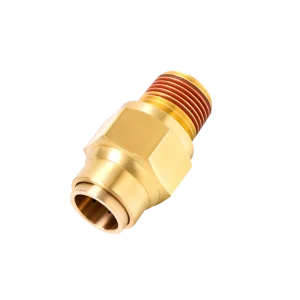
Another major application is pneumatic braking systems for commercial vehicles. These systems require strict adherence to regulatory standards like DOT (Department of Transportation) and SAE. Our brass and steel DOT air brake line fittings are designed to withstand road debris, thermal expansion, and vibration, helping to ensure the safety of vehicle braking systems. By engineering fittings for these specific industrial demands, NHPC helps clients comply with international standards and maintain system safety.
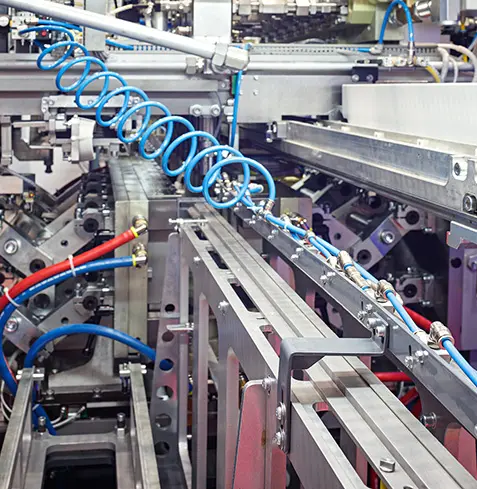
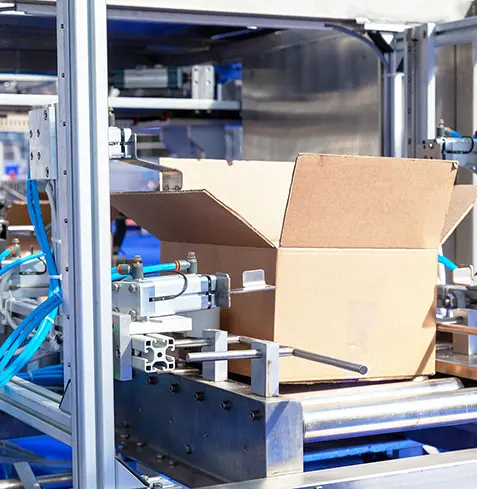
Our vision is to be the global trustworthy pneumatic manufacturer by continuously innovating and setting new standards for quality and performance. We aim to assist our customers with cutting-edge pneumatic solutions that enhance their operational efficiency and productivity.
Crucial engineering metrics that procurement managers must verify to protect their operating systems.
When sourcing steel compression fittings, purchasing managers should look beyond the price per unit. Using lower-quality materials or poorly machined fittings can lead to system failures, unexpected downtime, and increased maintenance costs. Below is a checklist of technical factors to consider when evaluating a fitting manufacturer:
Proper connection alignment requires precise manufacturing of thread geometries. Ensure the supplier supports standard metric and imperial threads, including NPT (National Pipe Thread), BSPT (British Standard Pipe Taper), BSPP (British Standard Pipe Parallel), and Metric Parallel threads.
Verify that the manufacturer provides Material Test Reports (MTRs) for raw steel stock. Chemical composition analysis is necessary to ensure the steel has the correct mechanical properties and corrosion resistance for the intended application.
Confirm the manufacturer performs standard burst pressure testing, helium leak testing, and thermal cycling tests. Fittings must be rated to maintain their seal under the temperature extremes of the operating fluid.
Ensure the production facility is certified to ISO 9001:2015. This verifies that standard quality management procedures are followed at every stage, from product design to final assembly and testing.
Technical answers to common questions about fluid mechanics, material selection, and fitting installations.
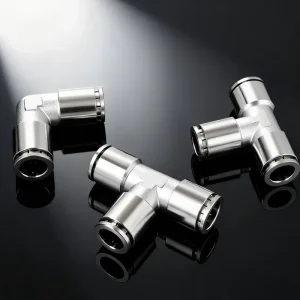
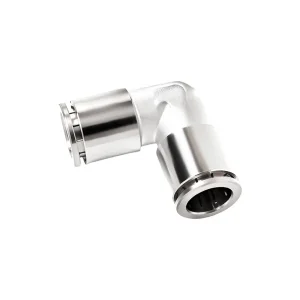
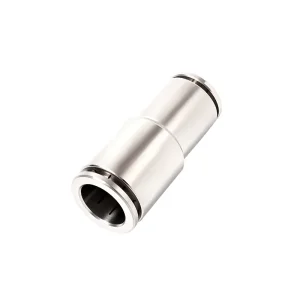
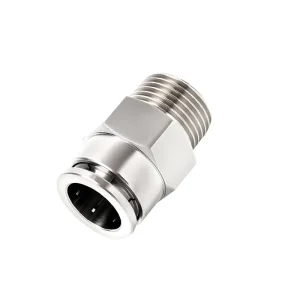
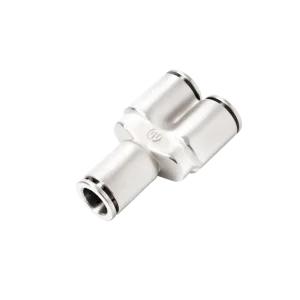
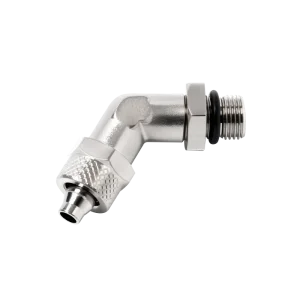
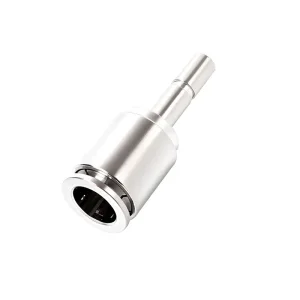
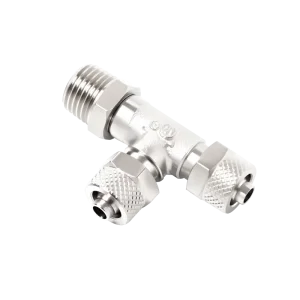
From thread reducers to multi-directional fittings, we provide components for a wide range of industrial applications.
 Nuoheng