High-performance push-in and push-on components engineered for industrial automation, air brake assemblies, and precise pneumatic control systems.
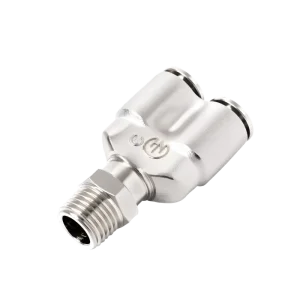
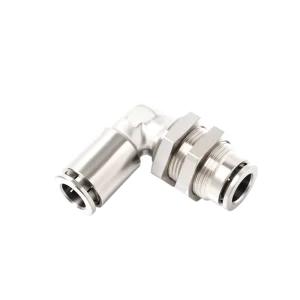
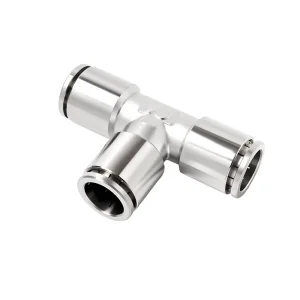
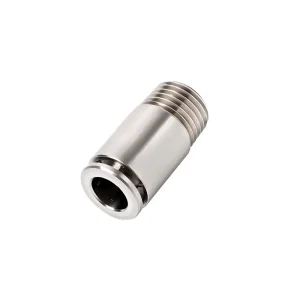
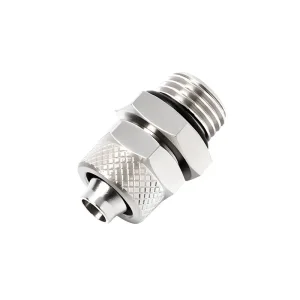
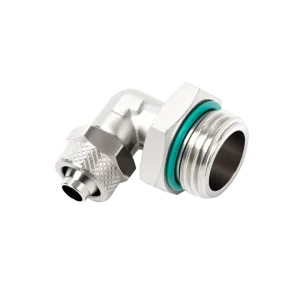
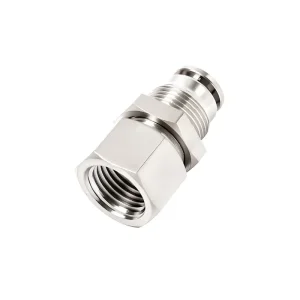
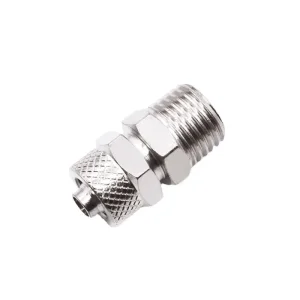
Unlike alternative materials such as carbon steel, which is highly prone to oxidation, or engineering polymers, which degrade under intense thermal cycling and chemical exposure, brass offers an optimized combination of mechanical features. By alloying copper with zinc, brass achieves exceptional ductility, structural integrity, and resistance to corrosion from moisture, solvents, and environmental stressors.
At Nuoheng Pneumatic Machinery Co., Ltd. (NHPC), we leverage over 20 years of technical expertise to push the boundaries of brass machining. Our custom Original Design Manufacturing (ODM) and Original Equipment Manufacturing (OEM) models are built around precision tolerances (often controlled down to ±0.01mm) and tailored metallurgical formulations. This detailed approach ensures that our components meet international standards, supporting fluid management in the energy storage, automotive transport, automated assembly, and petrochemical sectors.
Our operational metrics reflect our commitment to engineering excellence and large-scale manufacturing capability.
Years of Experience
A history of technical innovation in pneumatic and hydraulic connector design.
Technical Experts
Highly trained engineers and operators managing our automated CNC production lines.
Annual New Designs
Continuous R&D investment supporting changing market needs and customer requirements.
For industrial engineering applications, choosing the correct alloy grade directly impacts the life cycle and safety of the system. We select specific brass grades based on application demands, focusing on machinability, corrosion resistance, and lead-content limits.
Our standard production uses leaded brass alloys, such as C3604 and HPb59-1, which offer excellent chip clearance and surface finishes when turned on high-speed CNC Swiss-type lathes. For plumbing systems, food processing equipment, and applications governed by RoHS and REACH standards, we process lead-free formulations (such as bismuth-alloyed or silicon-alloyed brass). These alternatives match the tensile properties of standard brass without the environmental risks.
| Material Type | Tensile Strength (MPa) | Machinability Rating | Corrosion Resistance | Primary Application Areas |
|---|---|---|---|---|
| C3604 / C36000 Brass | 340 - 450 | 100% (Standard Reference) | Excellent in humid & oil-rich settings | High-speed CNC components, pneumatic valves, general push-in adapters. |
| 316L Stainless Steel | 485 - 600 | ~45% | Outstanding (Chloride environment) | Corrosive chemicals, pharmaceutical systems, deep-sea marine applications. |
| 6061-T6 Aluminum | 290 - 310 | 80% | Moderate (Needs anodization) | Aerospace, lightweight applications, secondary structural pneumatic lines. |
| C69300 (Eco/Lead-Free Brass) | 410 - 520 | 80% | Very High (Dezincification Resistant) | Potable water systems, food processing, environmental safety compliance. |
| Polymer Composites (PBT/POM) | 60 - 80 | High (Injection molded) | Subject to chemical degradation | Low-cost light-duty automation, laboratory instruments. |
The global market for brass adapter fittings continues to expand, driven by growth in industrial automation, transit systems, and clean energy storage infrastructures. As heavy industries modernize, the demand for reliable fluid connections has shifted from simple catalog items to highly engineered, application-specific adapters.
Regionally, the requirements for these components reflect local engineering and regulatory standards:
Modern industrial setups are moving toward smart systems. While conventional fittings act as passive channels, the next generation of connectivities integrates sensors to monitor:
NHPC actively tracks these developments, building a technological foundation that prepares our adapter designs for upcoming Industry 4.0 requirements.
Our PLF, PE, and PC connector series are designed specifically for fire safety. These fittings feature flame-resistant polymer release sleeves combined with machined brass bases, achieving UL94 V-0 flame-retardant performance to prevent melting under high heat.
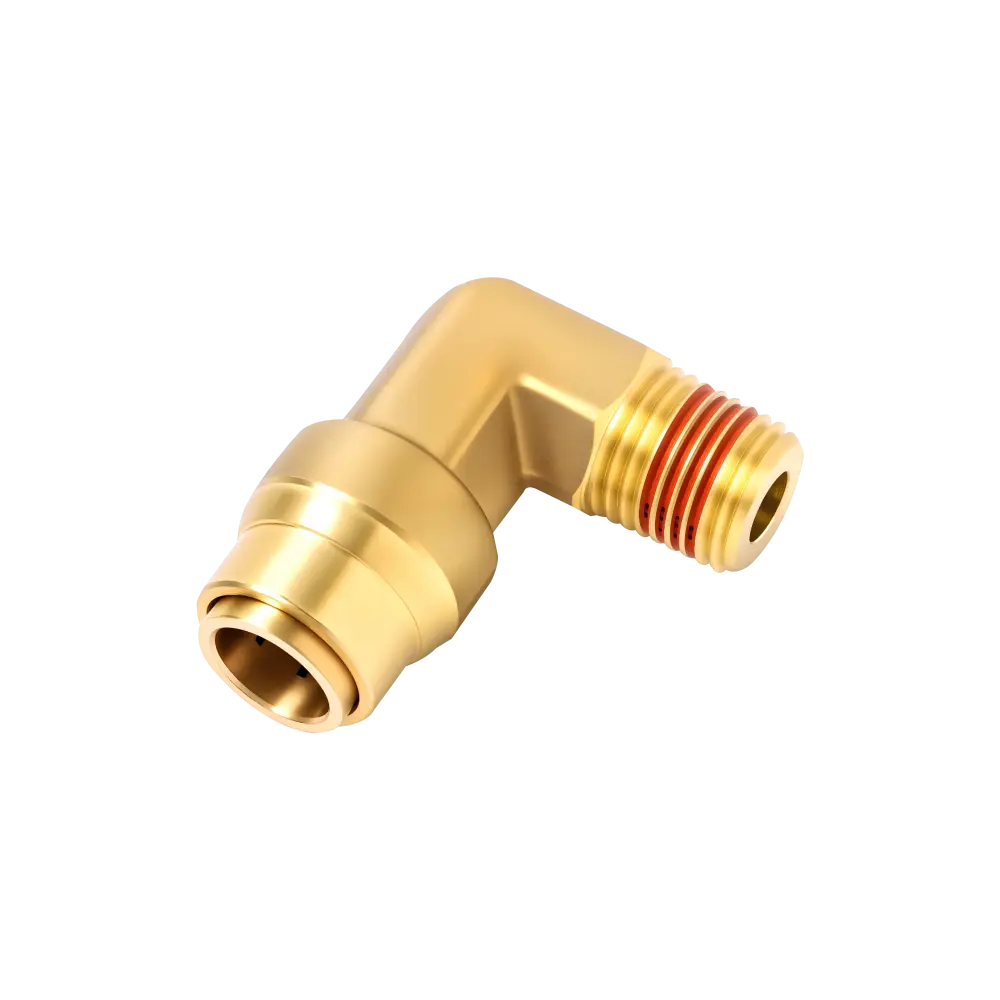
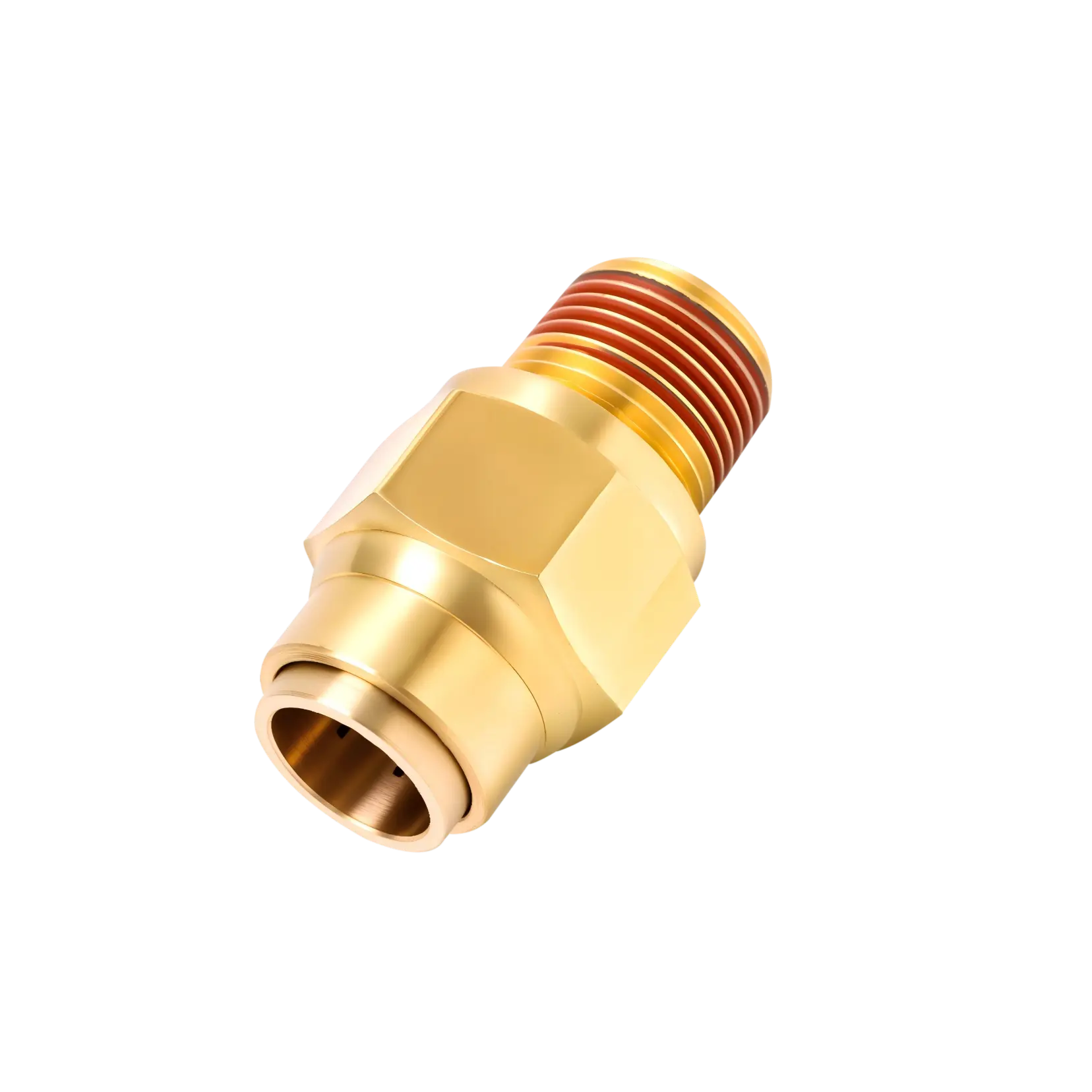
Our DOT series air brake adapters comply with FMVSS 571.106 and SAE J1131 standards. Designed with a push-lock mechanism, they tolerate vibrations, low temperatures, and structural flexing typical of heavy commercial trucks.
We machine adapter threads with specialized tooling to prevent spiral leak paths. Integrated with high-grade NBR, EPDM, or Viton (FKM) O-rings, our fittings maintain structural seals under high-pressure conditions.
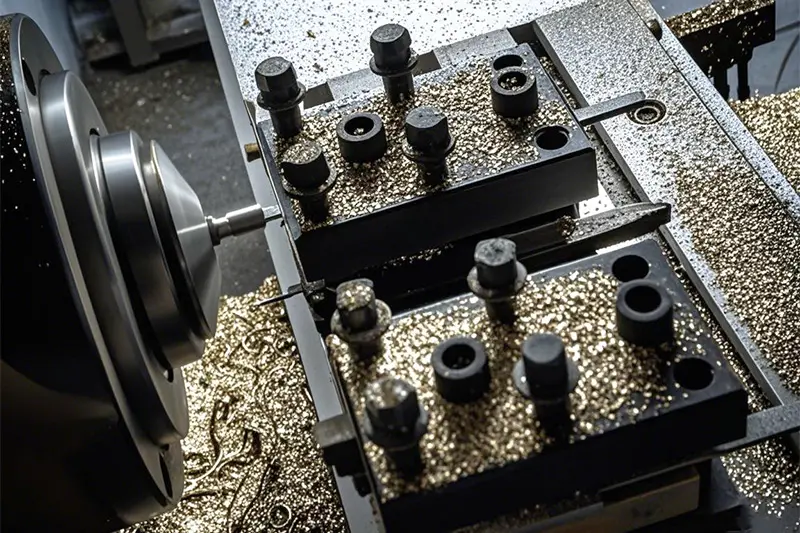
Our manufacturing facility uses advanced multi-spindle automatic lathes and precision CNC machines. By integrating automated production steps with quality inspection systems, we ensure that every brass adapter conforms to exact design specifications.
In our production loop, raw extruded brass rods are cut, turned, threaded, deburred, and cleaned to remove cutting oils. The video on the right shows our automated machining line, showing our clean production environment, high-speed turning tools, and automated assembly of internal sealing rings.
Our manufacturing processes are verified against key international standards, ensuring reliable product performance in critical systems.
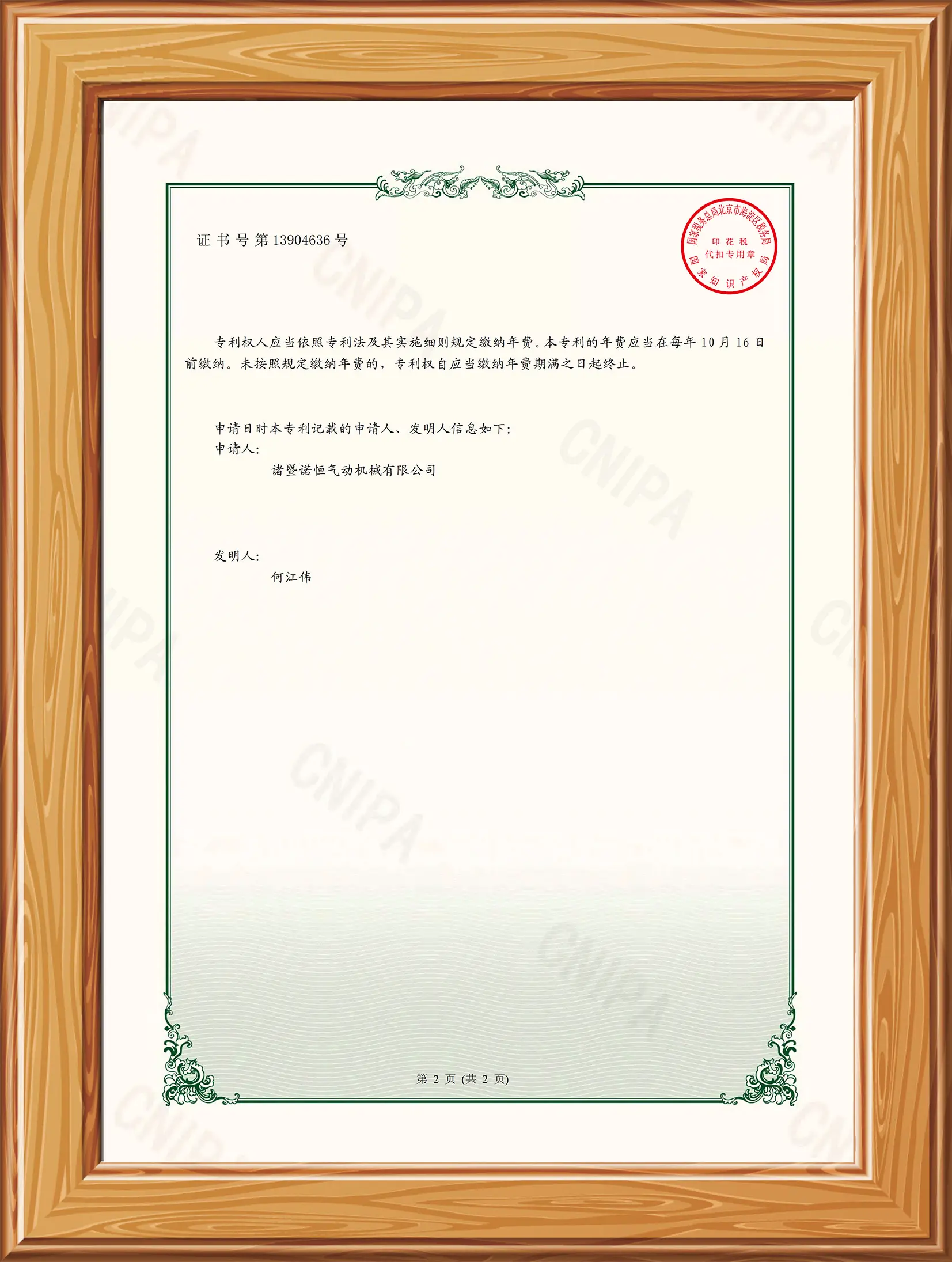
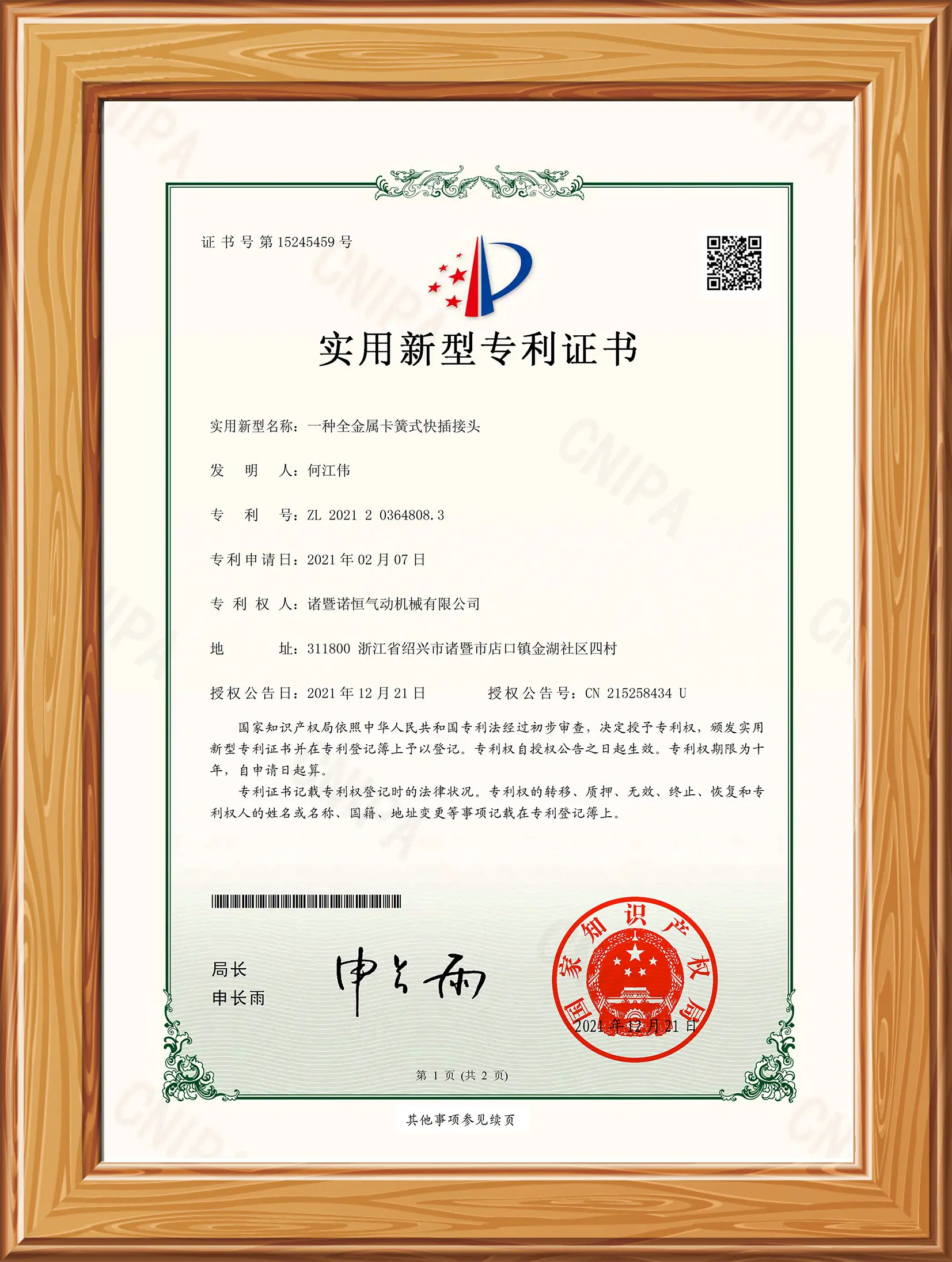
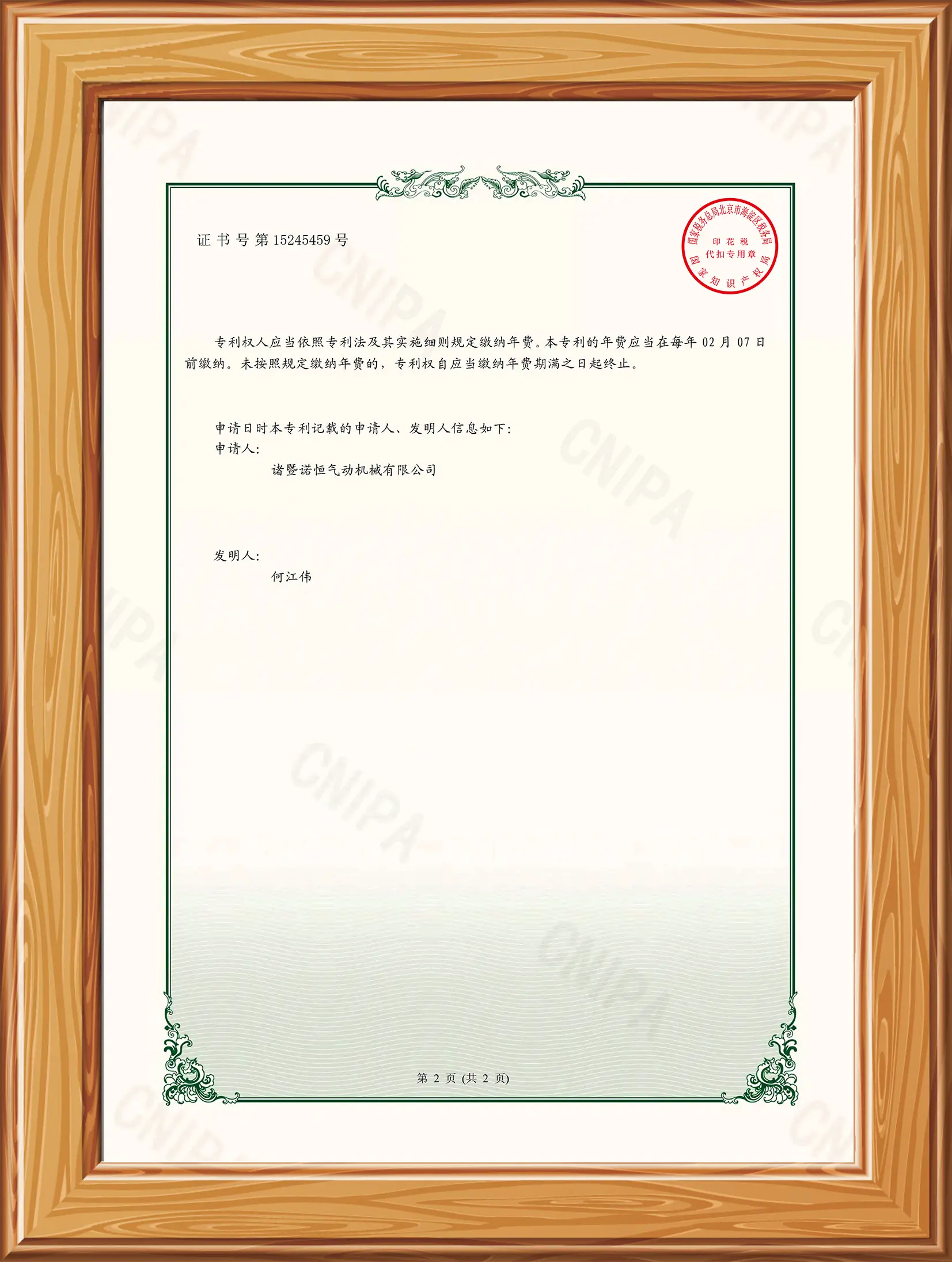
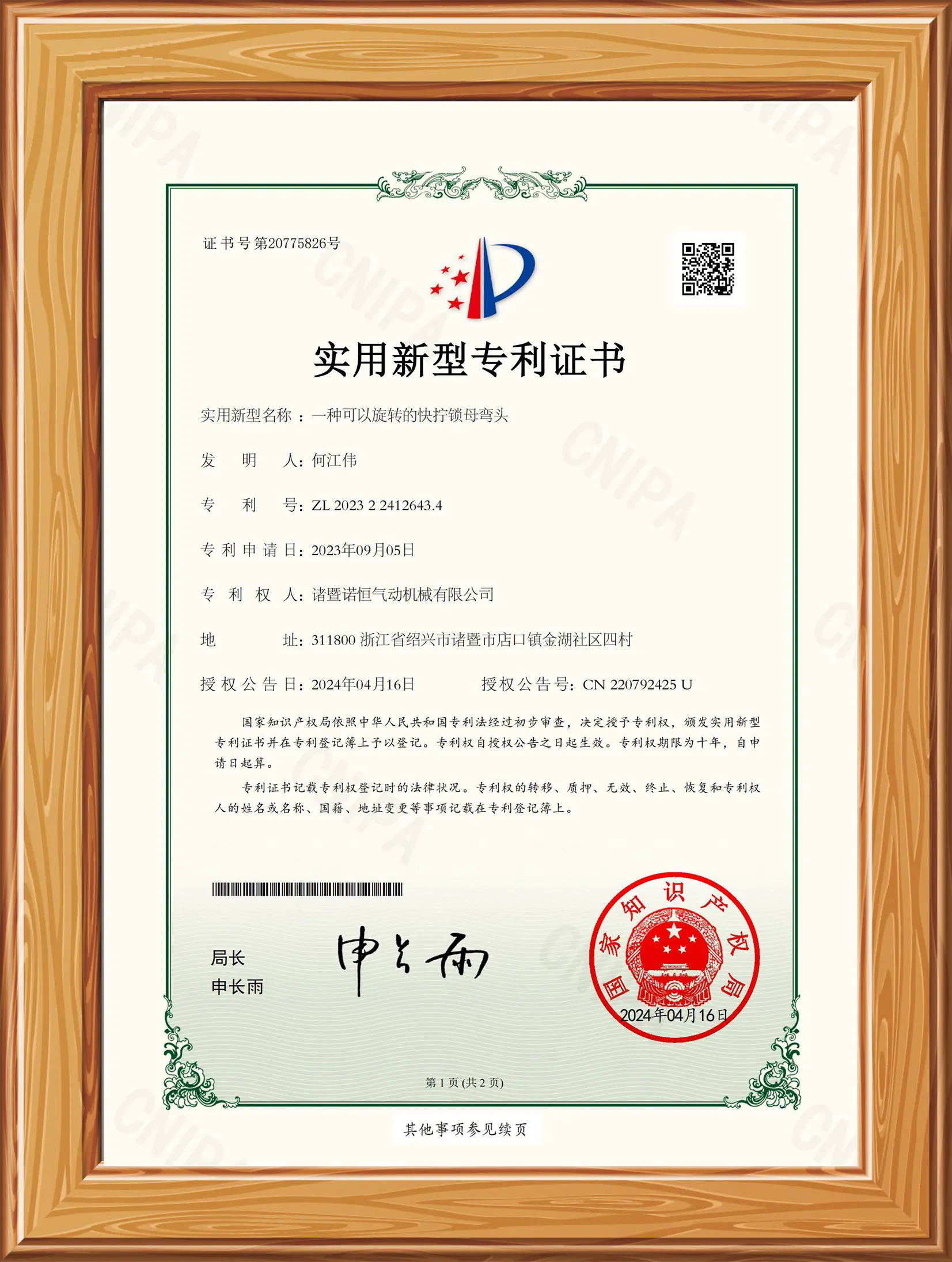
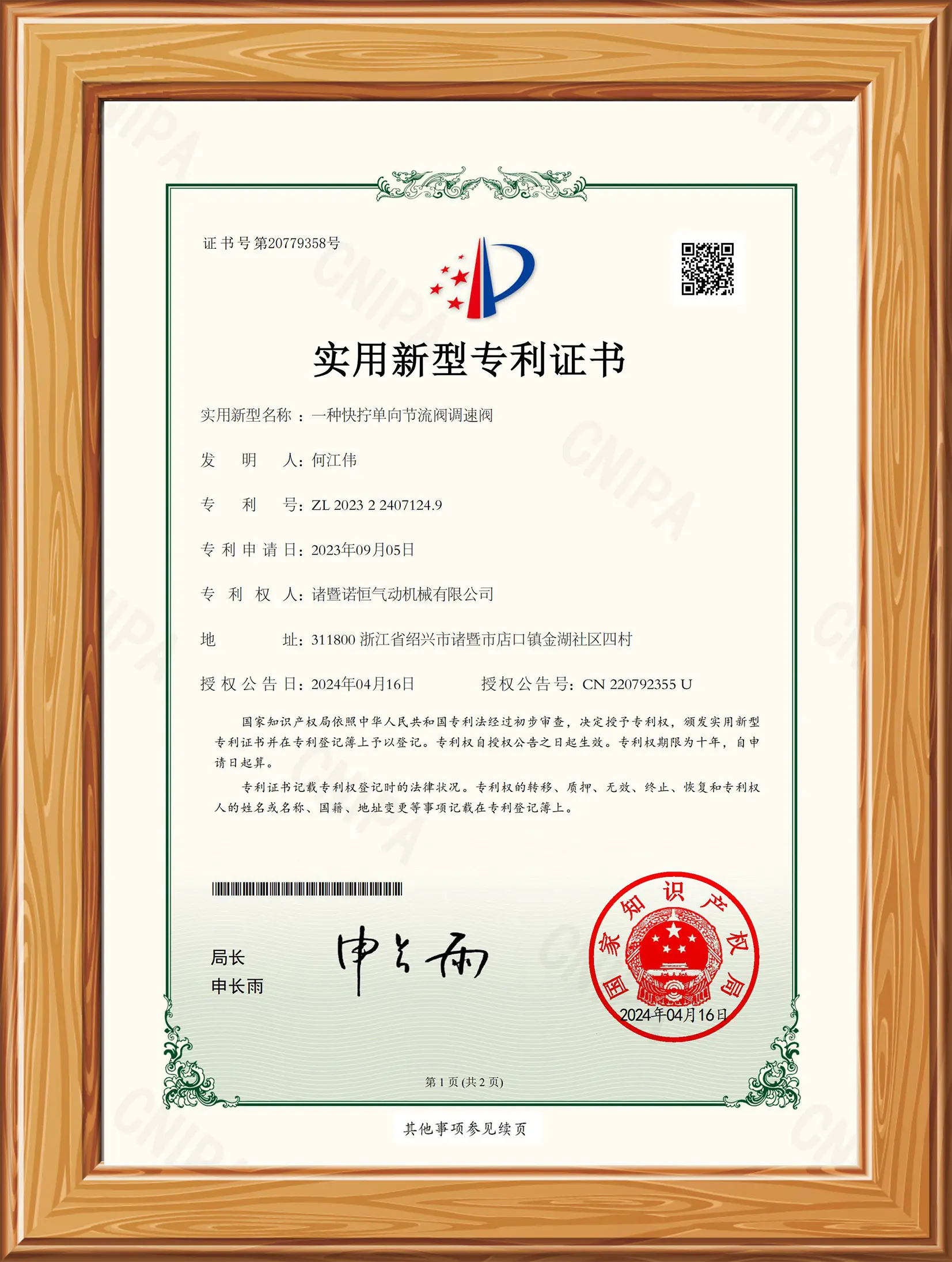
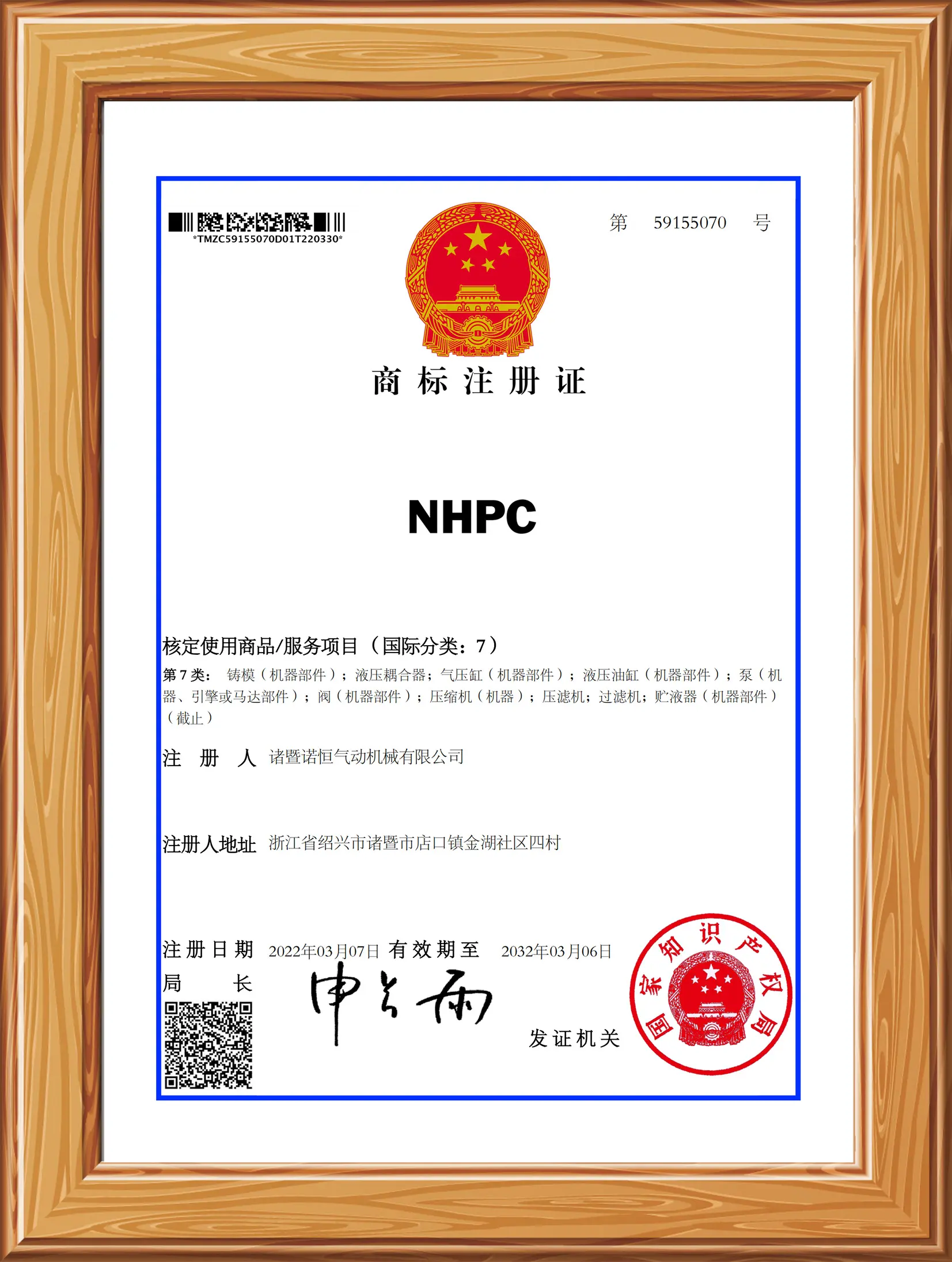
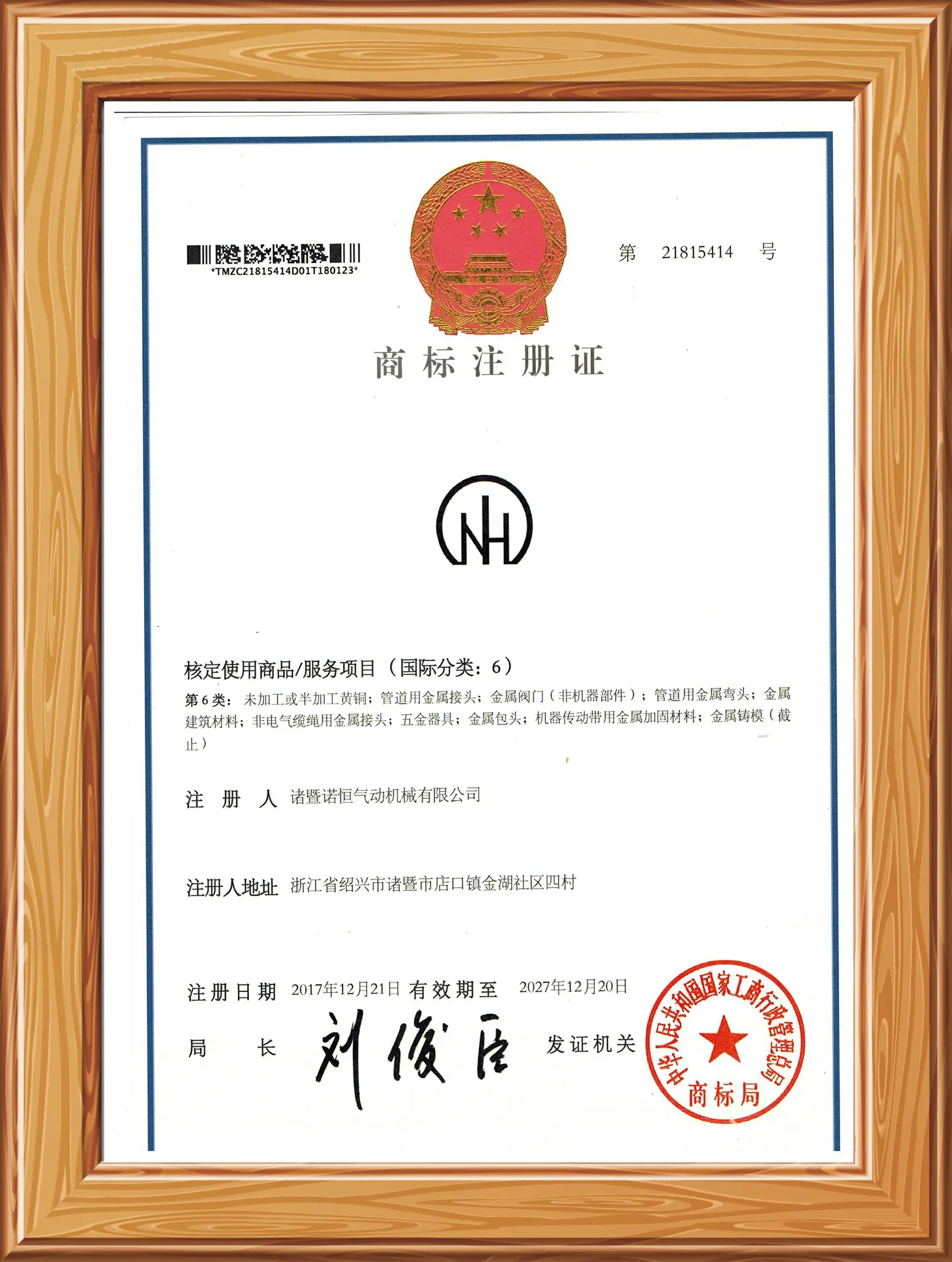
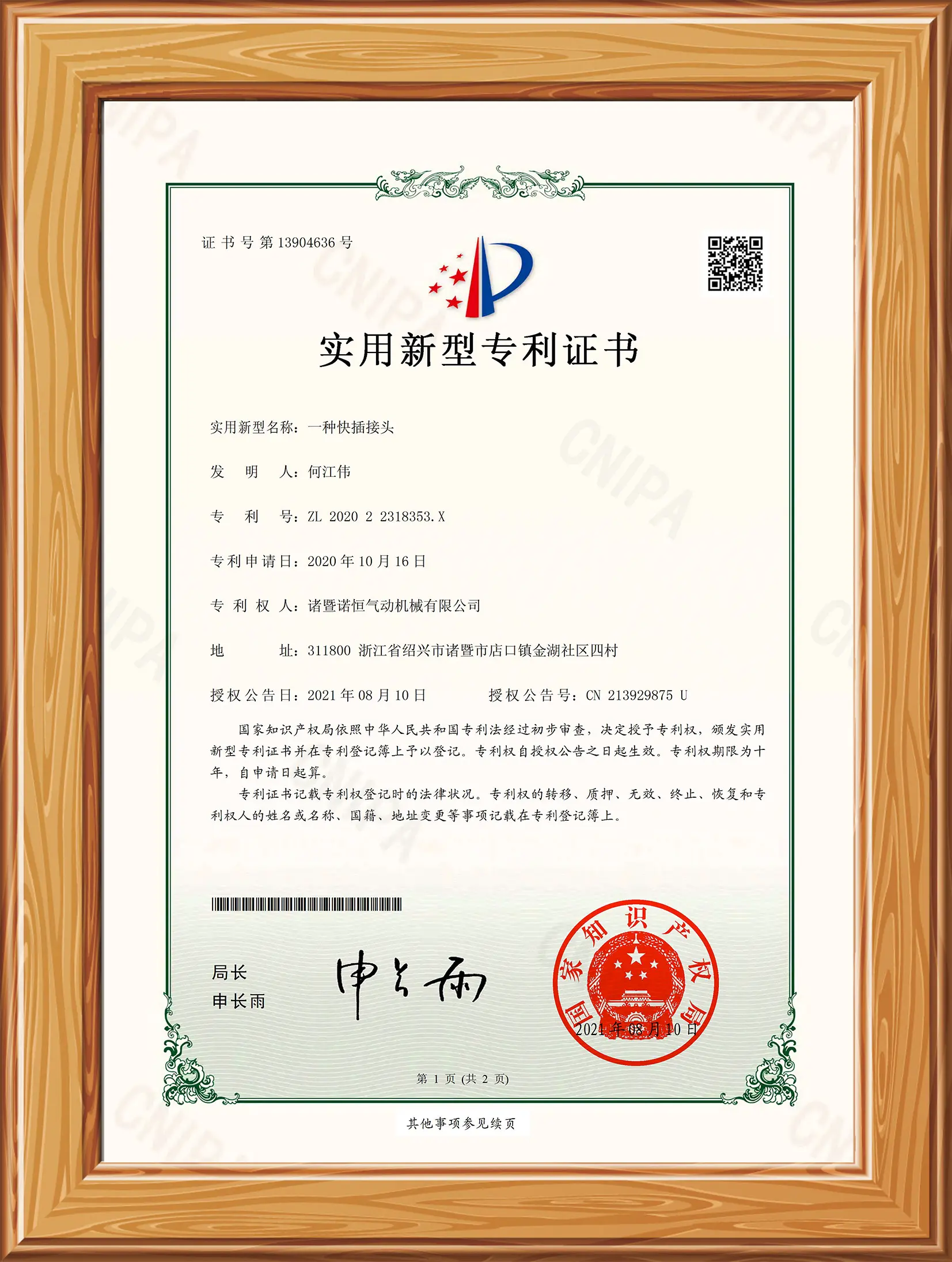
From concept draft to finished product delivery, NHPC provides end-to-end design, production, and verification services.
With deep knowledge of pneumatic and hydraulic systems, we help clients determine the most cost-effective and reliable fitting types, thread interfaces, and material grades for their system layouts.
Our machining facility features CNC lathes, injection molding machines, stamping equipment, and die-casting machinery. This setups allows us to monitor quality parameters at every stage, from material input to final testing.
Our engineering team provides dedicated design and technical support. From the initial consultation to post-delivery, we collaborate closely with clients to address issues, adjust designs, and optimize performance.
Our brass fittings are integrated into critical manufacturing, transit, and automation equipment worldwide.
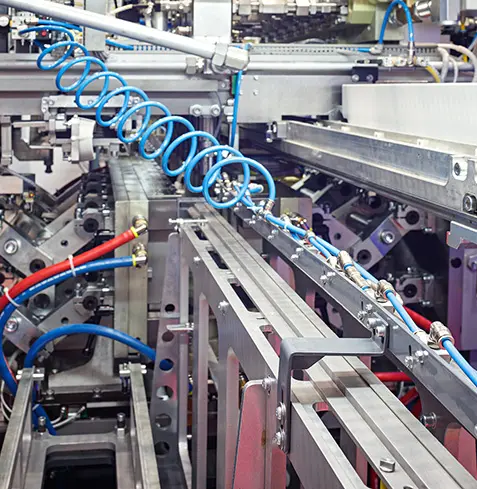

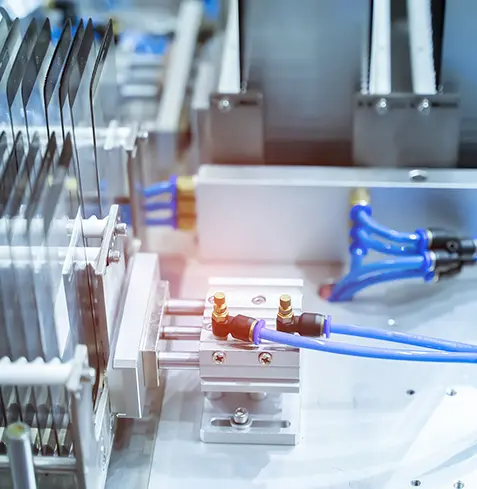
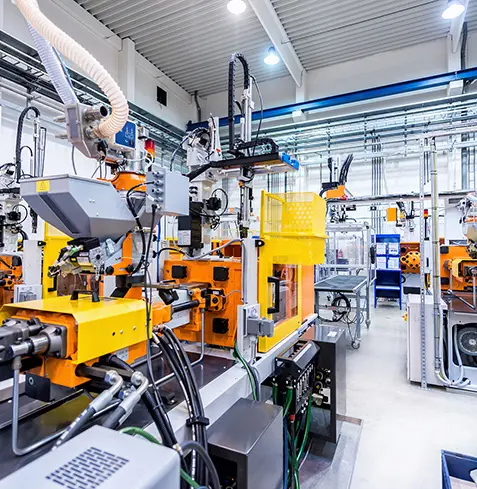
Engineered configurations designed to withstand high pressure, vibration, and temperature variables in transit and energy systems.
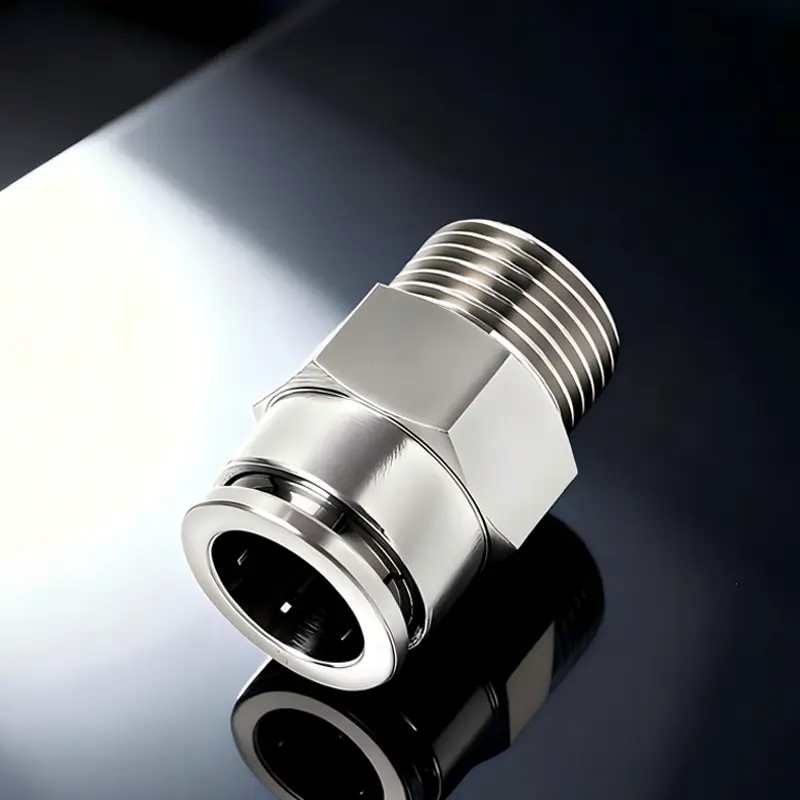
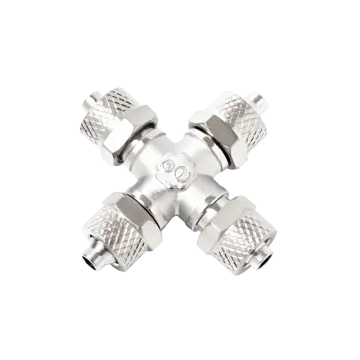
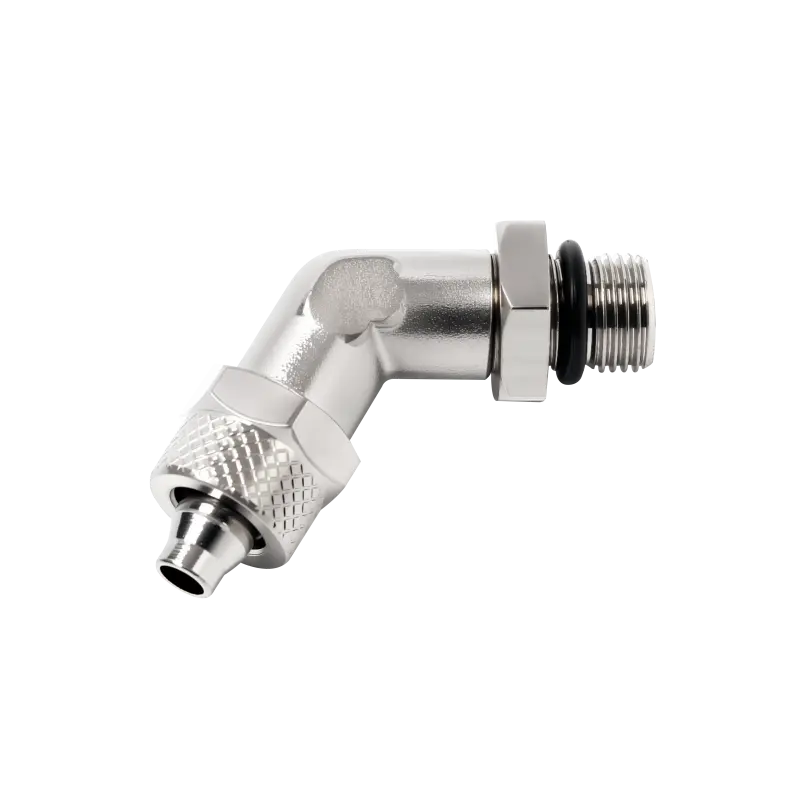
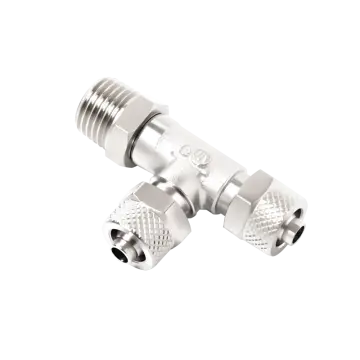
Technical solutions and practical engineering answers to common challenges in pneumatic and fluid connections.
Thread leakage typically results from incorrect thread engagement, deviations in pitch tolerance, or improper sealants. Unlike stainless steel, brass is less prone to mechanical galling due to its natural lubricity; however, damage can still occur if threads are over-tightened or cross-threaded. To prevent leaks, we maintain tight tolerances on thread angles and pitches using automated CNC single-point threading. For tapered threads (such as NPT or BSPT), we recommend applying thread sealant or PTFE tape. For parallel threads (like BSPP or Metric), using an elastomeric O-ring or copper crush washer is essential for a reliable seal.
Dezincification occurs in humid, acidic, or saline environments when zinc is selectively leached from the brass alloy, leaving a porous, weakened copper structure prone to leakage under pressure. To address this in corrosive or cooling loop systems, NHPC uses dezincification-resistant (DZR) brass alloys. These materials contain trace inhibitors (such as arsenic, antimony, or phosphorus) and undergo specialized heat treatments to stabilize the metallurgical phase, maintaining structural integrity over long-term operation.
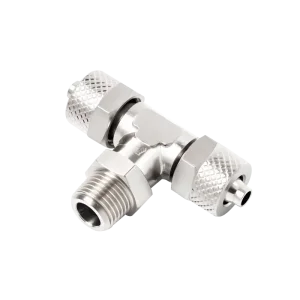
Push-in fittings use an internal stainless steel collet or gripping claw that locks onto the outside of the tubing when inserted, offering tool-free assembly suited for rapid installation in accessible areas. Push-on (or barb-and-nut) fittings require sliding the tubing over a barb and securing it with an integrated compression nut. While push-on designs take longer to assemble, they provide higher mechanical pull-out resistance and are less sensitive to minor tube diameter variations, making them suitable for high-vibration systems.
Compliance requires that fittings pass rigorous mechanical tests under varying temperatures and pressures. Our DOT-certified brass push-lock and air brake connections are tested for high-temperature aging, tensile pull-out resistance, vibration resistance, and low-temperature impact strength. We design these fittings with a dedicated support brass insert to prevent nylon tubing collapse, ensuring the connection remains secure during thermal expansion and heavy vehicle vibration.
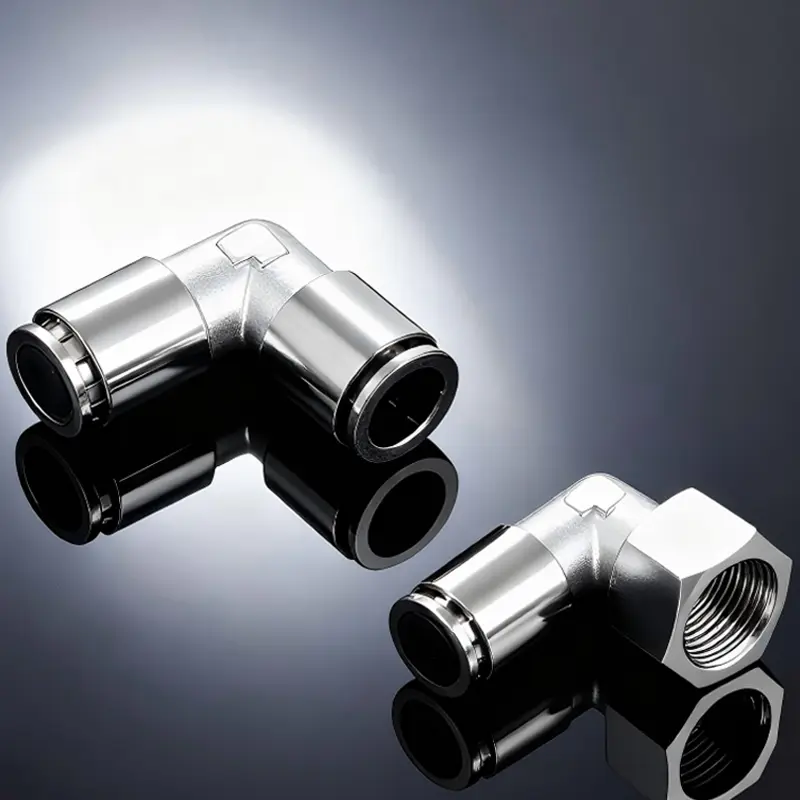
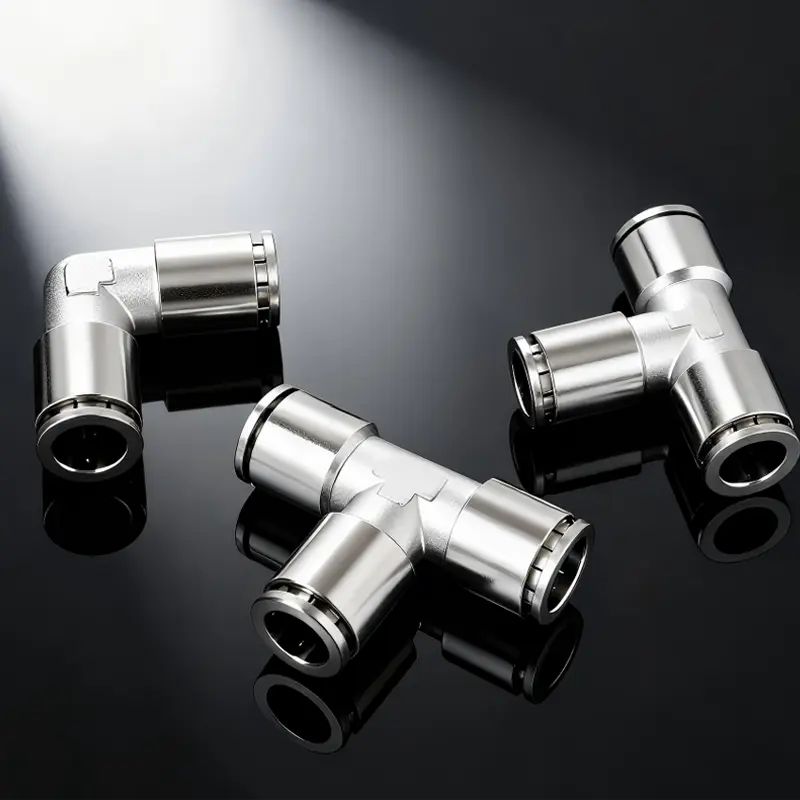
While plain brass offers good natural corrosion resistance, specialized surface finishes can enhance durability. Electroless Nickel Plating (ENP) increases wear resistance and provides protection against acidic media, making it suitable for chemical environments. Chrome plating offers a hard surface finish that resists scratching, while acid cleaning removes tarnish and prepares components for solder or adhesive bonding.
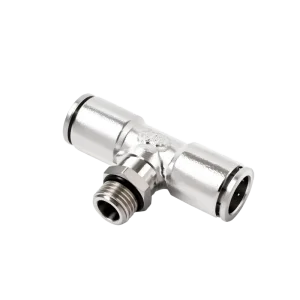
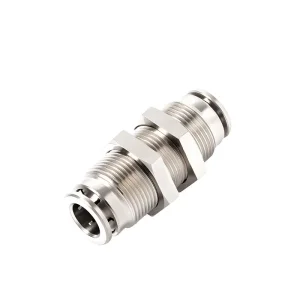
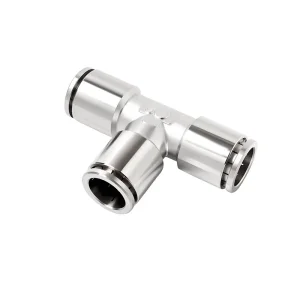
Explore our full line of specialized fittings, bulkhead connectors, and control throttles, manufactured to international engineering standards.
 Nuoheng