Direct from our precision manufacturing lines to Southern California's distribution pipelines. Explore the most requested push-in engineering models.
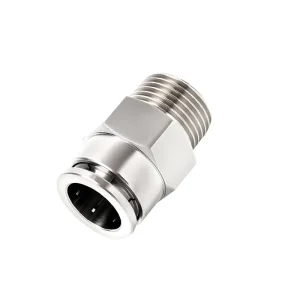
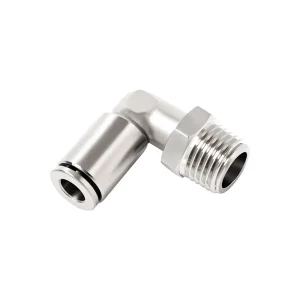
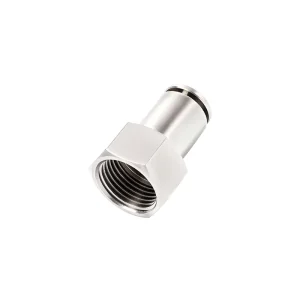
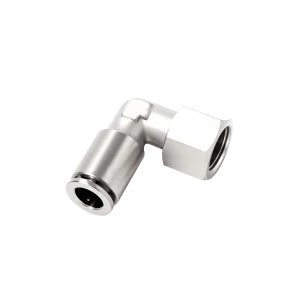
In modern industrial design, fluid dynamic efficiency and automated routing integrity represent the critical foundation of mechanical performance. Push-in fittings, also referred to as push-to-connect systems, have evolved from basic hardware utilities into precision-engineered pneumatic tools. They are designed to withstand micro-vibrations, thermal fluctuations, and corrosive chemical environments. As factories transform into automated units under the umbrella of Industry 4.0, the demand for zero-leak, tool-free connection systems is growing rapidly.
For operations in the Greater Los Angeles area and global distribution networks, sourcing from a verified manufacturer like NHPC (Nuoheng Pneumatic Machinery Co., Ltd.) ensures high quality. Every component, from a standard straight male union to flame-retardant energy storage connectors, must adhere to strict quality control, materials standards, and performance specifications. This deep research whitepaper examines the technologies, commercial settings, and operational steps of modern push-in mechanisms within local and global industrial markets.
“Information Gain Advantage: Unlike typical catalog distributors, a direct manufacturer with deep design control can customize the locking-claw tension, body polymer compounds, and internal O-ring compositions to match unique operating pressures and chemical profiles.”
The Southern California industrial corridor, stretching from the Port of Los Angeles and Long Beach inland to the Inland Empire, is one of the busiest logistics and manufacturing hubs in the Western Hemisphere. The requirements for pneumatic systems in this region are shaped by the key industries located here:
Aerospace engineering demands high precision and lightweight components. In ground support equipment (GSE), satellite testing rigs, and cleanroom pneumatic systems, push-in fittings must handle clean, dry air (CDA) or nitrogen lines without outgassing or seal failure. Composite structures paired with SUS316 stainless steel lock claws provide the necessary reliability for testing and operational systems.
The Port of Los Angeles and Port of Long Beach are centers for heavy-duty trucking and automated freight transport. This high-use environment requires DOT-certified air brake brass push-to-connect fittings that meet SAE J1131 specifications. These components must withstand continuous vibration, road salt, road chemicals, and extreme ambient heat without losing pressure, ensuring safe cargo transit across interstate corridors.
California leads the transition to renewable energy. This requires large-scale Battery Energy Storage Systems (BESS) to balance the electrical grid. BESS units generate significant heat, requiring advanced liquid cooling loops. Fire-resistant, UL 94 V-0 flame-retardant push-in fittings, such as our specialized PLF and PE series, are essential for routing coolant safely. They prevent leaks near high-voltage systems and offer peace of mind to energy providers.
Components built to resist extreme vibration, high vacuum environments, and chemical exposures typical in aerospace ground testing.
Heavy duty brass configurations engineered explicitly for vehicle air-brake networks, keeping logistics hubs moving.
UL 94 V-0 flame-retardant engineering prevents electrical fires and protects high-density battery architectures.
Beyond the local Los Angeles market, the global market for push-in fittings is growing due to the rise of automation. Standard compression fittings require specialized tools, trained labor, and significant assembly time. Push-in fittings solve these issues by allowing workers to insert a polyurethane or nylon tube into the collet to establish a high-pressure seal in seconds.
Industry research highlights key demands across the global market:
1. Material Safety Compliance: Compliance with RoHS, REACH, and FDA standards is mandatory for food and beverage packaging, cleanroom robotics, and chemical manufacturing.
2. Space-Saving Configurations: Automated assemblies require compact, rotatable elbow fittings (such as our 360° rotatable PL and PLG series) to run complex tube networks in tight spaces.
3. Advanced Mechanical Durability: Modern systems must resist physical impacts, chemical sanitizers, and ozone aging.
Creating a high-performance push-in fitting requires precise engineering. Below is an overview of the materials, internal geometry, and mechanical design that NHPC incorporates into its product line:
NHPC provides comprehensive support throughout your system design process. We assist our partners from the early planning stages to final deployment:
Our engineers analyze your system's routing, fluid viscosity, working pressure, and temperature profiles to suggest the optimal tube sizing and fitting combinations, reducing pressure drops and routing complexity.
Equipped with high-precision CNC lathes, automated injection molding machines, and stamping tools, we maintain tight tolerances. This ensures every batch of fittings performs reliably under pressure.
Every fitting undergoes pressure, burst-limit, and pull-out resistance tests. Our quality control system ensures that our components match or exceed OEM specifications worldwide.
A Reliable Manufacturing Partner for 15+ Years
Nuoheng Pneumatic Machinery Co., Ltd. (NHPC) has engineered, manufactured, and distributed premium pneumatic and fluid components for over 15 years. We serve mechanical engineers, procurement professionals, and factory managers around the world.
Our catalog includes standard push-in fittings, push-on designs, pneumatic control valves, quick couplers, PU tubing, and custom-designed system blocks. We utilize CNC manufacturing, high-precision surface finishing, and quality control steps to produce reliable products for automation, automotive systems, and clean energy storage applications.
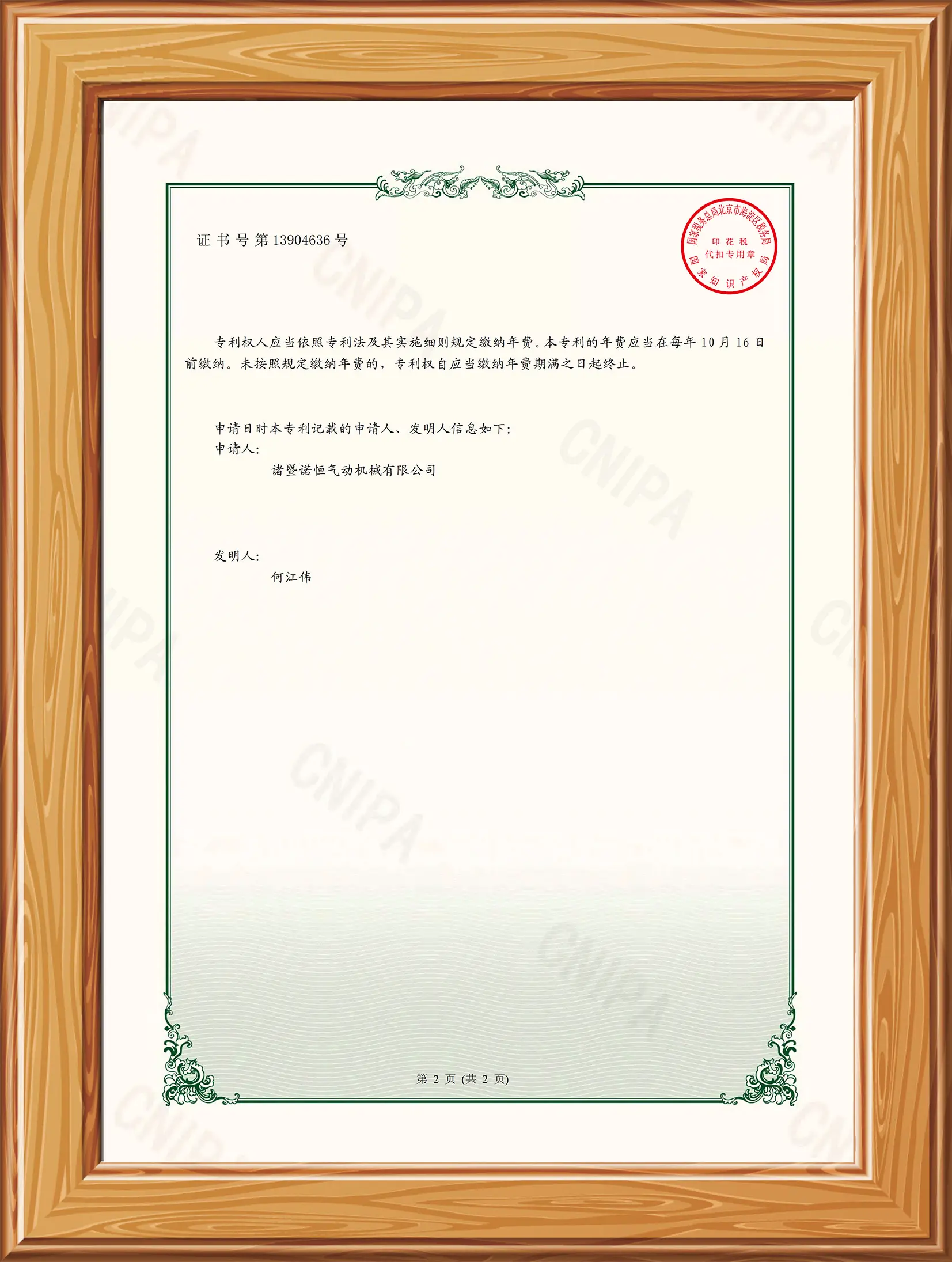
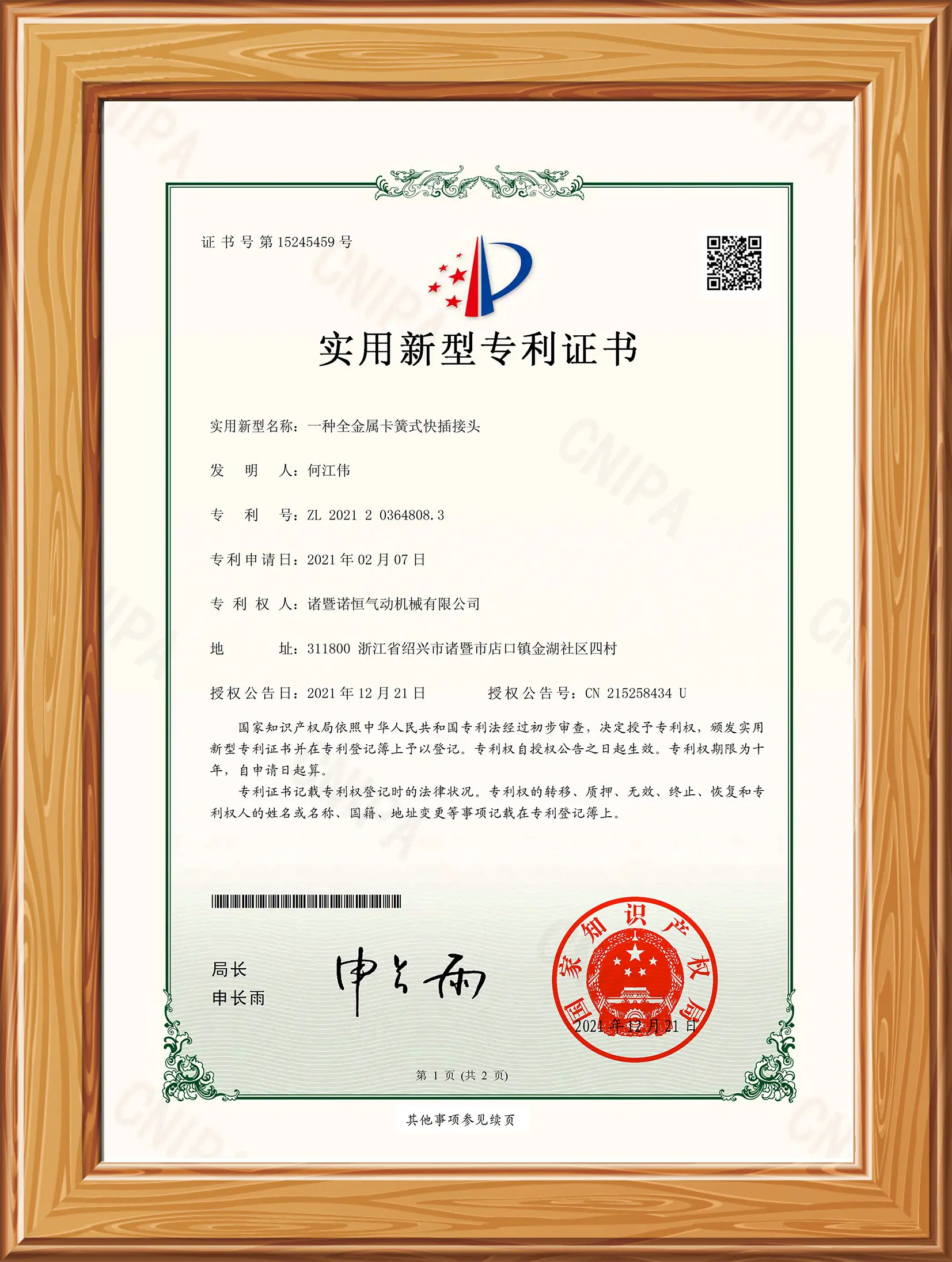
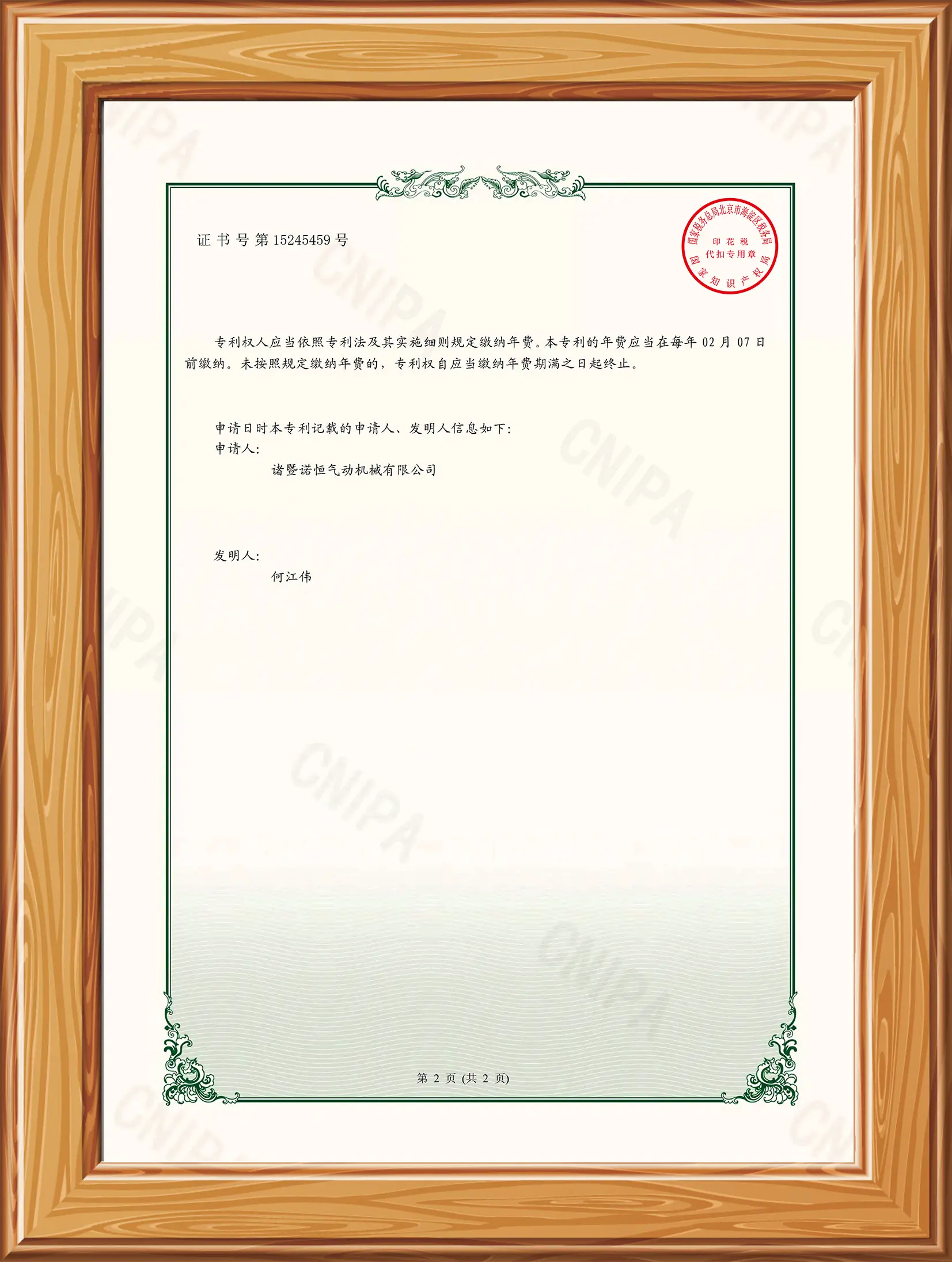
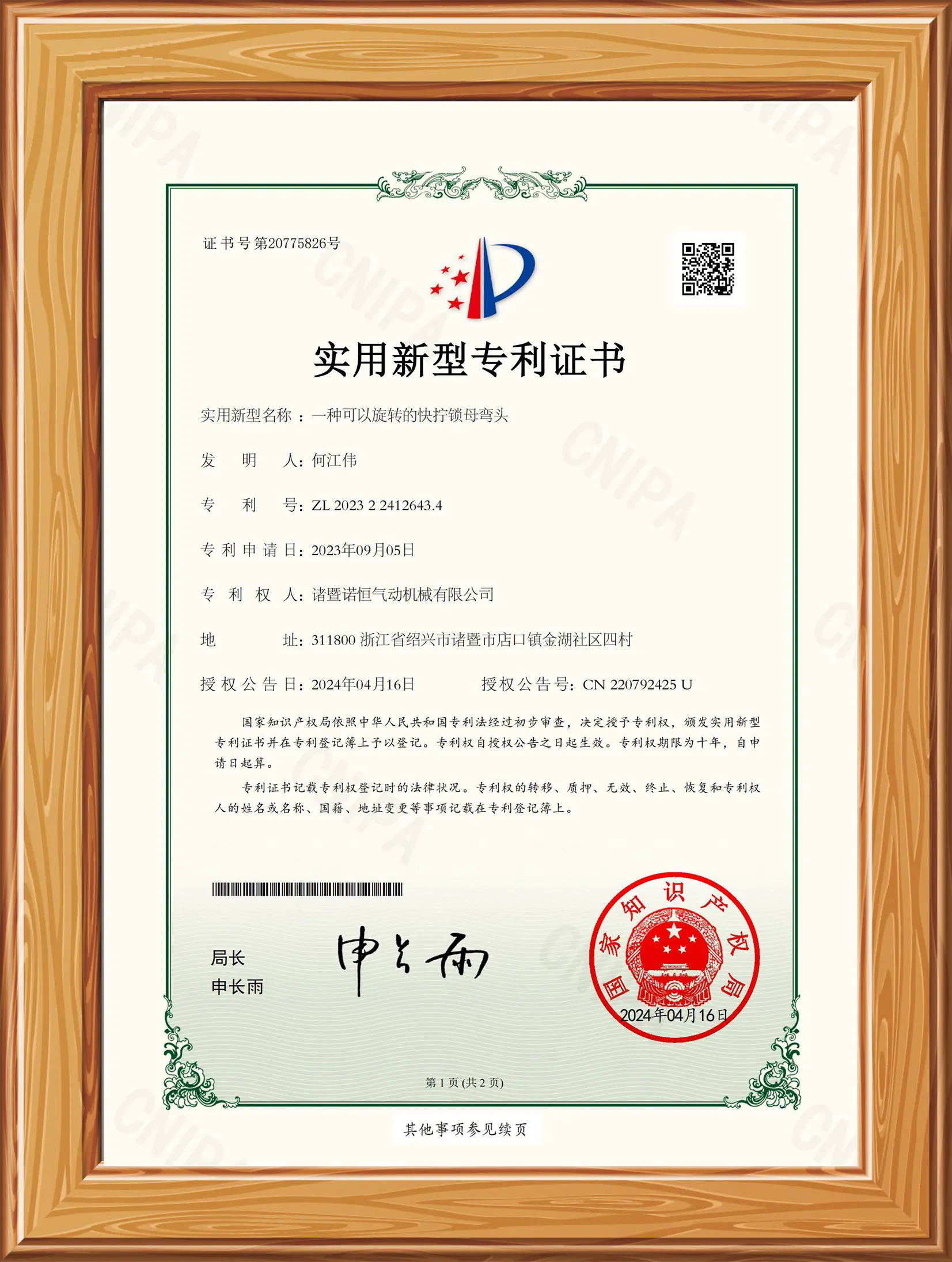
Inside the NHPC Manufacturing Plant: CNC Lathe & Injection Molding Operations
See how our push-in solutions support critical operations in Los Angeles and regional logistics networks.
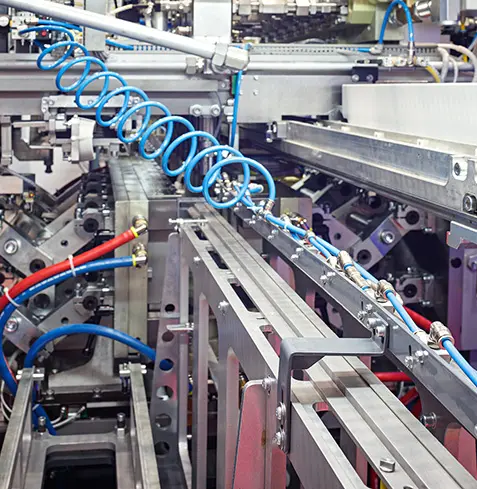
We supplied heavy-duty composite and brass push-in fittings for pneumatic sorting gates and conveyors in port-side logistics facilities, supporting continuous daily operations.
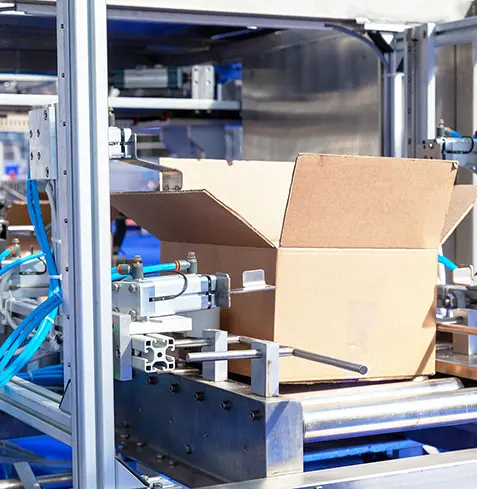
Our UL 94 V-0 flame-retardant PLF series fittings were selected for liquid cooling loops in a major utility-scale BESS grid installation near Los Angeles.
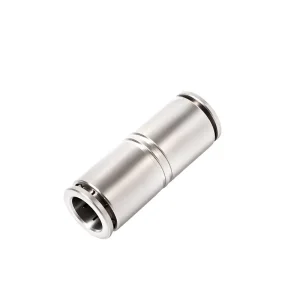
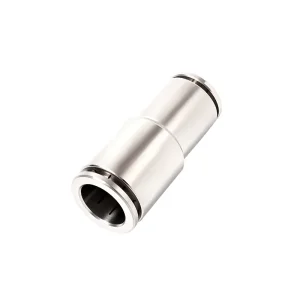
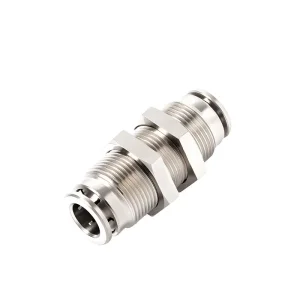
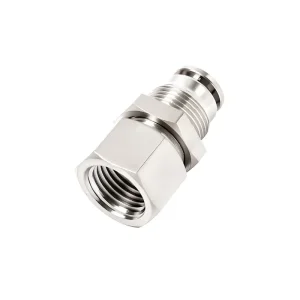
A broad range of connections designed for automated manufacturing, chemical distribution, and vehicle assembly. All links point directly to detailed product specifications.
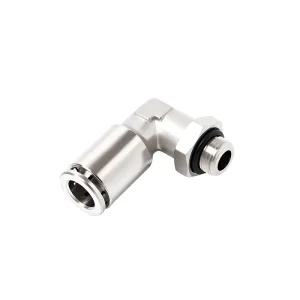
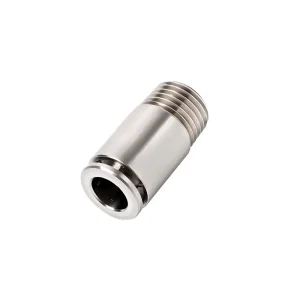
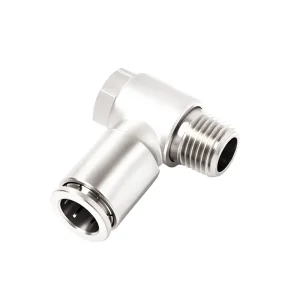
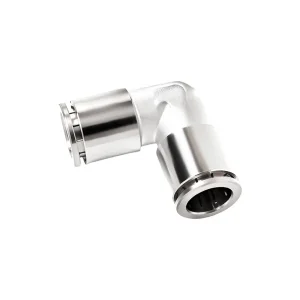
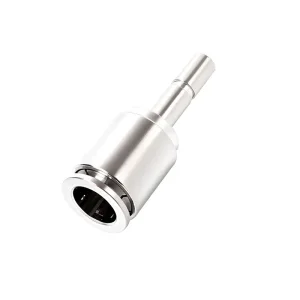
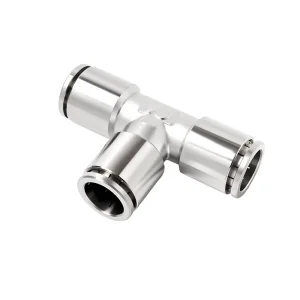
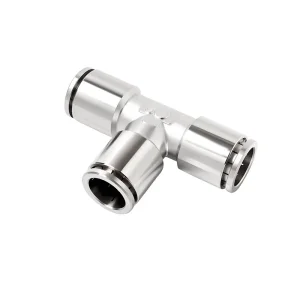
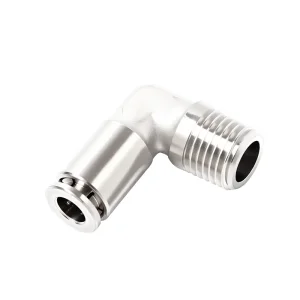
Get answers to common technical queries about push-in fitting technology, certifications, and application engineering.
For commercial transport and automotive fleets in Los Angeles, fittings must meet DOT (Department of Transportation) regulations and SAE J1131 standards. These guidelines ensure that pneumatic connections in air brake systems can handle physical stress, thermal expansion, and ozone exposure without structural failure. Our DOT-certified brass push-in fittings are specifically engineered to meet these strict requirements.
Under the UL 94 V-0 standard, plastic materials must stop burning within 10 seconds of flame contact and prevent dripping particles. For liquid cooling loops in high-capacity battery systems, using flame-retardant connectors like our PLF and PE series prevents localized thermal incidents from spreading, enhancing overall system safety.
Yes, in many automated systems, high-performance polymer composite fittings (made of PBT or POM) can replace brass. They are lighter, highly resistant to moisture, and cost-effective. However, brass remains the preferred choice for high-temperature applications, high-pressure hydraulic lines, and DOT air brake systems due to its superior mechanical strength and durability.
To establish a reliable seal, first cut the tubing perpendicularly (a 90-degree angle) using a dedicated tube cutter to avoid deformation. Remove any burrs from the cut edge. Push the tube firmly into the fitting until you feel it seat against the internal stop. Lightly pull back on the tube to confirm the stainless steel locking claws have engaged successfully.
Yes, we specialize in OEM/ODM design services. Our factory can customize dimensions, body configurations, seal materials (such as FKM for high chemical resistance), and connection threads to meet your specific system requirements. Contact our technical team with your engineering drawings or application requirements to get started.
Collaborate directly with an experienced factory partner. Get wholesale pricing, custom ODM design support, and reliable components shipped to your facility.
Send Inquiry Now Nuoheng