Immediate, high-integrity connections designed to withstand severe vibrations in aerospace tooling and marine systems.
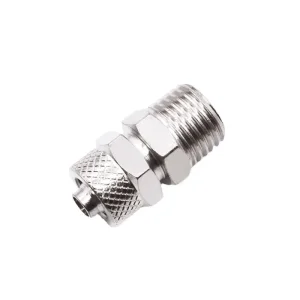
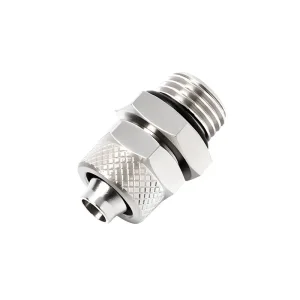
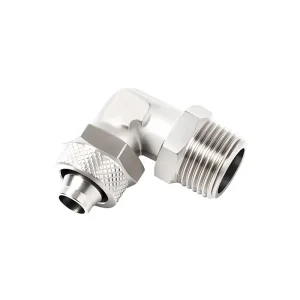
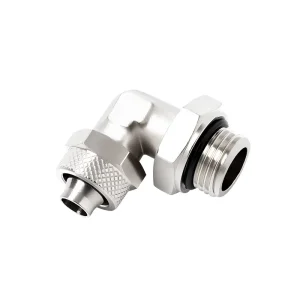
In the high-performance landscapes of the Pacific Northwest, particularly the industrial core of Seattle, Bellevue, and Everett, precision engineering is not just a standard—it is a survival mechanism. Seattle is uniquely positioned as a global convergence zone for aerospace manufacturing, advanced maritime construction, green tech developments, and rapid delivery logistics systems. In these sectors, the demand for high-integrity, zero-loss pneumatic and fluid control systems has driven push-on and push-in fittings from simple commodity hardware to mission-critical engineering components.
"The precision requirements of the Seattle aerospace corridor demand fittings that can withstand continuous operational vibrations, extreme ambient temperature variations, and aggressive media while maintaining a perfect seal."
For decades, Western Washington has been synonymous with aerospace giants and marine transportation networks. Today, the industrial landscape has diversified into green energy storage systems, advanced autonomous robotics warehouses, and clean-tech manufacturing. Pneumatic circuits drive the assembly lines, automated machinery, and transportation safety systems throughout the Puget Sound region.
Because of this, Seattle manufacturers require components that adhere to stringent domestic and international guidelines. Vibrations from tooling fixtures in commercial aircraft assembly lines demand push-on connections that prevent pull-out failure. Similarly, shipyard automation systems at the Port of Seattle face corrosive maritime atmospheres, requiring premium brass, nickel-plated surfaces, and high-strength fluoropolymers to prevent degradation and leak paths. Our customized push-on and push-to-connect line is tailor-made to integrate into these local industrial infrastructures seamlessly.
As Industry 4.0 matures, the pneumatic sector is transitioning towards intelligent diagnostic systems. The development path for NHPC fittings focuses on the integration of sensory arrays within high-pressure junctions, yielding 'smart connectors' capable of indicating seal health, localized pressure changes, and temperature spikes in real-time. This technological evolution aims to eradicate unscheduled maintenance events in automated lines.
Furthermore, material innovation remains a primary focus. We are introducing sustainable, low-carbon brass refining techniques and implementing advanced fluorinated synthetic compounds that double the lifetime of O-ring elements. These innovations support modern corporate ESG (Environmental, Social, and Governance) policies, helping clean energy and electric transport industries achieve zero-leak operations and highly efficient air delivery.
The applicability of NHPC's product portfolio spans crucial macro industries:
Under the principles of E-E-A-T (Experience, Expertise, Authoritativeness, and Trustworthiness), NHPC provides comprehensive engineering backing to Seattle's procurement teams.
Our engineers provide functional system-level layout optimization, reducing pressure drop across production circuits by up to 15% through smart path modeling.
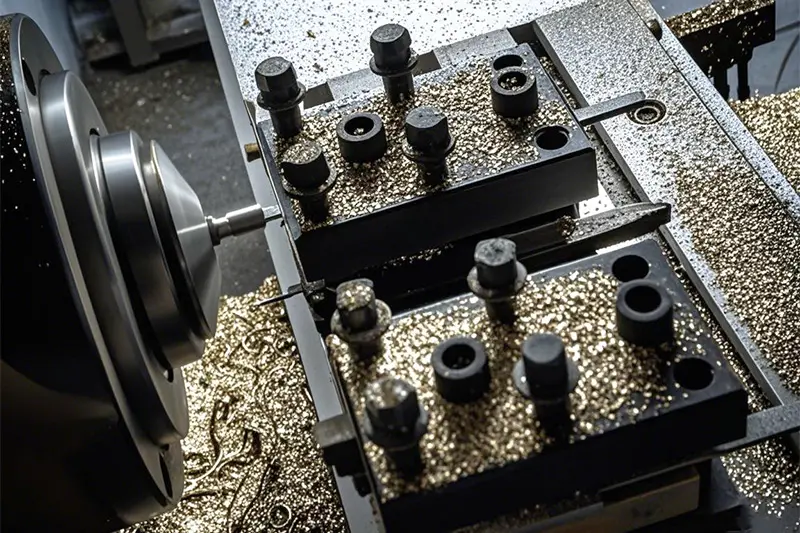
Employing computer-guided multi-spindle automatic lathes, we guarantee thread and body tolerances down to the sub-micron scale, ensuring fluid tightness.
Seattle technical engineering requests receive prompt feedback within 12 hours. We bridge time zones to ensure seamless installation and system tuning.
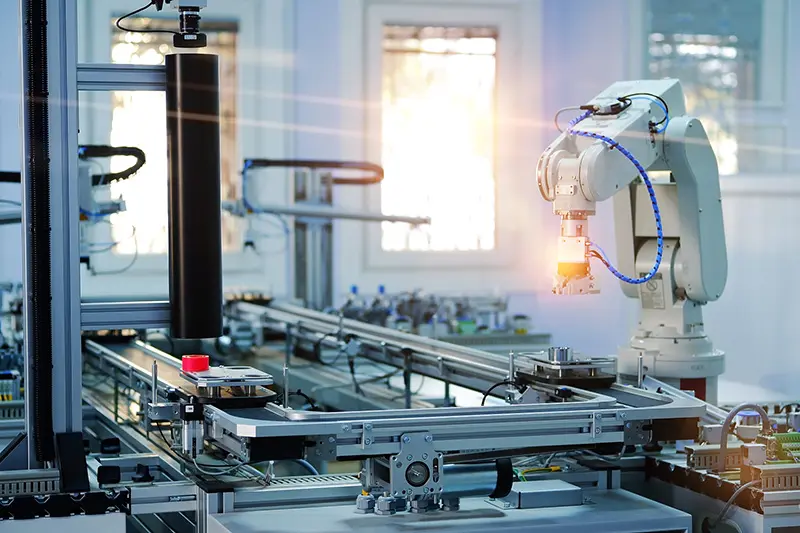
In a volatile global market, maintaining raw material availability, shipping schedules, and cost stability is a constant struggle. NHPC leverages its state-of-the-art Chinese manufacturing facilities to give Seattle-based procurement networks a massive supply chain edge. By integrating automation, real-time quality scanning, and centralized logistics, we neutralize supply bottlenecks and provide stable wholesale pricing models.
Automated optical inspection systems scan every single connector profile, discarding parts with microscopic surface defects to prevent seal failure.
Robotic assembly cells consistently fit the release sleeves, lock claws, and internal seals, ensuring uniform insertion force across millions of units.
Direct corporate agreements with elite brass mills and structural resin producers insulate our supply chains from global material cost volatility.
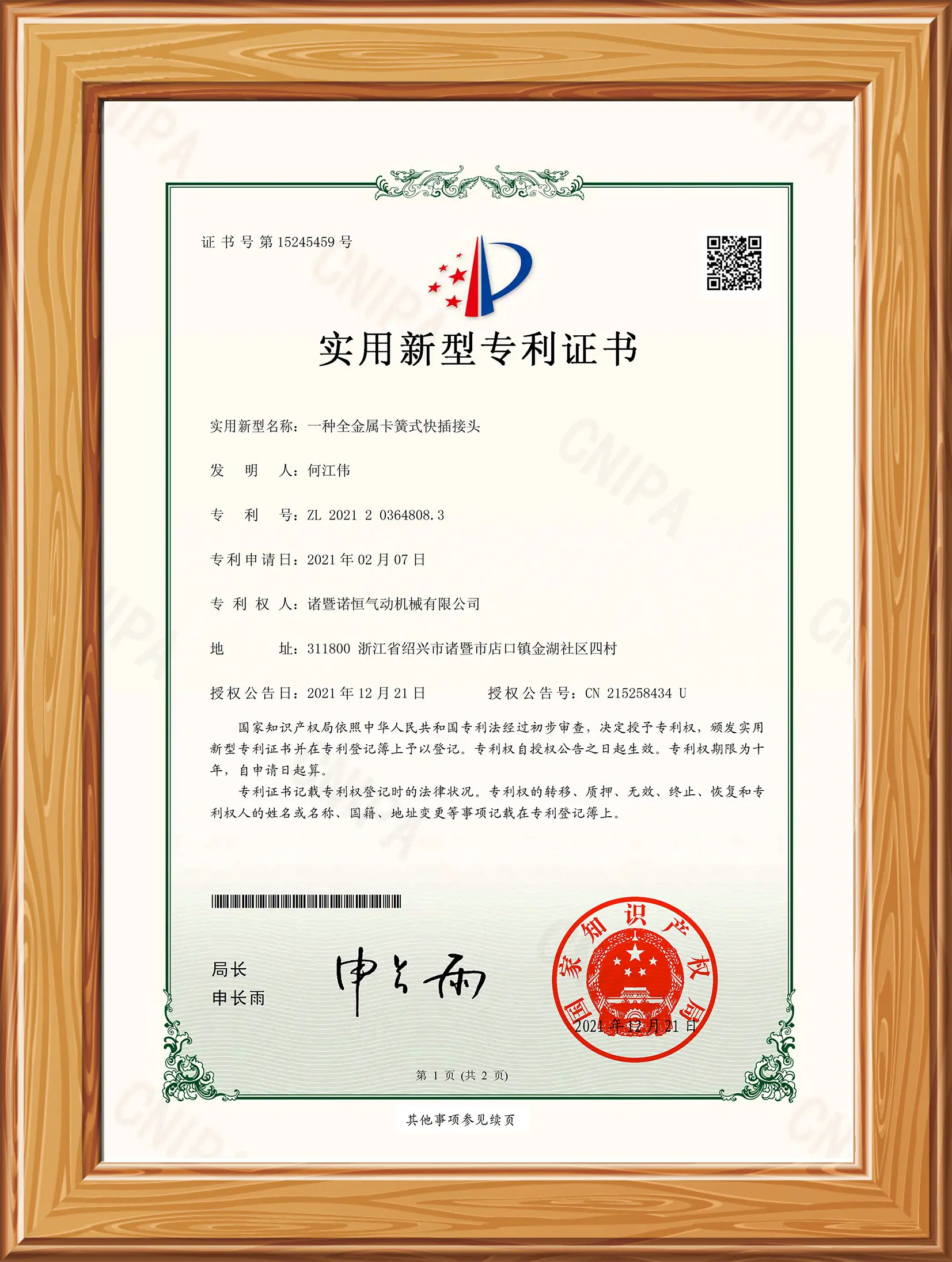
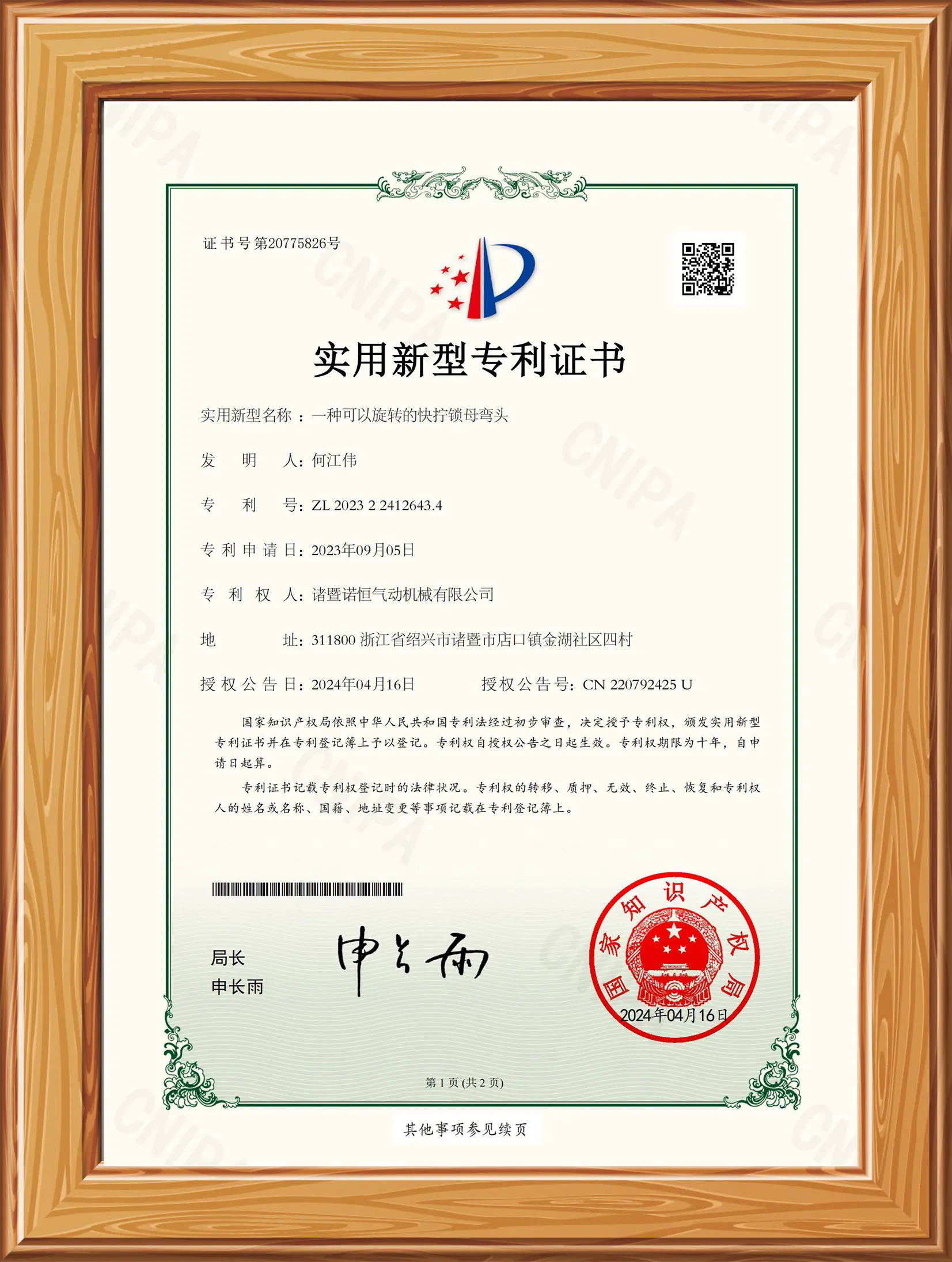
Operating a distribution channel in Seattle requires strict adherence to localized and national standards. For mobile pneumatic brake circuits, fittings must meet DOT (Department of Transportation) safety guidelines. For facility pipelines, alignment with ASME standards is required. NHPC ensures all specialized vehicle connectors carry proper DOT branding and certifications. By working with top US distributors, we offer localized stocks and fast delivery options, bypassing traditional import delays.


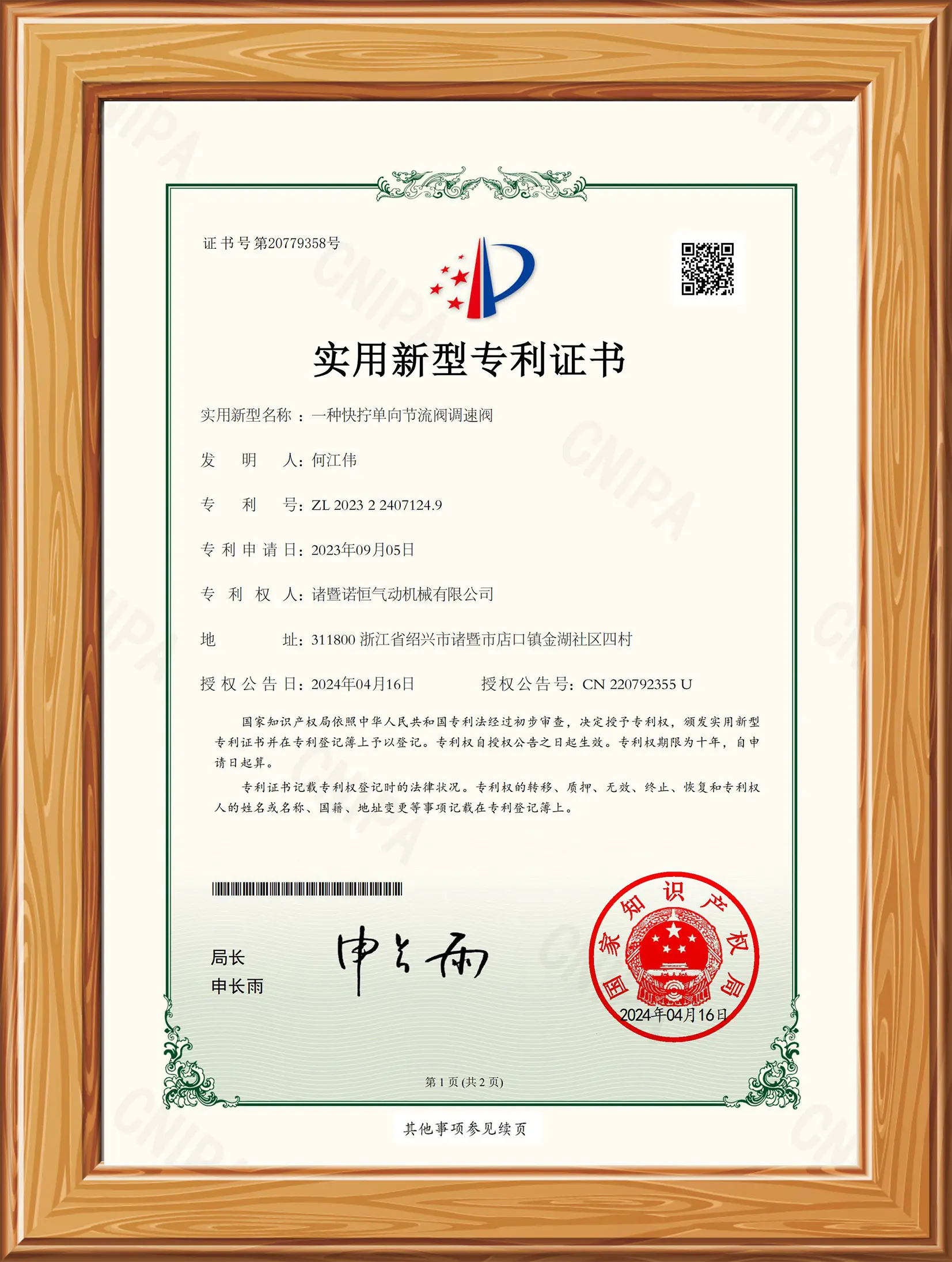
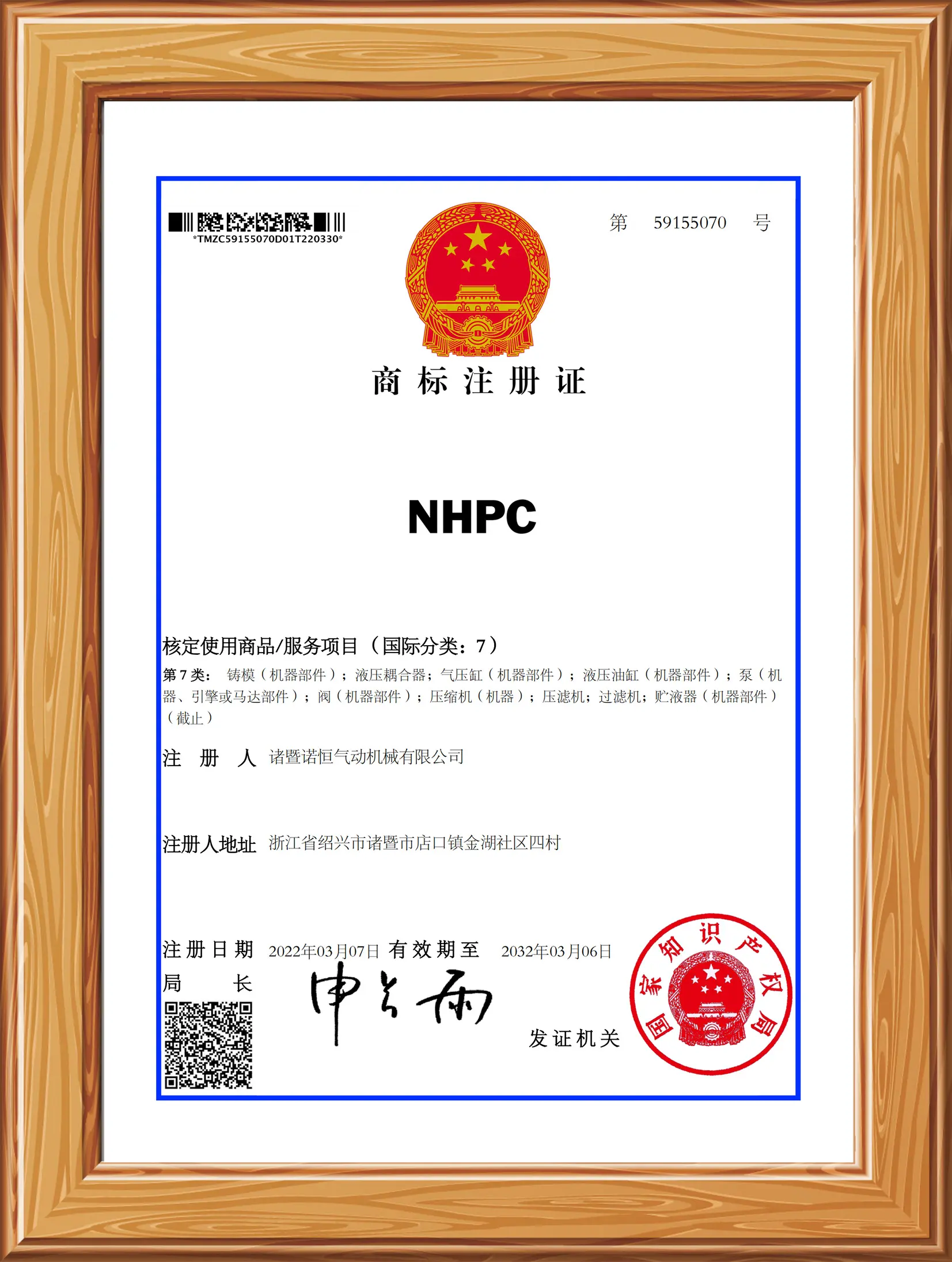
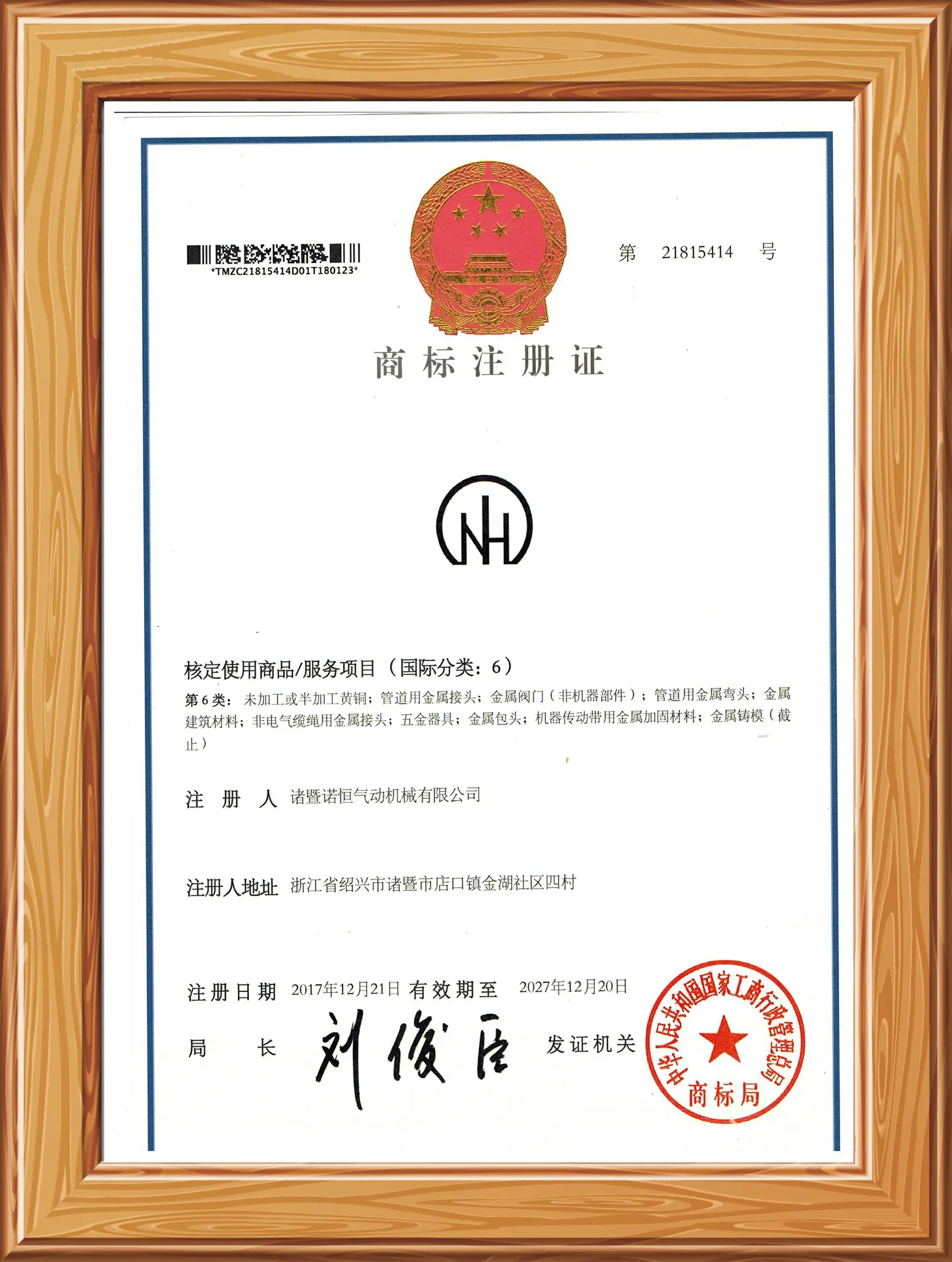
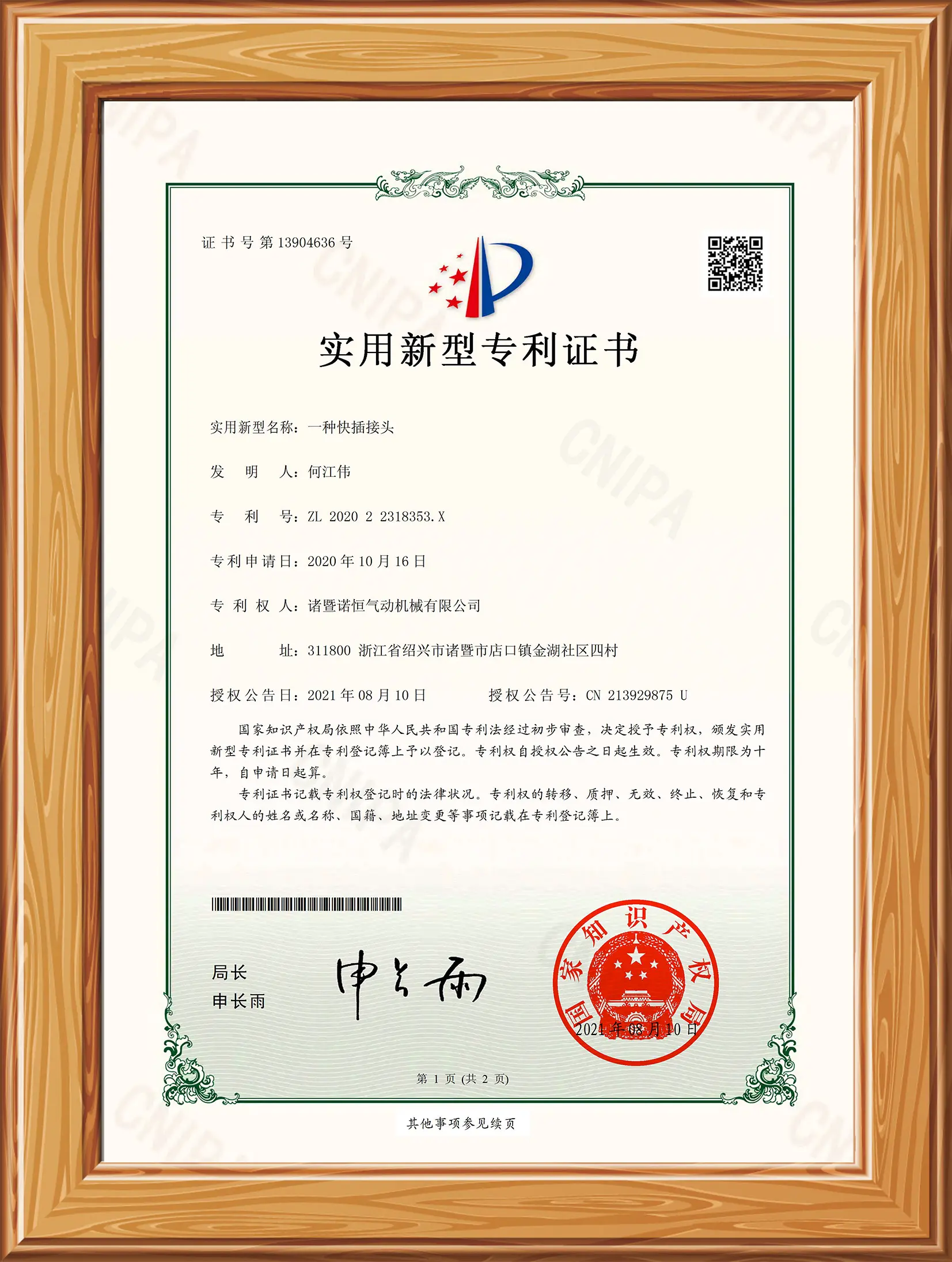
From initial circuit diagnostics to automated high-volume production, NHPC manages your pipeline architecture.
Real-world integration of NHPC fluid components across regional infrastructure projects.
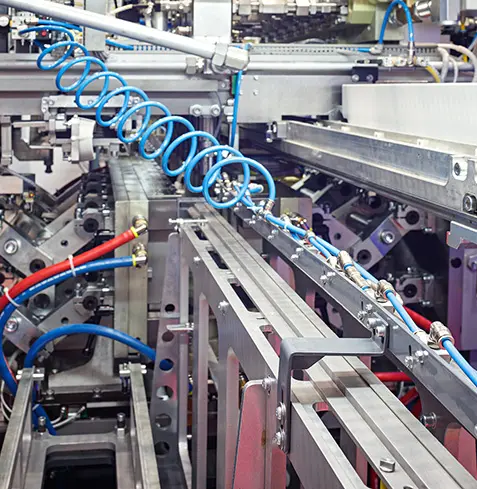
Fitted rotatable elbow push-ons to reduce pneumatic system space requirements by 30% in robotic assembly cells.
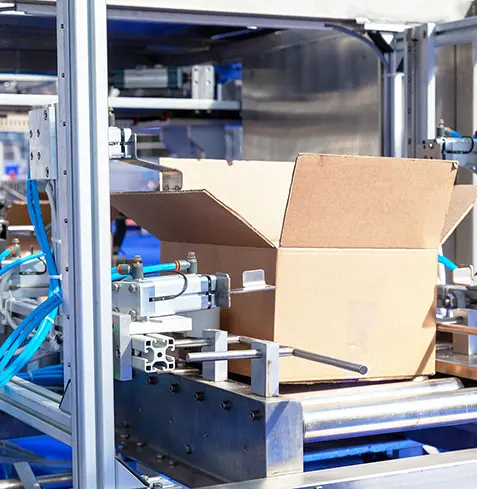
Corrosion-proof nickel-plated brass connectors installed for long-term ocean water exposure resilience.
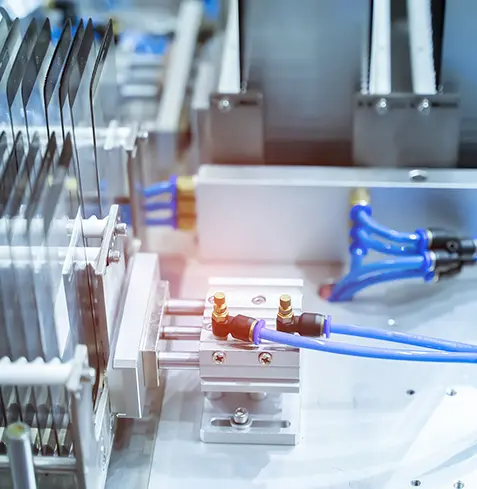
Flame-retardant PE connectors protecting battery storage banks, meeting strict safety guidelines.
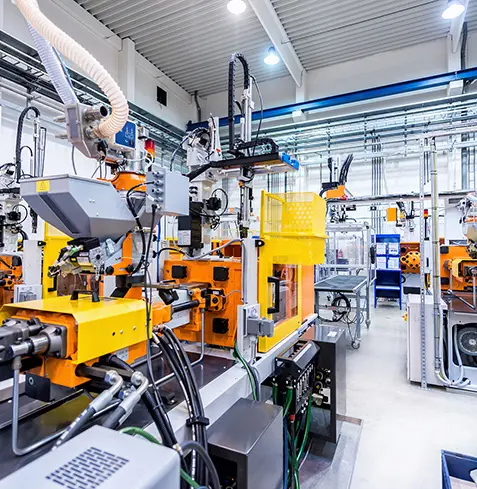
High-speed sorting lines outfitted with durable push-in fittings to handle continuous fast cycle demands.
Select from our core inventory of high-performance components, including energy storage safety series and rotatable layouts.
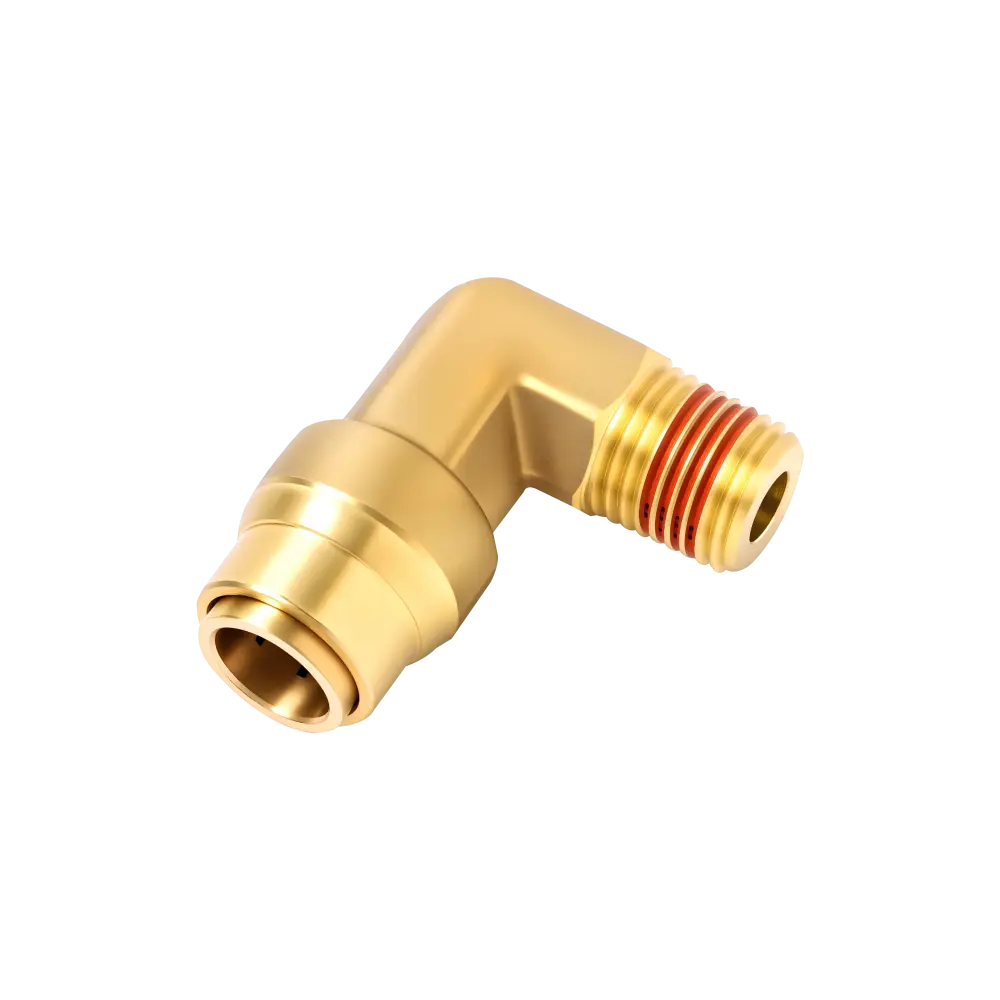
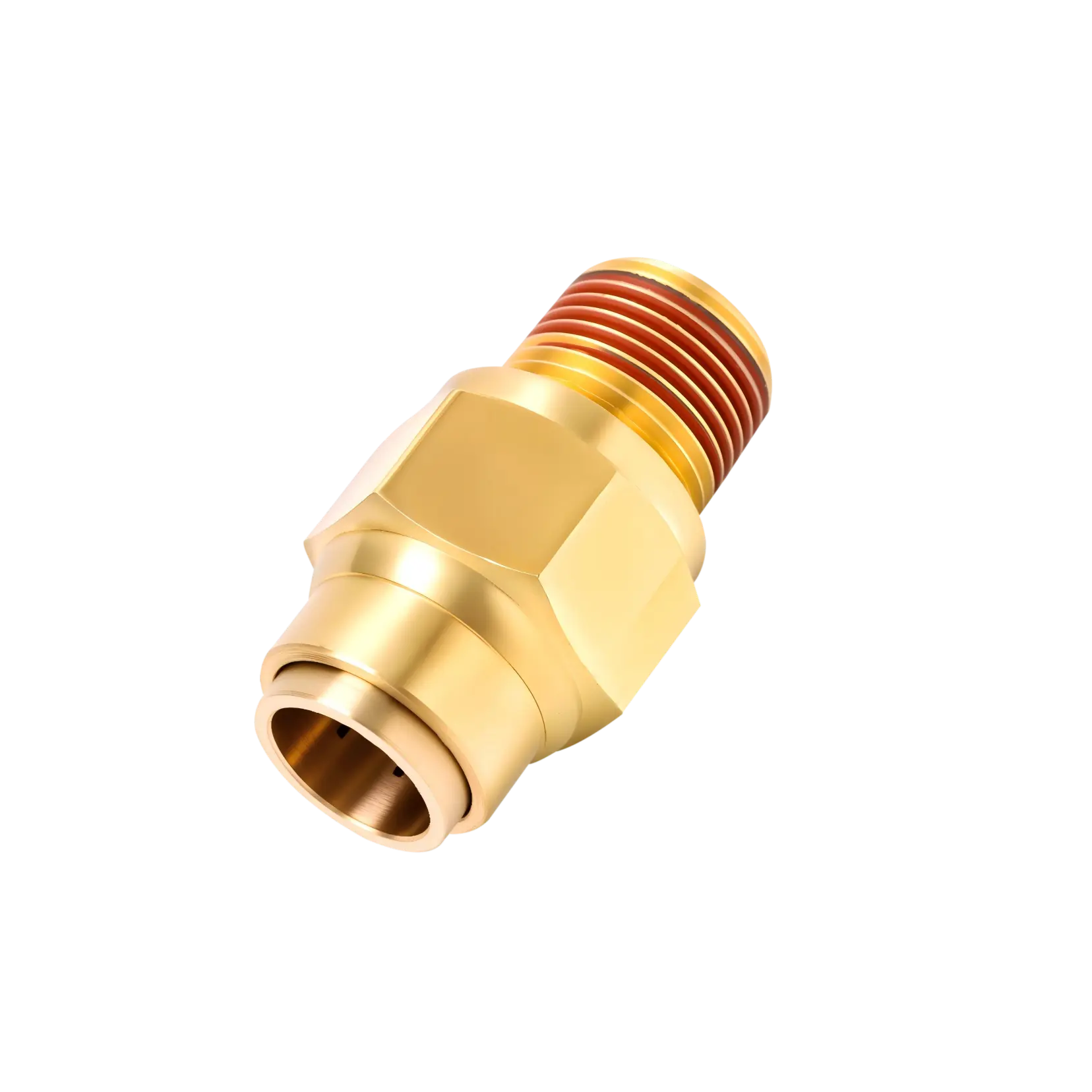
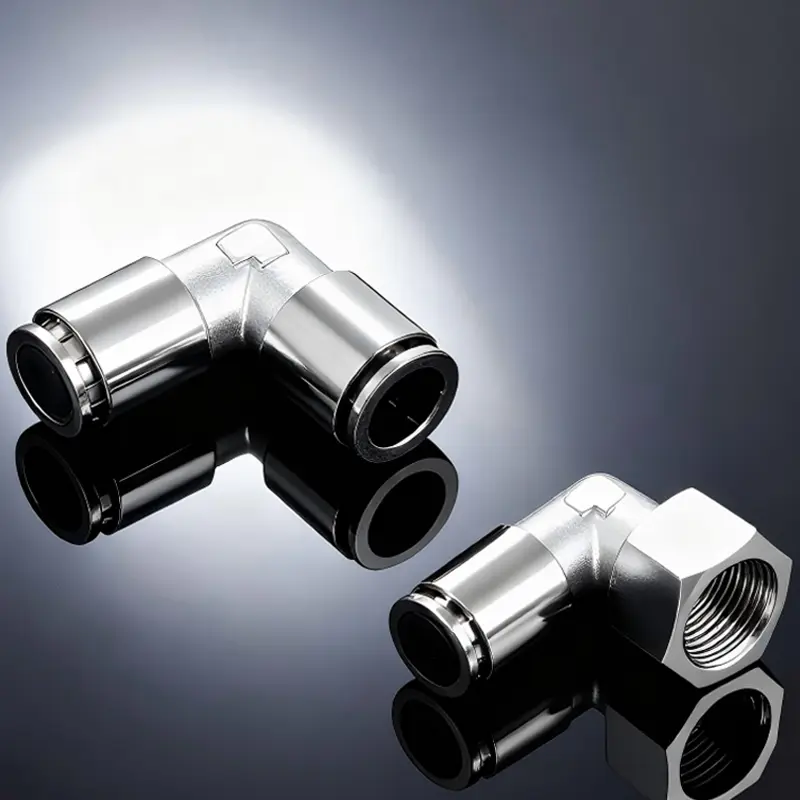
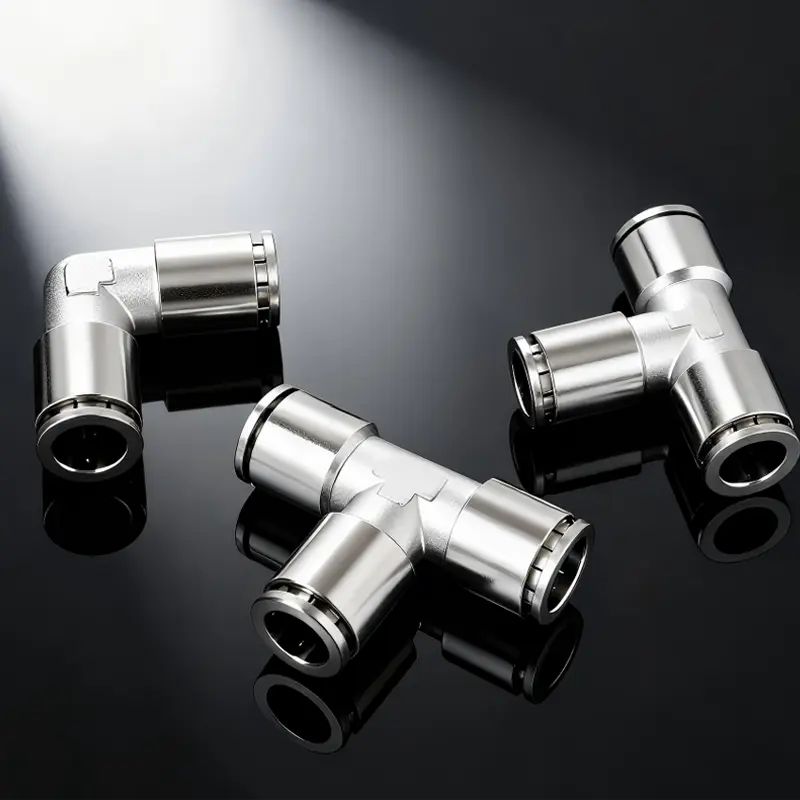
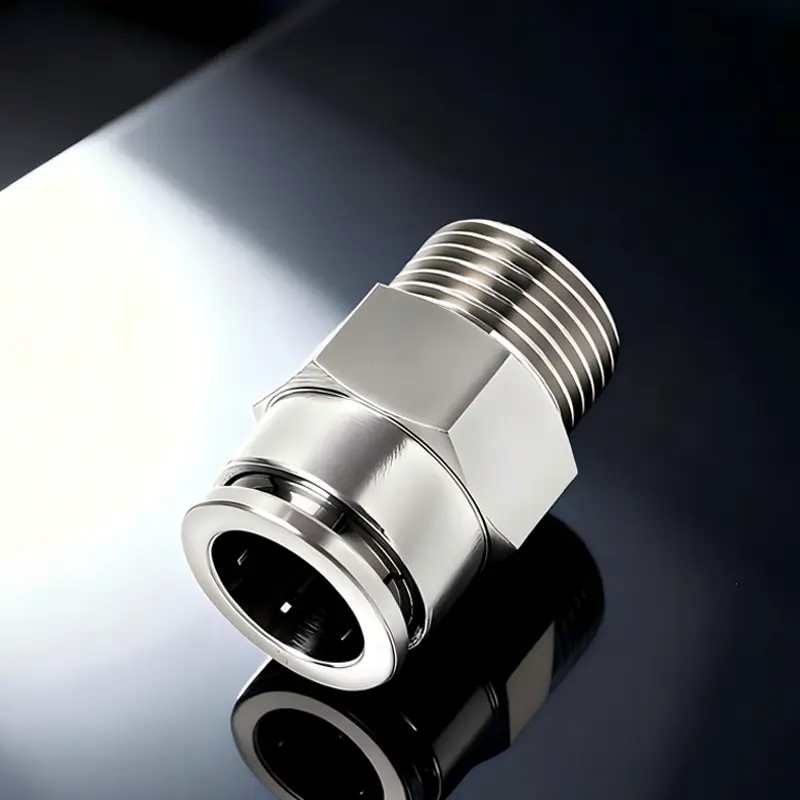
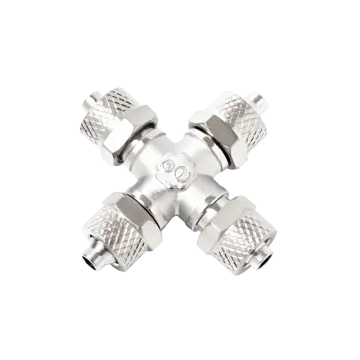
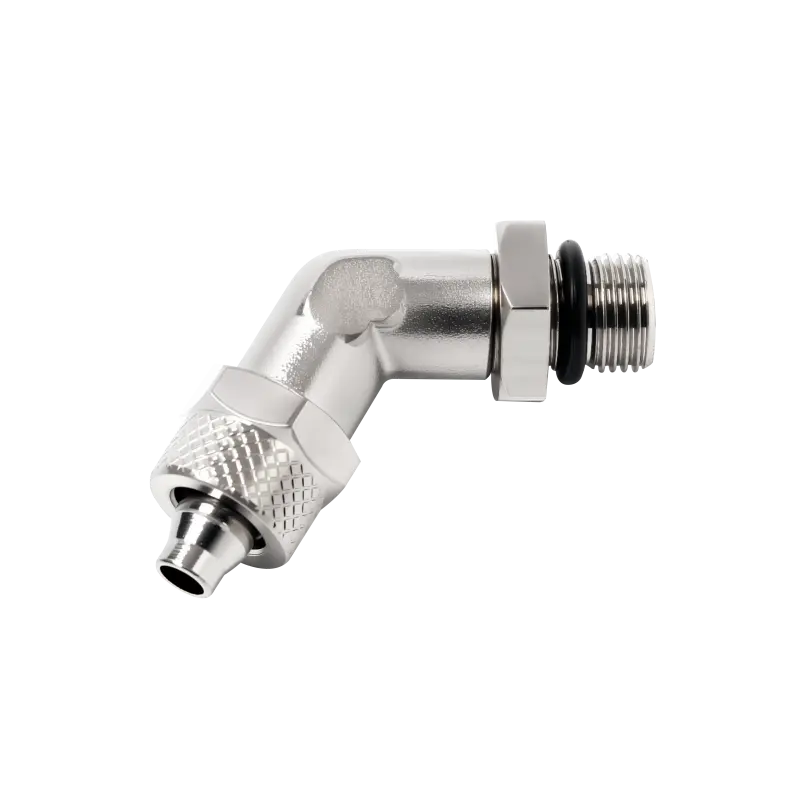
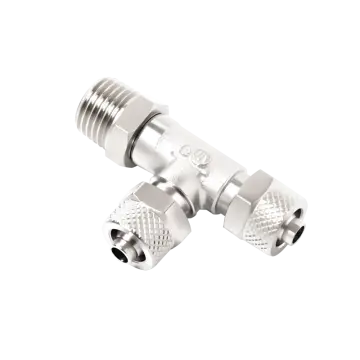
Alternative shapes and sizing configurations designed to optimize space inside compact machinery.
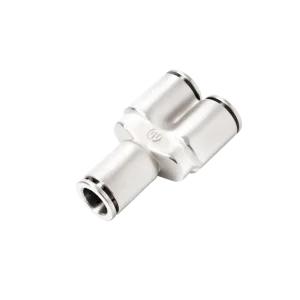
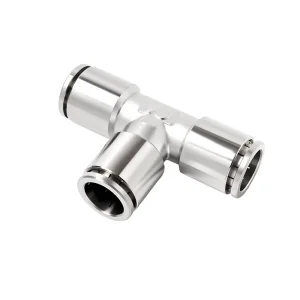
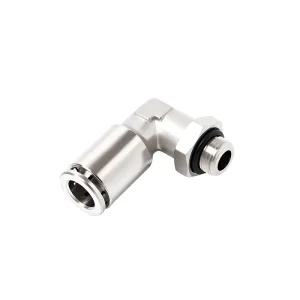
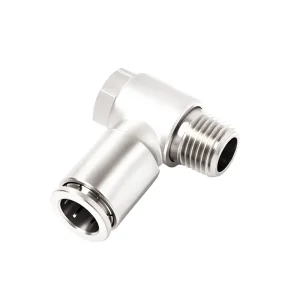
Technical guidance for system designers, purchasing agents, and maintenance engineers.
A: Push-on fittings rely on a barbed end where the tubing is manually pushed over the barb and then locked securely using a nut or compression sleeve. This design provides maximum safety in high-vibration applications like aerospace tooling, preventing sudden tube slip. Standard push-to-connect (push-in) fittings utilize an internal gripping collet or claw, allowing instant tube insertion without tools, which is ideal for quick maintenance and high-density, automated pneumatic control panels.
A: In compact machine layouts, routing hoses around structural components can create severe kinking. A 360-degree rotatable elbow fitting allows the body of the connector to orient independently from the threaded base during installation. G-threads (parallel threads) utilize an O-ring or flat washer to establish a leak-free seal without thread sealant, reducing assembly times and preventing system contamination.
A: The PLF, PE, and PC energy storage series are built using high-performance, flame-resistant polymers that meet UL94 V-0 flame-retardant standards. This ensures the fittings do not propagate combustion or fail structurally when exposed to thermal runaway conditions in EV battery compartments or utility-scale grid batteries, keeping cooling and fire suppression pathways functional when they are needed most.
A: Yes, our brass air brake connectors meet DOT FMVSS 106 requirements for commercial trucks and industrial vehicles. Every safety-critical component is designed to handle pressure cycles up to 150 PSI, operating reliably across a wide temperature range from -40°F to +200°F (-40°C to +93°C).
A: Our connectors are fully compatible with polyurethane (PU), nylon, polyethylene (PE), and fluoropolymer (PTFE/PFA) tubing. When selecting tubing, ensure the outer diameter (OD) tolerance is tightly controlled to prevent seal bypass, especially in high-pressure or vacuum configurations.
A: We offer a complete design-to-delivery pipeline. Seattle engineers can share their functional specifications, operating pressures, and dimensional limits. Our engineering team will then design custom 3D CAD files, run flow simulations, machine rapid prototypes, and begin mass production at our highly automated Factory 4.0 plant.
 Nuoheng