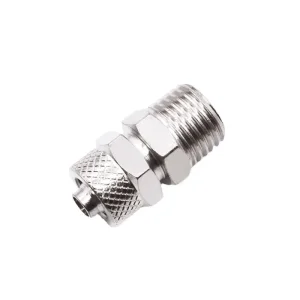
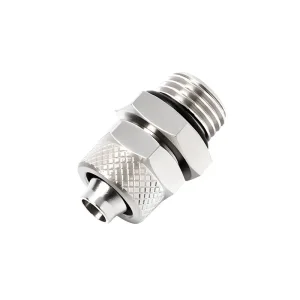
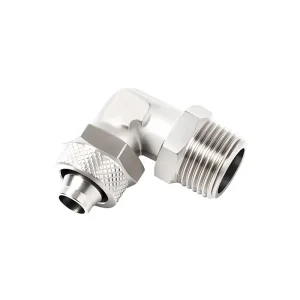
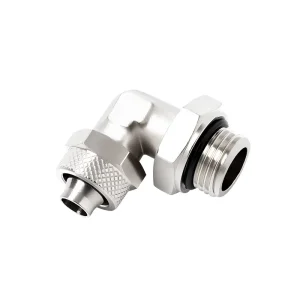
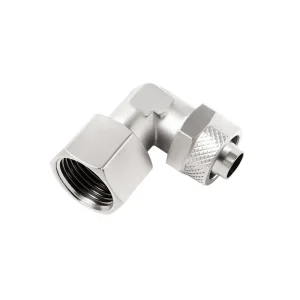
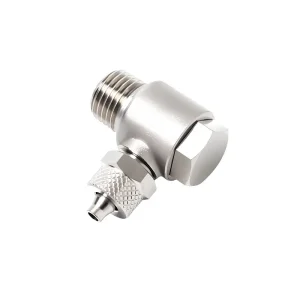
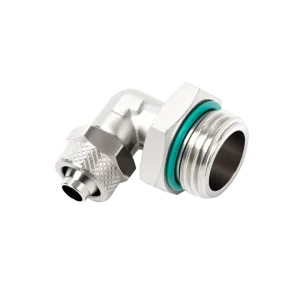
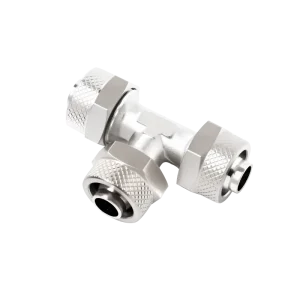
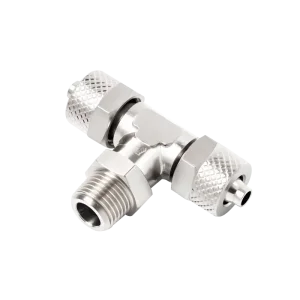
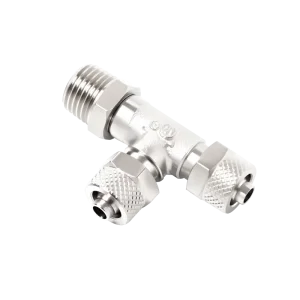
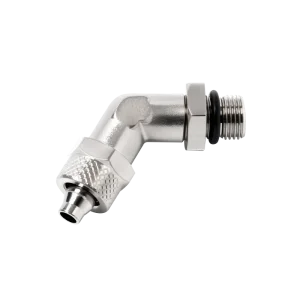
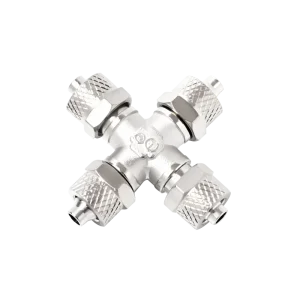
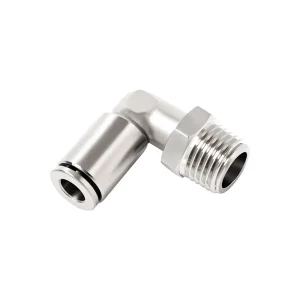
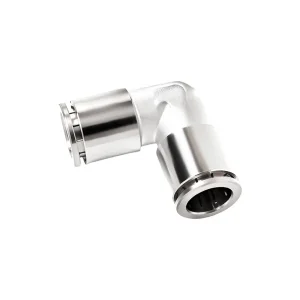
Engineered to meet European industrial tolerances and DIN/ISO standards. These premium configurations provide low-insertion force, quick-connect convenience, and robust pressure holding.
Austria represents one of the most advanced industrial frameworks in Western Europe. Anchored by heavy engineering, automotive component manufacturing, steel production (particularly in Linz and Styria), and precision mechanics, the country requires highly standardized and ultra-reliable automation elements. The integration of Industry 4.0 requires components that optimize machine uptime, ensure zero-leak operations, and withstand severe chemical and physical environments.
Pneumatic systems remain the lifeblood of automated processes throughout Austria. Whether in the automated assembly lines of Graz, the semiconductor fabrication sites in Villach, or wood processing facilities across Upper Austria, the requirement for dependable connection systems is absolute. Push On fittings, also frequently designated as quick-connect or push-in fittings, have transitioned from auxiliary items to key system architectural components. As Austrian production companies transition toward smarter plants, these components must handle not only compressed air but also dynamic cooling agents, inert gases, and chemical fluids.
In Austria, the industrial safety guidelines set by TÜV Austria and strict European Union standards demand certified raw materials and traceabilities. Manufacturers must provide fittings that satisfy high criteria in corrosion prevention, temperature thresholds, and chemical resistances. The integration of European thread configurations, such as metric and parallel G-threads, with precise sealing rings has become standard practice.
"Austria's engineering sector operates on the principles of extreme reliability and structural endurance. When manufacturing equipment handles cycles in the millions, a failure in a simple €1 fitting can result in thousands of Euros in idle costs. Choosing the correct supplier requires evaluating both geometry and structural metallurgy."
In the global pneumatic procurement framework, purchasing managers face the constant challenge of optimizing material budgets while maintaining high engineering quality. The international trade landscape shows a clear division: European manufacturers provide custom niche engineering, while high-capacity Chinese factories deliver scale, tooling innovation, and raw material integration.
At Nuoheng Pneumatic Machinery (NHPC), we close this gap by using advanced production technologies to support European clients. Chinese factory efficiency is no longer simply about low labor costs; it is driven by technology integration, raw material availability, and supply chain speed:
Years of Pneumatic Experience
Technical Engineering Staff
Annual New Product Designs
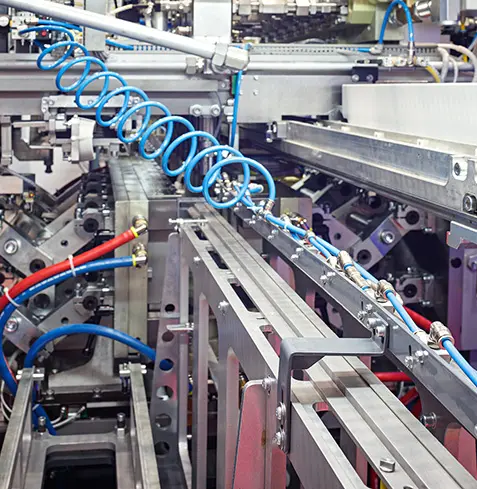
How NHPC pneumatic assemblies are applied across industrial engineering projects in Austrian automotive, robotics, and energy infrastructure.
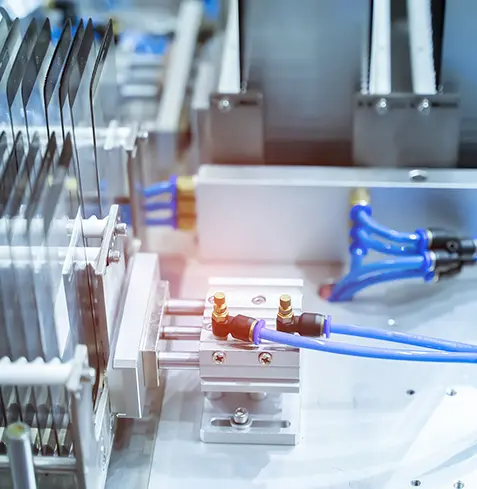
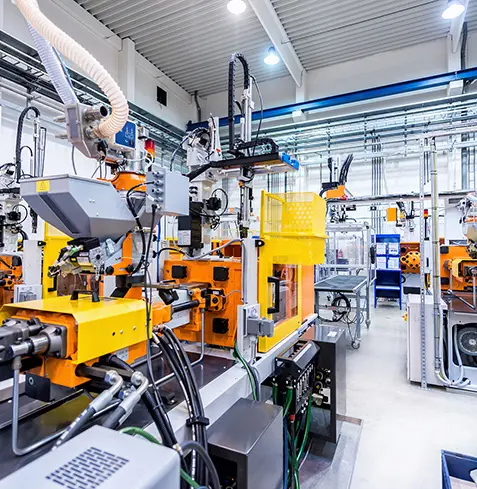
Established over 15 years ago, Nuoheng Pneumatic Machinery (NHPC) has built its operations on precision engineering, quality management, and client-focused design service. Our team is dedicated to designing, developing, and manufacturing high-performance pneumatic fittings, valves, couplers, and specialized hoses.
We deploy a strict manufacturing protocol. Every batch of raw brass, nickel-plated composite, or fluoroelastomer seal undergoes comprehensive material testing before production. Our CNC machining lines utilize real-time dimensional screening to prevent variances. For Austrian and European customers, we ensure compatibility with DIN, BSPP, BSPT, and ISO standard configurations.
Our manufacturing catalog includes flame-resistant pipe fittings designed specifically for modern energy storage fire protection. This capability makes NHPC an engineering partner for clean technology and next-generation power infrastructure projects.
Engineered to withstand vibration and dynamic loads in industrial robotic welding, assembly lines, and high-cycle mechanical grippers across Europe.
UL94-V0 rated flame-retardant connectors for battery cooling loops and safety installations in green utility infrastructures.
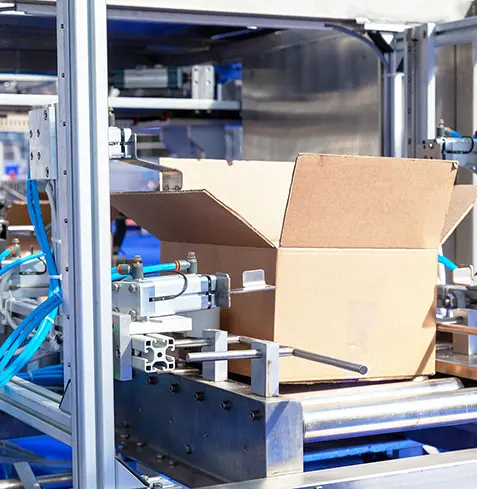
Standardized G-thread fittings that integrate directly into baggage systems, automated warehouses, and material handling systems globally.
The global automation market is experiencing a shift toward lightweight, chemically resistant materials and high-integrity connection systems. Procurement teams looking for fittings to integrate into Austrian machinery must evaluate these factors:
Explore our complete catalog of industrial connections, optimized for direct integration into machinery across Austria.
 Nuoheng