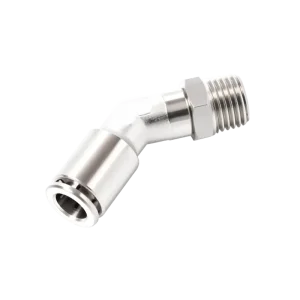
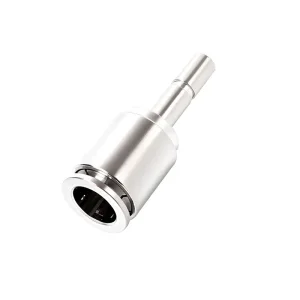
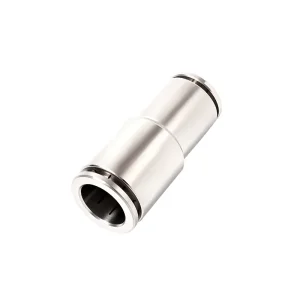
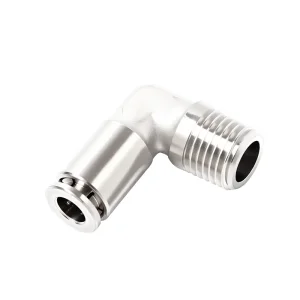
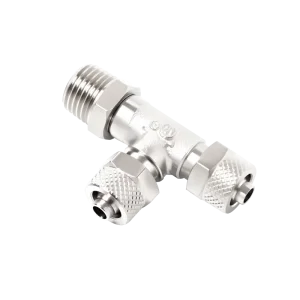
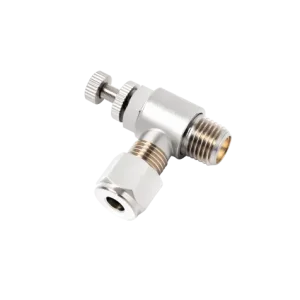
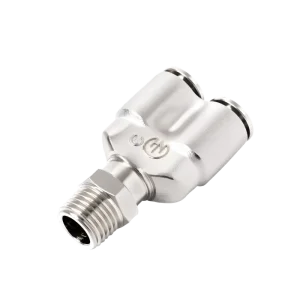
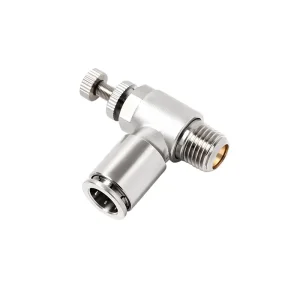
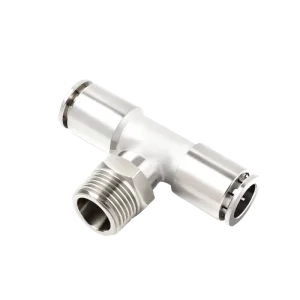
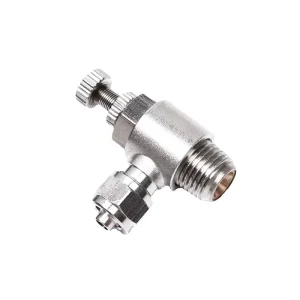
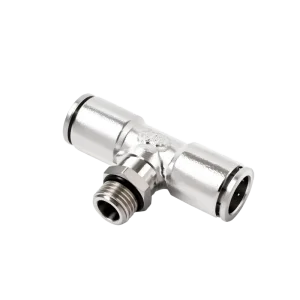
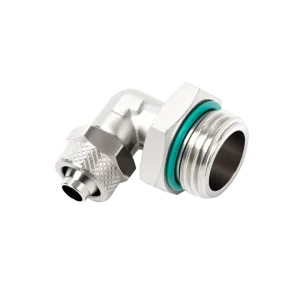
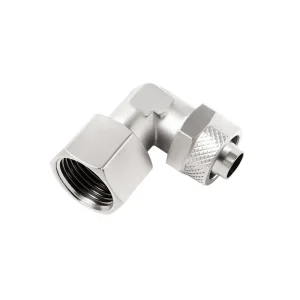
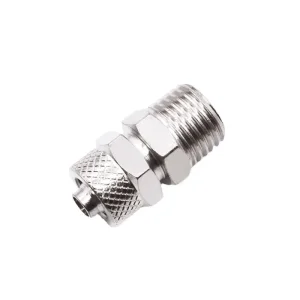
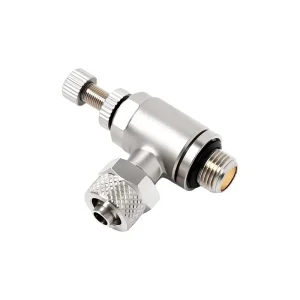
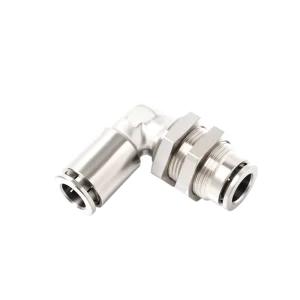
Explore our highly-engineered fluid transfer and pneumatic components utilized in heavy-duty automated installations.
Industrial manufacturing ecosystems require absolute precision in fluid dynamics, pressure preservation, and leakage containment. Camlock fittings (also known as cam and groove couplings) and pneumatic push-in/push-on connectors act as critical nodes across vast chemical processing systems, air brake networks, factory automations, and modern clean energy plants. Today, as environmental safety standards tighten worldwide, global procurement teams are shifting away from traditional low-grade couplings toward high-integrity steel camlock fittings. This transition is motivated by a universal need for corrosion-resistant, high-temperature, and ultra-high-pressure interfaces that prevent volatile compound emissions and catastrophic system downtime.
"Information Gain Perspective: Traditional manufacturers view fittings as commodity hardware. Real-world engineering proves that quick-coupling selection dictates the efficiency, integrity, and safety index of the entire compressed air or fluid conduction line."
Procuring raw pneumatic connections from China has historically focused on cost efficiency. However, modern global companies—ranging from European chemical processors to North American automotive assemblies—look deeper into technical compliance, metallurgical purity, and supply chain scalability. Global enterprise requirements include:
Welcome to NHPC, a premier manufacturing force in the pneumatic and mechanical fittings industry. Our history spans over 15 years (with over 20 years of combined core pneumatic experience). NHPC was founded with a clear directive: to engineer high-durability fittings that bridge the gap between safety standards and price competitiveness. Headquartered in Zhuji, China, we operate state-of-the-art production floors utilizing advanced CNC machinery, custom injection molding, stamping, and automated assembly stations.
Today, NHPC manufactures everything from basic push-to-connect adapters to intricate multi-axis rotational elbows, flame-resistant fire-safety connectors, and heavy-duty steel couplings. We control the complete lifecycle of our products, from raw metal analysis to final tolerance checking, ensuring that our products serve critical infrastructure sectors globally.
How NHPC engineers specialized system pipelines for challenging environments.
Our engineers provide complete layout analysis for industrial compressed air loops and fluid transport lines. We design systems to reduce pressure drops and eliminate dead-legs, minimizing fluid shear and power loss.
We operate modern CNC lathes, micro-injection molding machines, precision stamping, and die-casting machinery. By controlling tolerances under 0.02mm, we prevent alignment mismatching and leak points in the field.
From initial design matching to shipping logistics, we support your engineering teams. Our support includes technical CAD sharing, material test certifications, and custom geometry adaptations.
Specialty connections designed for high fire protection standards and commercial vehicle air line systems.
Modern plant automation utilizes pneumatic circuits to move heavy cylinders, position high-speed robotic grippers, and regulate industrial fluid paths. Selecting the proper connector material is the first step in engineering these networks. While polymers are lightweight and cost-effective, they are prone to mechanical fatigue, chemical degradation, and thermal failure when exposed to industrial environments. This is why engineers specify steel camlocks and metallic push-in unions.
A reliable connection depends on thread geometry and metallurgical characteristics. Global pipelines rely on standardized thread standards to prevent mismatches:
NHPC provides precision-machined options across all these configurations, utilizing automated thread checkers to guarantee international compatibility.
The rise of high-capacity Battery Energy Storage Systems (BESS) and electric vehicle (EV) charging stations has changed the requirements for liquid cooling loops. If a standard fitting leaks or fails near high-voltage electronics, it can lead to short circuits and thermal runaway. Consequently, the industry now demands flame-retardant connectors. NHPC has designed a proprietary line of flame-resistant and flame-retardant couplings (such as the PLF, PE, and PC series) that hold high UL-94 rating parameters. These fittings seal the glycol/water cooling lines while resisting flame propagation in extreme heat events.
A look at where Nuoheng Pneumatic systems and fittings are installed globally.
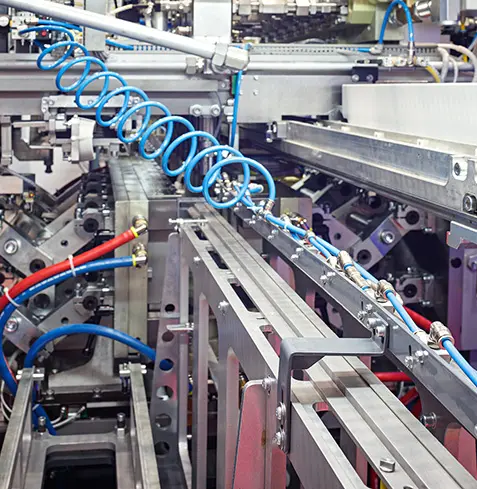
Our quick-connect fittings and pneumatic throttles are integrated into automated pick-and-place systems, ensuring consistent response speeds and structural durability across millions of cycles.
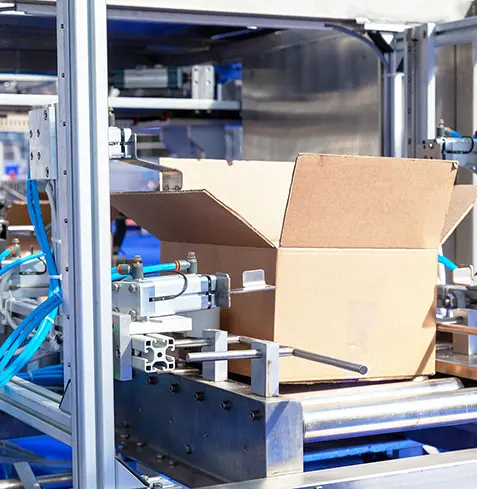
NHPC steel camlock connections are deployed in environments demanding acid and alkali resistance. Our double-latch locking systems protect operators from hazardous contact.
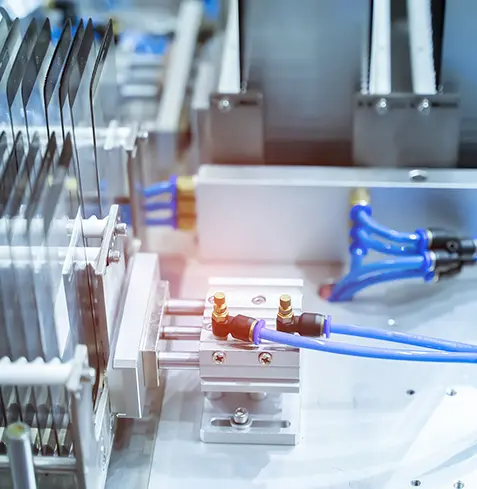
Installed in pneumatic braking systems of commercial trucks and rail transit, NHPC DOT air brake fittings maintain airtight seals at temperatures below freezing.
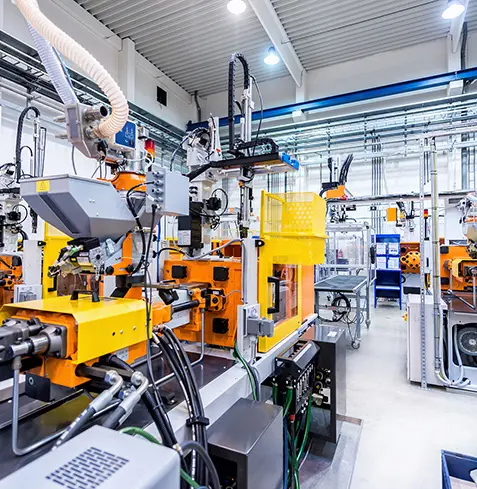
Our flame-resistant composite series ensures continuous coolant circulation in clean energy grid storage, helping prevent thermal runaway events.
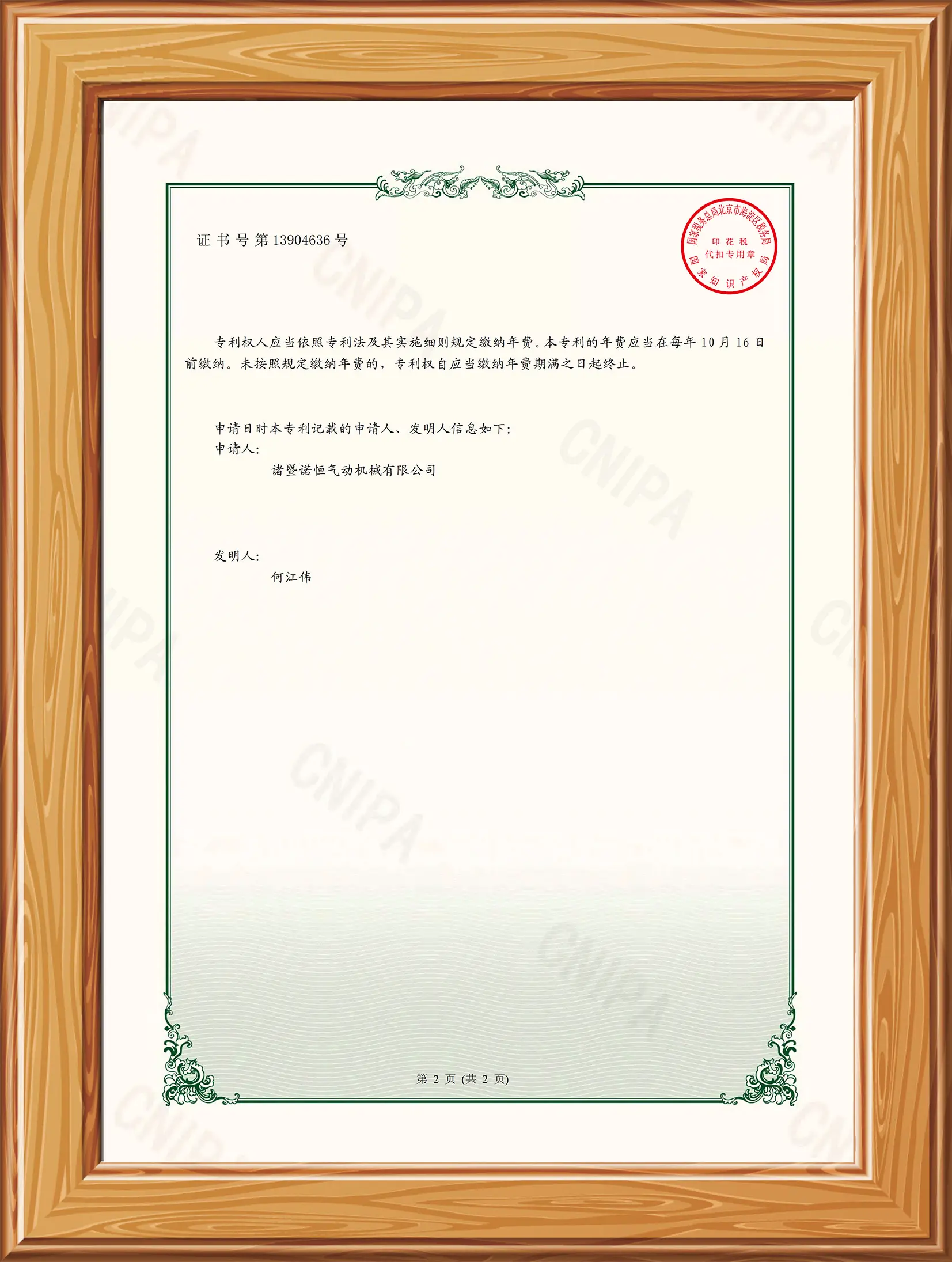
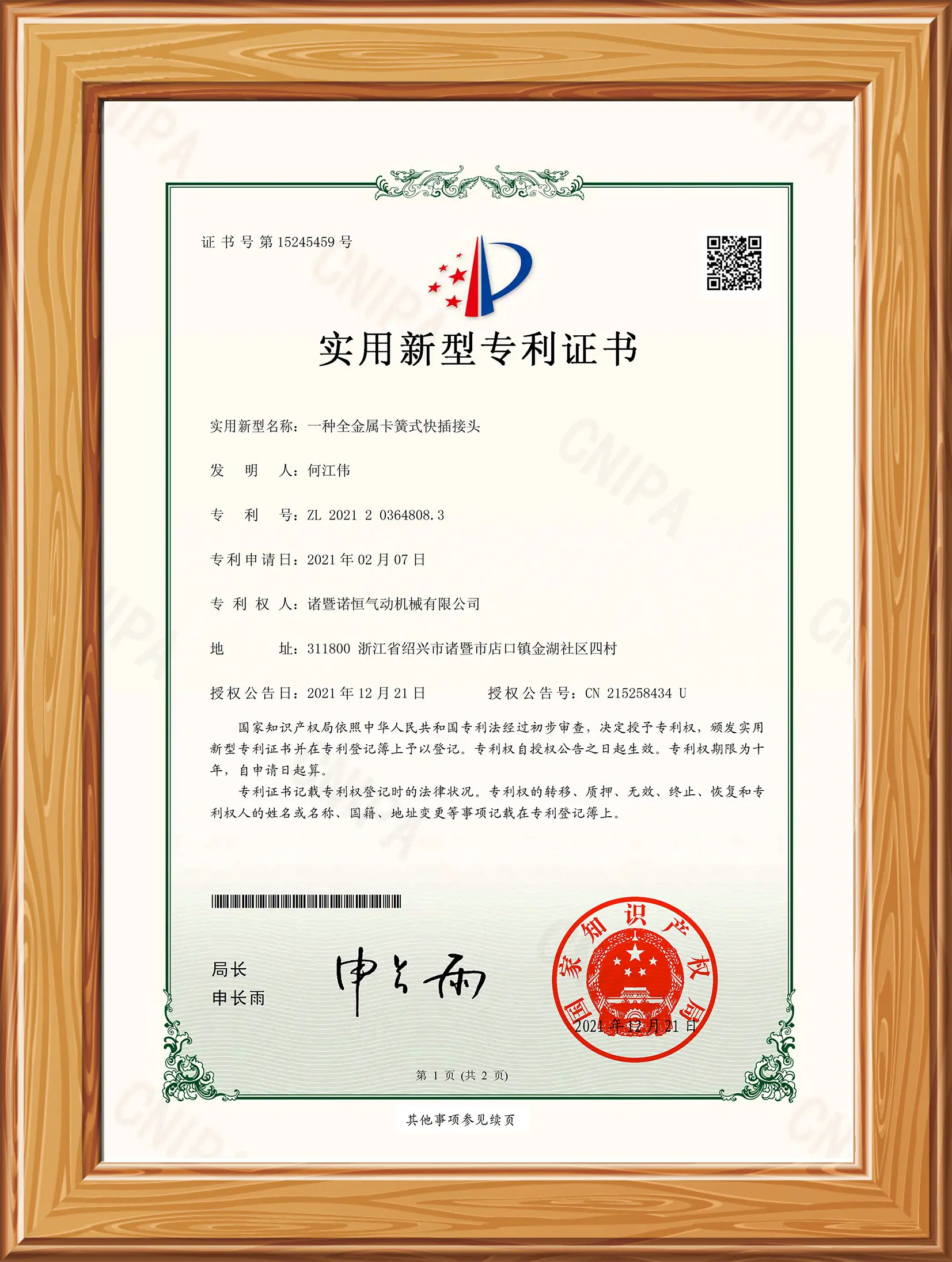
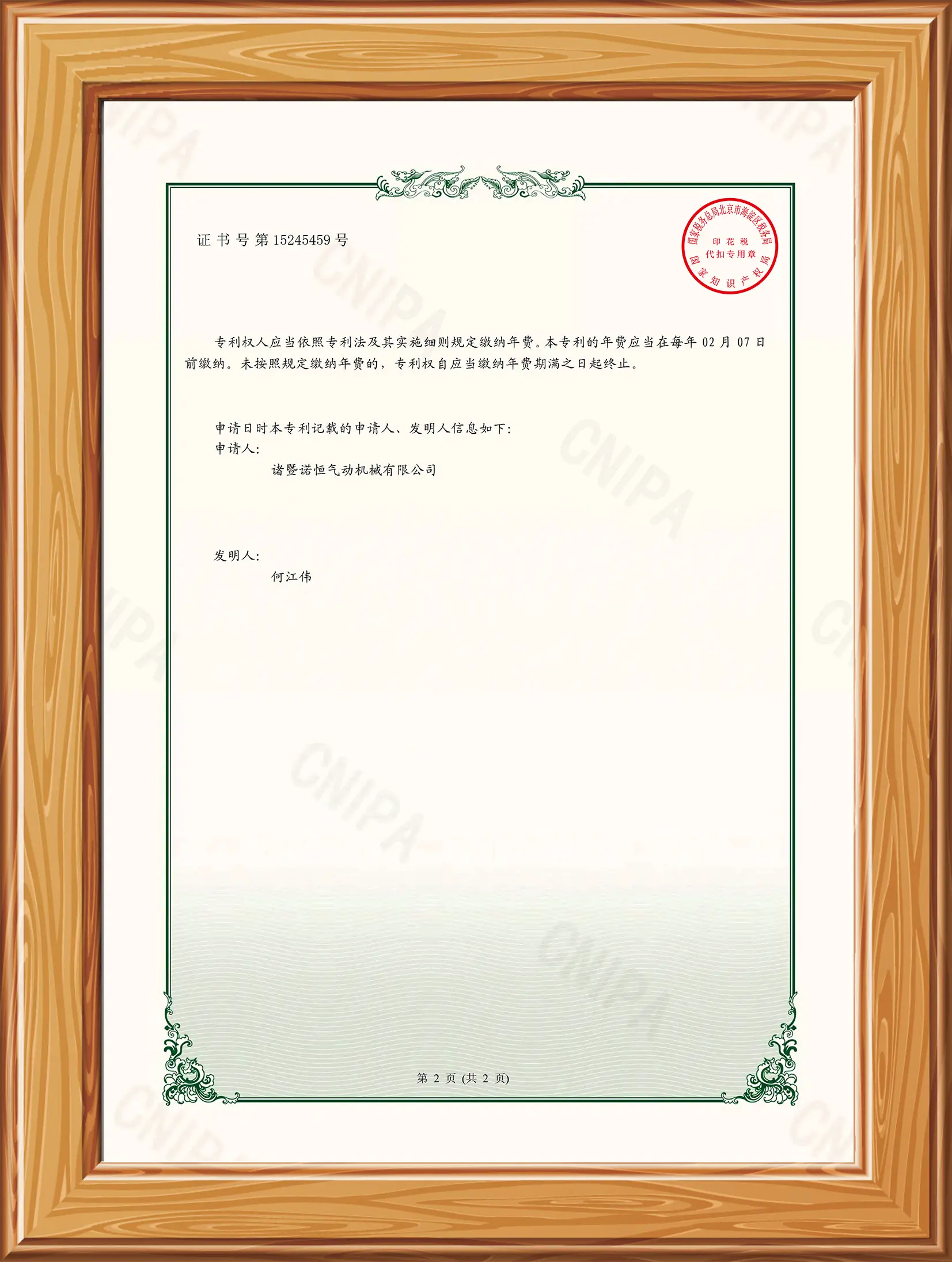
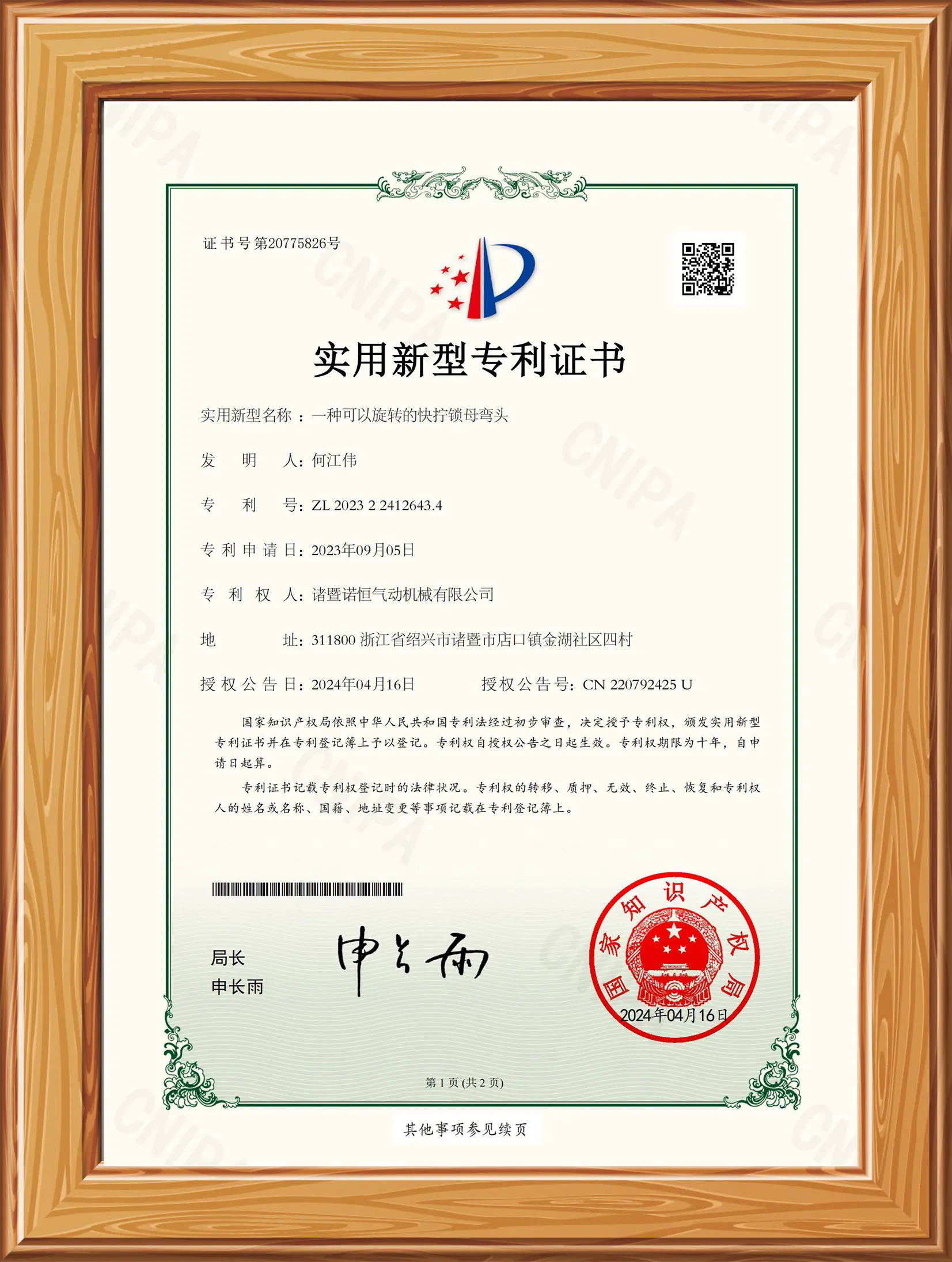
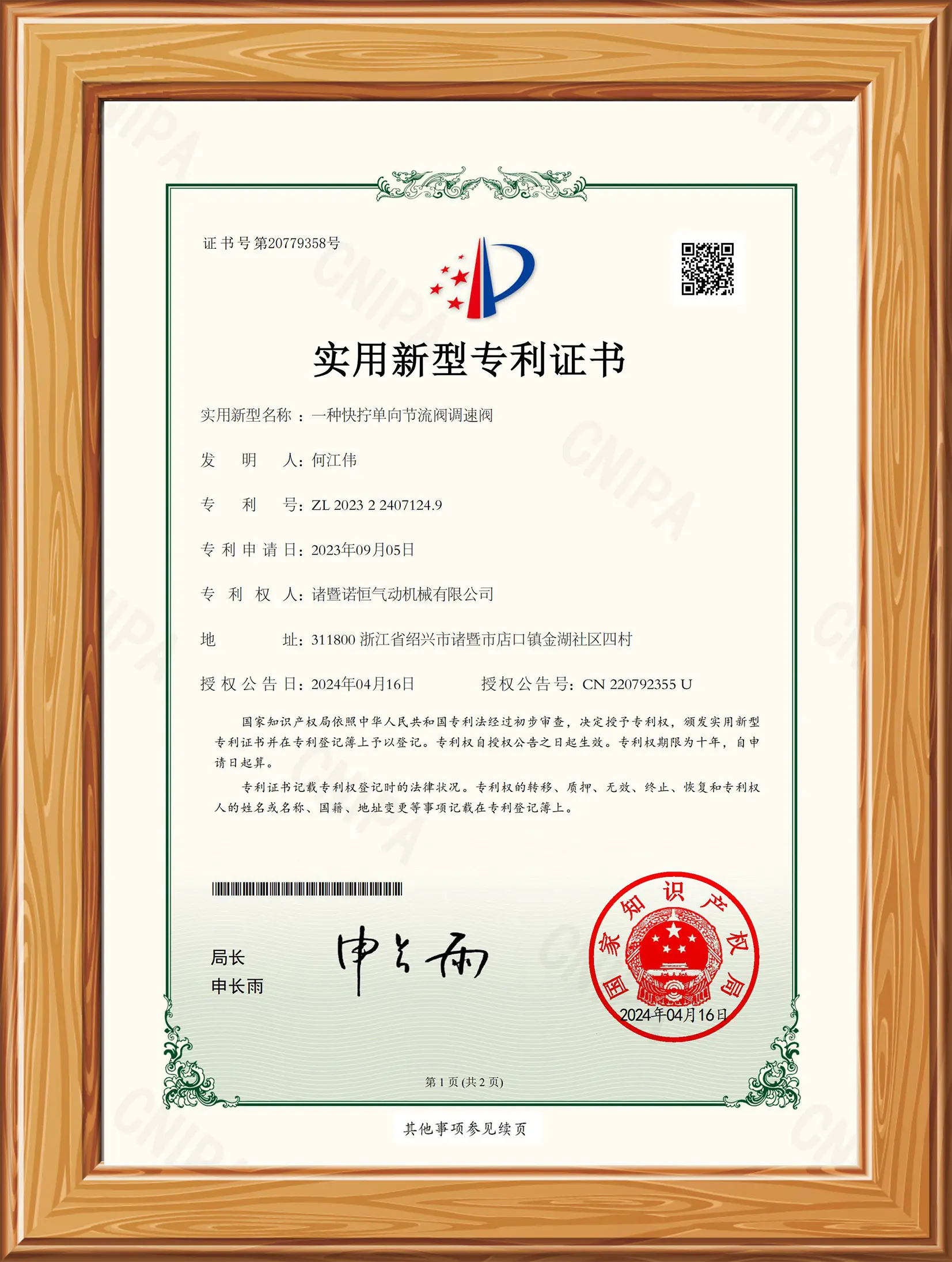
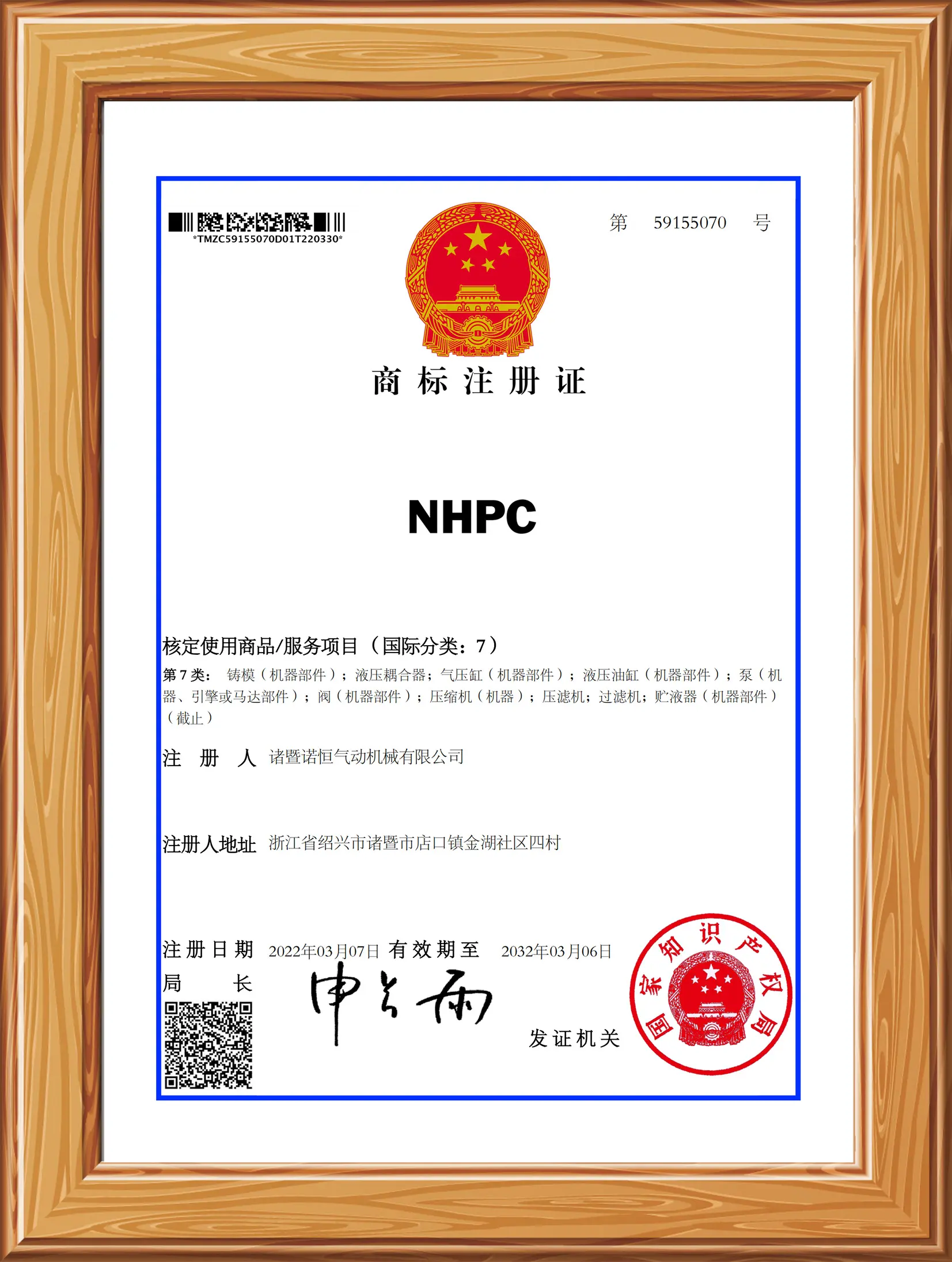
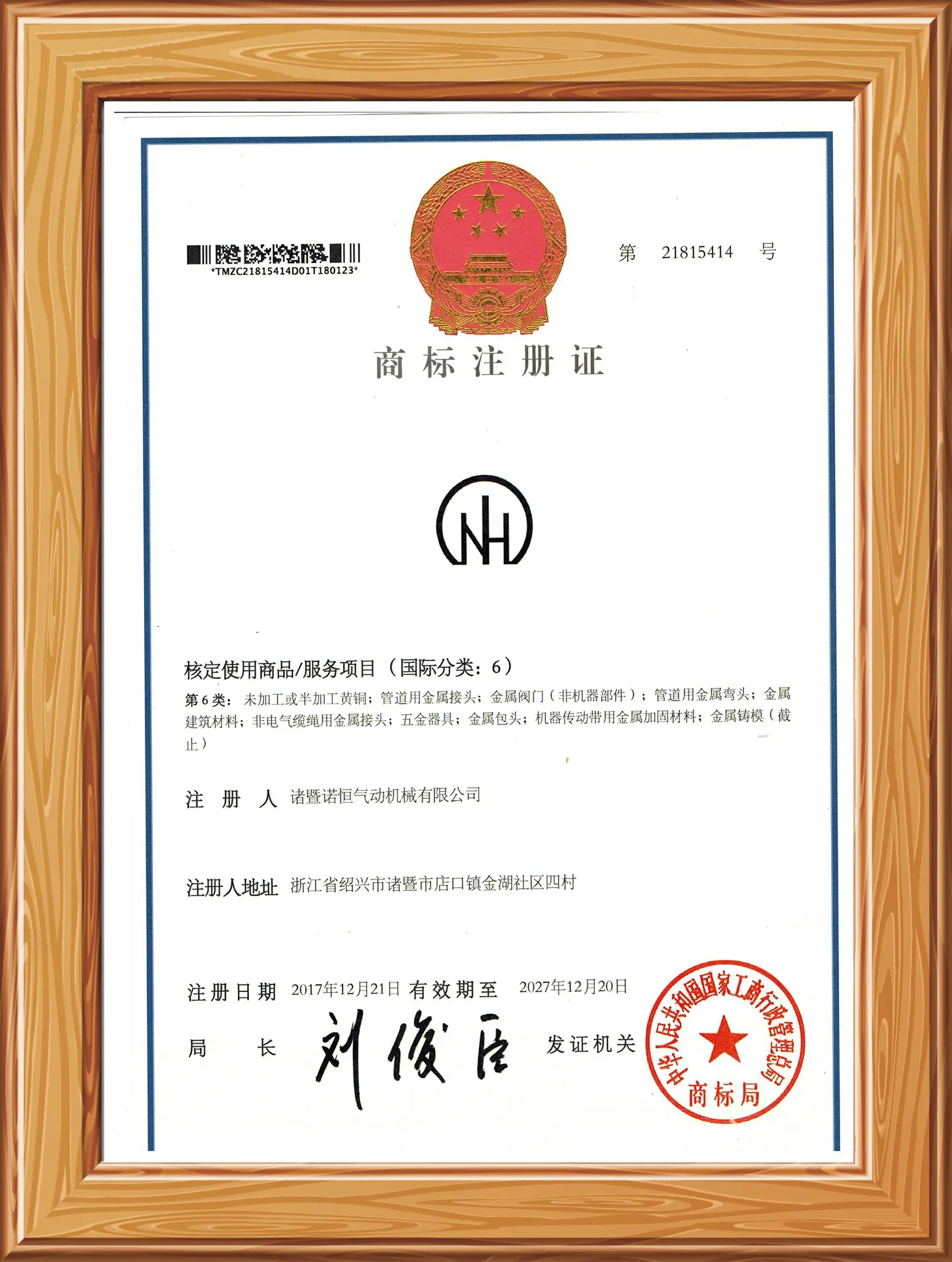
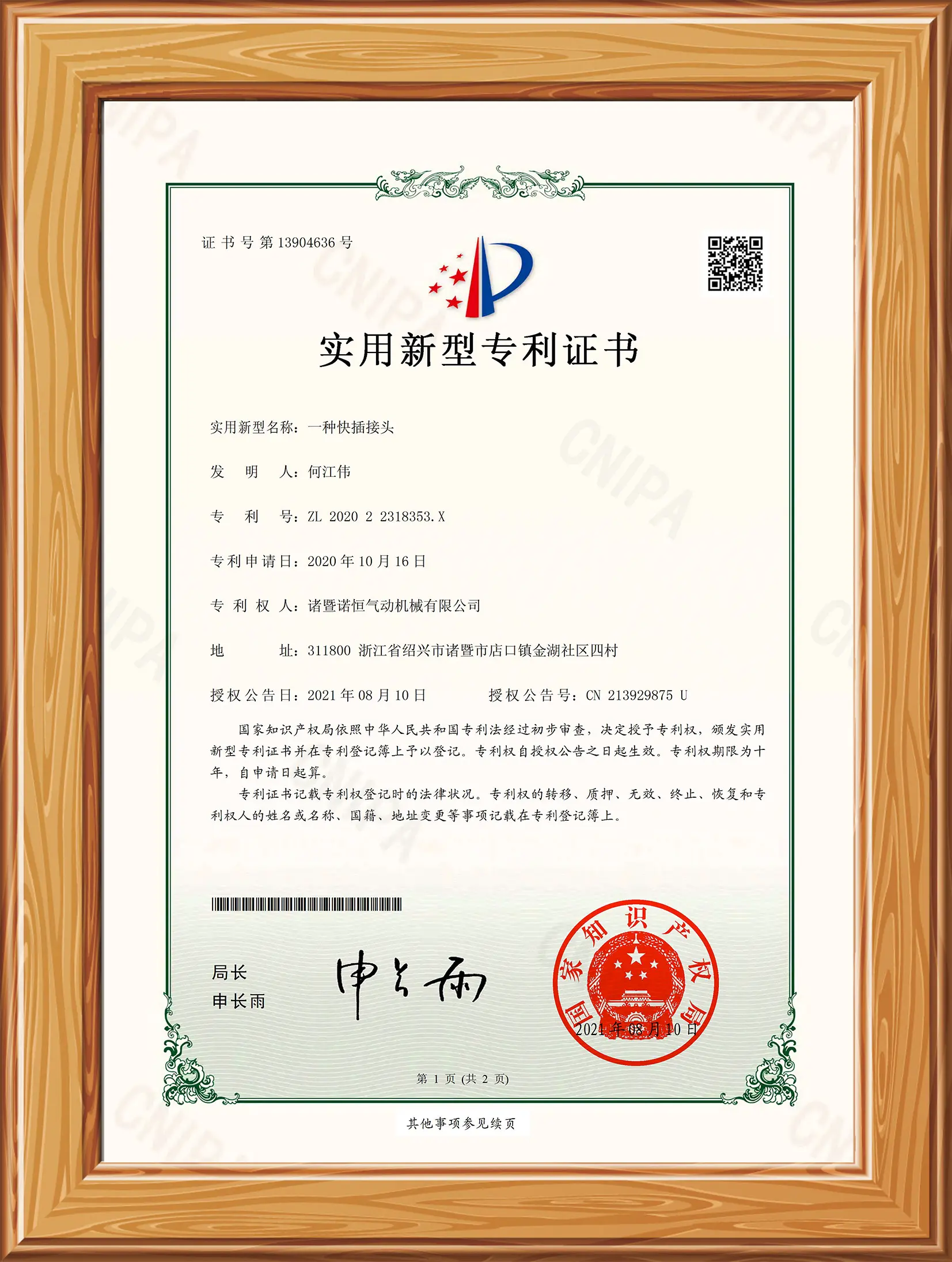
Testing and compliance credentials backing NHPC's manufacturing systems.
Industrial components are moving beyond basic static mechanics. The future of fluid conduction is defined by material science, sensor integration, and smart monitoring. NHPC is investing in R&D to support the next generation of quick-connect networks.
Future production environments will utilize fittings that monitor fluid characteristics in real time. We are prototyping prototype couplings that integrate miniature temperature, pressure, and flow sensors. These smart connectors will feed telemetry data to centralized control networks via IO-Link or wireless protocols, warning maintenance teams of pressure drops or rising temperatures before failures occur.
To balance weight and mechanical strength, our engineering team is developing hybrid fittings. These feature corrosion-resistant steel fluid paths housed in flame-retardant polymer bodies, providing the strength of steel with the weight reduction needed for robotics and aerospace applications.
Global environmental regulations are restricting trace heavy metals and chemical elements in manufacturing. NHPC is transitioning its entire brass and steel catalog to lead-free formulas, ensuring compliance with RoHS and REACH standards. This guarantees that our global customers face no import issues or compliance gaps in environmentally regulated markets.
Technical answers to common questions about selection, installation, and compliance.
Browse the second half of our high-tolerance product line, engineered for diverse thread types and configuration requirements.
 Nuoheng