Engineered for high performance, structural integrity, and maximum leak-proof reliability.
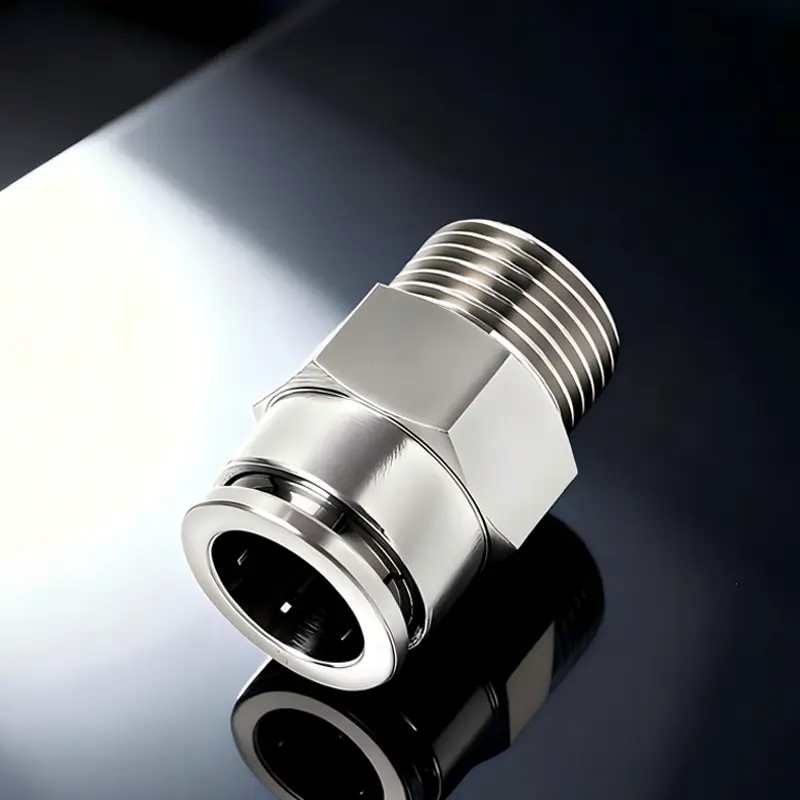
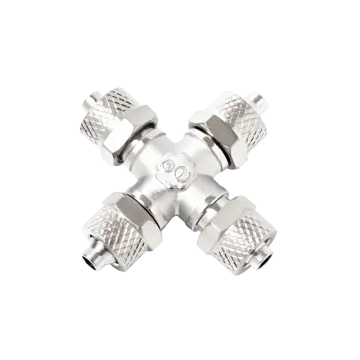
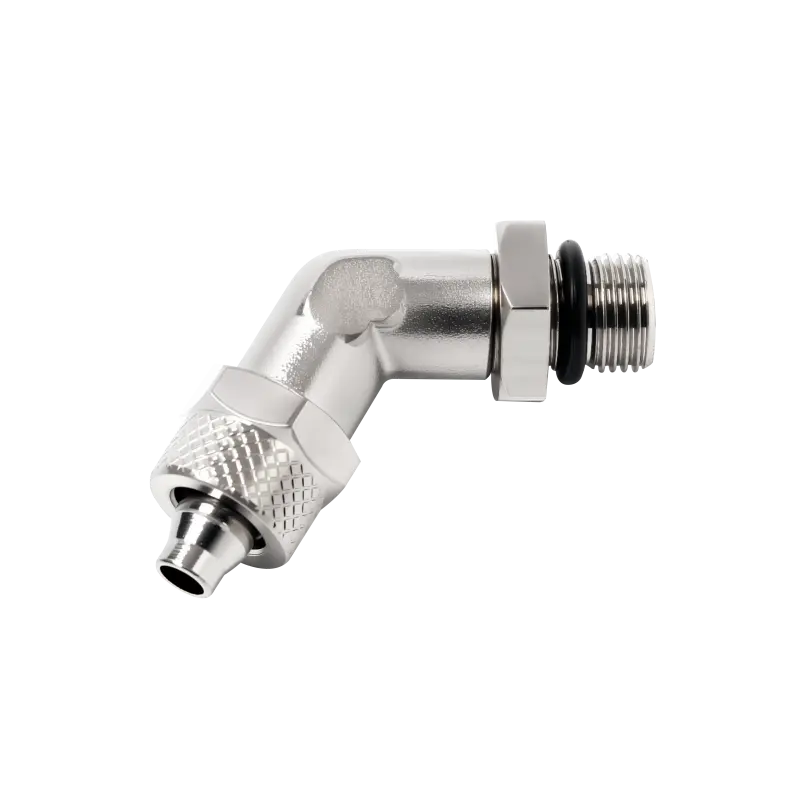
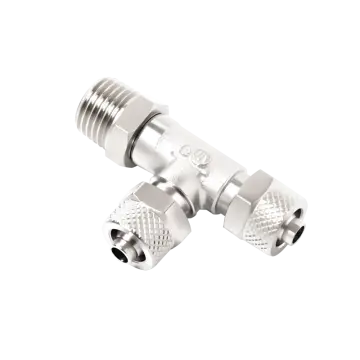
In the modern era of industrial automation and mechanical systems, pneumatic power remains a cornerstone of manufacturing efficiency, reliability, and precision. At the heart of these pneumatic systems are air hose fittings—critical components that govern the flow, velocity, and pressure integrity of compressed air. Whether operating in automated assembly lines, heavy-duty logistics vehicles, high-tech semiconductor fabs, or new energy storage environments, the choice of air fittings directly affects operational uptime and structural safety.
The global market for pneumatic fittings is driven by the rapid transition towards Industry 4.0, where automated machinery, robotic end-effectors, and smart pneumatic systems require rapid connect/disconnect solutions. To meet these demands, modern pneumatic fittings must withstand severe pressures, temperature variations, corrosive chemicals, and vibration forces. Consequently, professional manufacturers have moved beyond basic standardized brass components to highly customized, composite, flame-retardant, and precision-engineered metal fittings.
Understanding the material composition is critical for engineering managers and procurement departments. In high-pressure applications, the mechanical failure of a fitting can result in costly downtime or safety hazards. The three primary material configurations in the marketplace include:
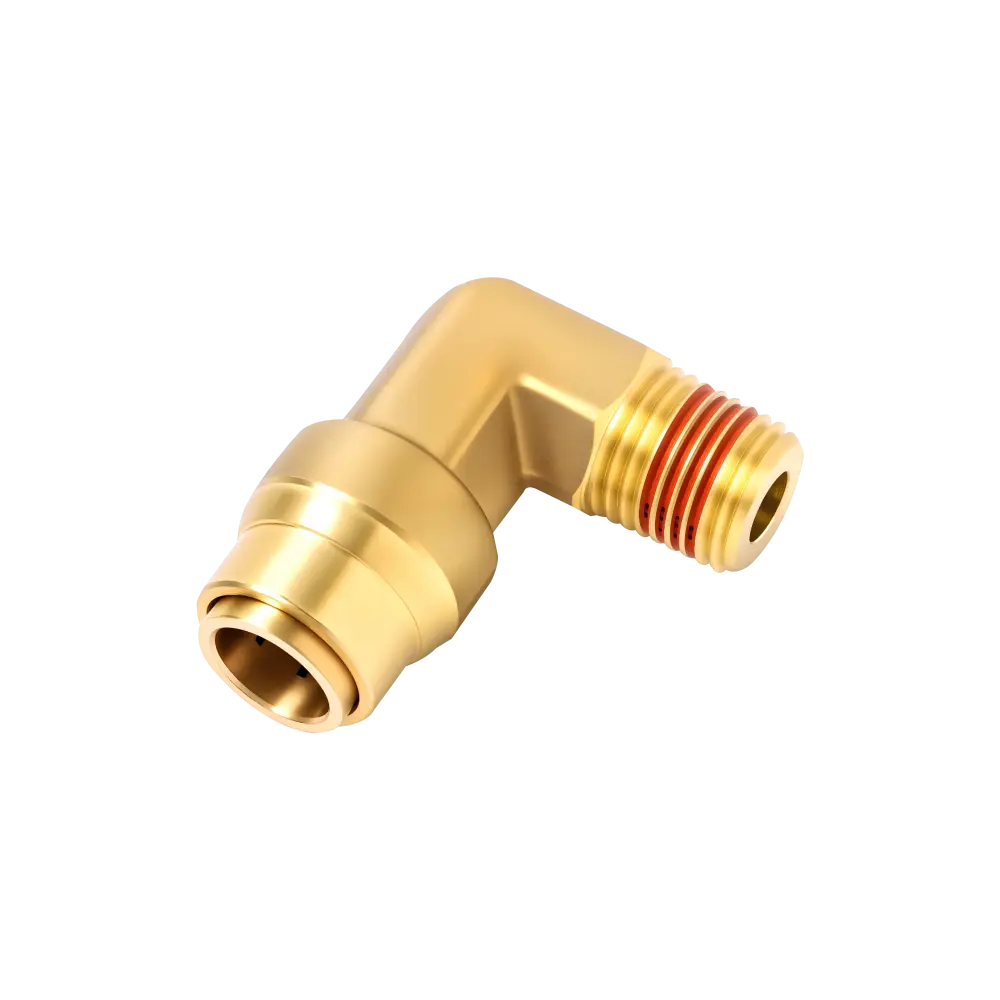
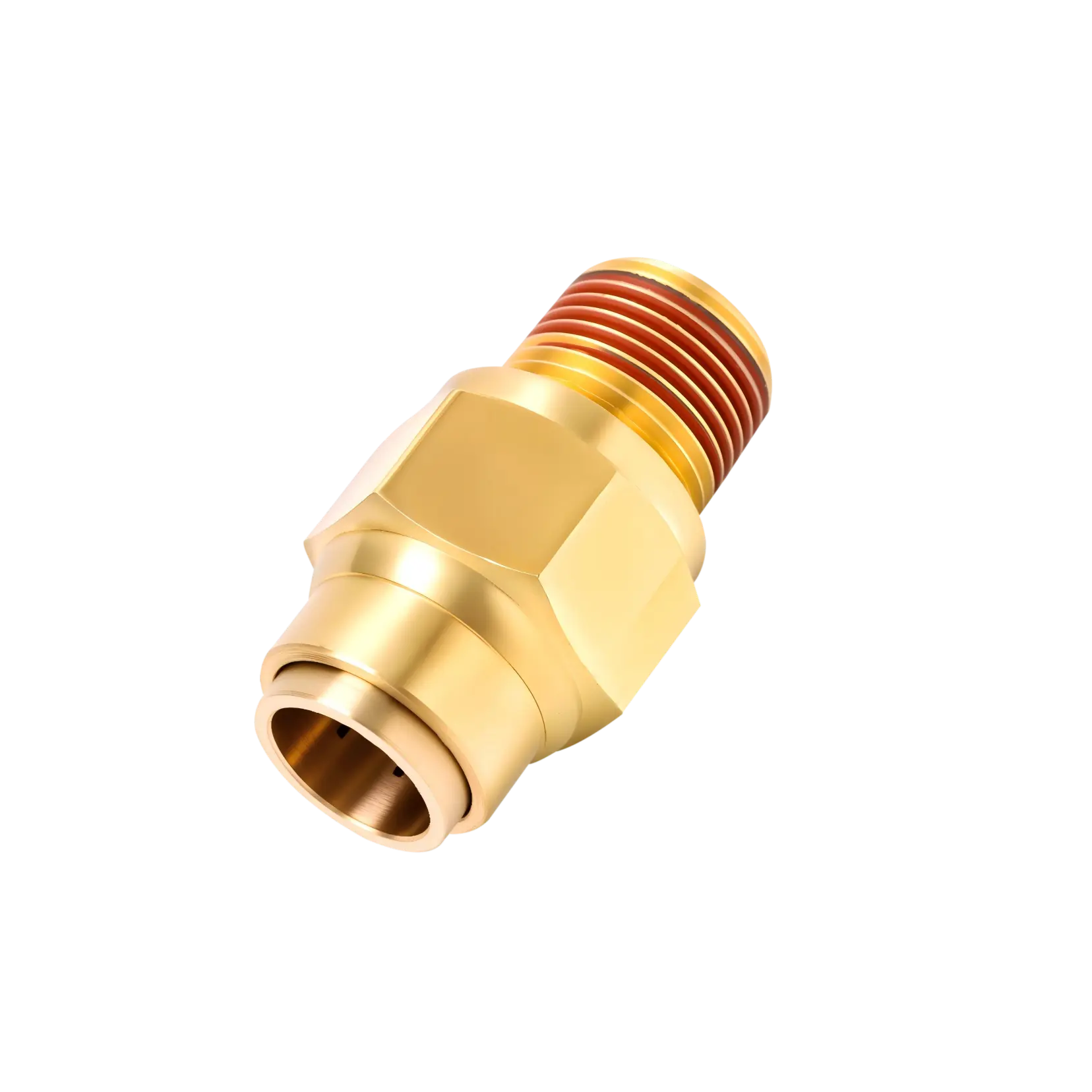
Renowned for outstanding durability, high machinability, and superior corrosion resistance. Widely utilized in DOT air brake systems, transportation lines, and severe mechanical setups demanding rigid mechanical connections.
Materials such as PBT (Polybutylene Terephthalate) and Polyacetal (POM) provide light weight, high mechanical strength, and excellent chemical resistance, making them perfect for fast-assembly push-in designs.
Designed specifically for high-risk domains like energy storage systems, battery fire protection, and automotive welding operations, meeting stringent UL94 V-0 ratings to prevent combustion.
When analyzing global supply dynamics, Chinese manufacturing facilities (specifically localized in pneumatic engineering hubs like Zhejiang) offer exceptional, unmatched cost-efficiency, technical expertise, and scale. These advantages are not merely rooted in labor costs, but in a highly developed industrial cluster and vertical integration:
At Nuoheng Pneumatic Machinery Co., Ltd. (NHPC), we leverage these ecosystem advantages to offer global enterprises premium-grade air hose fittings at highly competitive wholesale structures. Our manufacturing line processes high-grade raw metals through automated machining, custom injection molding, stamping, and automated assembly line verification checks.
Our commitment to excellence backed by 15+ years of continuous development and global supply expertise.
Years of Pneumatic Experience
Highly Skilled Technical Personnel
Annual New Product Designs Developed
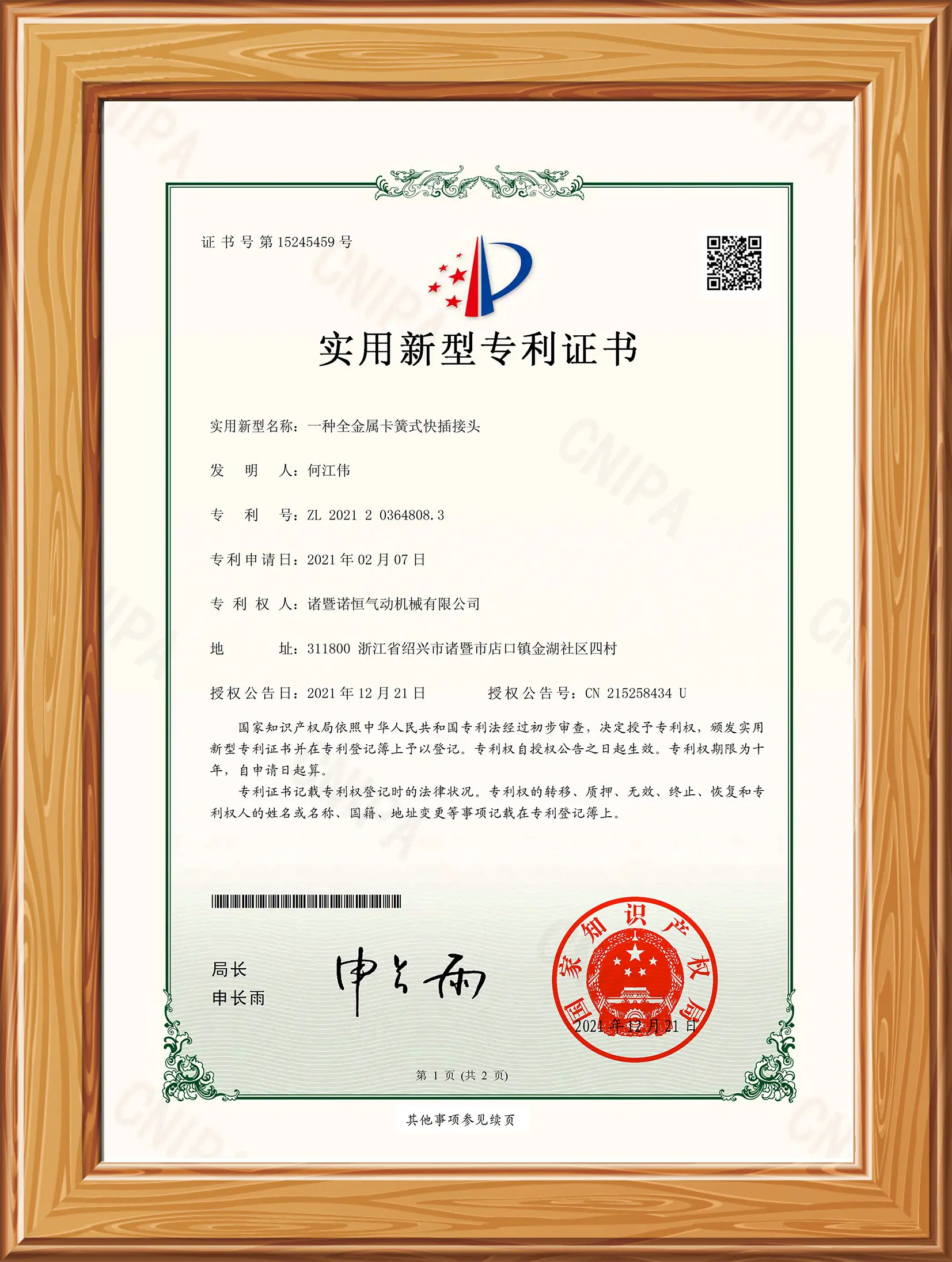
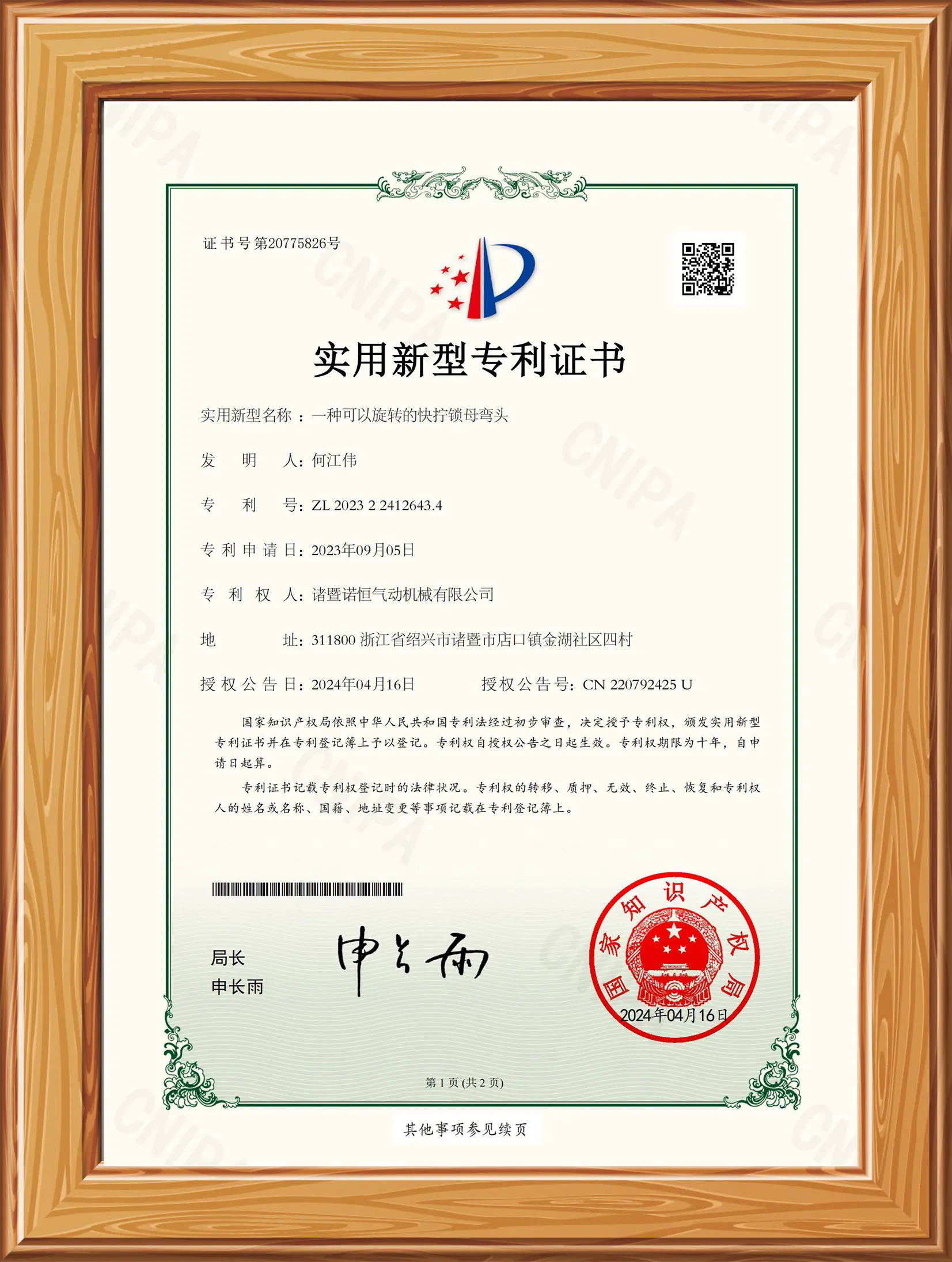
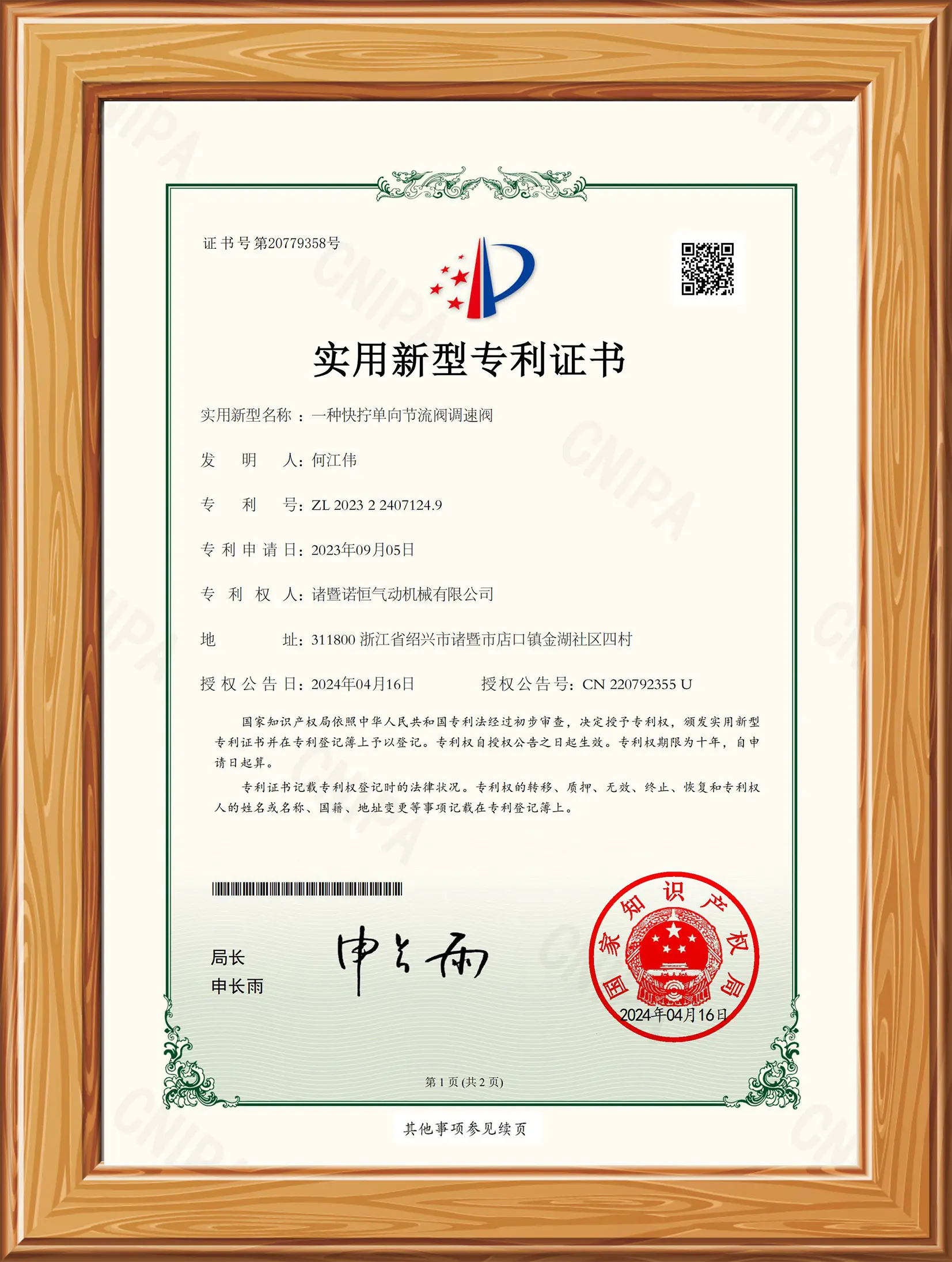
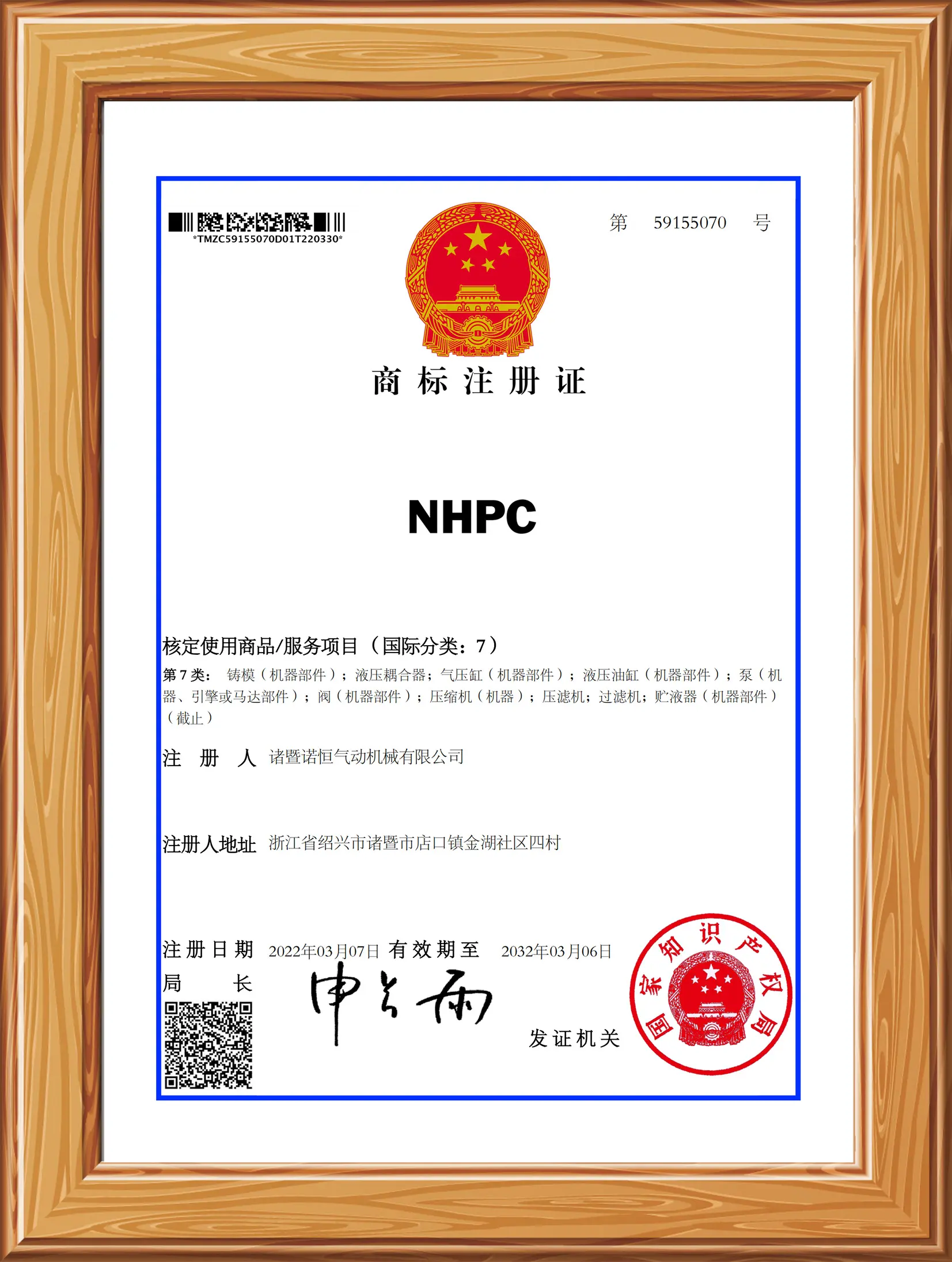
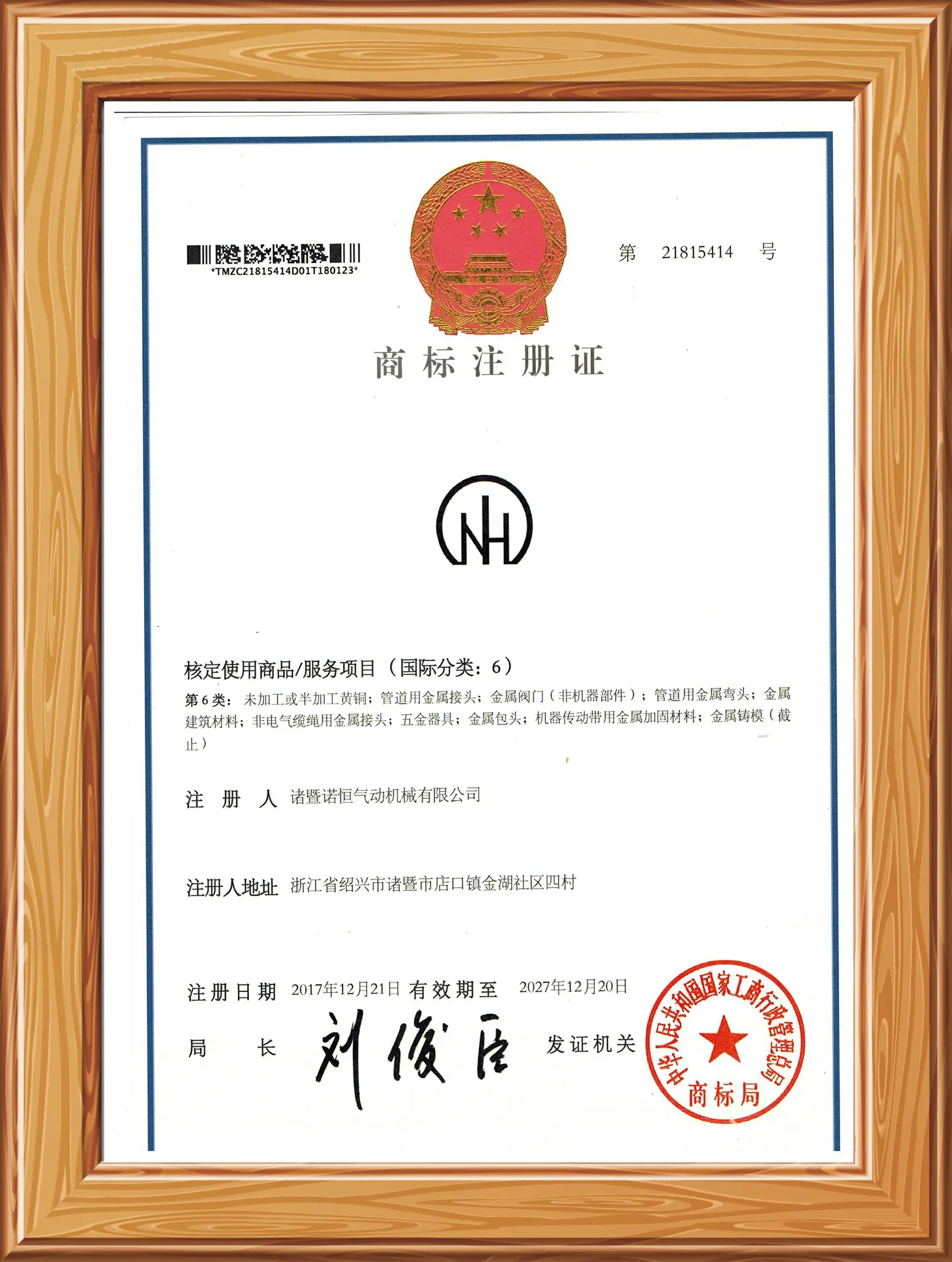
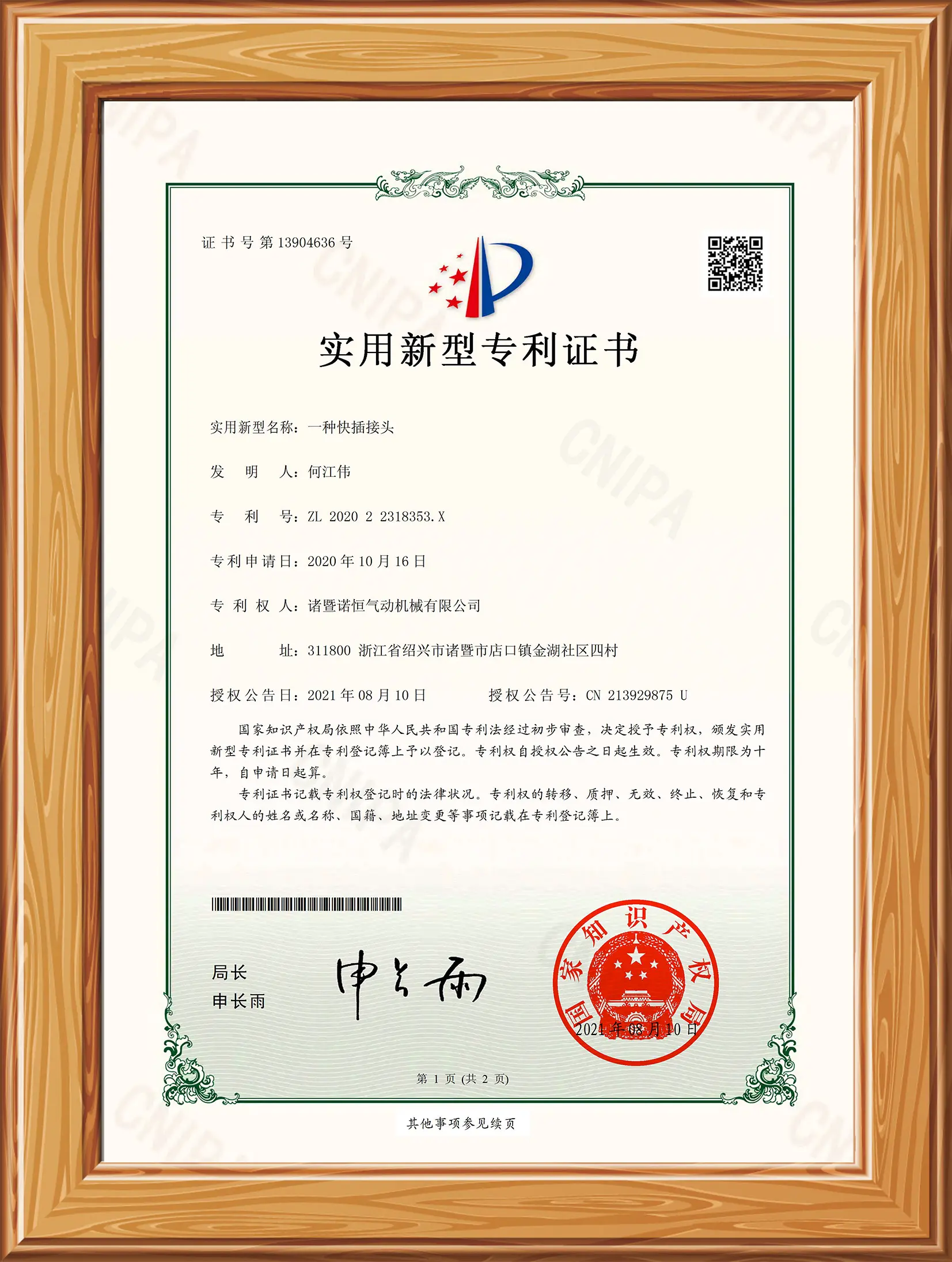
Nuoheng Pneumatic Machinery Co., Ltd. is certified under world-class quality management frameworks. We ensure all push-in fittings, quick connectors, valves, and flame-retardant accessories conform to international specifications.


Pneumatic air fittings cannot be optimized with a "one-size-fits-all" approach. Different environments present distinct mechanical challenges. Here is how NHPC's customized fittings perform across key industrial scenarios:
Our DOT-compliant push-to-connect brass air fittings are engineered for heavy-duty truck and trailer pneumatic braking networks, operating reliably under extreme vibration and weather conditions.
New-generation battery storage assemblies demand specialized flame-retardant pipe configurations. NHPC's PE, PLF, and PC fire protection lines prevent flash flame spread in localized battery racks.
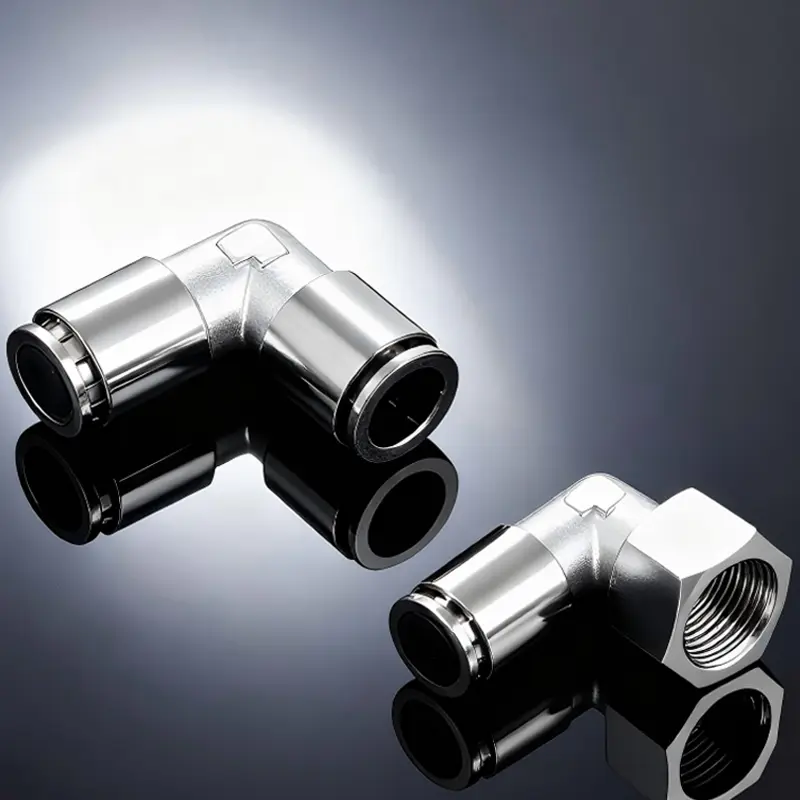
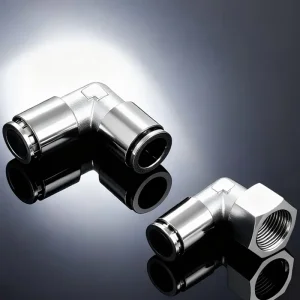
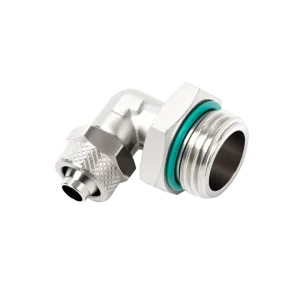
With ultra-compact layouts and rapid rotation characteristics, our 360° rotatable G-thread elbow fittings allow robotic pick-and-place hands to move dynamically without damaging fluid tubing.
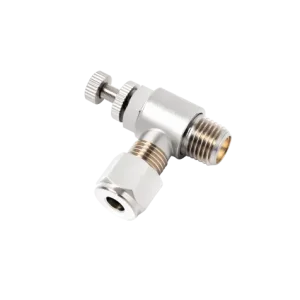
For chemical processing and pneumatic sorting lines, our high-precision throttle valves control exhaust velocity, enabling exact machine cycles and minimizing pressure drops.
The future of pneumatic systems is heavily tied to intelligence and sustainability. Traditional components are evolving into sensor-integrated fittings that monitor localized temperature and pressure drops. Additionally, environmental directives such as RoHS and REACH are pushing manufacturers to implement lead-free brass alloys and eco-friendly engineering plastics. NHPC remains at the forefront of these transitions, allocating 15% of annual revenue to research and development.
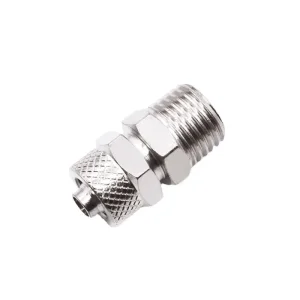
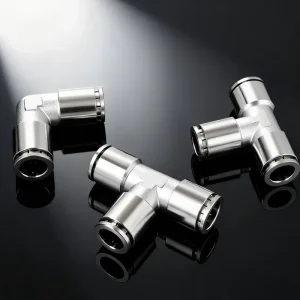
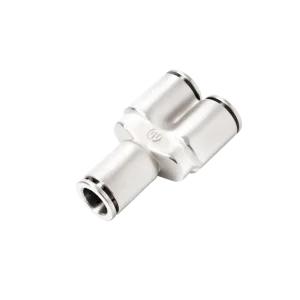
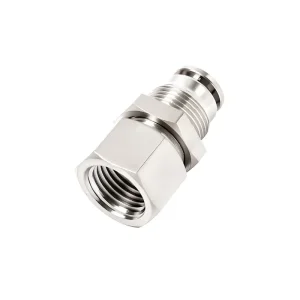
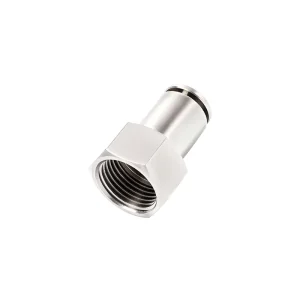
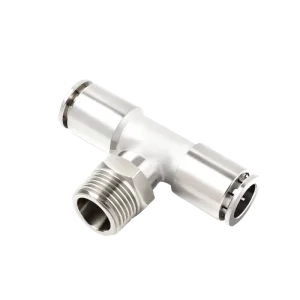
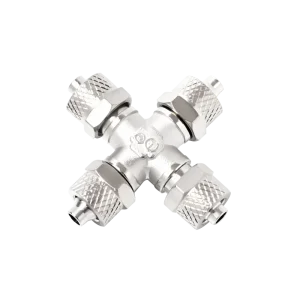
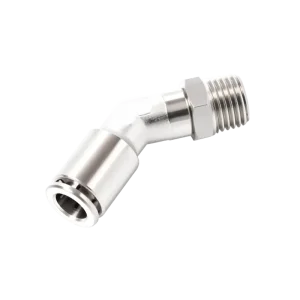
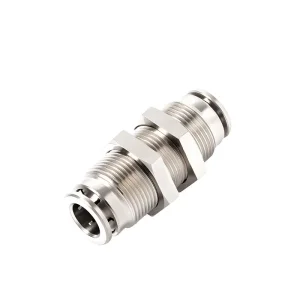
Examine our comprehensive catalog of high-precision connectors, elbows, bulkheads, and customized couplers.
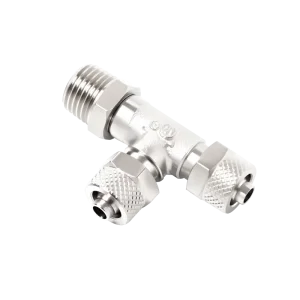
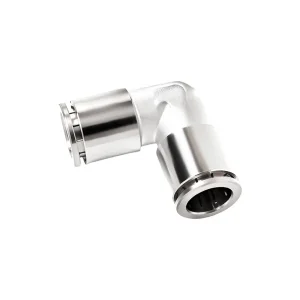
Procuring pneumatic components on a global scale requires strict alignment with quality and compatibility metrics. Technical decision-makers must evaluate several critical parameters when sourcing air hose fittings:
Different markets rely on distinct thread profiles. Selecting the incorrect thread type can compromise connections or lead to high-frequency air leakage.
Standard pneumatic systems generally operate between 0 to 150 PSI (0 to 10 Bar). However, heavy-duty applications (such as trucking suspension or chemical automation) demand fittings rated up to 250 PSI or higher. It is essential to match the temperature ratings of both the tubing (typically Polyurethane, Nylon, or PTFE) and the fitting sealing rings (NBR seals tolerate -20°C to +80°C, while Viton/FKM seals operate seamlessly up to +150°C).
High-performance manufacturers implement multi-stage testing protocols. This includes Helium Leakage Detection to spot micro-fissures, Tensile Strength Testing to evaluate the maximum pull-out force of the inner locking collet, and Burst Pressure Verification to guarantee a safety factor of at least 3:1.
Get answers to common technical, manufacturing, and sourcing questions from our engineering experts.
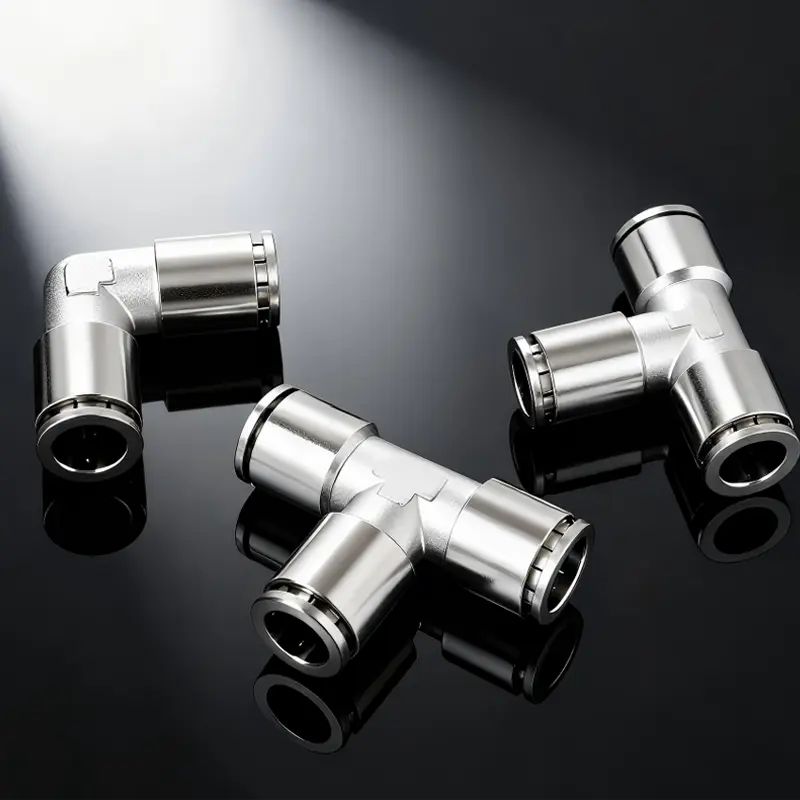
Push-in fittings (often called instant or push-to-connect) feature an internal metal collet (claw ring) that grips the outside diameter of the tube when inserted, making connections fast and tool-free. Push-on fittings, on the other hand, require the tube to be pushed over an internal barb, after which a knurled lock nut is tightened down manually to secure the connection. Push-on models are highly favored in high-vibration applications.
DOT (Department of Transportation) regulations—specifically FMVSS 106—mandate that all couplings used in air brake systems withstand strict thermal cycling, tensile pull-out thresholds, and vibration frequencies. Non-DOT compliant fittings run a high risk of sudden mechanical release under road strain, which can lead to brake system pressure loss.
Fittings deployed in modern lithium-ion battery containment and energy storage fire protection systems must be made of flame-retardant polymers (like UL94 V-0 rated composite PBT) or solid metal alloys. This ensures that the fire protection plumbing does not melt, deform, or fuel combustion when exposed to localized thermal events.
BSPP (G) is a parallel thread that seals via an O-ring or washer at the base. BSPT (R) is a tapered thread that seals via thread interference and requires thread sealant. Because of these sealing differences, BSPP and BSPT components cannot be interchanged safely without leaks.
Our factory utilizes multi-stage testing setups: raw material inspection via spectrometers, automated optical dimension checks on high-speed sorting machines, and individual pressure leak tests. These processes ensure our defective parts per million (DPPM) rate remains well below industry averages.
Standard components can ship within 7 to 15 days depending on stock. For custom OEM/ODM fittings requiring custom tooling, sample preparation takes approximately 15 to 20 days, followed by mass production cycles ranging from 30 to 45 days.
Yes, most high-quality push-to-connect fittings are rated for vacuum pressures down to -29.5 in Hg (-750 mm Hg). However, it is crucial to verify that the internal sealing ring configuration is optimized to prevent air bypass under negative pressures.
Yes. We offer precise fiber laser marking systems to etch custom model numbers, lot codes, logo graphics, and sizing symbols onto metallic sleeves and plastic release rings.
 Nuoheng