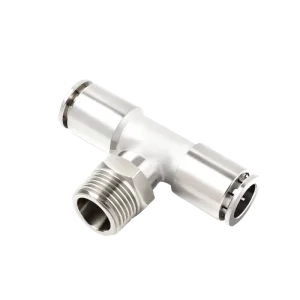
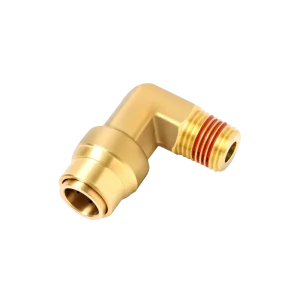
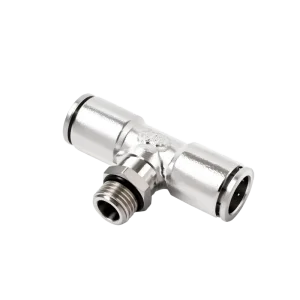
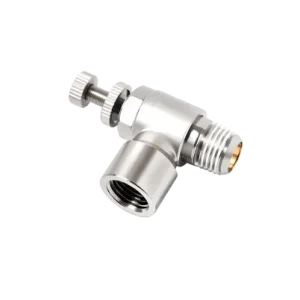
 Nuoheng
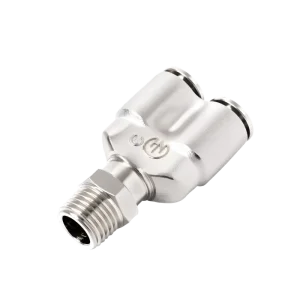
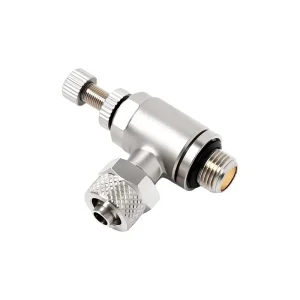
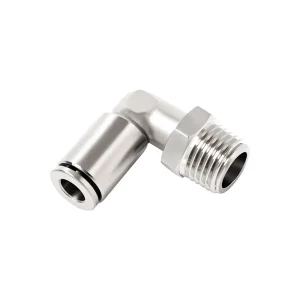
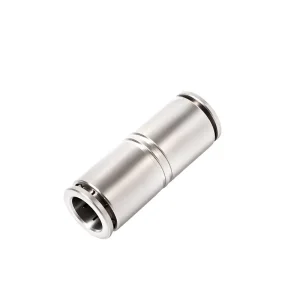
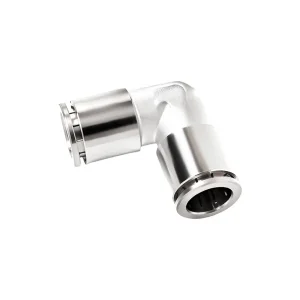
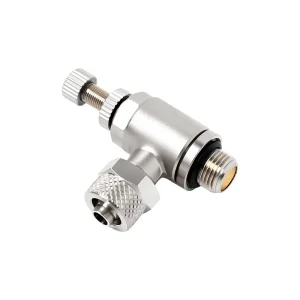
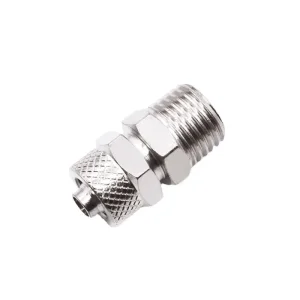
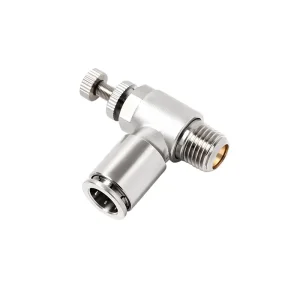


Whitepaper: Technical Evolution and Design of ODM Brass PU Connectors
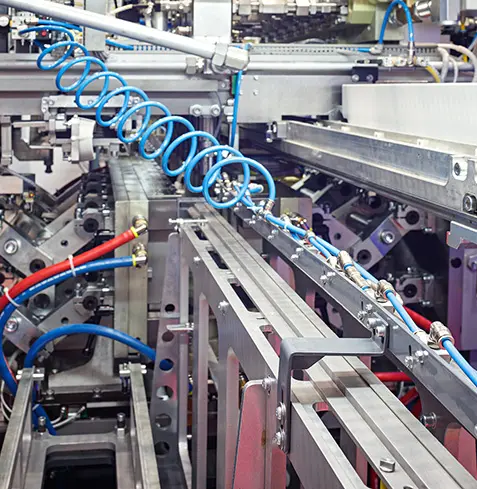
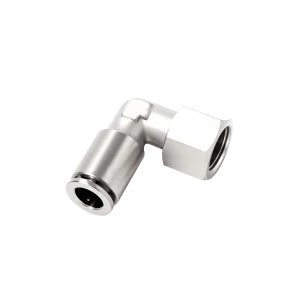
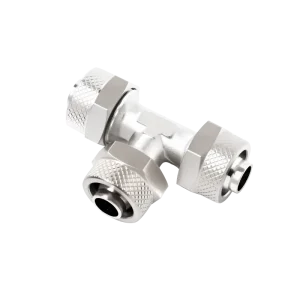
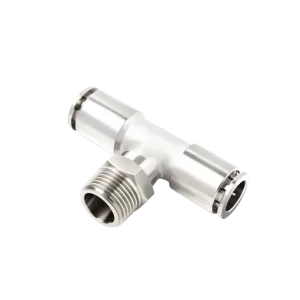
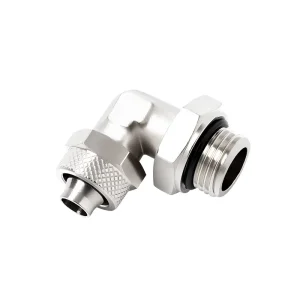
A Comprehensive Analysis of Materials, Standards, and Industrial IntegrationIn modern industrial automation and mobile hydraulics, the reliable distribution of compressed air, inert gases, and process fluids depends on robust connection interfaces. Among these, the Brass PU Connector (specifically those designed for Polyurethane and Polyamide tubing) serves as a core component for sealing, routing, and pressure control. As systems move toward higher pressure ranges, smaller footprints, and increased automated assembly, selecting high-performance connectors is critical to overall system efficiency. This whitepaper analyzes the engineering design, metallurgical requirements, application environments, and future direction of industrial brass push-in connectors.
"The cost of air leakage is often underestimated. A minor 1mm hole in a pneumatic line operating at 7 bar can waste thousands of kilowatt-hours of electrical energy annually. Selecting precision-engineered brass fittings with verified seal performance is key to energy conservation and carbon footprint reduction."
1. Metallurgical Composition and Mechanical Advantages of Brass
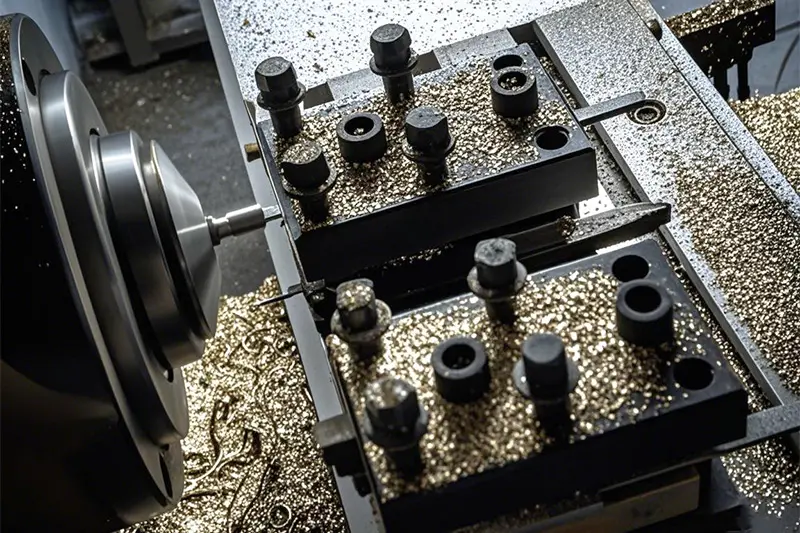
While plastic composite fittings are common in standard pneumatic applications, heavy industrial environments, mobile equipment, and fire safety systems require the physical properties of brass. High-grade brass alloys, such as HPb59-1 or C3604/C36000, are used for their strength, wear resistance, and machinability. These alloys are often finished with electrolytic nickel plating to improve corrosion resistance against moisture, industrial cleaning solvents, and salt spray. In comparison to synthetic resins, brass fittings withstand high torque loads, mechanical impacts, and temperature fluctuations without showing micro-fractures or structural fatigue.
2. The Mechanics of the Push-In Connection Interface
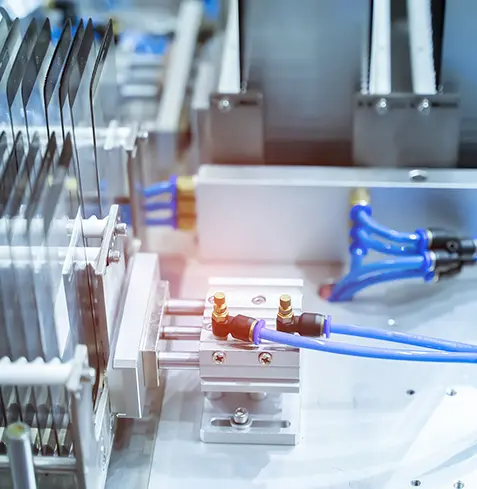
The push-to-connect interface provides rapid toolless assembly while maintaining high pressure resistance. Structurally, the connector consists of a body, a release sleeve, a lock claw, a lock ring, and a dynamic seal ring (typically Nitrile Rubber - NBR, or Fluororubber - FKM for higher temperatures). When the PU or nylon tube is pushed into the fitting, the lock claw (typically spring-grade stainless steel) grips the tube's outer surface. Internal pressure pushes the sleeve outward, engaging the claw teeth deeper into the tube. For release, pressing the sleeve pushes the claw teeth away, allowing clean extraction without scoring the tube.
3. Global Sourcing Demands and Quality Standards
For international procurement directors, standardizing components is essential to limit spare part counts and ensure system safety. When sourcing ODM brass PU connectors, several certifications and standards are required:
• ISO 9001:2015: Verifies the manufacturer's quality management and batch consistency.
• RoHS & REACH: Ensures lead and other restricted substance concentrations remain below regulated limits.
• DOT (FMVSS 106): Essential for transportation and heavy vehicle pneumatic brake applications.
• Thread Specifications: Requires precise conformance to ISO 228 (G thread), ANSI/ASME B1.20.1 (NPT thread), or JIS B0203 (R/PT thread) to prevent installation leaks.
4. Technical Evolution and Modern Fire Protection Integration
A recent development in pneumatic routing is the integration of connectors into battery energy storage systems (BESS) for fire suppression and liquid cooling lines. Standard fittings fail under extreme thermal load, which has driven the development of flame-retardant, high-temperature lines like the PE and PLF series. These fittings incorporate self-extinguishing polymers and robust brass bodies that remain sealed during thermal events, allowing fire suppression agents to flow without pressure drop or leak-induced failure.