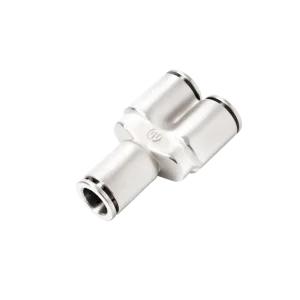
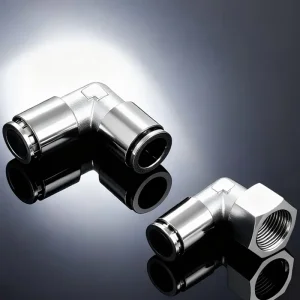
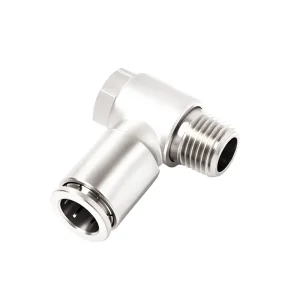
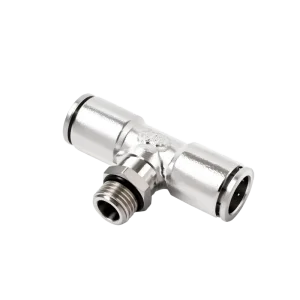
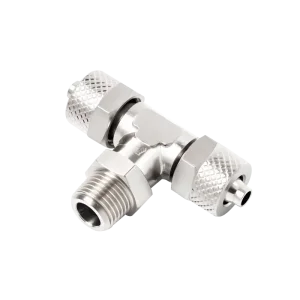
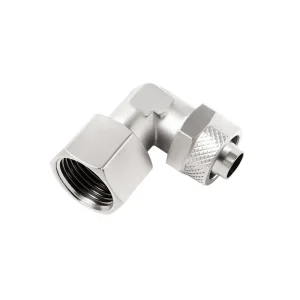
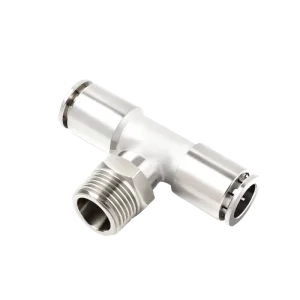
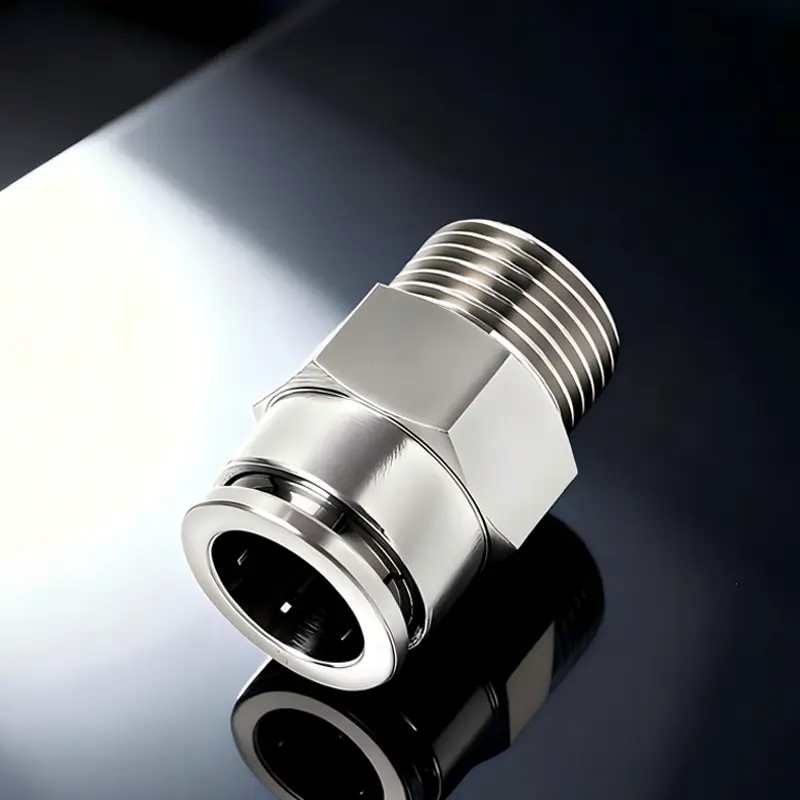
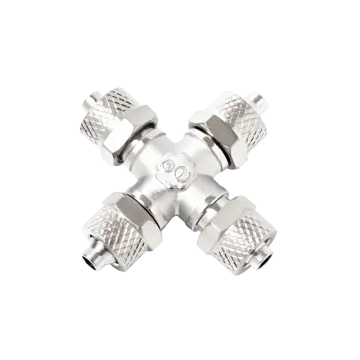
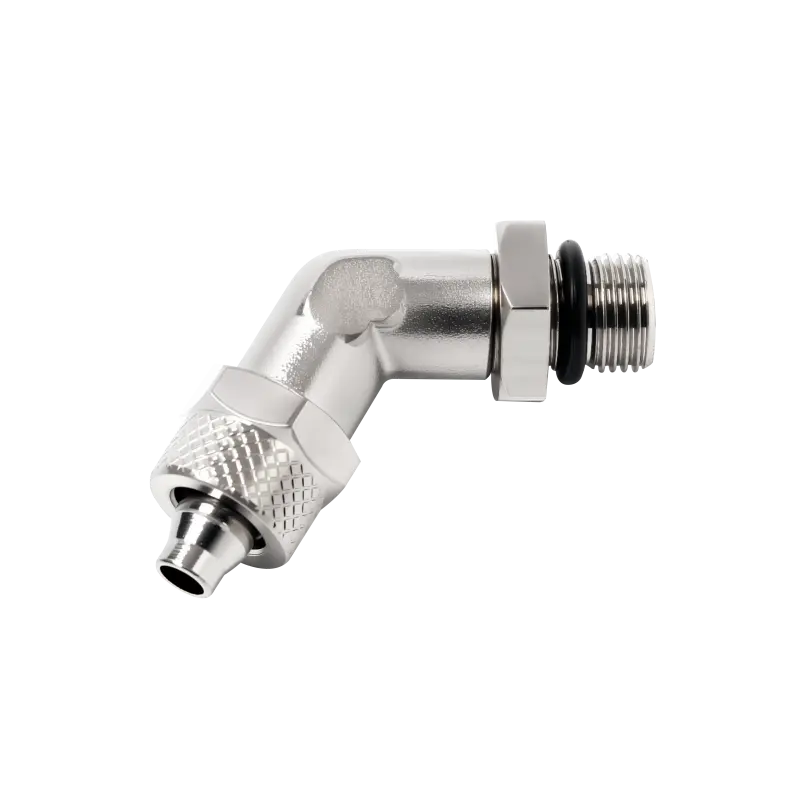
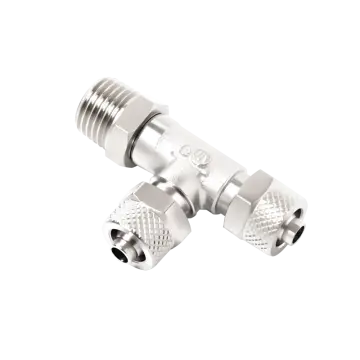
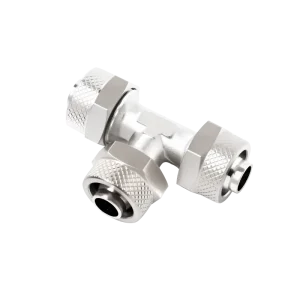
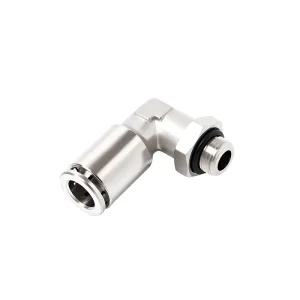
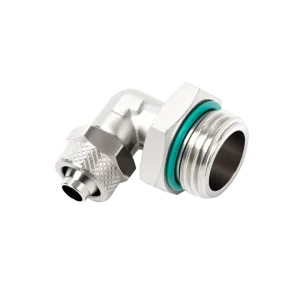
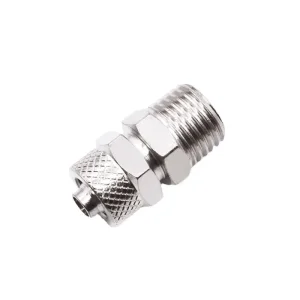
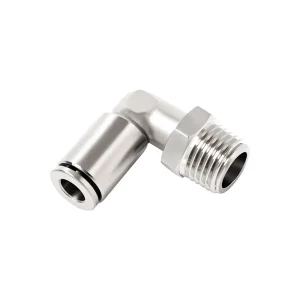
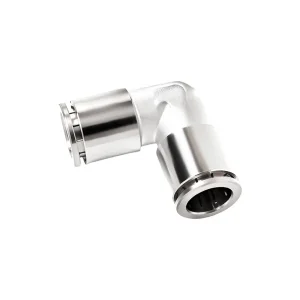
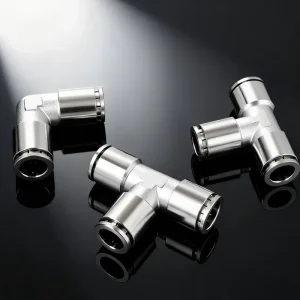
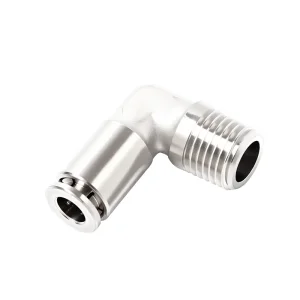
China Global Brass Pressure Fittings Manufacturer & Factories

Advanced Pneumatic Engineering, High-Precision Manufacturing, and Global Supply Chain Excellence by NHPC

Whitepaper: Industrial Brass Pressure Fittings Market Insights

An in-depth analysis of global demand, material science, and optimization strategies for modern fluid power and pneumatic networks.

1. Global Brass Pressure Fittings Landscape

The global industrial fluid power market demands uncompromising reliability. Brass pressure fittings serve as critical connection nodes in compressed air systems, chemical transport networks, automotive air brakes, and HVAC loops. The choice of brass is not merely historic but scientific. Its exceptional machinability, excellent thermal conductivity, resistance to spark ignition, and corrosion-resistant attributes render it superior to plastics and alternative alloys in demanding operating environments.

Critical Material Specifications:

To meet global engineering requirements, premium factories like NHPC employ strictly tested brass grades, ensuring stability under variable workloads:

  • HPb59-1 (CW617N): The standard for European and Asian plumbing and pneumatic systems, offering superior hot forming properties and balanced machinability.
  • DZR Brass (Dezincification Resistant): Highly recommended for installations conveying moisture or acid-prone fluids, avoiding selective leaching of zinc from the brass alloy.
  • Lead-Free Brass (C27450 / C46400): Necessary to conform to NSF/ANSI 61 and Safe Drinking Water Act compliance regulations globally.

2. The Edge of China's Manufacturing Infrastructure

China has evolved from a high-volume producer to a high-precision manufacturing powerhouse. Through extensive automation, integrated raw-material supply loops, and rigorous production workflows, Chinese manufacturers supply over 60% of the world's pneumatic and hydraulic connection hardware. The competitive edge is built on three key pillars:

End-to-End Vertical Integration

Unlike fragmented manufacturers who source components from multiple sub-contractors, factories in regions like Zhejiang control the process from raw billet melting, extrusion, and CNC profile milling, to precision injection molding (for push-in sleeves) and automated assembly. This cuts transit waste, stabilizes thermal heat codes, and protects lead-time integrity.

Precision Engineering & Tolerance Control

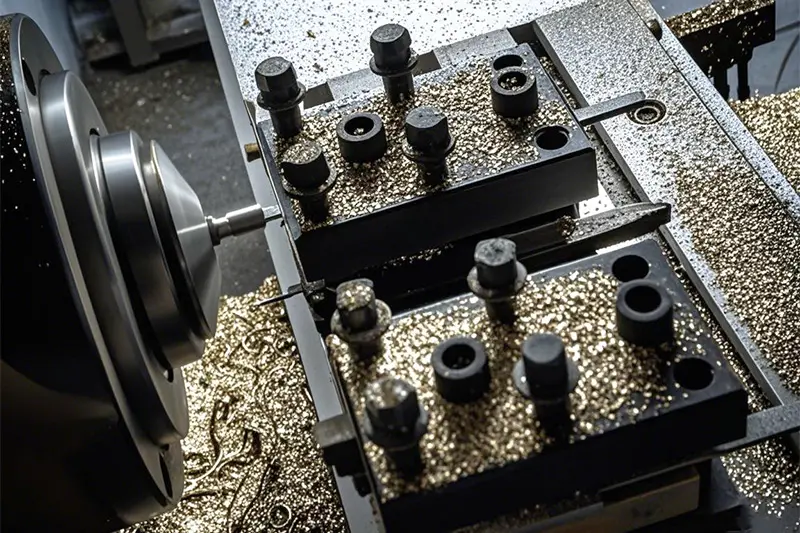
High-speed multi-axis CNC Swiss-type lathes ensure that internal and external thread profiles (G, NPT, R, BSPT) maintain dimensional tolerances within ±0.02mm. Precision threading reduces reliance on excessive sealant tape, protecting flow paths from particulate contamination.

Comprehensive In-house Testing Labs

Every manufacturing batch undergoes salt spray tests (for corrosion assessment), cycle fatigue testing, burst pressure evaluation, and helium leak detection to guarantee zero-leak rates even under continuous vibration.

3. Advanced Application Environments

Modern brass pressure fittings have moved beyond traditional plumbing. Let's look at key localized application environments where specialized configurations are mandatory:

Industrial Automation & Pneumatic Control

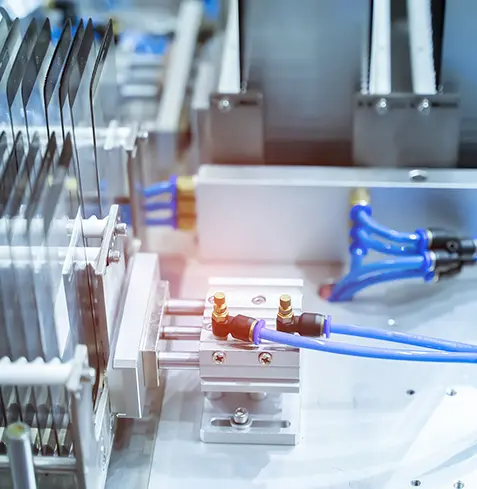
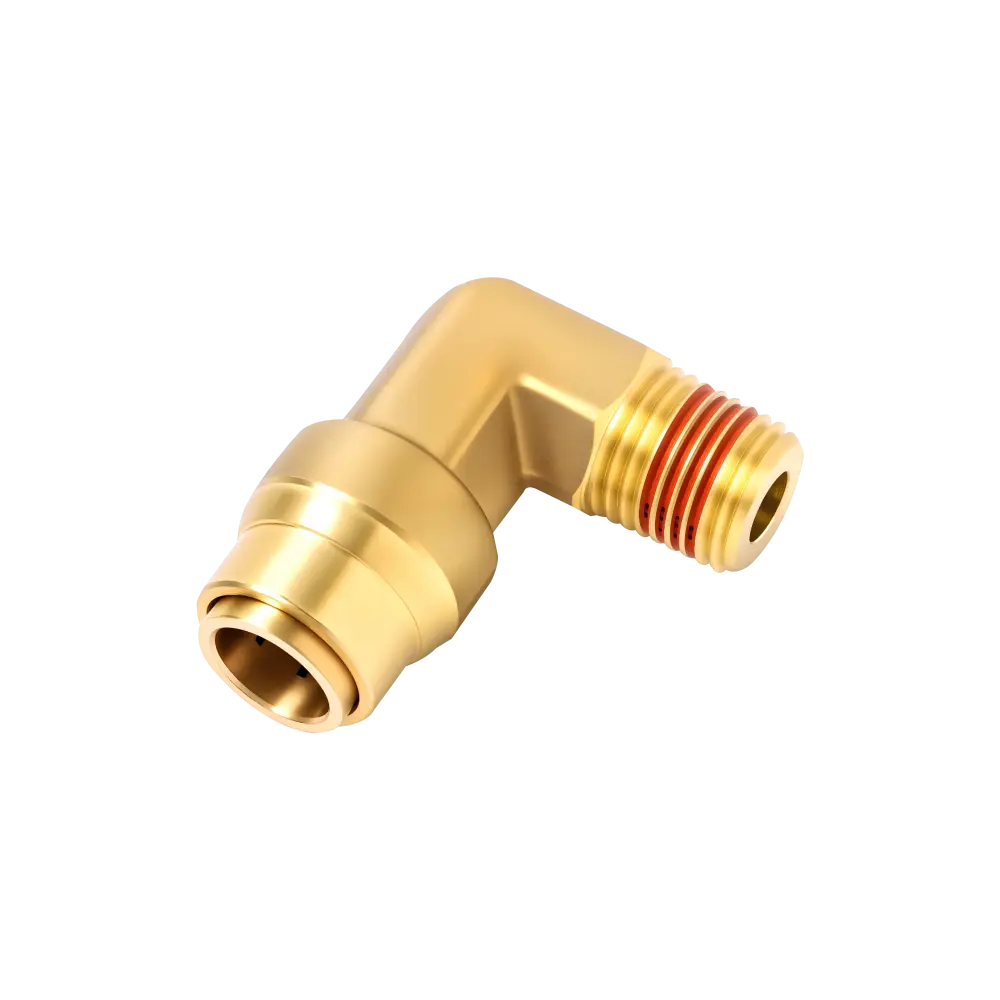
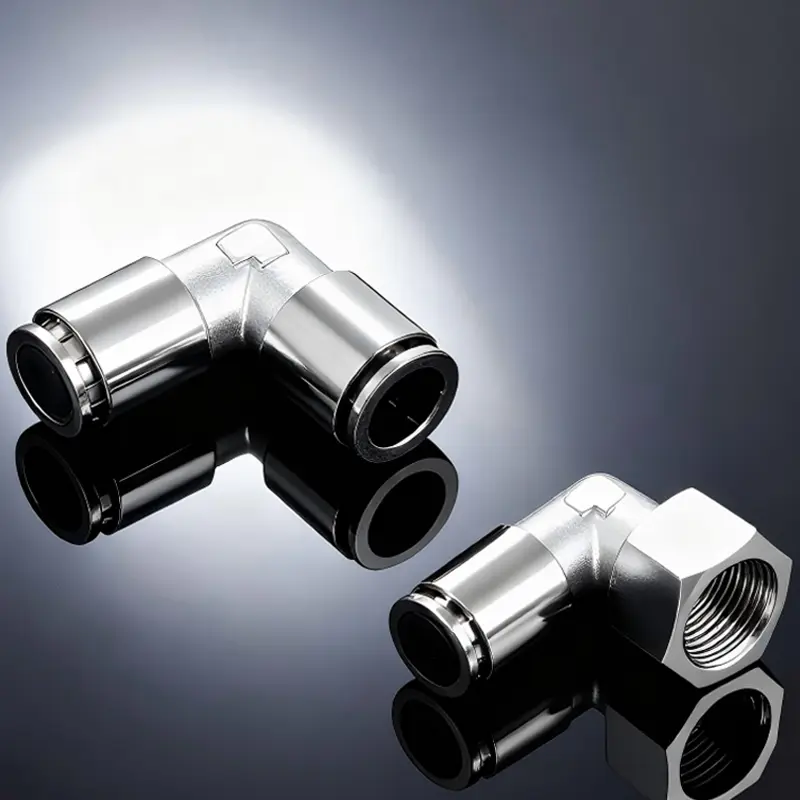
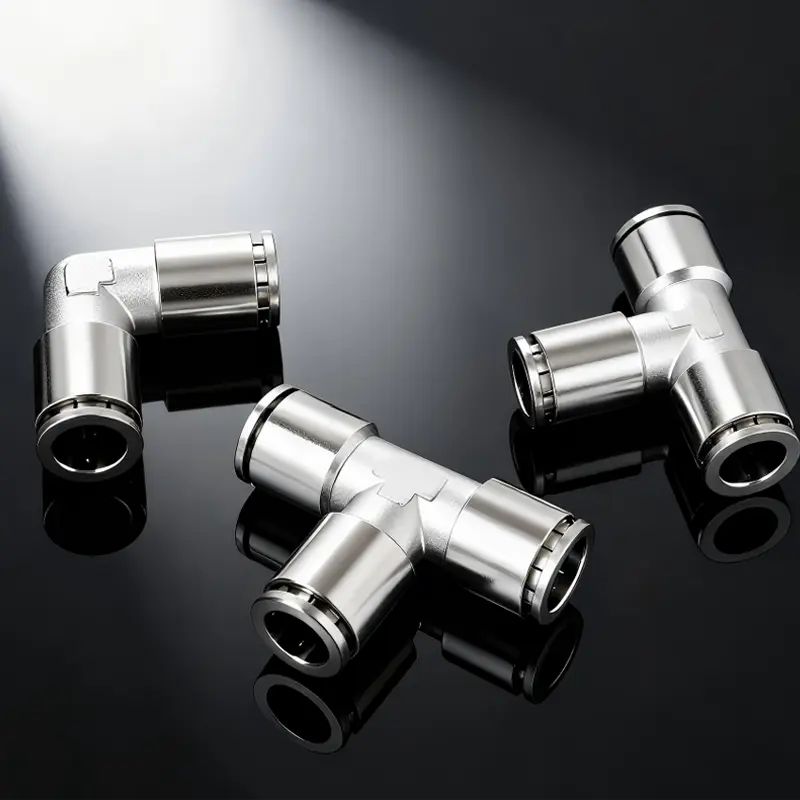
Solenoid valve manifolds and actuator supply lines rely on compact, rapid-connect push-in fittings to minimize maintenance downtime. Our PB, PBG, and PL series guarantee rapid coupling with polyurethane (PU), nylon, and PTFE tubing.

Automotive & Fleet Transit Air Brakes (DOT Standard)

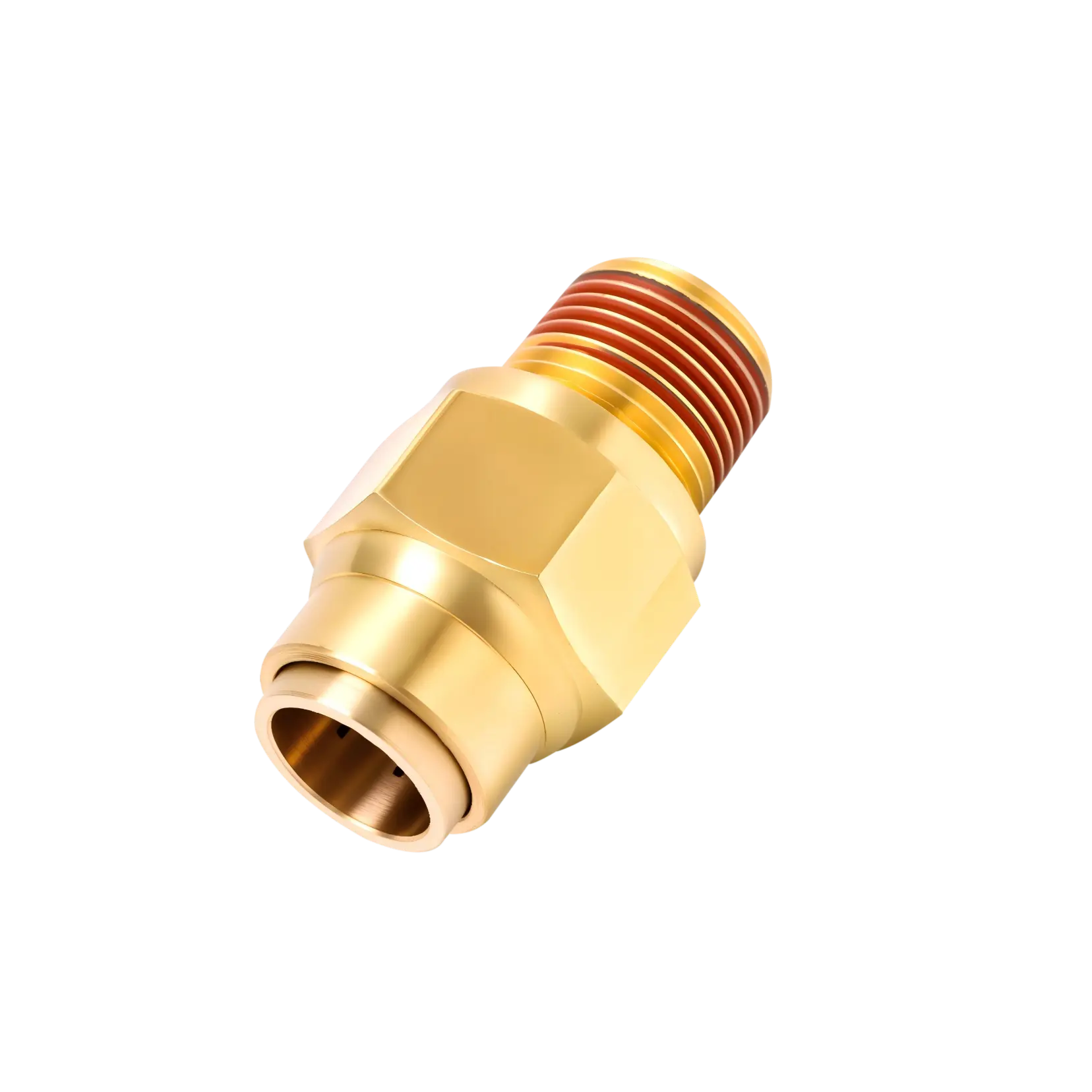
Commercial vehicle brake circuits operate under continuous vibration and variable thermal conditions. Brass DOT air brake fittings utilize specific insert sleeves and heavy-duty bodies to guarantee mechanical coupling integrity under strict FMVSS 106 safety guidelines.

Energy Storage Systems & Liquid Cooling loops

The rise of lithium-ion gigafactories and grid-level ESS (Energy Storage Systems) requires flame-retardant cooling and fire suppression piping. The PLF, PE, and PC series from NHPC are optimized with flame-resistant compounds to prevent combustion risks while keeping coolants securely sealed.

20+

Years Pneumatic Industry Experience

100+

Technical Production Staffs

40+

Annual New Product Designs

100%

Leak & Quality Inspection

About Nuoheng Pneumatic Machinery (NHPC)

Welcome to NHPC, a leading manufacturer in the pneumatic industry with a rich history spanning over 15 years. Our journey began with a simple but powerful vision: to revolutionize the pneumatic industry by delivering high-quality, innovative, and reliable products that meet the ever-evolving needs of our clients. Today, we are proud to stand as a trusted name in the industry, serving a diverse range of customers across the globe.

We specialize in the design, development, and manufacturing of a comprehensive range of pneumatic products. Our product line includes push in fittings, push on fittings, pneumatic valves, quick connectors, PU pipes, hydraulic components, and design services for custom pneumatic systems. Each product is engineered with precision, ensuring optimal performance, durability, and efficiency. Whether you need standard components or customized solutions, we have the expertise to deliver products that exceed your expectations.

Our Strategic Engineering Solutions

We handle everything for you—from complex pipeline architecture layout calculations to final quality assurance.

Provide The Pipeline System Solution
01

Pipeline System Solutions

With deep domain expertise in fluid power networks, we propose layout suggestions, sizing analysis, and custom fitting choices to balance performance and capital expenditure.

Professional Production Equipment
02

Precision Production Equipment

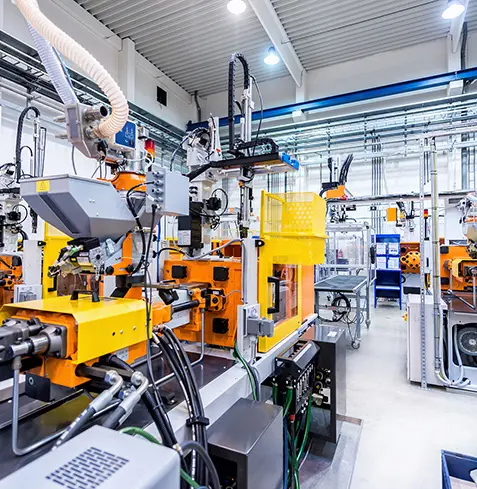
Our facility operates multi-spindle automatic lathes, CNC centers, hot forging presses, and secondary machining cells. We control material composition down to fractional percentages.

Provide Responsive Service
03

Responsive Engineering Support

We offer dedicated OEM/ODM assistance. Our engineers respond within 12 hours with structural designs, STEP models, material test certificates, and compliance declarations.

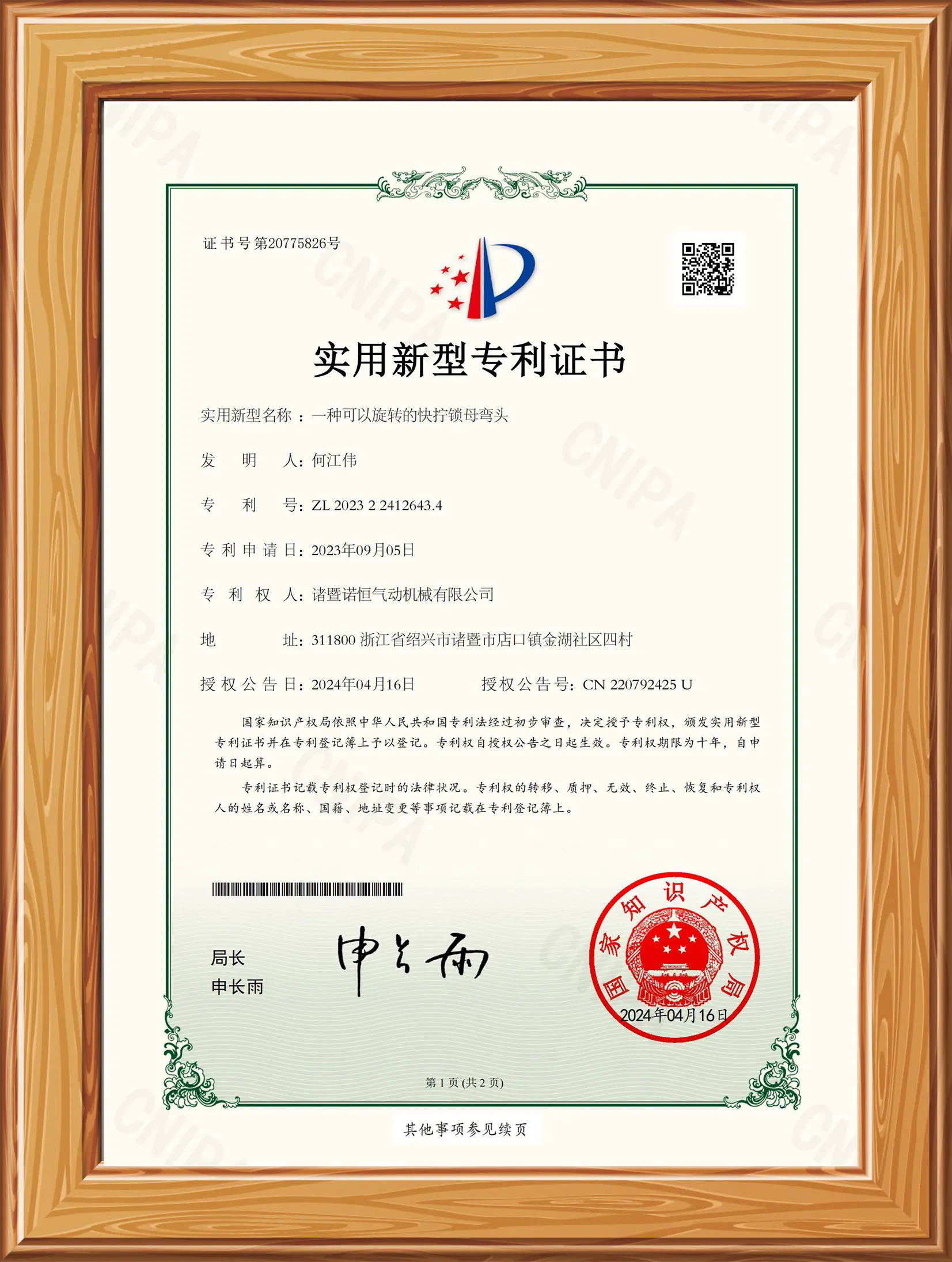
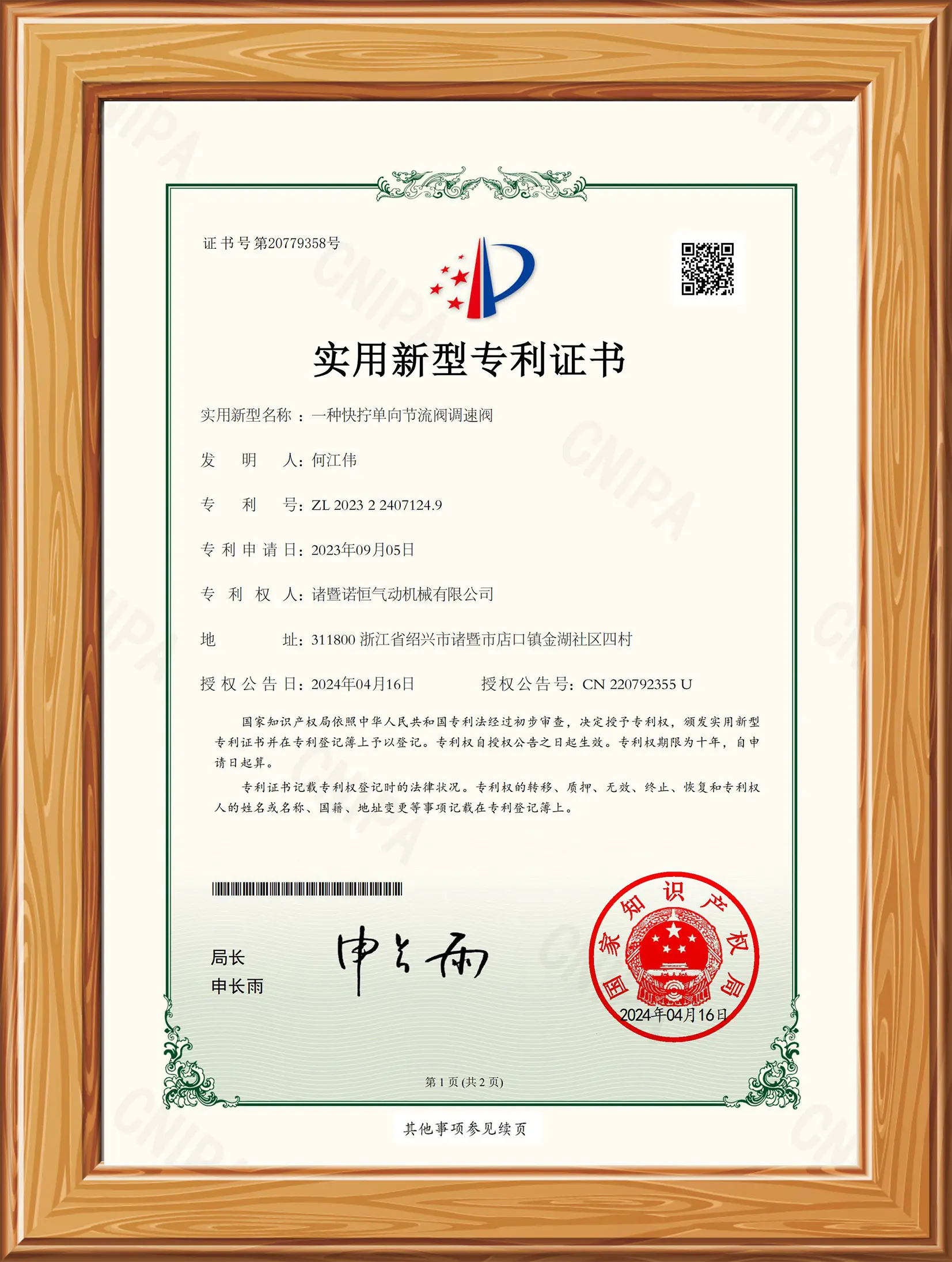
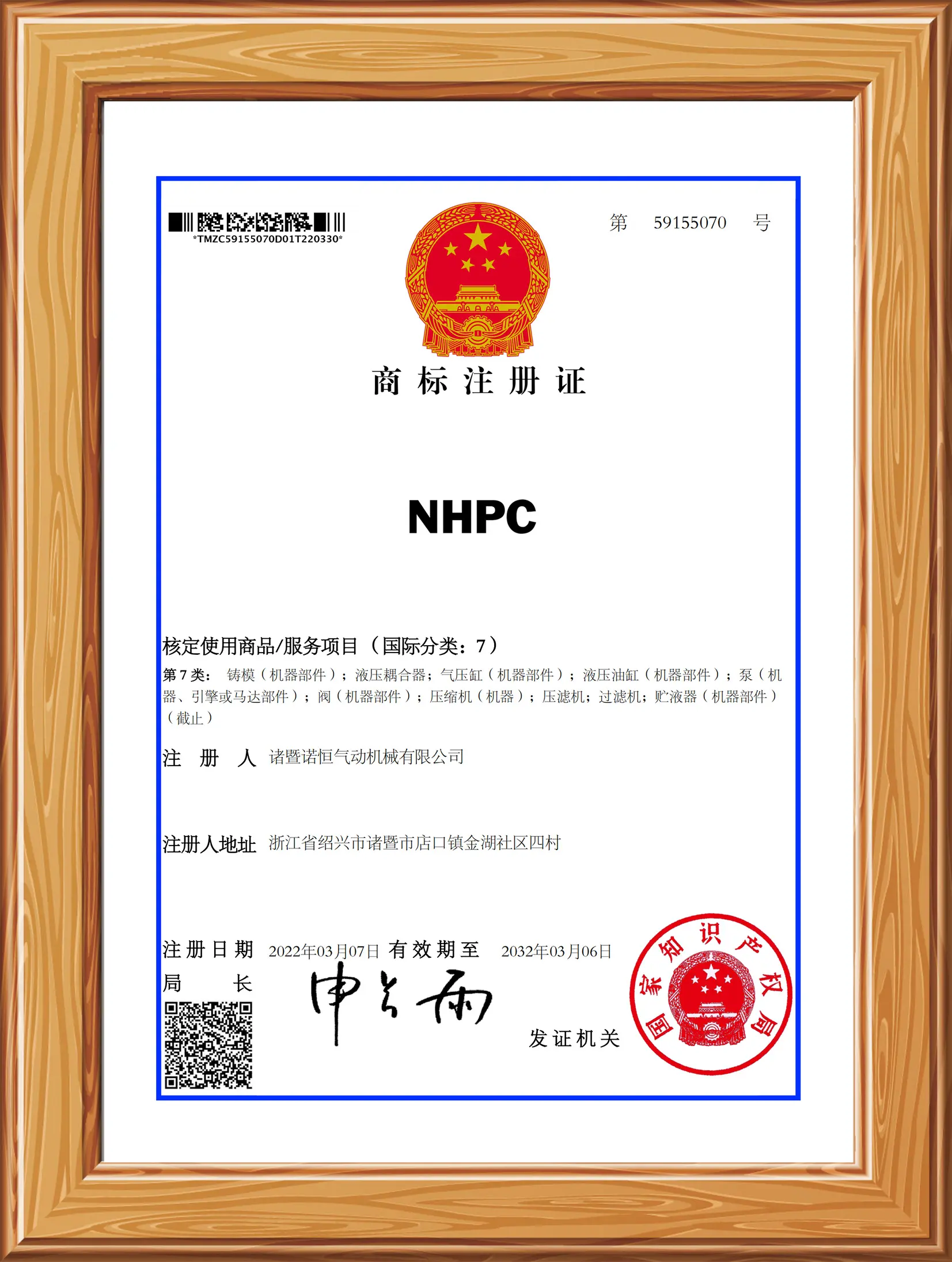
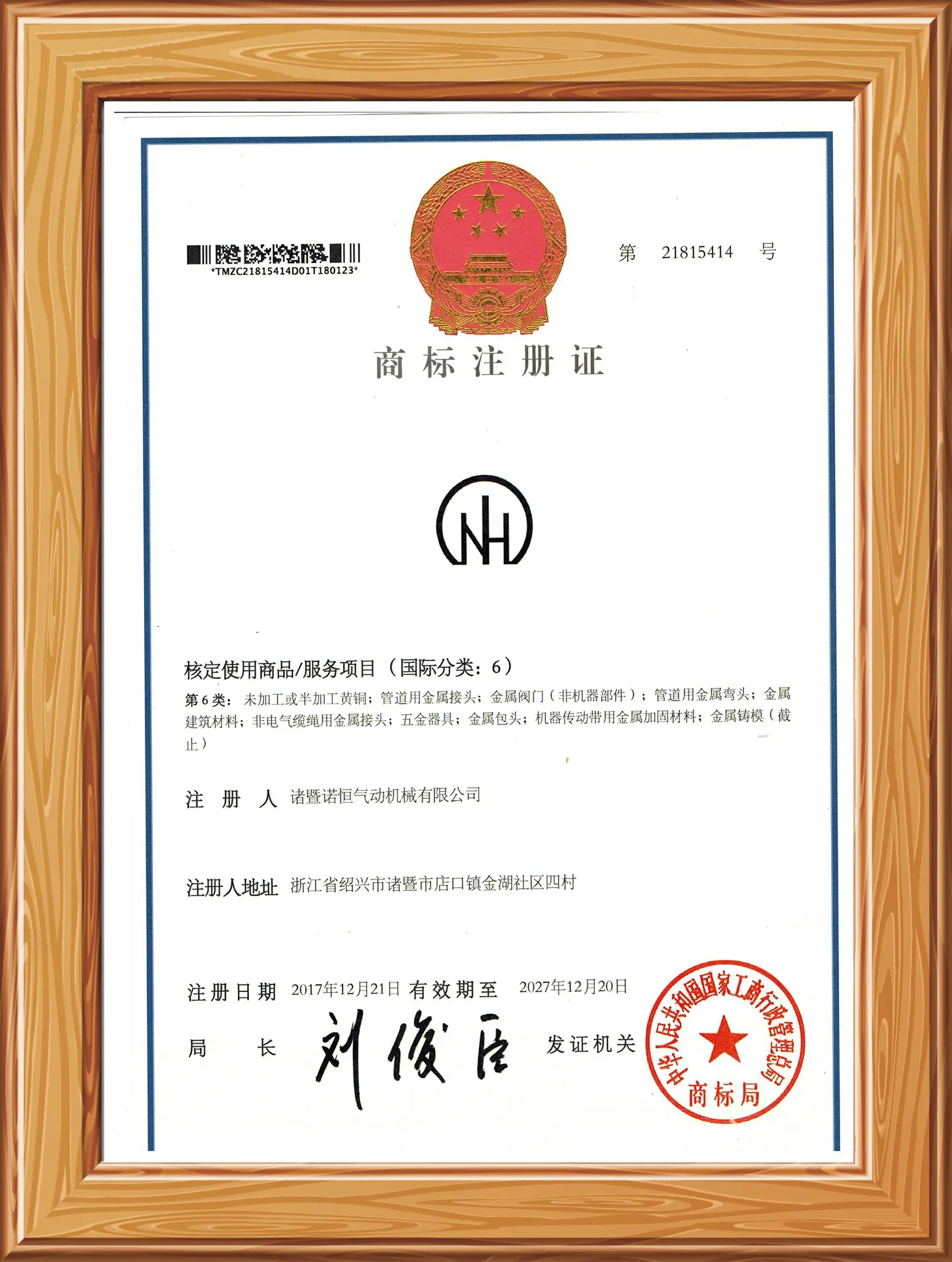
International Safety & Quality Certifications

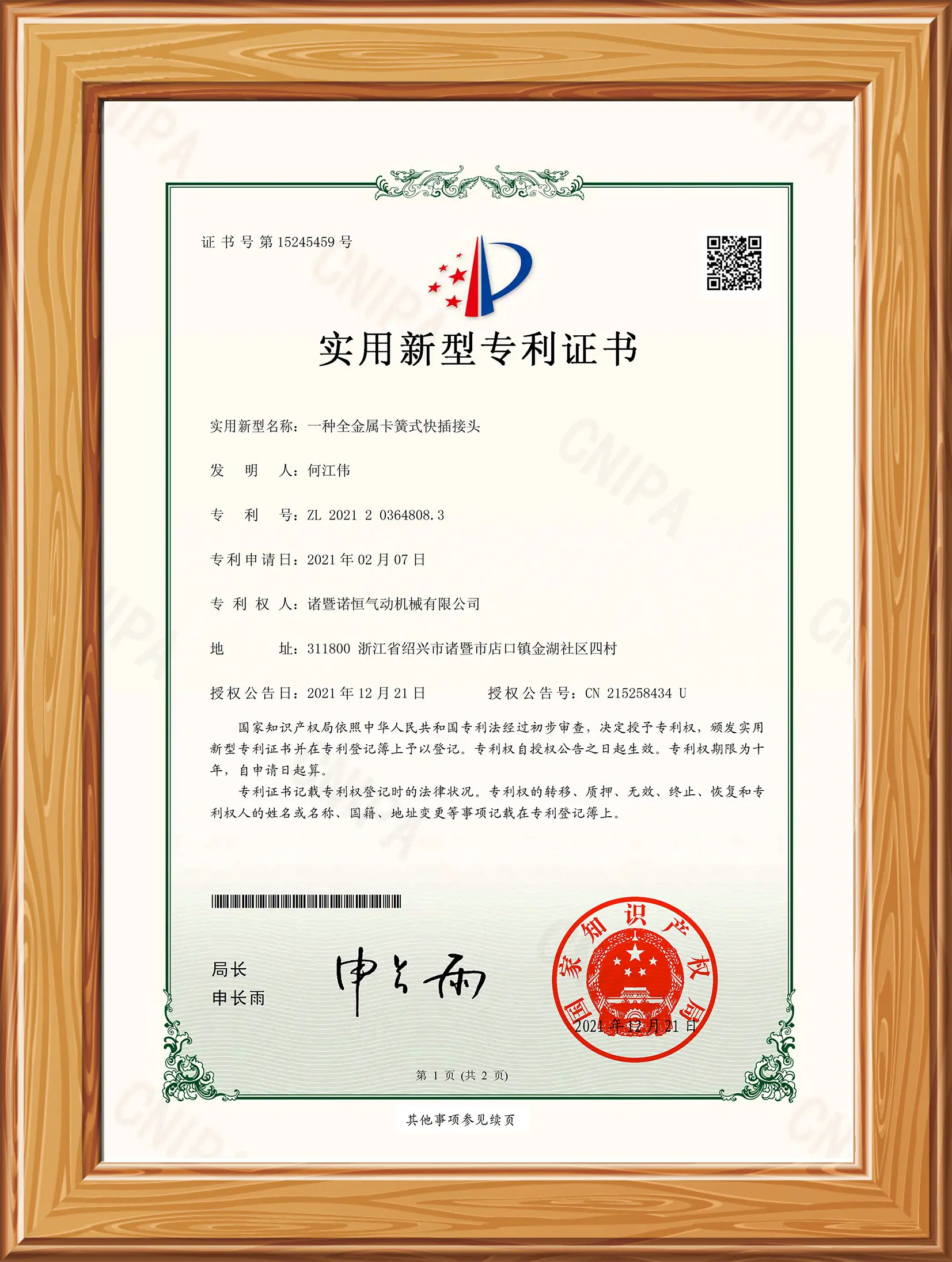
NHPC products conform to global regulations, ensuring friction-free imports and local engineering acceptance.

4. Crucial Purchase Requirements for Global Procurement Managers

Procuring pneumatic system fittings requires technical vigilance. Procurement officers at global OEMs look beyond price-per-piece to evaluate structural integrity and operational lifespan indicators. High-performance brass connectors should fulfill the following standards:

  • Compliance & Certifications: Ensure the factory maintains ISO 9001:2015 certification. For transportation projects, DOT FMVSS 106 compliance is mandatory. Liquid systems carrying drinking water require lead-free certifications.
  • Traceable Material Identification: High-integrity mills issue material mill sheets matching heat codes printed on the fitting bags. This shows chemical composition (% Copper, Zinc, Lead, and Trace elements).
  • Thread Tolerances: Fittings must verify thread standards such as NPT (ANSI B1.20.1), G/BSP (ISO 228), and R/BSPT (ISO 7) to avoid stripping or galling during automated assembly.
  • Sealing Compounds: Seals must match the working fluid and temperature limits. O-rings made of standard NBR are suitable for basic pneumatic lines, while Viton (FKM) is required for high-temperature and chemical fluid paths.

5. Market Trends Shaping the Future of Fluid Power

The pneumatic fitting industry is adopting advanced manufacturing technologies. Four primary trends are shaping development:

  1. Lead-Free Brass Adoption: Stricter green initiatives in Europe and North America are accelerating the transition to lead-free brass (containing less than 0.25% lead), pushing manufacturers to optimize tooling to handle these harder alloys.
  2. Integration of Light-weight Materials: Composite-brass combinations, where high-stress threads are machined from solid brass while bodies use composite resins, optimize weight and cost.
  3. Expansion in Energy Storage Liquid Cooling: The growth of utility-scale energy storage has increased demand for custom-engineered leak-proof fittings that can handle dielectric fluids and cooling mixtures without degrading.
  4. Smart Pneumatics: Future distribution systems are integrating electronic sensors inside high-pressure fittings to track pressure drops and micro-leaks in real-time.

Project Presentation Case Studies

Providing custom pneumatic, fluid line, and mechanical engineering solutions to global infrastructure programs.
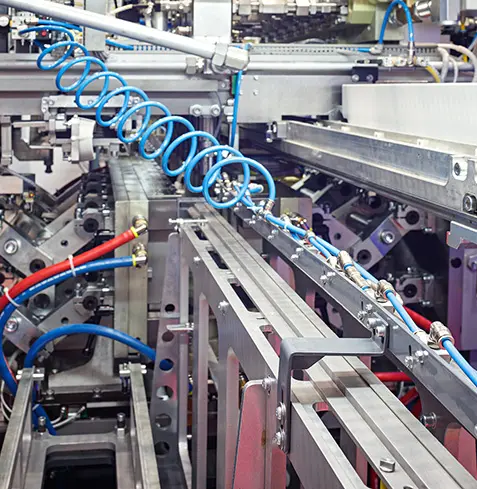

Automated Pneumatic Line Project 1
Industrial Automation Pipeline System
Automated Pneumatic Line Project 2
Automotive Brake Assembly Lines
Automated Pneumatic Line Project 3
Energy Storage Liquid Cooling Loop
Automated Pneumatic Line Project 4
Custom OEM Component Manufacturing

Frequently Asked Questions (FAQ)

Technical answers to common procurement and engineering inquiries regarding global brass pressure fittings.

Q1: What is the main difference between Push-In and Push-On Brass Fittings?
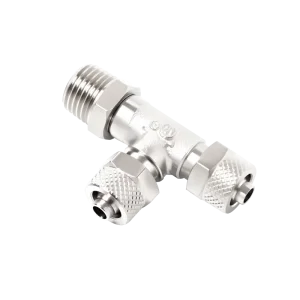
Push-In fittings allow quick tube insertion and extraction without tools. An internal locking collet grips the tube outer wall. Push-On fittings require the tubing to be pushed over a barbed stem, then secured with a knurled compression nut. Push-On fittings typically handle higher pressures and mechanical stress, while Push-In fittings offer faster assembly.
Q2: How does NHPC maintain dimensional quality control for export batches?
We deploy CNC lathe systems equipped with live tool monitoring. Dimensions are monitored using automatic vision inspect systems and certified thread ring gauges. Each batch is subjected to destructive burst pressure testing and bubble-tight testing to verify seal performance before dispatch.
Q3: Can G-thread fittings connect to NPT-thread ports?
No. G-threads (ISO 228) are parallel threads with a 55-degree flank angle, requiring an O-ring or flat washer to seal. NPT threads are tapered with a 60-degree flank angle, sealing through thread-to-thread interference. Forcing them together damages the thread tracks and leads to fluid leakage. Thread adapters should be used when converting between standards.
Q4: Why is brass chosen over stainless steel for pneumatic systems?
Brass provides excellent corrosion resistance and machinability at a lower cost than stainless steel. It is also non-sparking, making it suitable for hazardous environments. Stainless steel is typically reserved for highly corrosive environments, food-grade systems, or extreme temperatures.
Q5: What standard certifications apply to air brake line systems?
Air brake line fittings must comply with DOT FMVSS 106 and SAE J1131 standards. These guidelines govern temperature limits, tensile pull-out strength, and vibration resistance to ensure safety in commercial vehicle brake systems.